1. Seconds
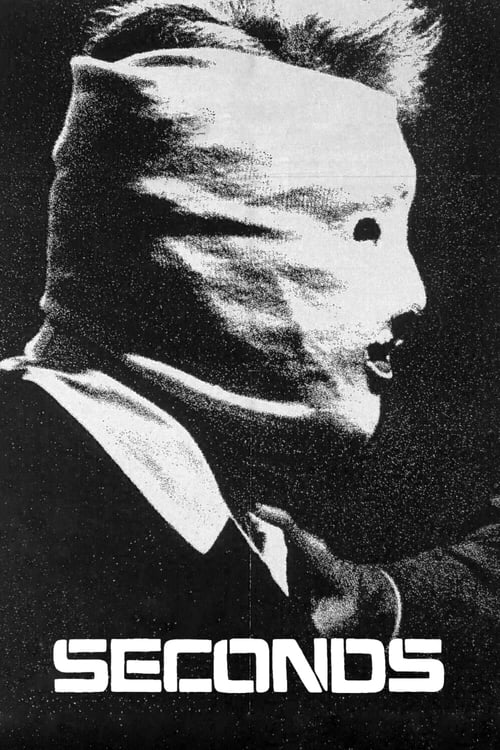
John Frankenheimer’s *Seconds* is a chilling descent into manufactured identity, a stark critique of the American dream’s plasticity. Rock Hudson, cast against type, delivers a haunting performance as a man seeking escape, only to find himself trapped in a new, equally hollow existence. The stark black-and-white cinematography and disorienting camera work amplify the pervasive paranoia and existential dread, making it a profoundly unsettling experience that resonates with contemporary anxieties about conformity and selfhood.
2. The American Friend
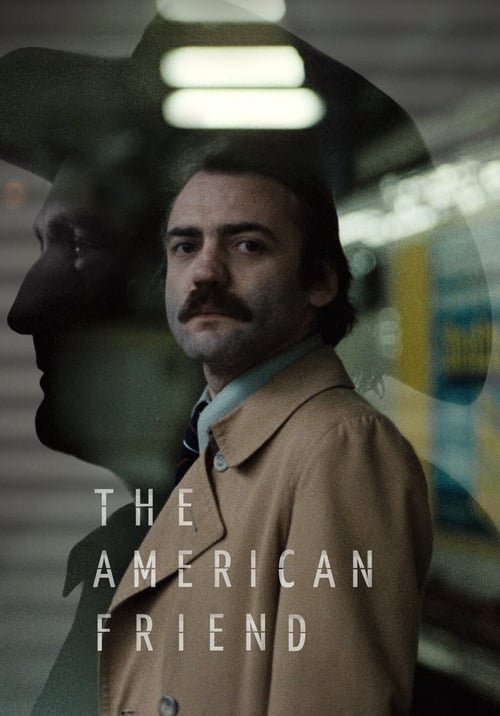
Wim Wenders’ *The American Friend* is a masterclass in neo-noir, a European sensibility applied to Patricia Highsmith’s morally ambiguous world. Dennis Hopper’s Ripley is less a suave manipulator and more a lost soul, a foil to Bruno Ganz’s terminally ill frame maker. The film subtly explores themes of guilt, complicity, and the blurred lines of identity, eschewing overt thrills for a contemplative, atmospheric dread that lingers long after the credits. It’s a study in quiet desperation.
3. The Vanishing
George Sluizer’s original *The Vanishing* is perhaps one of cinema’s most disturbing psychological thrillers, precisely because of its clinical detachment. It avoids cheap scares, instead building unbearable tension through a relentless exploration of obsession and the banality of evil. The film’s terrifying power lies in its unflinching depiction of a man’s quest for answers, leading to a conclusion that is both inevitable and utterly devastating, questioning the very nature of human malice.
4. Ravenous
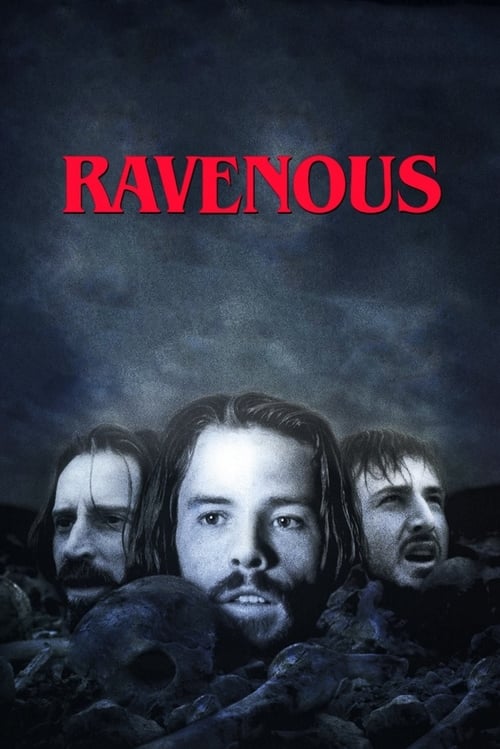
Antonia Bird’s *Ravenous* is a bizarre, darkly comedic, and deeply unsettling blend of historical horror and Western revisionism. Set during the Mexican-American War, it uses cannibalism not merely for shock, but as a visceral metaphor for manifest destiny’s voracious appetite. The film’s eccentric score, grotesque humor, and unsettling performances create a singular, memorable experience that challenges conventional genre expectations, a true cinematic outlier that demands re-evaluation.
5. The Cremator
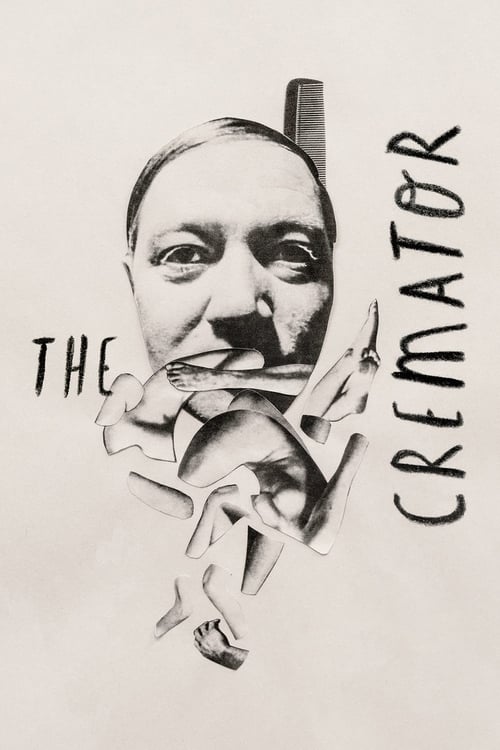
Juraj Herz’s *The Cremator*, a gem of the Czechoslovak New Wave, is a grotesque, darkly humorous psychological horror that doubles as a chilling allegory for totalitarianism. Karel Roden delivers an unforgettable performance as the meticulously polite, increasingly deranged cremator, whose descent into madness is both darkly comic and utterly terrifying. Its surreal, unsettling visuals and sardonic wit offer a profound, disturbing reflection on complicity and the normalization of evil.
6. Symbiopsychotaxiplasm: Take One
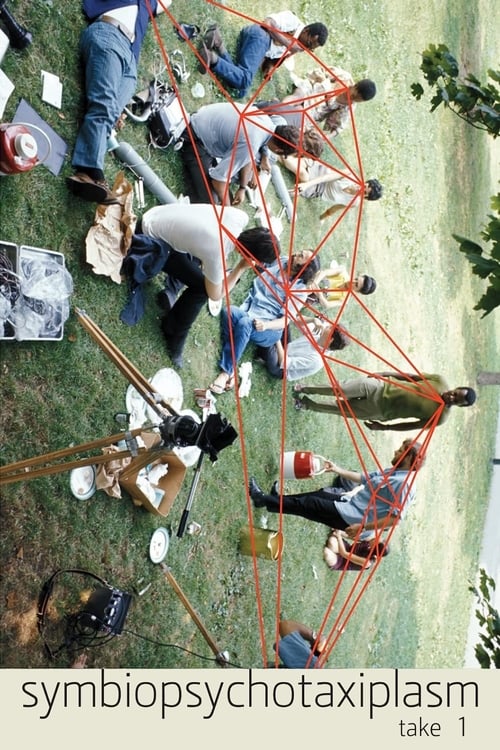
William Greaves’ *Symbiopsychotaxiplasm: Take One* is an unparalleled piece of experimental filmmaking, a meta-documentary that deconstructs the very act of cinematic creation. Greaves films a film crew filming him, creating multiple layers of reality and challenging the traditional power dynamics of director and subject. It’s a fascinating, often humorous, and profoundly intellectual exploration of truth, performance, and the inherent subjectivity of storytelling, a truly unique artifact.