
1. Dark Star
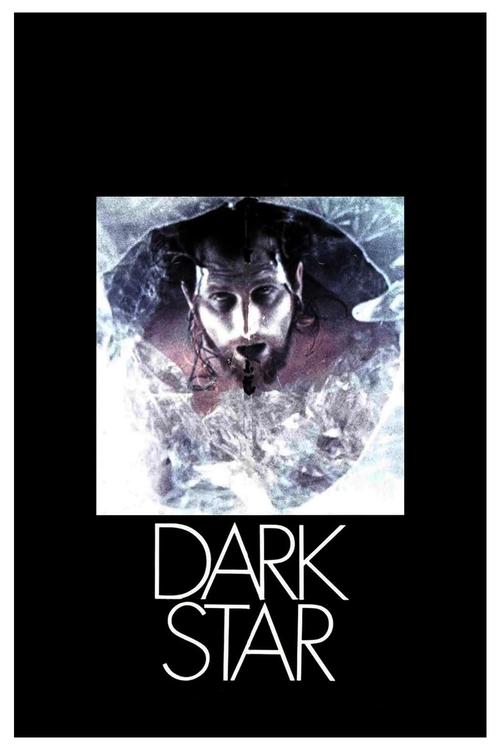
Before *Alien* or *Escape from New York*, John Carpenter and Dan O'Bannon birthed *Dark Star* (1974), a darkly comedic, low-budget sci-fi satire. It chronicles the absurd lives of bored astronauts on a mission to destroy "unstable planets," wrestling with philosophical bombs and a mischievous alien. Its deadpan humor, existential ennui, and DIY aesthetic laid groundwork for future genre classics, demonstrating Carpenter's early genius in subverting expectations with minimal resources. A foundational piece for understanding his trajectory.
2. Harold and Maude
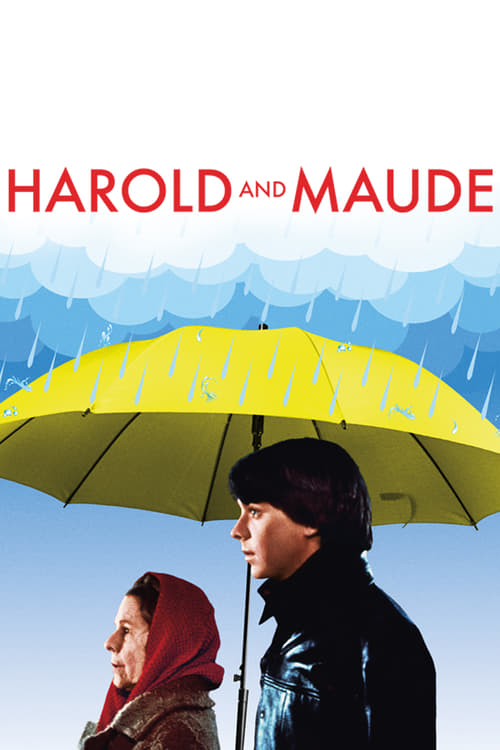
Hal Ashby’s *Harold and Maude* (1971) defies easy categorization, weaving a darkly comedic, profoundly moving romance between a death-obsessed young man and a vivacious, septuagenarian free spirit. Its subversive humor critiques societal norms while celebrating life, love, and individuality with a singular vision. Cat Stevens’ iconic soundtrack perfectly underscores its melancholic joy and rebellious heart. This isn't merely a love story; it's a testament to finding connection and meaning in the most unconventional of places, an enduring cult classic.
3. Near Dark
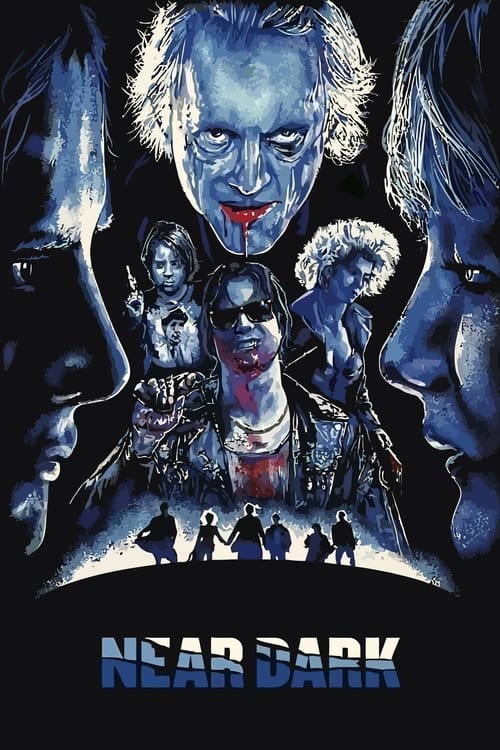
Kathryn Bigelow’s *Near Dark* (1987) stands as a raw, gritty counterpoint to traditional vampire lore, eschewing capes and gothic castles for a sun-baked, nomadic outlaw existence. These vampires are a savage, dysfunctional family, blending horror with the stark, dusty aesthetic of a modern Western. It's a brutal, visceral film, less about supernatural dread and more about the primal struggle for survival and belonging on the fringes of society. Its kinetic violence and atmospheric tension confirm Bigelow's command of genre.
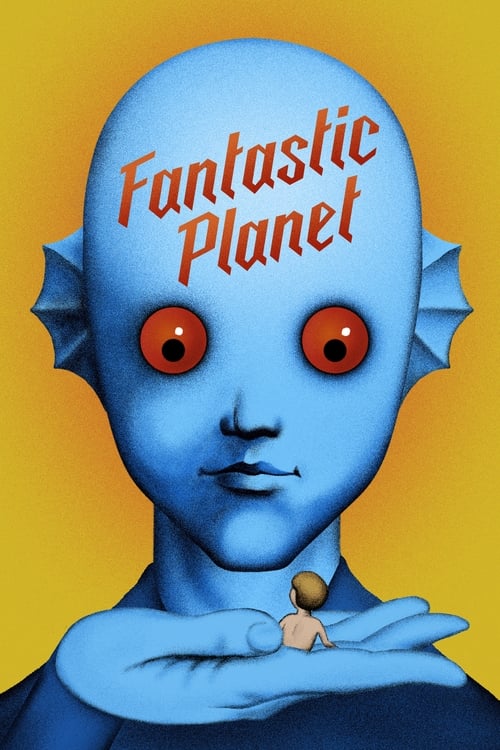
4. Fantastic Planet
René Laloux’s *Fantastic Planet* (1973), a French-Czechoslovak co-production, presents an animation marvel of surreal, allegorical science fiction. Its distinctive cut-out style brings to life the planet Ygam, where giant, blue-skinned Draags keep human Oms as pets. The film functions as a potent allegory for oppression, intelligence, and the struggle for liberation, all rendered with breathtakingly original visuals and a haunting score. It challenges perceptions of dominance and submission, remaining a singular, unforgettable artistic statement in animation history.
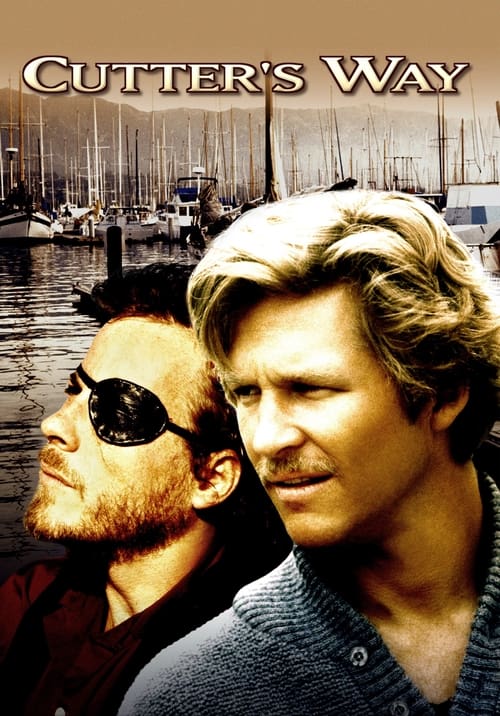
5. Cutter's Way
Ivan Passer’s *Cutter's Way* (1981) is a searing, melancholic neo-noir, an elegiac portrait of post-Vietnam disillusionment. It follows two drifters, a cynical veteran and a charming layabout, who stumble upon a murder conspiracy. The film masterfully captures a sense of societal decay and personal wreckage, with outstanding performances, particularly John Heard’s tormented Cutter. Its slow-burn intensity and pervasive sense of futility offer a bleak, powerful commentary on justice and friendship in a world seemingly beyond repair, a true cult gem.
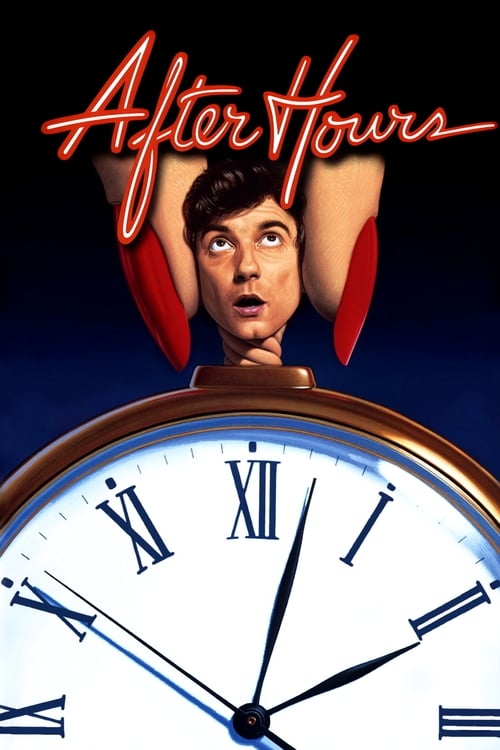
6. After Hours
Martin Scorsese’s *After Hours* (1985) is a darkly comedic, Kafkaesque nightmare that plunges an ordinary word processor into a progressively absurd, menacing New York night. Paul Hackett's desperate attempts to simply go home unravel into a series of bizarre encounters and escalating misunderstandings, creating a palpable sense of urban paranoia and claustrophobia. It’s a masterclass in sustained tension and black humor, an exhilarating, unsettling ride that reveals a very different side of Scorsese’s directorial prowess, far from his gangster epics.
7. The Vanishing
George Sluizer’s original *The Vanishing* (1988) is a chilling Dutch-French psychological thriller that eschews conventional mystery for a profound exploration of obsession. Rex's relentless search for his vanished girlfriend leads him down a dark, existential path, where the "who" is known but the "why" and "how" become terrifyingly central. Its methodical suspense and devastating, unforgettable conclusion make it a masterwork of dread. This is pure, unadulterated psychological horror, far superior to its American remake, probing the depths of human curiosity and malevolence.

8. A Face in the Crowd
Elia Kazan’s *A Face in the Crowd* (1957) remains chillingly prescient, depicting the rise of Lonesome Rhodes, an Arkansas drifter transformed into a populist media demagogue. Andy Griffith delivers a powerhouse performance as this charismatic figure who leverages television to manipulate public opinion and wield immense political power. The film's examination of celebrity culture, media's influence, and the seduction of populism feels profoundly relevant today, a stark warning about the fragility of democracy and the dangerous allure of unchecked authority.
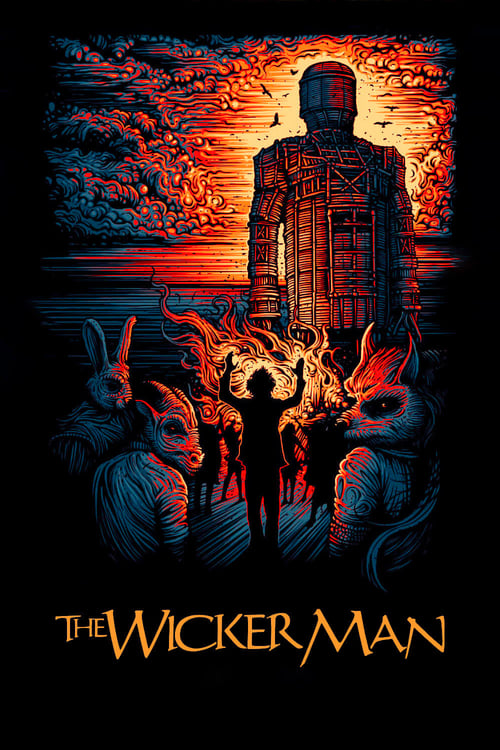
9. The Wicker Man
Robin Hardy’s *The Wicker Man* (1973), the original British version, is a unique masterpiece of folk horror, eschewing jump scares for an insidious, pervasive sense of dread. A puritanical police sergeant investigates a missing girl on a remote Scottish island populated by seemingly idyllic, yet deeply unsettling, pagan villagers. Its sun-drenched, pastoral setting belies a chilling, inescapable atmosphere of ritualistic menace. The film meticulously builds its psychological terror, culminating in one of cinema’s most unforgettable and shocking finales.
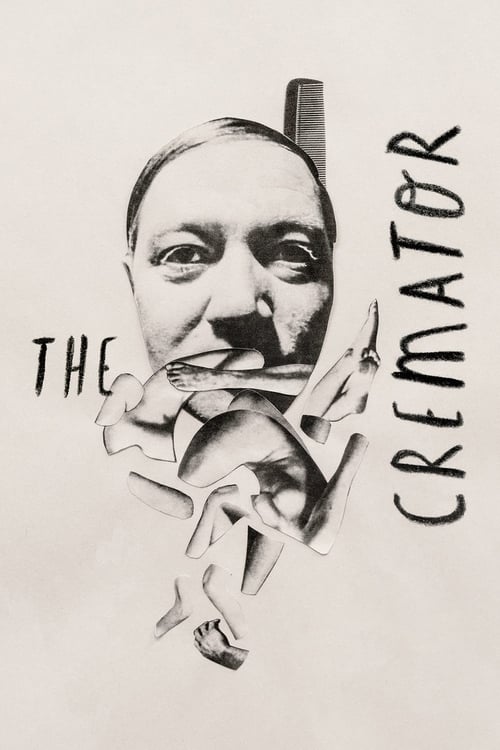
10. The Cremator
Juraj Herz’s *The Cremator* (1969), a chilling product of the Czechoslovak New Wave, is a darkly comedic, profoundly disturbing horror film. It follows Karel Kopfrkingl, a seemingly benign cremator whose escalating obsession with death and "purification" aligns disturbingly with burgeoning Nazi ideology. Shot with a grotesque surrealism and featuring a phenomenal performance by Rudolf Hrušínský, the film is a disquieting allegory for the banality of evil and the seductive nature of totalitarianism. Its unsettling blend of humor and horror leaves a lasting, unsettling impression.