
1 / 8
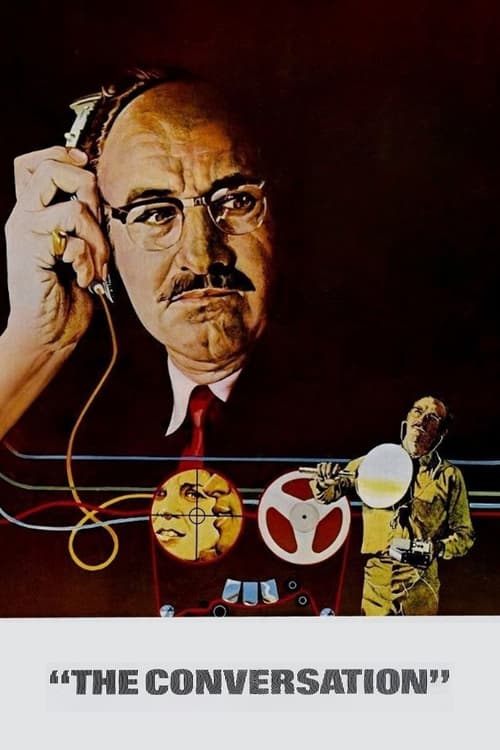
1. The Conversation
Francis Ford Coppola's post-Watergate masterpiece dissects the anatomy of surveillance and its psychological toll. Gene Hackman's performance as Harry Caul, a meticulous wiretapper, anchors this chilling study of paranoia and guilt. The film's masterful sound design elevates the act of listening into a palpable, terrifying experience, exposing the moral ambiguities inherent in unseen observation. It remains a potent exploration of ethical decay.
2 / 8
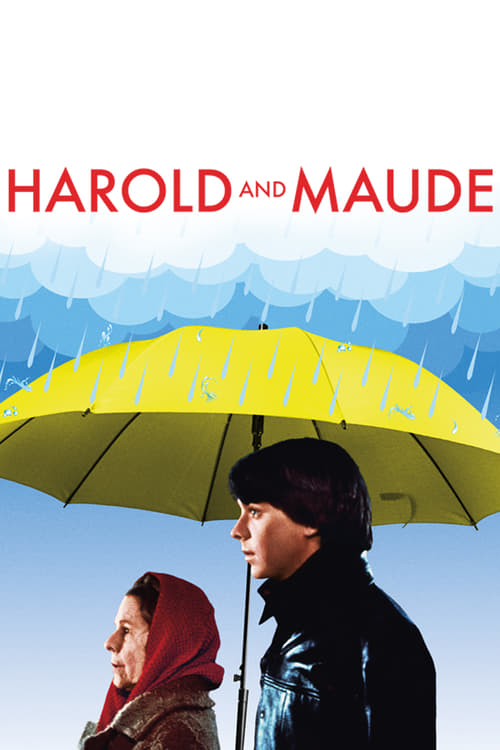
2. Harold and Maude
Hal Ashby's enduring cult classic is a subversive, darkly comedic romance that champions life's eccentricities. It follows the morbidly obsessed Harold and the joyously free-spirited Maude as their unlikely bond blossoms. This film masterfully blends gallows humor with profound optimism, challenging societal norms and celebrating the beauty of finding connection in the most unconventional places. Its charm is truly infectious.
3 / 8
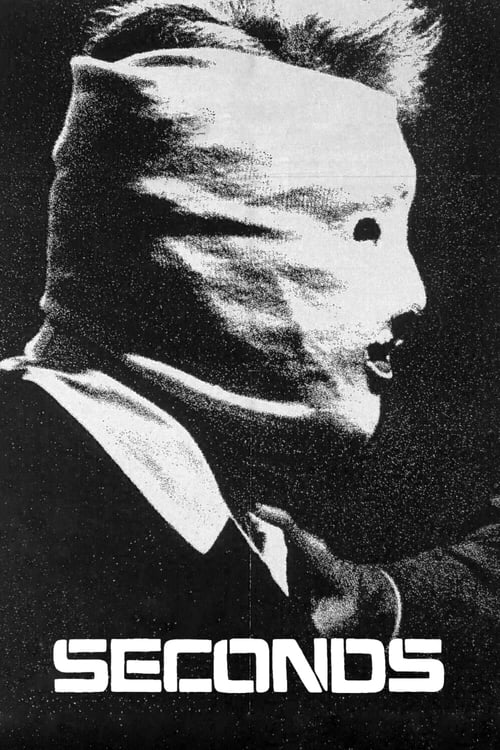
3. Seconds
John Frankenheimer’s unsettling science fiction thriller plumbs the depths of identity and the yearning for reinvention. Rock Hudson portrays a man offered a radical second chance at life, only to discover the terrifying cost of shedding one's past. A chilling commentary on conformity and existential dread, its stark black and white cinematography and disorienting camera work create a profoundly disturbing, almost nightmarish, vision of self-erasure.
4 / 8
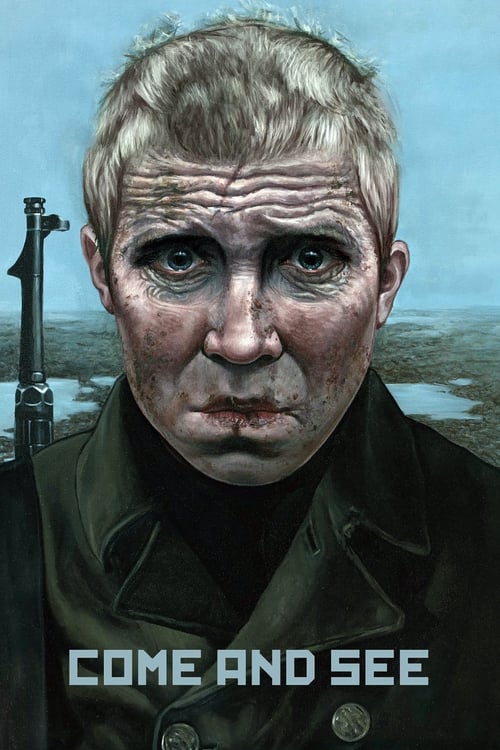
4. Come and See
Elem Klimov’s harrowing anti-war epic is not merely observed, but viscerally experienced. Following a young boy's descent into hell during World War II's Belorussian genocide, the film eschews conventional narrative for an unflinching, dreamlike portrayal of unimaginable brutality. It's a psychological assault, refusing to sanitize horror, leaving an indelible mark on the viewer's psyche and standing as a potent testament to war's ultimate cost.
5 / 8
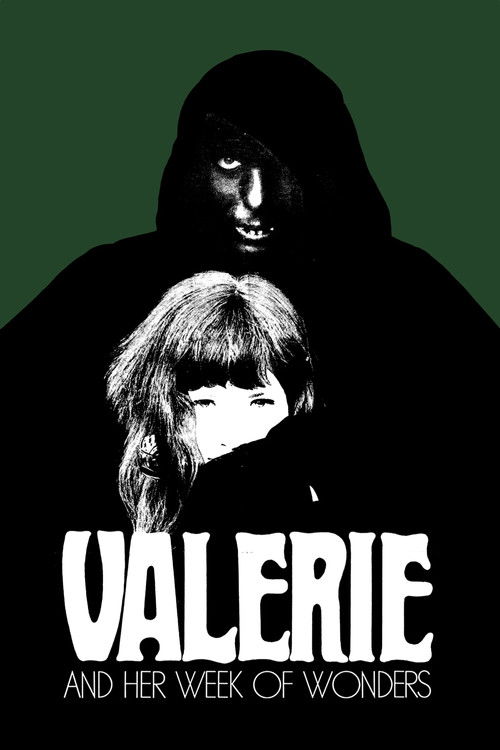
5. Valerie and Her Week of Wonders
Jaromil Jireš's surreal, dream-logic fable from the Czech New Wave is a sensual, gothic coming-of-age journey. A young girl navigates a labyrinthine world of desire, fear, and awakening, blurring the lines between reality and nightmare. Its lush, poetic visuals and ambiguous narrative defy easy categorization, inviting viewers into a hypnotic, hallucinatory realm where innocence confronts corruption, rendering a unique and unforgettable cinematic experience.
6 / 8
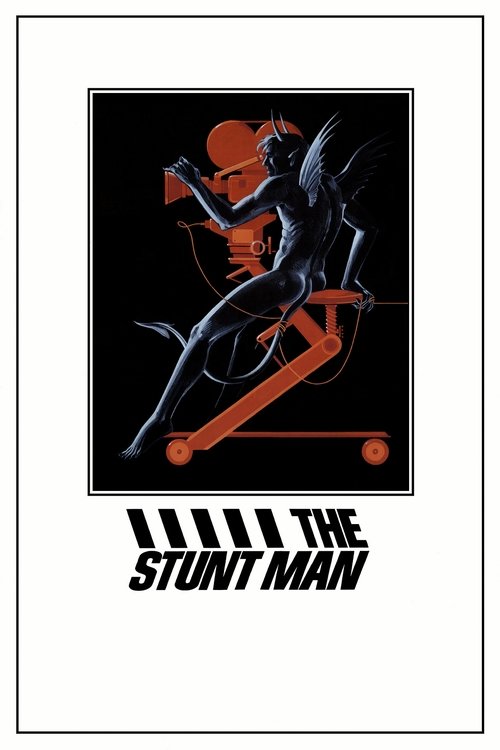
6. The Stunt Man
Richard Rush's criminally underseen, meta-cinematic marvel blurs the lines between illusion and reality. Steve Railsback plays a fugitive who stumbles onto a film set, coerced into becoming a stunt man by the enigmatic director (Peter O'Toole, in a tour-de-force performance). This film is a brilliant, darkly comedic examination of power, perception, and the manipulative artistry of filmmaking itself, keeping you perpetually off-balance.
7 / 8
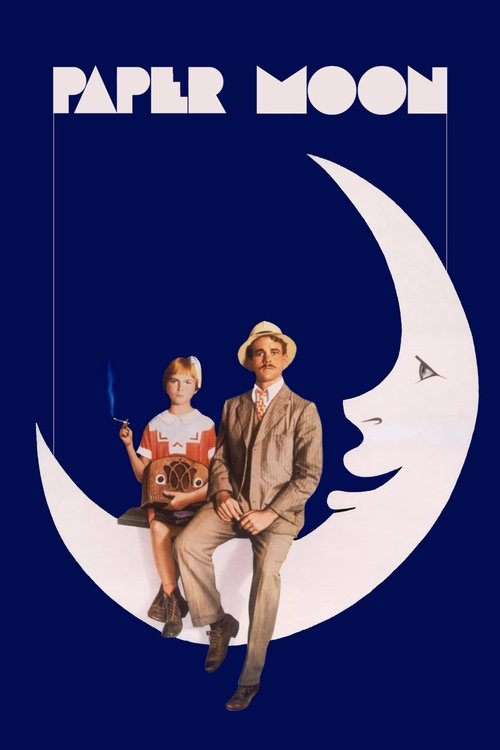
7. Paper Moon
Peter Bogdanovich’s exquisitely crafted Depression-era tale offers a beguiling portrait of unlikely companionship. Ryan O'Neal and his real-life daughter Tatum (who won an Oscar) play a con man and the orphaned girl he reluctantly takes under his wing. Shot in stunning black and white, its nostalgic aesthetic and sharp, witty dialogue perfectly capture the era's grit and resilience, presenting a bittersweet, charming road movie with genuine heart.
8 / 8
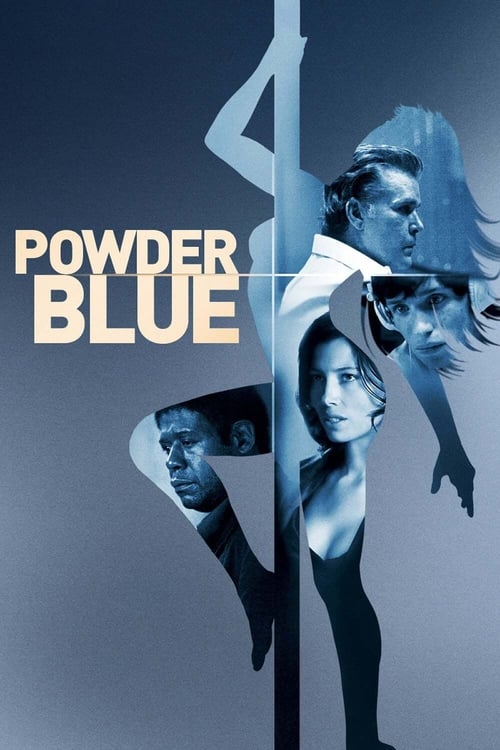
8. Powder Blue
This atmospheric, lesser-known ensemble drama weaves together disparate lives on Christmas Eve in Los Angeles. Featuring a strong cast including Jessica Biel, Forest Whitaker, and Ray Liotta, the film explores themes of loss, connection, and redemption through a series of melancholic, interconnected vignettes. While not without its flaws, its somber mood and underlying message of hope found amidst despair resonate, offering a quiet, reflective viewing experience.