
1 / 6

1. Hosianna Mantra
This wasn't just 'kosmische Musik'; it was spiritual alchemy. Florian Fricke's Moog and the ethereal vocals, alongside acoustic instruments like the tamboura and oboe, created a transcendental soundscape. It predated the New Age craze but possessed an ancient wisdom. The recording, raw yet spacious, allowed every drone and delicate string pluck to resonate, pulling you into a truly immersive, almost sacred, experience. A masterpiece of atmospheric minimalism.
2 / 6
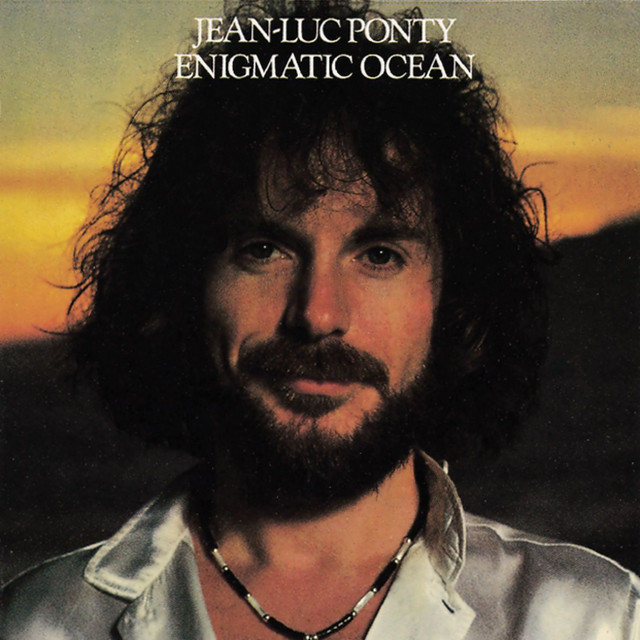
2. Enigmatic Ocean
Ponty's electric violin here felt like a lightning rod for fusion's full potential. With Allan Holdsworth on guitar, this wasn't just technical wizardry; it was deeply emotive. The interplay between searing solos and complex, yet grooving, rhythmic structures was astounding. Recorded with precision, the warmth of the analog synths and the crispness of the drums created a vast, dynamic soundstage, showcasing the peak of jazz-rock's adventurous spirit.
3 / 6
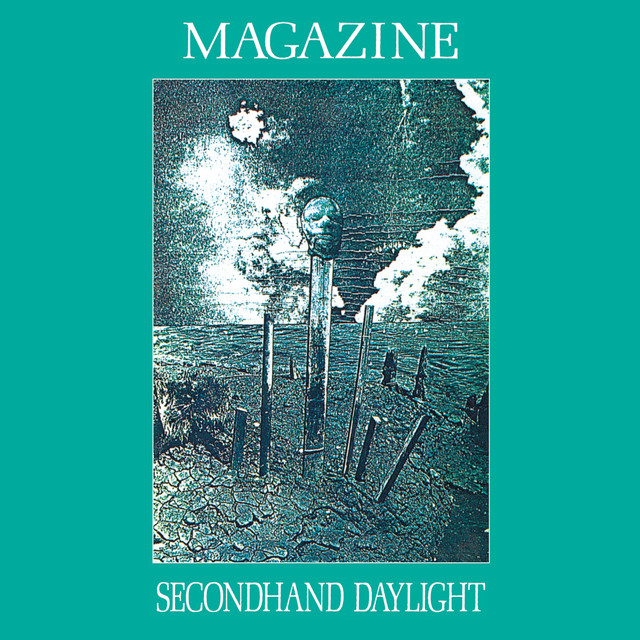
3. Secondhand Daylight
Howard Devoto's lyrical cynicism and Barry Adamson's bass lines were the cornerstones here. This wasn't punk's raw energy, but its intellectual, art-damaged cousin. The angular guitar work, the bleak synth textures, and the tight, almost mechanical drumming forged a sound that felt both modern and deeply unsettling. It was a blueprint for much of the darkwave and coldwave that would emerge, proving post-punk could be truly sophisticated.
4 / 6
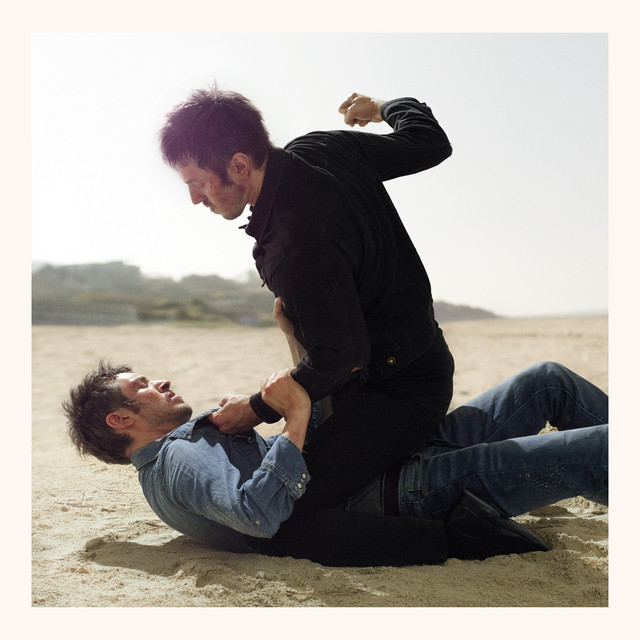
4. Thirst
Imagine The Fixx, but with even sharper edges and a deeper foray into atmospheric tension. This hypothetical 'Thirst' would have merged Rupert Hine's slick production with more overt coldwave sensibilities. The synths would be colder, the drums more industrial-tinged, and Cy Curnin's vocals layered with a new, almost detached urgency. It could have been the dark, art-rock cousin to their more commercial efforts, hinting at the future of synth-driven rock.
5 / 6
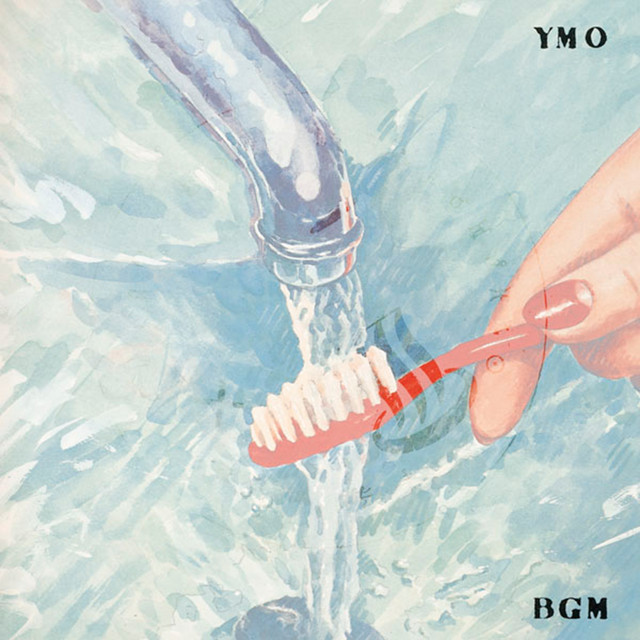
5. BGM
YMO’s "BGM" was practically a manifesto for electronic music's future. Its sparse, almost industrial rhythms and groundbreaking use of the Roland TR-808, alongside Prophet-5 and Moog synthesis, felt revolutionary. The tracks were less pop, more experimental; a chilling, mechanized funk. It wasn't just background music; it was a foretaste of early techno and electro, meticulously engineered in an analog domain, demonstrating how technology could create entirely new sonic palettes.
6 / 6
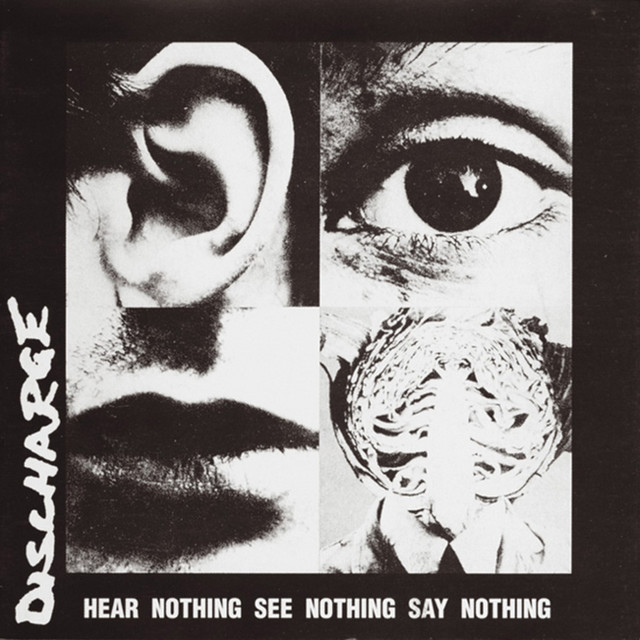
6. Hear Nothing See Nothing Say Nothing
This wasn't just punk; it was a sonic assault weapon. The D-beat, a relentless, pulverizing rhythm, was instantly iconic, paired with distorted, grinding guitar riffs that verged on early metal. Vocals were raw, guttural declarations of social disgust. The production, while crude by later standards, amplified its brutal, visceral impact. It laid the groundwork for crust punk and thrash metal, showing how pure aggression could be meticulously crafted.