

1 / 7
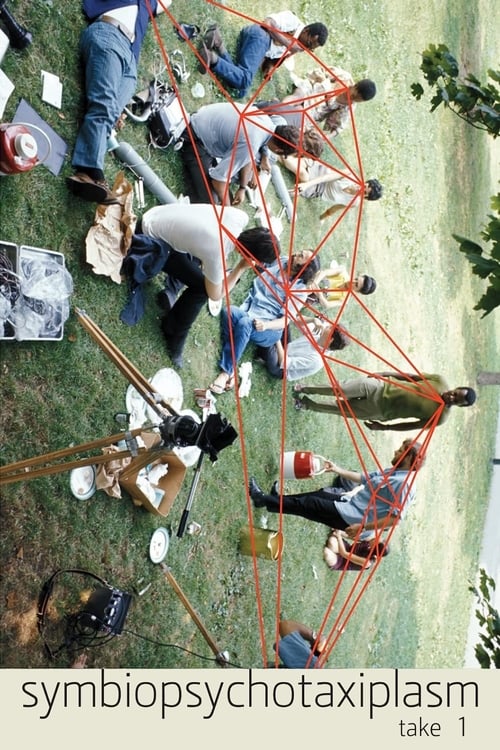
1. Symbiopsychotaxiplasm: Take One
William Greaves' 1968 film is a dizzying, self-reflexive experiment, documenting a film crew attempting to make a film, while simultaneously documenting themselves documenting the process. It's a fascinating deconstruction of cinematic truth, authorship, and power dynamics, blurring lines between performance and reality. Greaves, as the director within the film, orchestrates a challenging, often confrontational, exploration of creativity under pressure, leaving viewers to question what they're truly watching. A foundational text in meta-cinema.
2 / 7
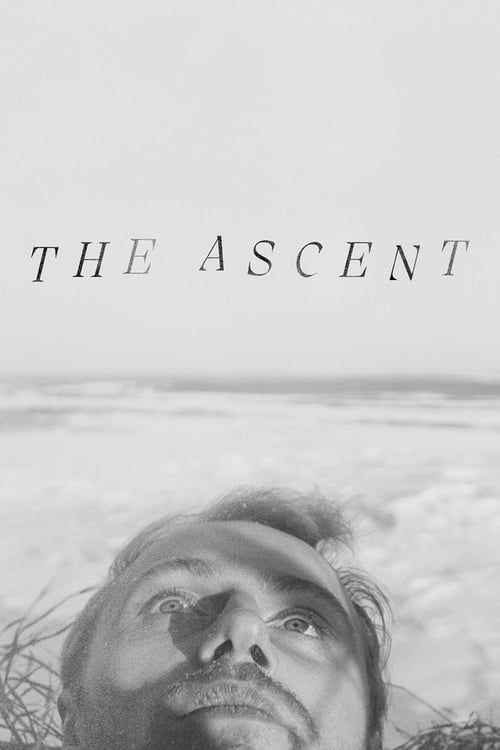
2. The Ascent
Larisa Shepitko's final masterpiece from 1977 plunges into the moral abyss of World War II, following two Soviet partisans captured by the Germans. It's a stark, unsparing examination of faith, betrayal, and the human spirit's breaking point under extreme duress. The unforgiving winter landscape mirrors the internal struggles, rendering a profoundly spiritual and deeply unsettling narrative. Shepitko crafts a visually arresting and emotionally resonant parable about sacrifice and the true cost of survival, cementing its place as a harrowing anti-war epic.
3 / 7

3. Killer of Sheep
Charles Burnett's 1978 seminal work offers a poetic, unvarnished glimpse into the daily life of a slaughterhouse worker in Watts, Los Angeles. Shot on weekends over several years with non-professional actors, it’s a neorealist masterpiece that captures the quiet desperation and fleeting joys of the working-class Black experience. Burnett masterfully weaves a tapestry of mundane struggles, familial love, and the search for dignity amidst pervasive economic hardship. Its raw, lyrical beauty resonates deeply, an essential, empathetic portrait.
4 / 7
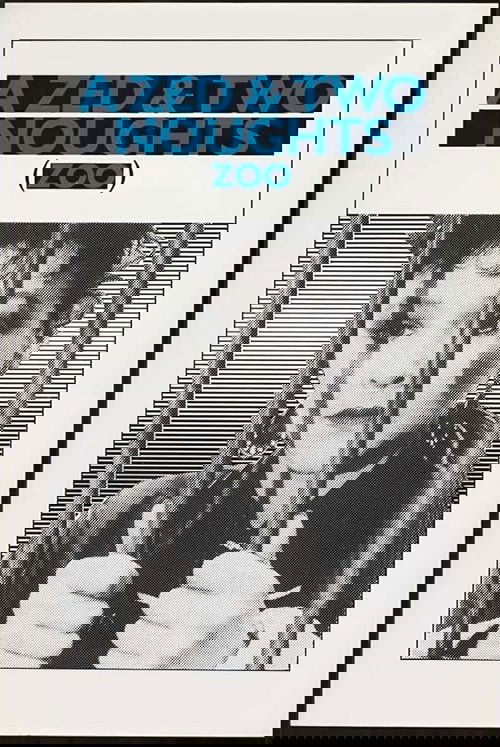
4. A Zed & Two Noughts
Peter Greenaway's 1985 work is an exquisite, if unsettling, tableau of grief and obsession. Following twin zoologists whose wives die in a car crash involving a swan, it descends into a meticulously composed, darkly humorous exploration of decay, symmetry, and the natural world. Greenaway's signature visual artistry and intellectual rigor are on full display, creating a stylized, operatic examination of life, death, and the bizarre beauty found in decomposition. It's a challenging, yet visually arresting, experience.
5 / 7
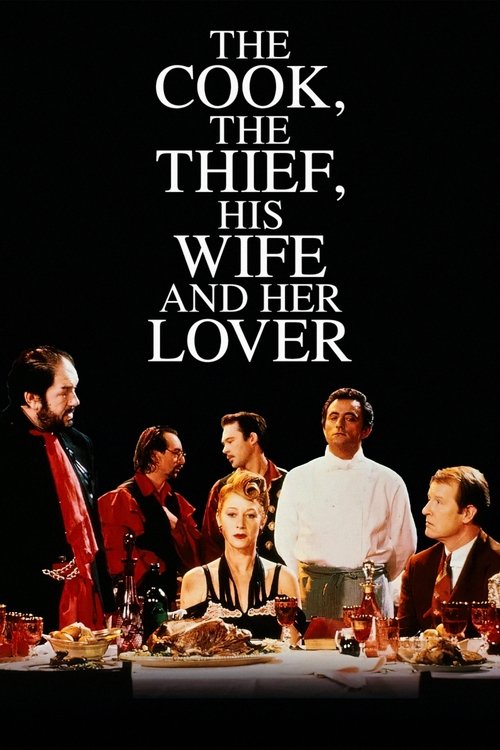
5. The Cook, the Thief, His Wife & Her Lover
Peter Greenaway's audacious 1989 film is a visceral, allegorical feast for the senses, set almost entirely within a high-end French restaurant. It's a brutal, baroque tale of gluttony, revenge, and transgression, where sumptuous visuals clash with shocking violence. Helen Mirren delivers a commanding performance as the suffering wife who finds solace and then vengeance. Greenaway uses color, costume, and theatrical staging to craft a searing indictment of Thatcherite excess and male brutality, a truly unforgettable, unsettling cinematic experience.
6 / 7
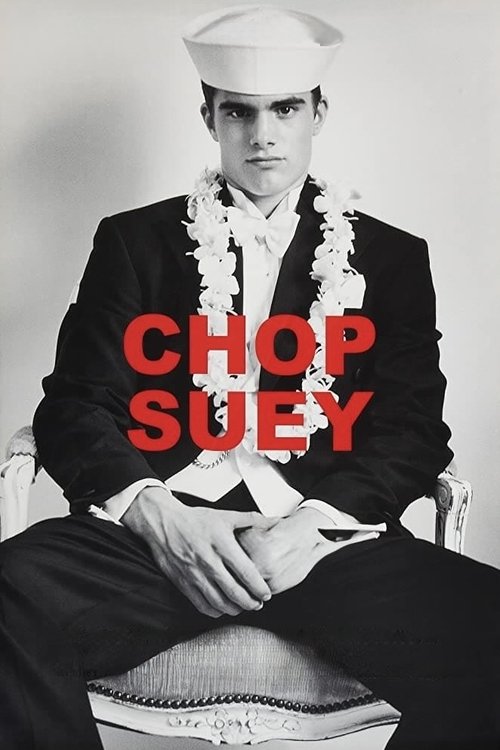
6. Chop Suey
Bruce Weber's 2001 documentary is a sprawling, deeply personal collage of images, interviews, and archival footage, akin to a cinematic scrapbook. It's less a conventional narrative and more an atmospheric exploration of beauty, desire, and the fleeting nature of youth, seen through the lens of Weber's eclectic interests—from fashion to boxing to forgotten legends. This film is a loving, sometimes melancholic, meditation on the people and moments that have shaped the photographer's unique aesthetic vision and worldview, celebrating individuality.
7 / 7
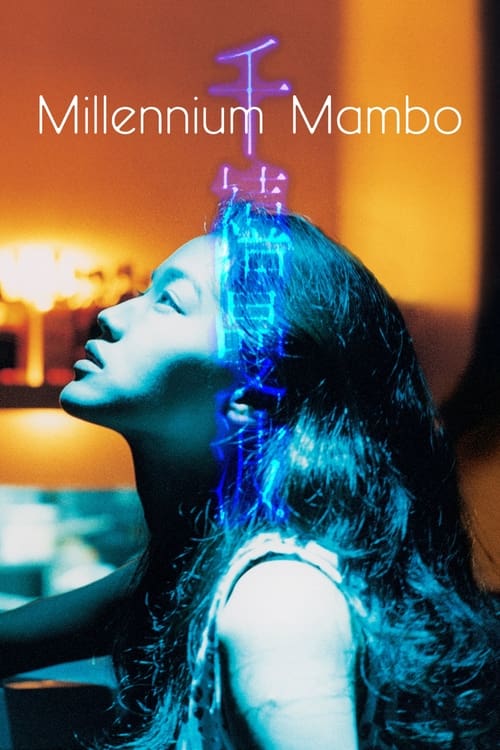
7. Millennium Mambo
Hou Hsiao-Hsien’s 2001 feature is a breathtakingly atmospheric portrait of youth, alienation, and fleeting romance in Taipei. Led by Shu Qi’s mesmerizing performance, the film drifts through dimly lit clubs and neon-soaked streets, capturing the ennui and fragile hopes of a young woman caught in a toxic relationship. Hou's signature long takes and exquisite visual compositions create an immersive, almost dreamlike experience, a profound meditation on memory, time, and the bittersweet passage from youth to adulthood. Pure cinematic poetry.