1 / 11
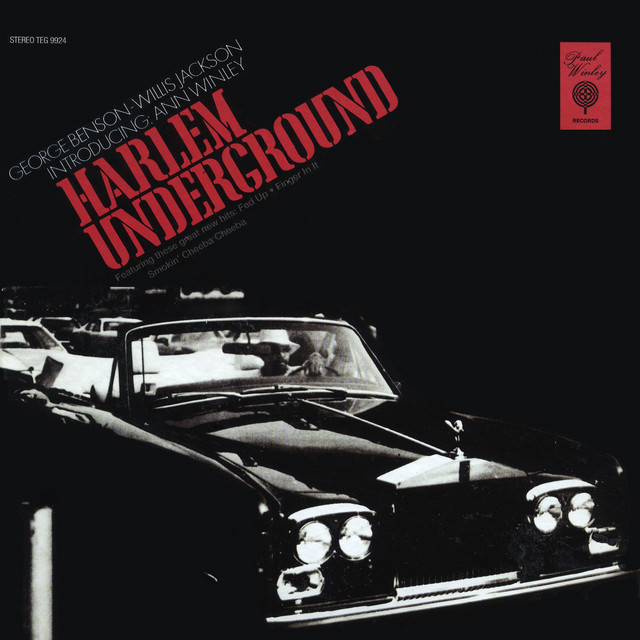
1. Harlem Underground Band
This record is pure, unadulterated early 70s funk, a masterclass in groove before the gloss. The rhythm section is locked tighter than a drum, laying down those foundational breaks that would echo through decades of sampling. You hear the raw energy of live musicians, the horns punching through the mix with an almost visceral quality. It's a testament to pre-digital studio alchemy, where the feel was everything, captured live to tape with an immediate, undeniable swagger. Essential listening for any rhythmic scholar.
2 / 11

2. The Third Reich 'n Roll: pREServed Edition
The Residents, even in 1976, were dismantling pop culture with surgical precision and Dadaist glee. This isn't music as much as it's an auditory collage, a subversive act of re-contextualization, rendering familiar tunes into unsettling, almost alien soundscapes. The 'pREserved Edition' simply underscores its timeless strangeness, a testament to tape manipulation and conceptual art before such things became commonplace. It remains a challenging, yet utterly compelling, listen; a true sonic provocation from the underground's weirder corners.
3 / 11
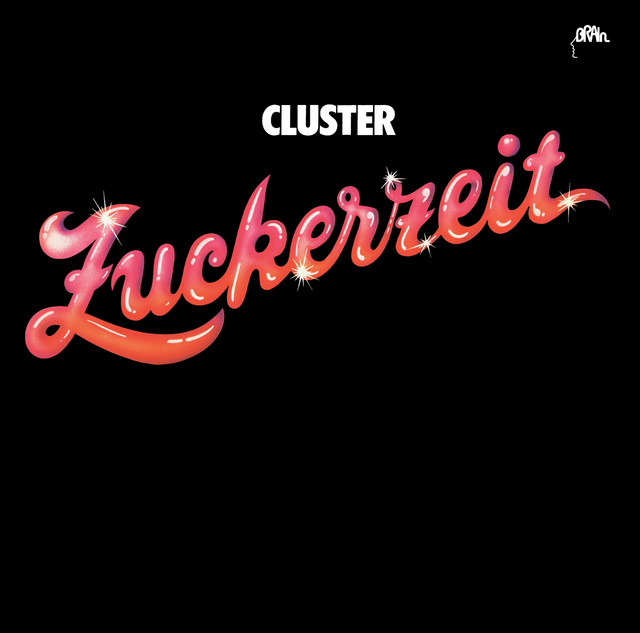
3. Zuckerzeit
Cluster's 1974 offering is an understated marvel, a pastoral vision conjured from early analog synthesizers and minimalist rhythms. It occupies that singular space between ambient introspection and proto-electronic pop, laying groundwork for entire genres without ever sounding self-important. The warmth of the machinery, the seemingly simple melodies, and the deceptively complex interplay create a sonic landscape that feels both organic and utterly alien. It’s a quiet revolution, demonstrating how much mood could be sculpted from a few oscillators and a tape machine.
4 / 11

4. Sunburst
Eddie Henderson's 1975 fusion statement is a vibrant testament to the era's sophisticated studio craft. His trumpet work is fluid and inventive, navigating complex harmonic progressions and intricate rhythmic structures with remarkable ease. The interplay with the Fender Rhodes and a tight rhythm section creates a kaleidoscopic sound, full of unexpected turns and compelling solos. This is jazz-fusion in its prime, balancing technical prowess with an infectious, exploratory spirit, all captured with that rich, analog warmth that defined the best of the decade.
5 / 11

5. Cross Collateral
Passport, with this 1975 release, truly defined the European jazz-rock fusion sensibility. Leader Klaus Doldinger's saxophone work is a highlight, soaring over dense arrangements of synths, electric pianos, and driving percussion. The compositions are ambitious, often venturing into progressive rock territory while maintaining an undeniable funk undercurrent. It's a dynamic, intricate affair, showcasing a band at the peak of their collaborative powers, expertly utilizing the studio as an instrument to weave expansive, compelling sonic tapestries. A foundational text for the genre.
6 / 11
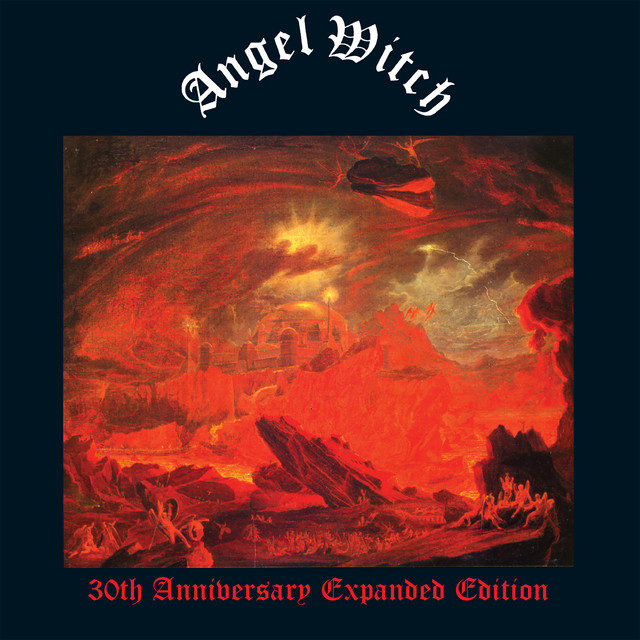
6. Angel Witch (30th Anniversary Edition)
While this is a later edition, Angel Witch's original 1980 debut stands as a cornerstone of the New Wave of British Heavy Metal. It's raw, uncompromising, and absolutely drenched in occult atmosphere. The riffs are sharp, the drumming relentless, and Kevin Heybourne's vocals possess that distinctive, wailing quality. Before thrash splintered the genre, this was the sound of metal evolving, shedding its bluesy skin for something darker and more aggressive. It's a potent blast of pre-digital fury, recorded with a visceral edge that still resonates.
7 / 11
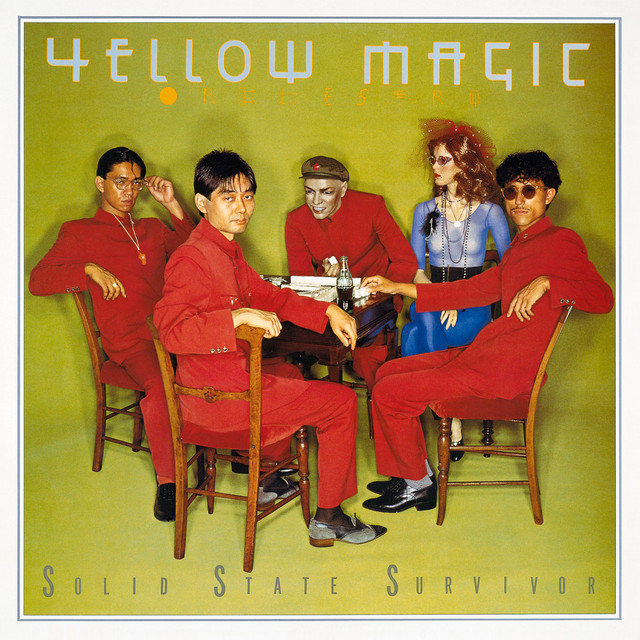
7. Solid State Survivor
Yellow Magic Orchestra's 1979 masterpiece is a blueprint for synth-pop and early techno, delivered with undeniable flair. The pristine analog synthesis, the vocoded vocals, and those meticulously programmed rhythms created a sound that was impossibly futuristic at the time. It’s sleek, catchy, and deeply influential, showcasing a mastery of studio technology that few could match. This album wasn't just ahead of its time; it practically invented a new sonic vocabulary, a testament to Japanese innovation in electronic music production.
8 / 11
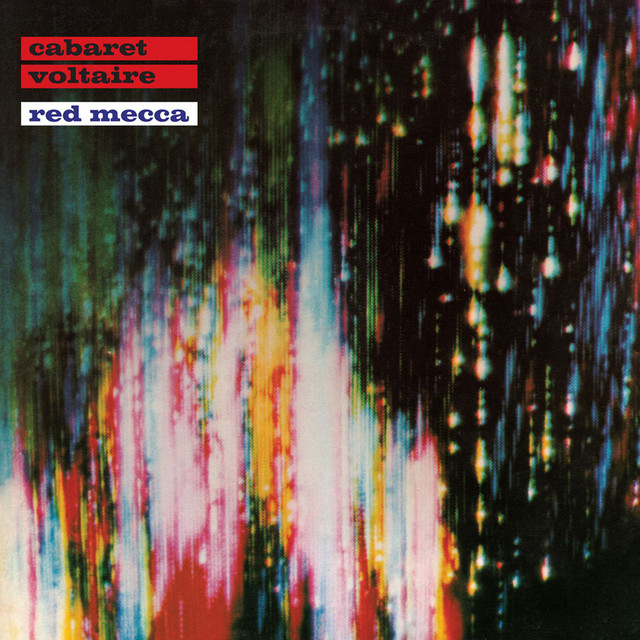
8. Red Mecca
Cabaret Voltaire's 1981 opus is a stark, urban soundscape of industrial dread. Their signature blend of rhythmic loops, found sounds, and distorted electronics creates an oppressive yet compelling atmosphere. It’s less about melody and more about texture and repetition, reflecting the grim realities of early 80s post-industrial Britain. The raw, almost brutalist approach to production, relying on analog manipulation and tape collage, makes it a visceral experience. This is the sound of the machine age collapsing in on itself, meticulously crafted in the studio.
9 / 11
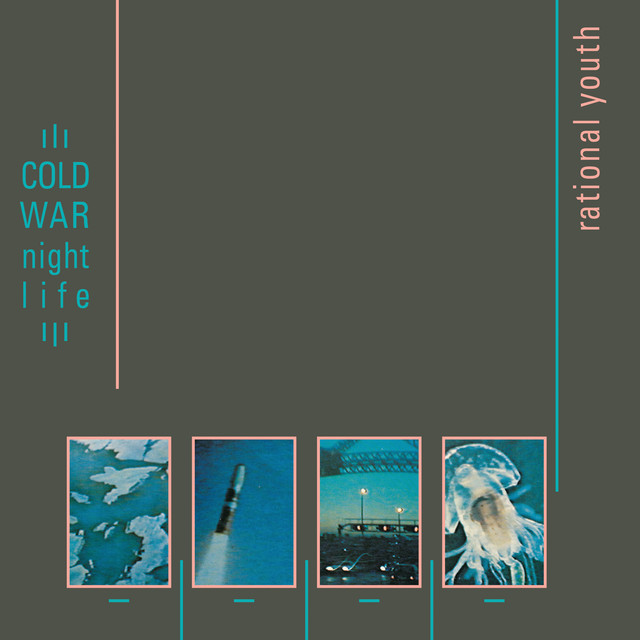
9. Cold War Night Life (Expanded)
Rational Youth's 1982 debut, even in its 'expanded' form, captures the quintessential coldwave aesthetic with chilling precision. The synthesizers are upfront and icy, crafting melancholic melodies over driving, often minimalist, drum machine patterns. It’s an album steeped in early 80s anxieties, yet delivered with a detached, almost romantic, sensibility. The production is sharp and clean for its era, showcasing how effective analog synthesis could be in conveying mood without overt aggression. A foundational Canadian synth-pop statement, still resonant.
10 / 11
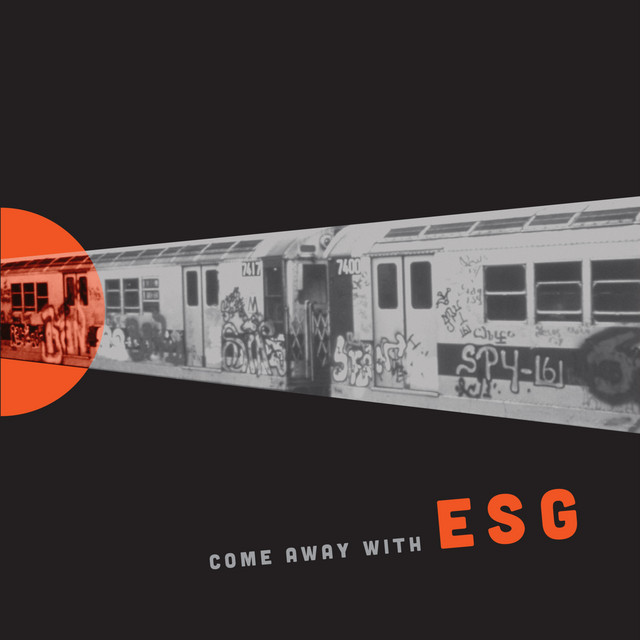
10. Come Away with ESG
ESG’s 1983 debut EP is a masterclass in rhythmic minimalism. Stripped down to its bare essentials – a relentless bassline, sharp, economical drums, and sparse vocal chants – it created a unique, infectious groove. This wasn't about flashy production; it was about the hypnotic power of repetition and the raw energy of the performance, captured with an immediacy that still feels fresh. It bridged post-punk, funk, and early hip-hop's rhythmic patterns, proving that less could indeed be far, far more in the right hands.
11 / 11
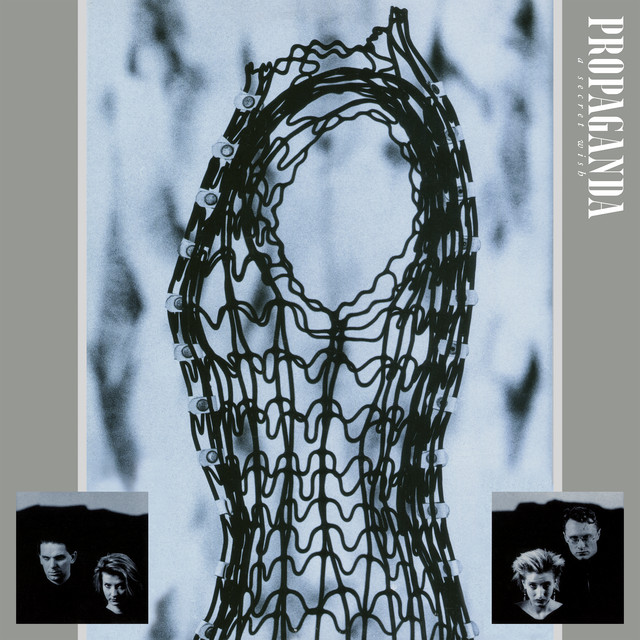
11. A Secret Wish (Analogue Sequence)
Propaganda's 1985 debut, regardless of specific remaster, remains an opulent, dramatic synth-pop spectacle. Produced by Trevor Horn, it's a testament to the Fairlight CMI and ZTT's maximalist philosophy, layering grand sonic textures and cinematic arrangements. The German vocals add an exotic, almost detached allure to the sweeping melodies and intricate rhythms. It's art-pop on an epic scale, meticulously constructed in the studio, a gleaming testament to the possibilities of mid-80s analog electronic production before digital saturation took hold.