
1. Homicide: Life on the Street
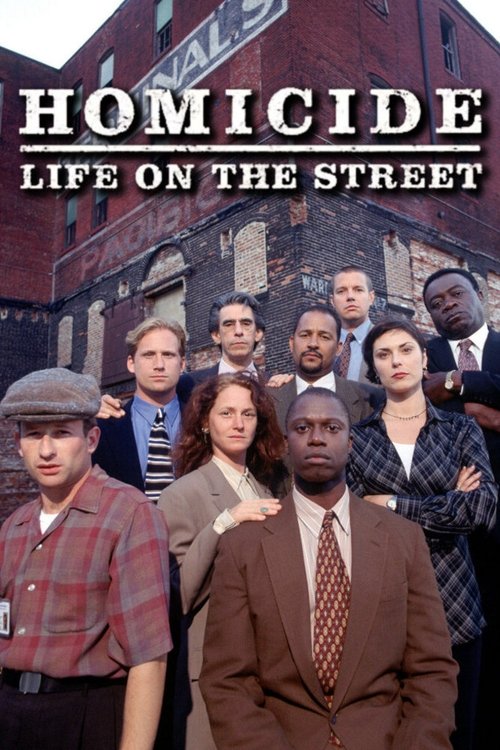
Before everyone was talking about "cinematic television," there was *Homicide*. This show dropped you right into the squad room, all jump cuts and overlapping dialogue, a far cry from your average procedural. It treated its detectives and their cases with an unflinching realism, letting stories breathe over multiple episodes. It proved network TV could be as complex and serialized as anything cable was dreaming up, laying groundwork for character-driven drama that felt utterly authentic.
2. Oz
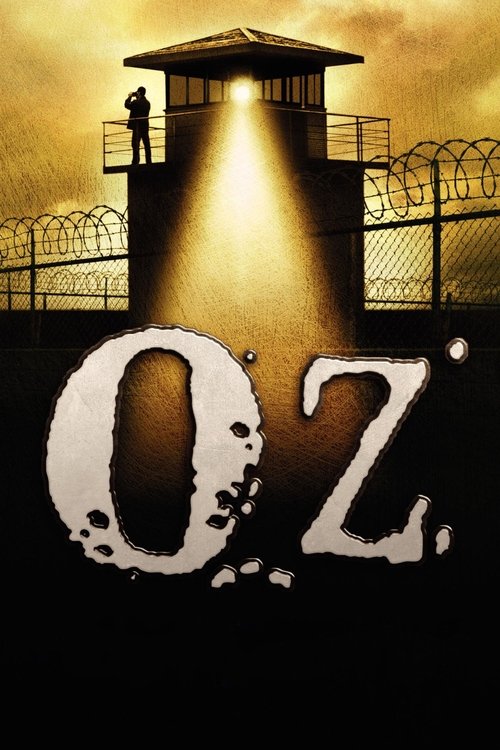
HBO needed something to really announce its arrival in original drama, and *Oz* delivered a gut punch. This wasn't some sanitized network fare; it was raw, violent, and utterly uncompromising. Inside Emerald City, every character, every faction, was battling for survival. It cemented HBO's reputation for taking risks, demonstrating that serialized, morally complex storytelling could thrive when unshackled from broadcast constraints. A true game-changer for cable's prestige ambitions.
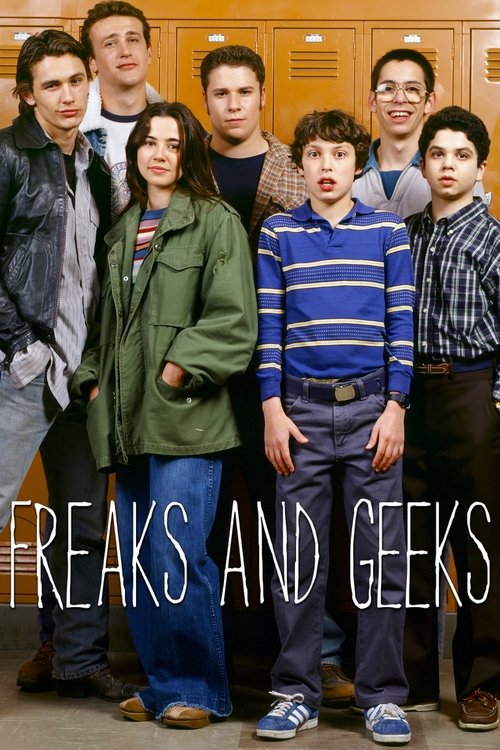
3. Freaks and Geeks
Only lasted one season, but *Freaks and Geeks* carved out a legend. It nailed the awkward, heartbreaking reality of high school without a shred of sentimentality or typical sitcom gloss. The cast, a who's who of future stars, felt like real kids, not Hollywood archetypes. It showed that deeply empathetic, character-driven storytelling, even in a comedic vein, could resonate profoundly, even if network executives didn't quite get it at the time. A true cult classic.
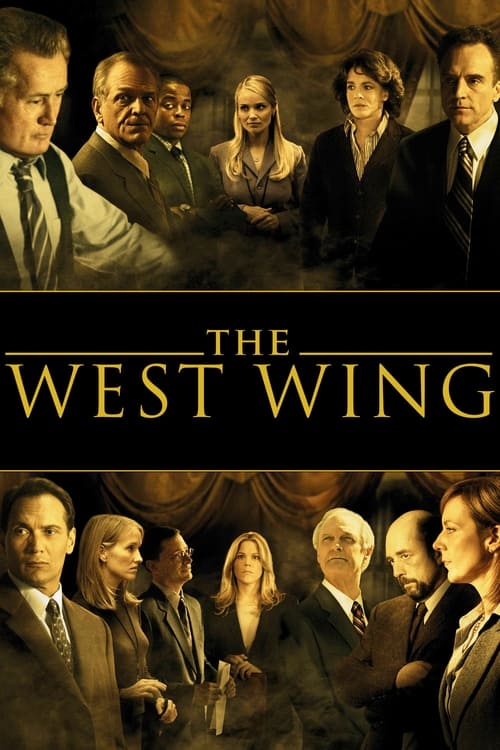
4. The West Wing
Aaron Sorkin's walk-and-talks became iconic for a reason. *The West Wing* wasn't just a political show; it was a masterclass in intelligent, rapid-fire dialogue and deeply moral storytelling. It made you believe in the idealism of public service, even while showing its inherent complexities. This was network television operating at its absolute peak, proving that an ensemble drama could tackle weighty subjects with both wit and heart, keeping audiences hooked on every policy debate.
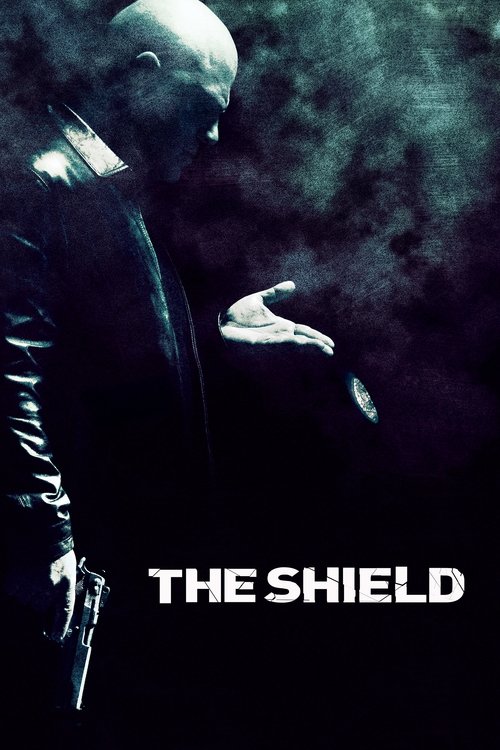
5. The Shield
FX threw its hat into the prestige ring with *The Shield*, and it hit hard. Vic Mackey wasn't just an anti-hero; he was a full-blown moral conundrum, a cop who did terrible things for what he believed were the right reasons. This show didn't shy away from the brutal realities of policing or the corrupting nature of power. It established FX as a serious player, willing to explore the darkest corners of human nature with serialized grit.
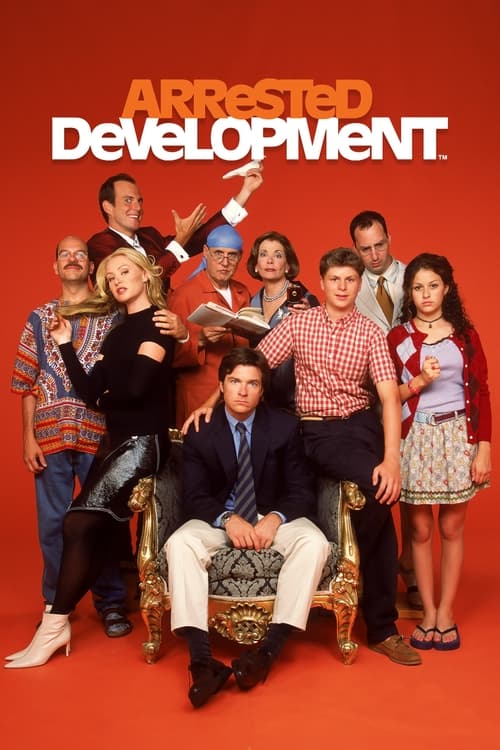
6. Arrested Development
Before everyone was talking about "binge-watching," *Arrested Development* was practically begging for it. This was a comedy built like a puzzle box, every episode stuffed with callbacks, running gags, and meta-commentary. The mockumentary style gave it a unique, observational edge, showcasing a truly dysfunctional family. It pushed the boundaries of sitcom structure, proving that audiences were ready for smart, serialized humor that rewarded close attention and repeat viewings.
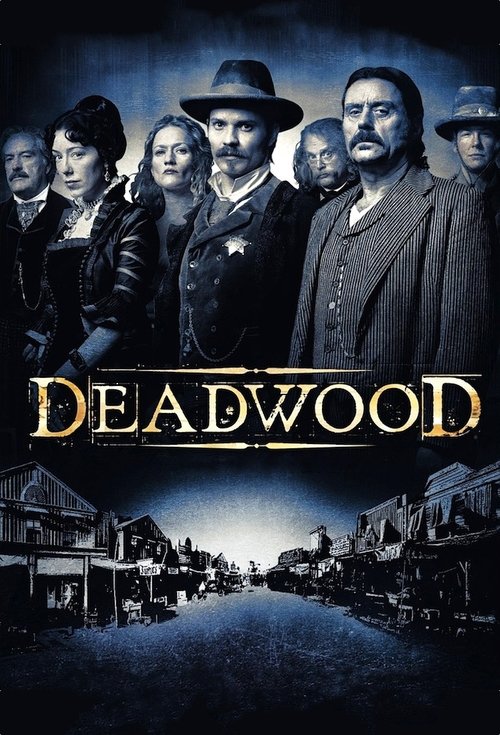
7. Deadwood
Deadwood was like nothing else on TV. It took the Western, a genre thought dead, and breathed raw, poetic life into it with David Milch's unparalleled dialogue. Every character, from the foul-mouthed Al Swearengen to the morally conflicted Seth Bullock, felt lived-in and real. It was a serialized, cinematic epic, proving HBO could craft historical dramas with a literary sensibility, pushing boundaries with its language and uncompromising vision.

8. The Comeback
Lisa Kudrow's *The Comeback* was ahead of its time, a masterclass in cringe comedy wrapped in a mockumentary about a fading sitcom star. Valerie Cherish's desperate grasp for relevance felt uncomfortably real, a prescient look at the burgeoning reality TV landscape and the relentless pursuit of fame. It was bold, often painful to watch, and showcased HBO's willingness to experiment with form and uncomfortable truths, proving comedy could be deeply unsettling.