
1. Primer
Shane Carruth's lo-fi time travel puzzle remains an unparalleled feat of independent cinema. Its complex narrative, built on recursive timelines and bootstrap paradoxes, rewards diligent re-watching, revealing new layers of its cerebral architecture. The film doesn't explain; it immerses, demanding active participation from its audience to piece together its intricate, mind-bending mechanics. It’s a testament to how intellectual rigor can elevate a seemingly simple premise into something profoundly disorienting.
2. Brazil
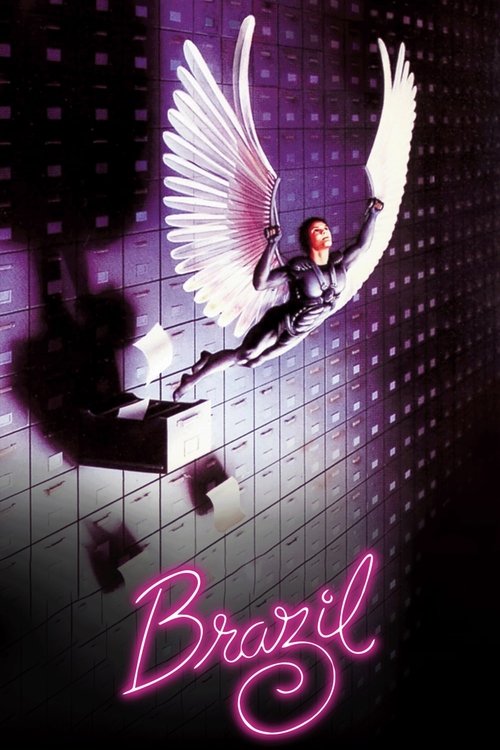
Terry Gilliam's dystopian masterpiece is a fever dream of bureaucratic absurdity and crushing totalitarianism. Sam Lowry's escape into fantasy offers a poignant, darkly comedic reflection on individuality suffocated by an omnipresent, illogical system. Its visual inventiveness and scathing satire feel increasingly relevant, a surreal, often horrifying, prophecy of consumerism and control. The film's ending, particularly, solidifies its status as a bleak, unforgettable classic.
3. The Conformist
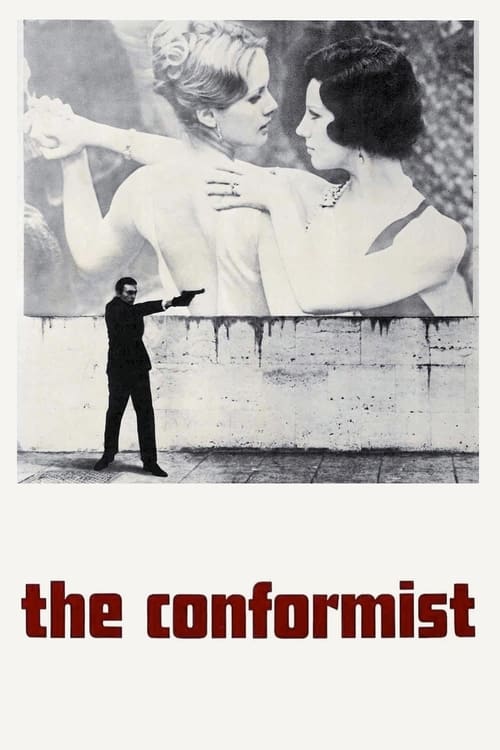
Bernardo Bertolucci's visually stunning exploration of fascism delves into the psychology of Marcello Clerici, a man desperate to conform. Its breathtaking cinematography, steeped in Art Deco grandeur and chiaroscuro, elevates the narrative beyond mere political commentary. The film dissects moral compromise and the seduction of power, creating an unsettling portrait of an individual erasing himself to fit into a monstrous ideology. It's a masterclass in how aesthetics can reflect internal turmoil.

4. Cure
Kiyoshi Kurosawa’s chilling psychological horror unravels with a hypnotic, unsettling rhythm. A series of gruesome murders, each perpetrator confessing readily but without memory of the act, pushes Detective Takabe into a labyrinth of existential dread. The film's power lies in its ambiguity, exploring the insidious nature of suggestion and the fragility of identity. Its slow-burn terror resonates long after viewing, leaving an unnerving sense of inexplicable evil.
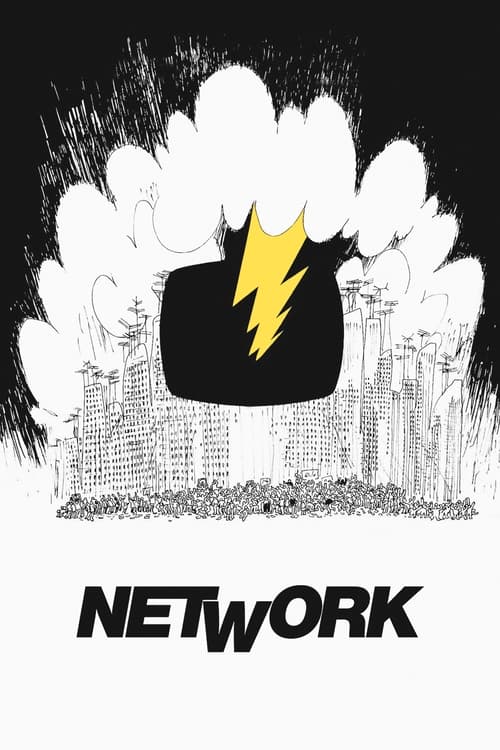
5. Network
Paddy Chayefsky’s prescient satire of television news is eerily contemporary. Howard Beale's descent into madness and subsequent elevation as a prophet for the enraged masses exposes the media's hunger for spectacle over substance. Sidney Lumet's direction amplifies the hysteria, creating a searing indictment of corporate manipulation and societal apathy. It's a furious, brilliant scream into the void, warning us about the commodification of truth.
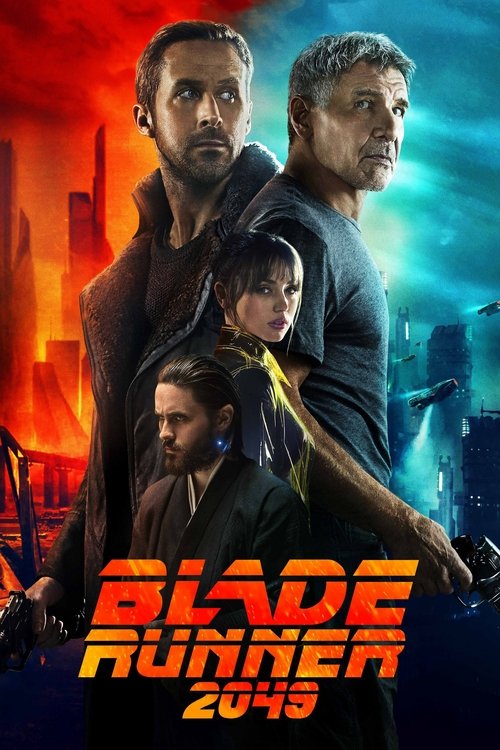
6. Blade Runner 2049
Denis Villeneuve's sequel expands upon the original's philosophical landscape with stunning visual poetry and a profound sense of melancholic existentialism. Officer K's search for identity amidst a decaying, technologically advanced world deepens the questions of what it means to be human. Its deliberate pace and immaculate production design craft an immersive, haunting experience, solidifying its place as a thoughtful, visually arresting piece of neo-noir science fiction.
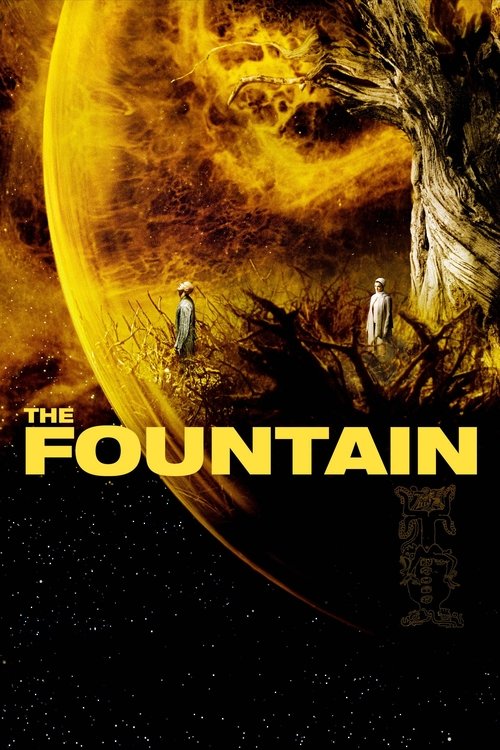
7. The Fountain
Darren Aronofsky’s ambitious, non-linear epic navigates love, loss, and the eternal search for immortality across three distinct timelines. Hugh Jackman and Rachel Weisz anchor this visually opulent, deeply symbolic film, which blends historical quest, scientific pursuit, and cosmic spiritualism. Its emotional core, though abstractly presented, pulses with raw grief and yearning, inviting viewers to ponder the cyclical nature of life and death. A truly unique and divisive vision.

8. Valerie and Her Week of Wonders
Jaromil Jireš's surreal Czech New Wave fairy tale is a dreamlike, erotic coming-of-age story. Valerie’s journey through a waking nightmare of vampiric priests and lustful relatives is steeped in lush, symbolic imagery. The film operates on a logic of its own, blending innocence with burgeoning sexuality, making it a beguiling, often disturbing, exploration of adolescent awakening. It’s a hypnotic, unforgettable cinematic poem.
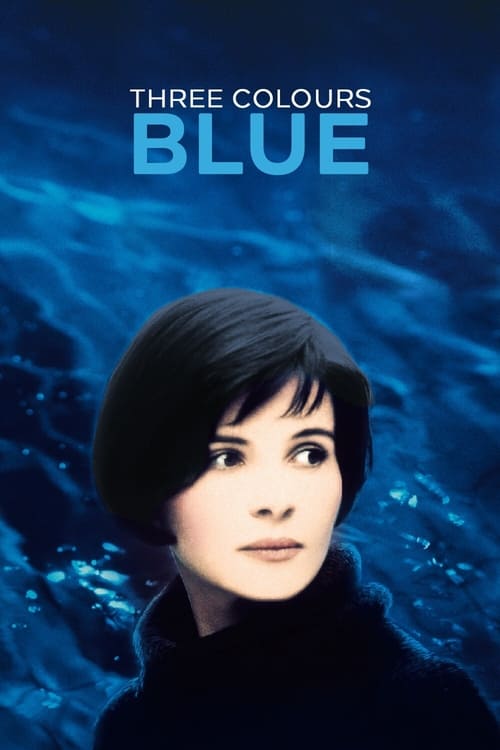
9. Three Colors: Blue
Krzysztof Kieślowski’s profound meditation on grief and freedom is anchored by Juliette Binoche’s raw, restrained performance as Julie. After losing her family, Julie attempts to shed all emotional attachments and live a life devoid of memory. The film uses color, music, and quiet observation to explore the arduous path to healing, questioning whether true liberation can ever come from absolute detachment. It's an exquisitely crafted, deeply moving human drama.
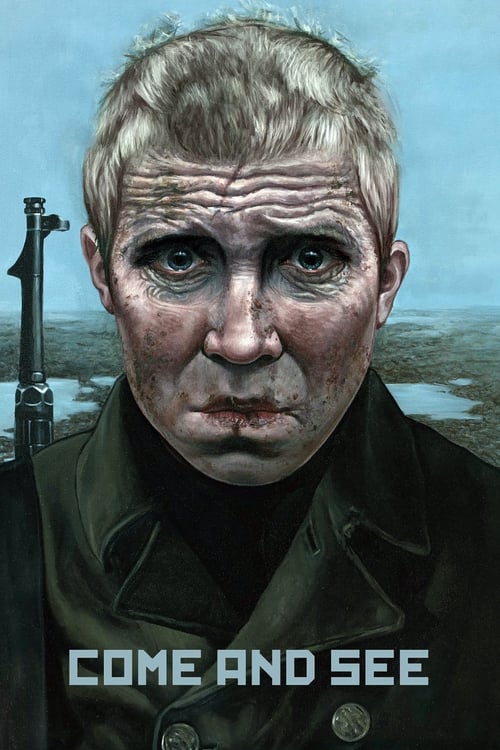
10. Come and See
Elem Klimov’s harrowing Soviet war film plunges viewers into the visceral horrors of World War II through the eyes of young Florya. Its unflinching depiction of atrocities committed by Nazi forces in Belarus is relentlessly brutal, a psychological assault that eschews heroism for stark, unforgettable realism. The film's sound design and Florya's deteriorating mental state combine to create an experience that is less a movie and more a profound, scarring testimony.
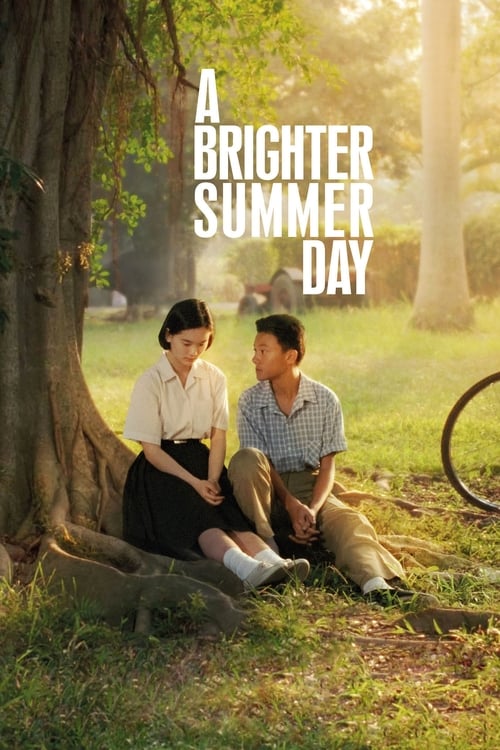
11. A Brighter Summer Day
Edward Yang’s sprawling, four-hour epic captures the angst and moral decay of 1960s Taipei youth. Centered on Si'r and his entanglement with rival gangs, the film meticulously crafts a portrait of a society grappling with identity, influence, and the shadow of political instability. Its patient, observational style allows a complex world to unfold, revealing the tragic consequences of misplaced loyalties and burgeoning disillusionment. A monumental, essential work.