
1. Brazil
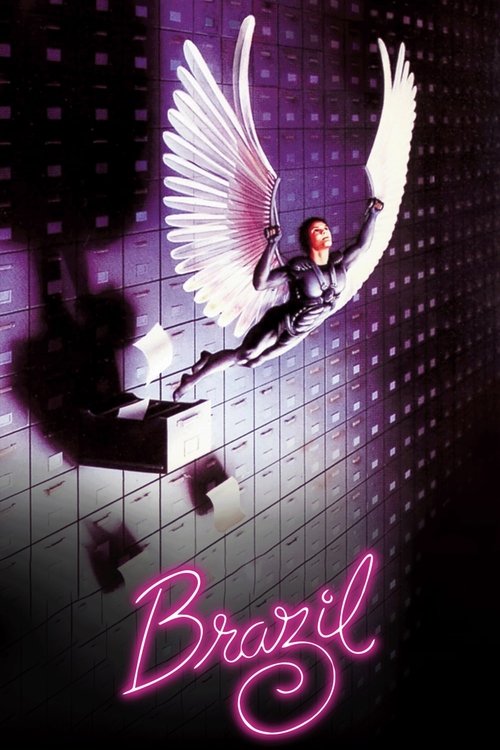
Terry Gilliam’s dystopian masterpiece from 1985 is more relevant now than ever, depicting a bureaucratic nightmare where individuality is crushed under the weight of systemic absurdity. Its surrealist visuals and dark humor feel like a fever dream, constantly challenging your perception of reality and government control. And, it's a stark reminder that even in grim futures, human spirit, however fractured, persists. This film really does rewire how you see the world's gears grind.
2. Come and See
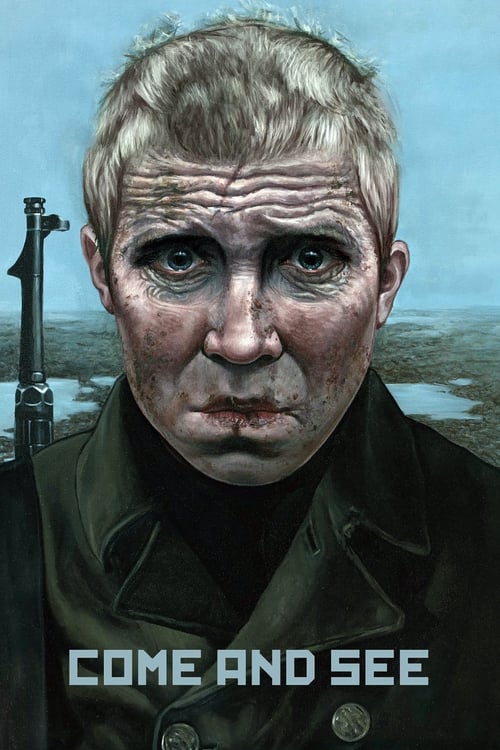
This 1985 Soviet film isn't just a war movie; it's an immersive, unflinching descent into the psychological and physical horrors of World War II's Eastern Front. Directed by Elem Klimov, it forces you to experience the atrocities through a young boy's eyes, his face transforming from innocence to aged trauma. It's relentlessly brutal, visually stunning in its bleakness, and leaves an indelible mark, making many other war dramas feel almost superficial by comparison.
3. Perfect Blue
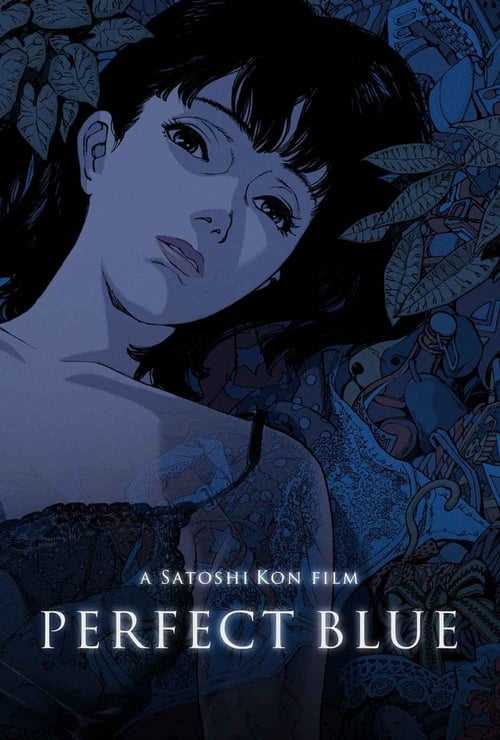
Satoshi Kon's 1998 animated psychological thriller is a dizzying, terrifying exploration of identity, fandom, and the blurred lines between reality and delusion, especially pertinent in our hyper-connected age. Following a pop idol transitioning to acting, it masterfully uses animation to depict her spiraling mental state. And, it's a visual and narrative puzzle box that anticipates many modern anxieties about online presence and celebrity, making it feel eerily prescient.

4. Mandy
Panos Cosmatos’ 2018 revenge epic is a psychedelic, heavy metal-infused fever dream, starring Nicolas Cage in one of his most unhinged and captivating performances. This isn't just a movie; it’s an experience, bathing you in neon-drenched visuals, a thrumming score, and a narrative that escalates into pure, visceral catharsis. It operates on a primal level, bypassing conventional storytelling for a sensory overload that's both horrifying and profoundly beautiful.
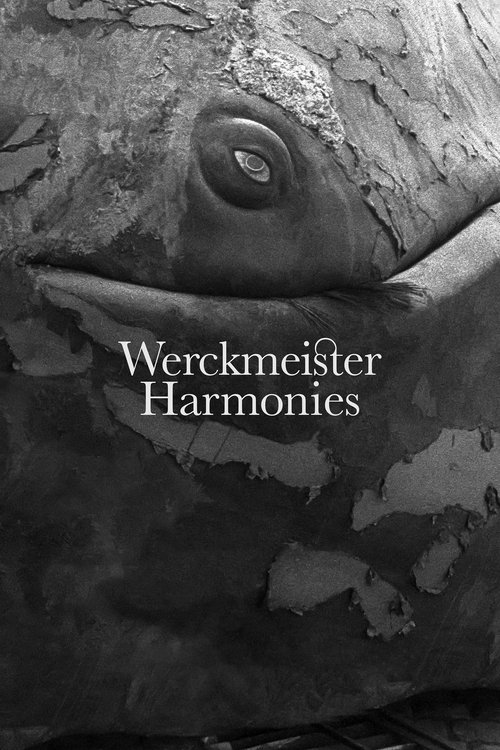
5. Werckmeister Harmonies
Béla Tarr’s 2001 Hungarian film is an exercise in minimalist, black-and-white existential dread, unfolding in long, deliberate takes. It observes a small, isolated town thrown into chaos by the arrival of a mysterious circus and its unsettling centerpiece. The film doesn't explain much; it simply presents, allowing the viewer to absorb its desolate atmosphere and ponder humanity's fragility. It’s a hypnotic, almost meditative watch that redefines cinematic patience and impact.
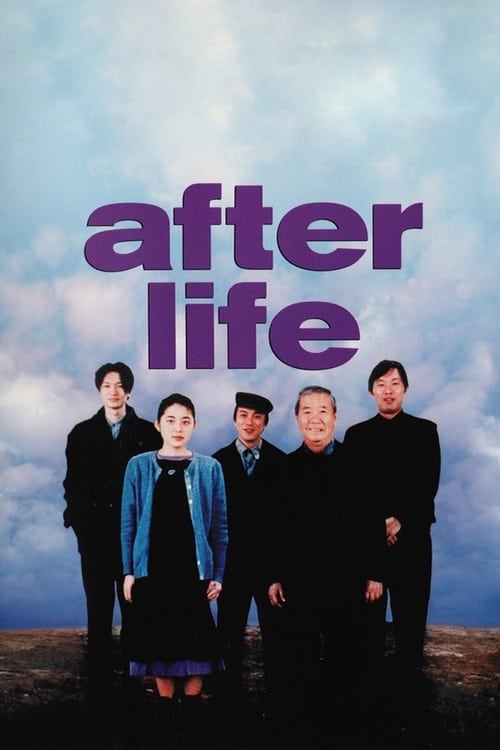
6. After Life
Hirokazu Kore-eda’s tender 1999 film imagines a way station between life and death where recently deceased souls are asked to choose one memory to take with them into eternity. It’s a profoundly moving, deceptively simple premise that delves into the essence of human experience and what we truly value. The film gently prompts you to reflect on your own life's moments, making it a quietly powerful and deeply resonant watch.

7. Le Samouraï
Jean-Pierre Melville’s 1967 neo-noir is a masterclass in cool, minimalist crime cinema. Alain Delon plays Jef Costello, a hitman whose silent, stoic demeanor and precise rituals define his isolated existence. It’s a film built on atmosphere, implication, and the unwritten code of honor among thieves. And, its influence on subsequent thrillers is immense, demonstrating how much can be conveyed through quiet intensity and impeccably framed solitude.
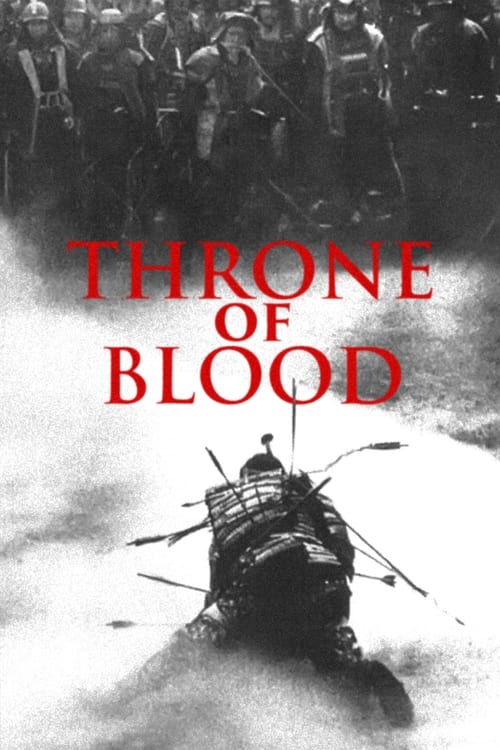
8. Throne of Blood
Akira Kurosawa’s 1957 adaptation of Shakespeare’s *Macbeth* transports the tragedy to feudal Japan, creating a visually stunning and psychologically intense masterpiece. Toshiro Mifune’s performance as Washizu (Macbeth) is electrifying, capturing his descent into paranoia and madness against a backdrop of mist-shrouded castles and brutal warfare. It’s a powerful fusion of Eastern and Western storytelling, proving timeless narratives transcend cultural boundaries with breathtaking force.