

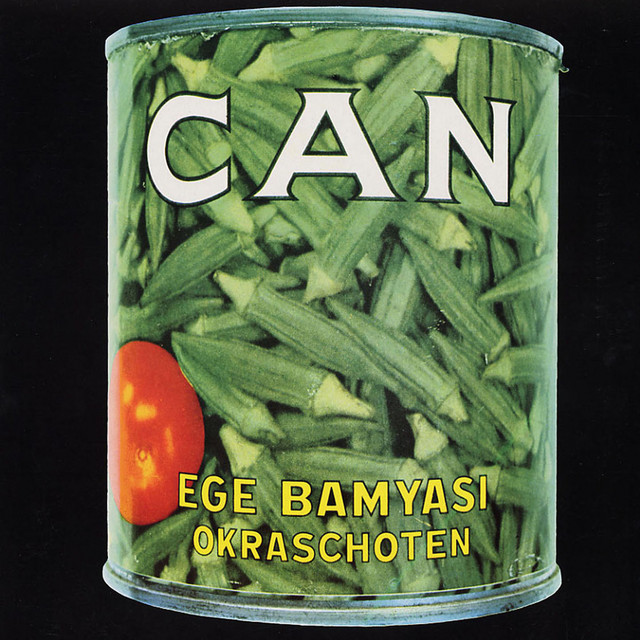
1. Ege Bamyasi (Remastered Version)
This remastered iteration truly lets Can's analog mastery breathe. The original 1972 recordings, steeped in tape manipulation and rhythmic hypnosis, gain a clarity that somehow deepens their psychedelic haze. Holger Czukay’s bass lines remain an unshakeable foundation, while Damo Suzuki’s improvisational vocals float above an intricate web of early electronic textures and organic percussion. It's a testament to pre-digital studio craft, where every edit and splice contributed to its singular, propulsive art-rock narrative. The sonic depth is now undeniable.

2. Inspiration Information/ Wings Of Love
Shuggie Otis's singular vision, captured across these two works, is an analog marvel. "Inspiration Information," recorded largely in his home studio, showcases his multi-instrumental prowess, weaving delicate psychedelic textures through deep funk grooves and soulful introspection. "Wings of Love," the unreleased material, further reveals his audacious blending of jazz, blues, and R&B, all steeped in that warm, pre-digital tape sound. It’s a masterclass in sonic layering and understated brilliance, a true artist's statement that only gained widespread recognition years later.
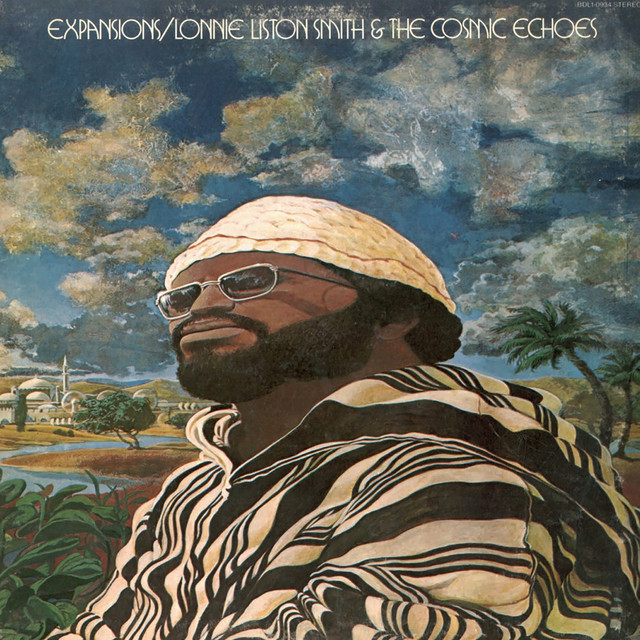
3. Expansions
Lonnie Liston Smith's "Expansions" is a cornerstone of the jazz-fusion movement, a journey into cosmic consciousness propelled by his distinctive Fender Rhodes and a tight, grooving rhythm section. The production, typical of mid-70s analog studios, balances warmth with clarity, allowing the intricate interplay between synth melodies and percussion to shine. It’s a spiritual, almost meditative experience, yet grounded in an undeniable funk sensibility. This record defines a particular moment where jazz truly embraced broader sonic landscapes without losing its improvisational core.
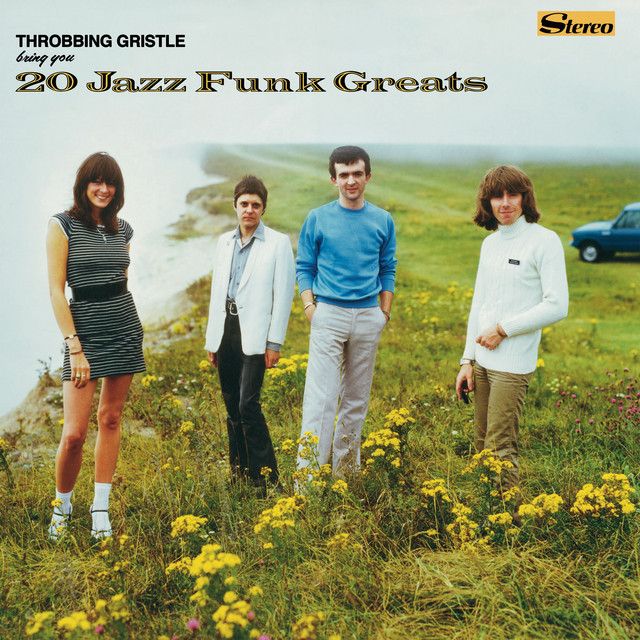
4. 20 Jazz Funk Greats (Remastered)
This remastered edition of "20 Jazz Funk Greats" doesn't polish Throbbing Gristle's raw analog aggression; it merely clarifies the unsettling brilliance of its original production. Recorded with rudimentary pre-digital equipment, it's a stark, confrontational soundscape, deliberately antithetical to its title. The tape hiss and mechanical rhythms, the distorted vocals and found sounds, all coalesce into a genuinely disturbing, yet foundational, work of industrial music. It’s a testament to how creative subversion, even with limited means, could carve out entirely new sonic territories.
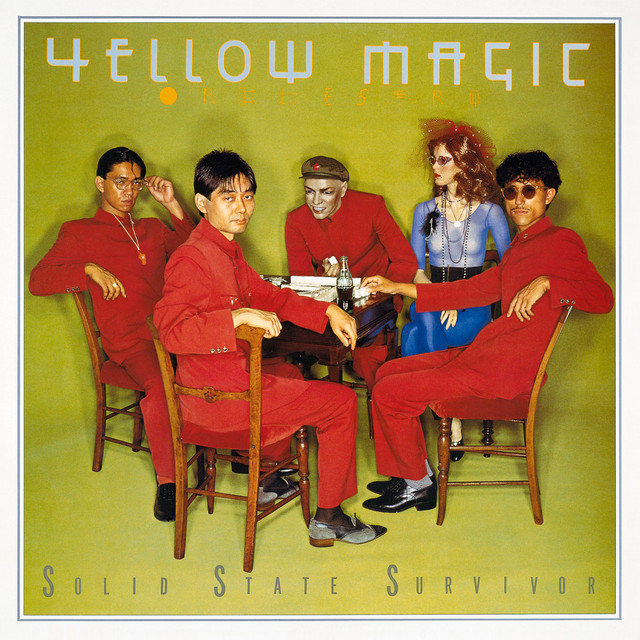
5. Solid State Survivor
Yellow Magic Orchestra's "Solid State Survivor" is a monument to early electronic music, showcasing their mastery of analog synthesizers and drum machines in a pre-digital era. Its crisp, precise rhythms and infectious melodies laid groundwork for both synth-pop and the nascent techno scene. The engineering is impeccable, capturing the distinct character of each Roland and Moog component. It's not just catchy; it’s a blueprint for machine-driven grooves, demonstrating how technology, even in its relative infancy, could craft a sound both futuristic and deeply engaging.

6. Eternal
Jackie McLean’s "Eternal," recorded in 1965 but unreleased until much later, is a potent example of mid-60s hard bop. The analog recording captures the raw energy and intricate improvisations with remarkable fidelity. McLean's alto saxophone, searing and soulful, leads a quartet through modal explorations and tight, swinging rhythms. It's a historically significant document, showcasing an artist at his peak, unburdened by later production trends. The warmth of the tape and the immediate feel of the ensemble create a timeless, visceral jazz experience.
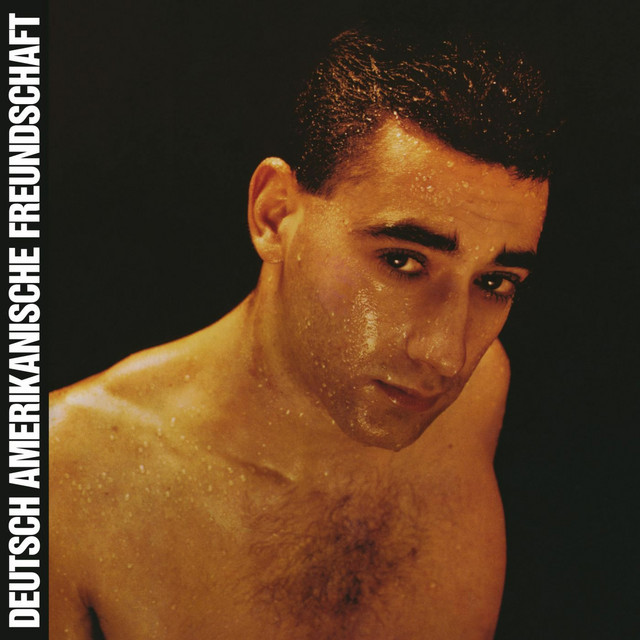
7. Alles Ist Gut
D.A.F.'s "Alles Ist Gut" is a cold, stark, rhythmic powerhouse that foreshadowed much of the industrial and EBM sound. Their minimalist approach—propulsive analog synth basslines, machine-gun drumming, and Gabi Delgado's commanding vocals—was revolutionary for 1981. This record is all about tension and release, a relentless, almost trance-inducing energy born from rudimentary electronic equipment and sheer visceral force. It's a perfectly distilled dose of early 80s coldwave, proving that less instrumentation often meant more impact in the analog domain.
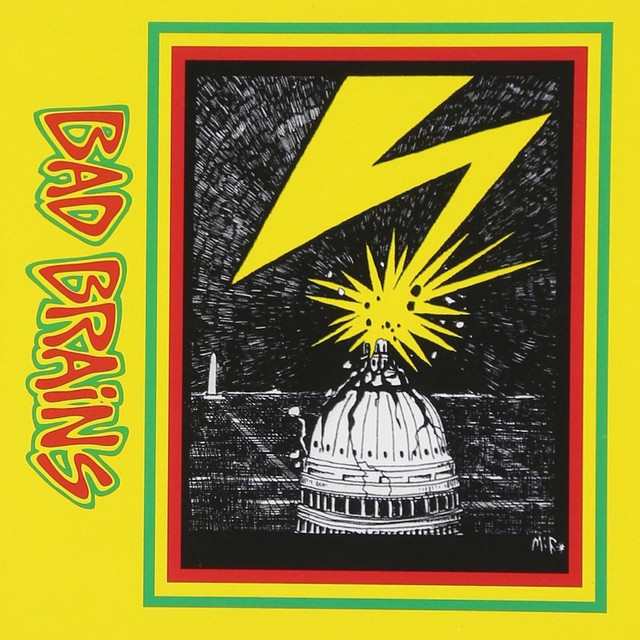
8. Bad Brains
The debut "Bad Brains" LP is a pure, unadulterated blast of hardcore fury, captured with an urgent, visceral analog intensity. From the lightning-fast punk thrash to the unexpected reggae interludes, the band’s virtuosity is undeniable. The raw production, characteristic of early 80s independent punk, perfectly amplifies their explosive energy. It’s a groundbreaking record that redefined speed and aggression in rock music, demonstrating how a tight, powerful unit could push sonic boundaries even within a seemingly simple genre framework. A benchmark for hardcore.
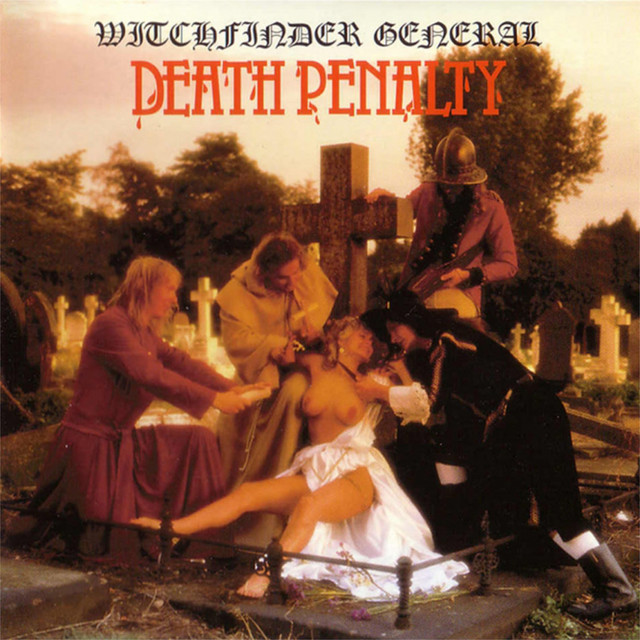
9. Death Penalty
Witchfinder General's "Death Penalty" is a foundational slab of early doom metal, a direct descendant of Sabbath's heaviest moments. Released in 1982, its raw, unpolished analog production perfectly complements the crushing riffs and ominous atmosphere. There’s a palpable sense of dread and primitive power in every track, a stark contrast to the more polished metal emerging concurrently. It's a vital, albeit often overlooked, artifact of heavy metal's evolution, showcasing how minimalist, heavy riffing, captured on tape, could forge an entirely new subgenre.
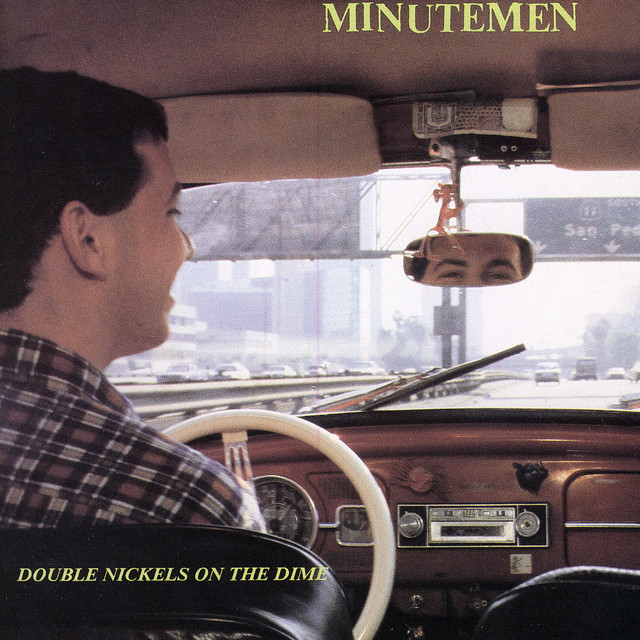
10. Double Nickels on the Dime
Minutemen's "Double Nickels on the Dime" is an expansive, idiosyncratic masterpiece, a sprawling double album that defied easy categorization in 1984. Recorded with a raw, immediate analog feel, it showcases D. Boon's jagged guitar, Mike Watt's propulsive bass, and George Hurley's precise drumming across dozens of short, sharp tracks. It’s a brilliant fusion of punk energy, funk rhythms, and jazz-like improvisation, all delivered with an unpretentious, intellectual fire. This record is a testament to artistic freedom within the pre-digital independent scene.