1. The Sopranos
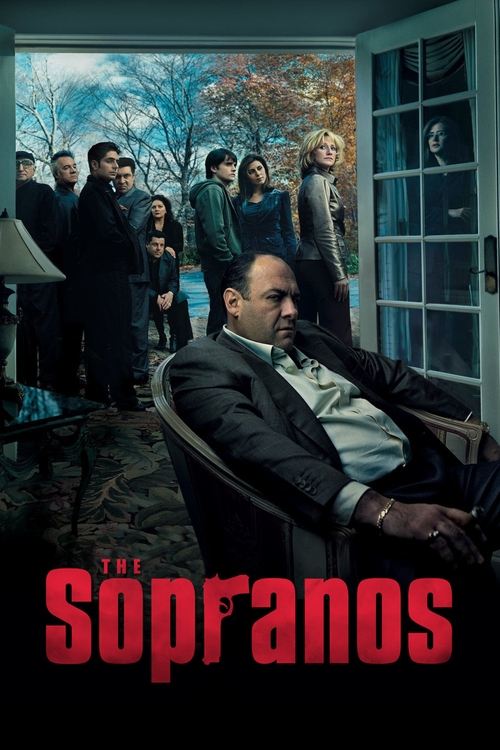
Before Tony Soprano, TV anti-heroes were a different beast. This wasn't just a mob show; it was a deep dive into the crumbling psyche of a man trying to balance family life with brutal business, all while laying on a therapist's couch. HBO let David Chase build an epic, serialized drama that felt more like a novel than network TV, proving audiences would commit to complex characters and long-form storytelling. It set the bar for what cable could achieve.
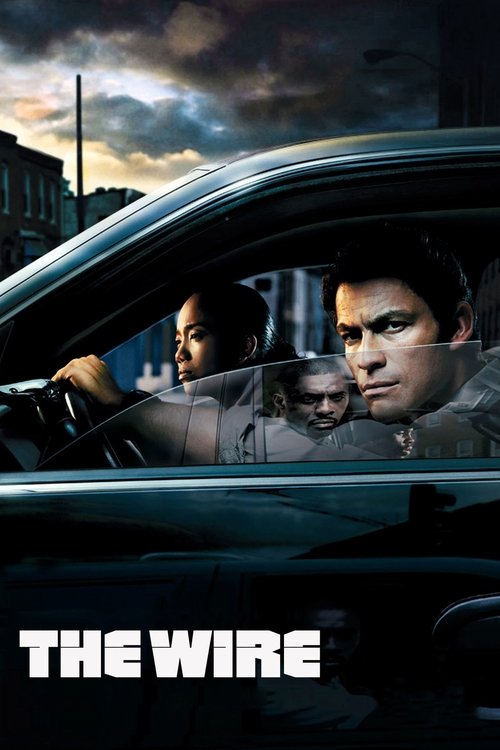
2. The Wire
Forget cops and robbers; *The Wire* was a masterclass in urban sociology, presented as television. Each season peeled back another layer of Baltimore’s institutions – the drug trade, the docks, the schools, the press – showing how everything was connected. Its immense ensemble cast and narrative ambition were unheard of, treating its audience like adults who could handle nuanced, slow-burn storytelling without easy answers. It was appointment viewing that demanded your attention.
3. Six Feet Under
Death was just the beginning for the Fishers. This show took a morbid premise – a family running a funeral home – and turned it into an incredibly intimate, often darkly funny, exploration of life, loss, and the messy business of being human. It gave us deeply flawed, unforgettable characters navigating grief and love over years, proving serialized drama could tackle profound emotional depths without relying on genre tropes. HBO again, pushing boundaries.
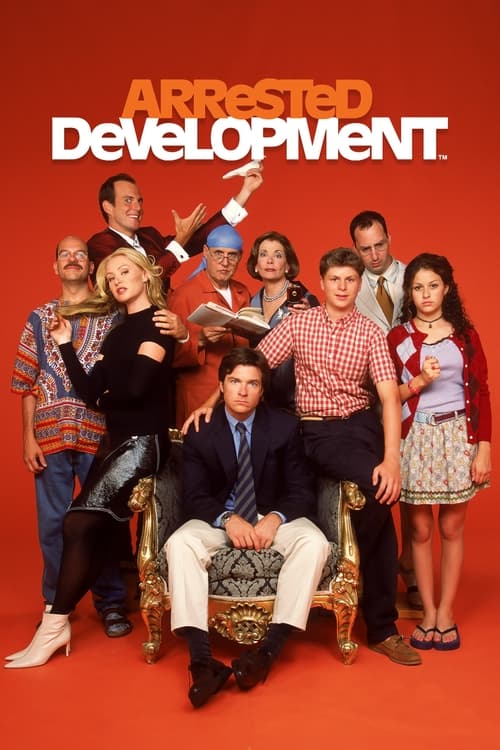
4. Arrested Development
This was a comedy built for the binge, before bingeing was even a word. Its rapid-fire gags, running jokes, and visual callbacks were so dense, you practically needed to rewatch episodes just to catch everything. The mockumentary style gave it a unique edge, capturing the dysfunctional Bluth family in all their delusional glory. It was smart, meta, and proved that a show could trust its audience to keep up with layers of humor.
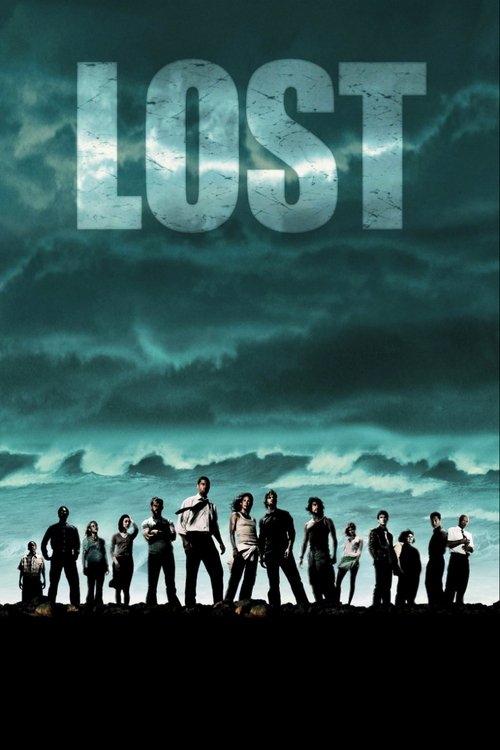
5. Lost
Remember the water cooler talk after every *Lost* episode? This show perfected the "mystery box" narrative, hooking millions with its plane crash survivors and an island full of secrets. It blended sci-fi, drama, and adventure, using flashbacks and flash-forwards to build an intricate, serialized mythology. Its cinematic scope and ensemble cast made network TV feel like an event again, proving audiences craved long-form puzzles.
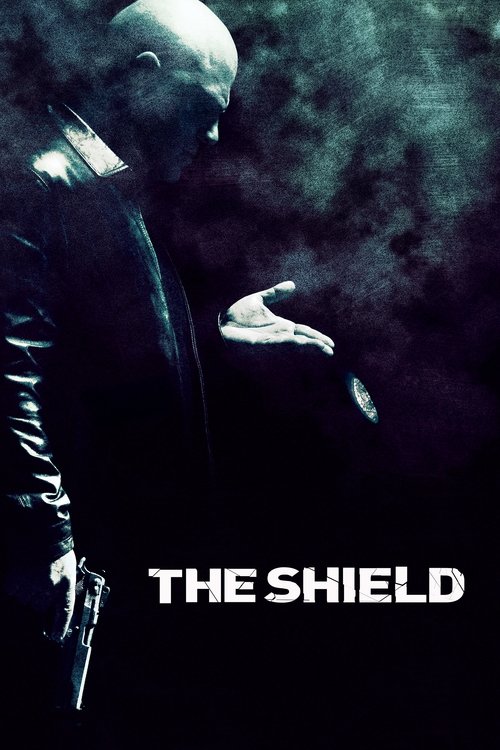
6. The Shield
Vic Mackey wasn’t a hero; he was a brutal cop doing bad things for what he believed were good reasons, and FX let them go there. *The Shield* was raw, gritty, and fearless, tackling police corruption and moral ambiguity head-on. It pioneered the anti-hero on basic cable, pushing the envelope with its serialized storytelling and intense, often uncomfortable, character arcs. It showed that TV could be as morally complex as any movie.
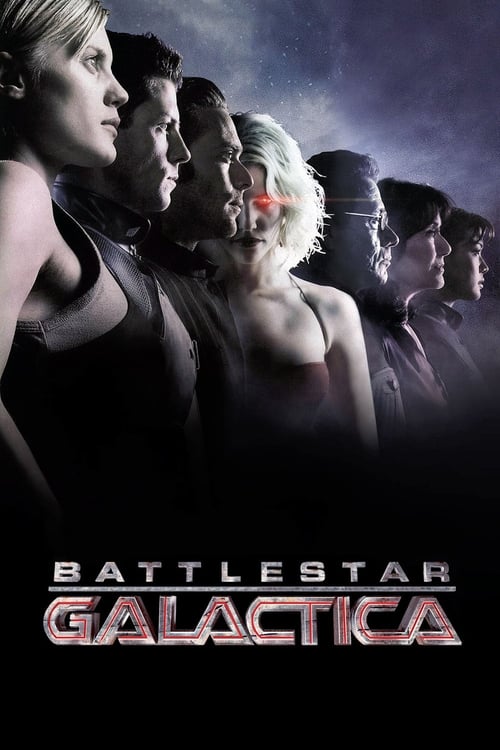
7. Battlestar Galactica
Who knew a reboot of an old sci-fi show could become one of TV's most relevant dramas? *BSG* transcended genre, using its futuristic setting to explore complex themes of war, religion, politics, and humanity's survival. Its serialized narrative, morally gray characters, and cinematic production values elevated sci-fi to prestige television, proving that intelligent, character-driven storytelling could thrive outside traditional drama categories. So say we all.
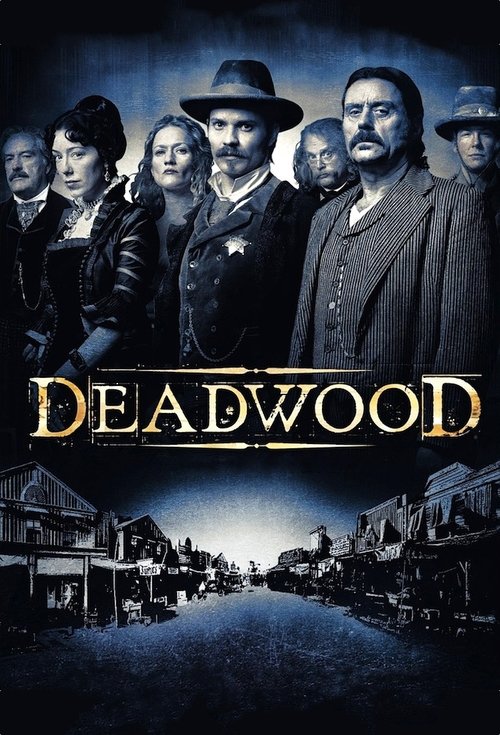
8. Deadwood
Swearing like poets and bleeding like men, *Deadwood* brought the Wild West to life with an unmatched ferocity and lyrical brutality. Its dialogue was a character in itself, dense and poetic, while the show built a world of evolving lawlessness and nascent civilization. HBO again, letting David Milch craft a deeply serialized, character-rich drama that felt utterly authentic and unlike anything else on television. It was history, but elevated.