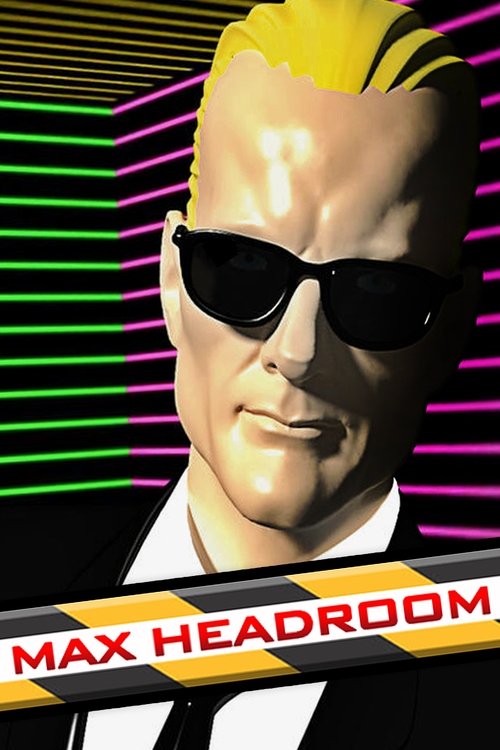
1. Max Headroom
That pixelated visage, born from a car crash and a rogue AI, was a glitchy prophet. Max Headroom wasn't just a character; he was a whole aesthetic. Analog video distortion, neon grid lines, and that stuttering speech hammered home a cyberpunk future built on corporate control and media saturation. It was raw, experimental, and dared to be smarter than network TV usually allowed. A true artifact of visual rebellion.
2. Automan
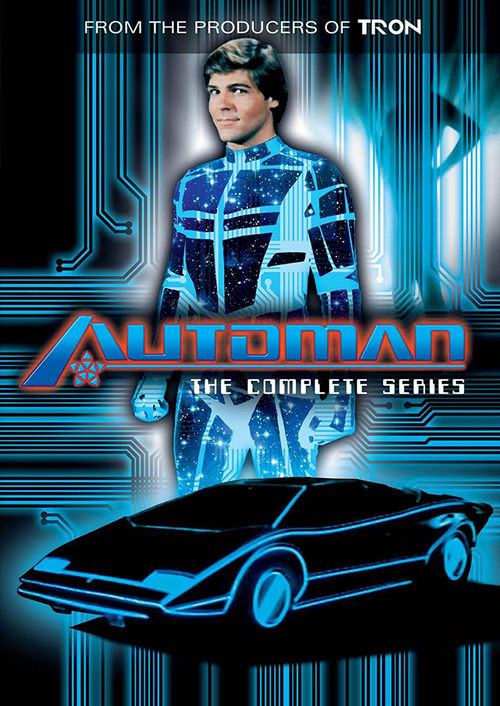
Automan was Saturday morning cartoons gone prime-time, but with actual budget for groundbreaking, if clunky, CGI. That glowing grid pattern, the light-cycle that could turn 90 degrees on a dime – it was pure visual candy. And for a brief moment, it felt like the future of television, even if the plots were paper-thin. A testament to early digital ambition, paving the way for bigger, bolder sci-fi. It was a beautiful, blocky dream.
3. Captain Power and the Soldiers of the Future
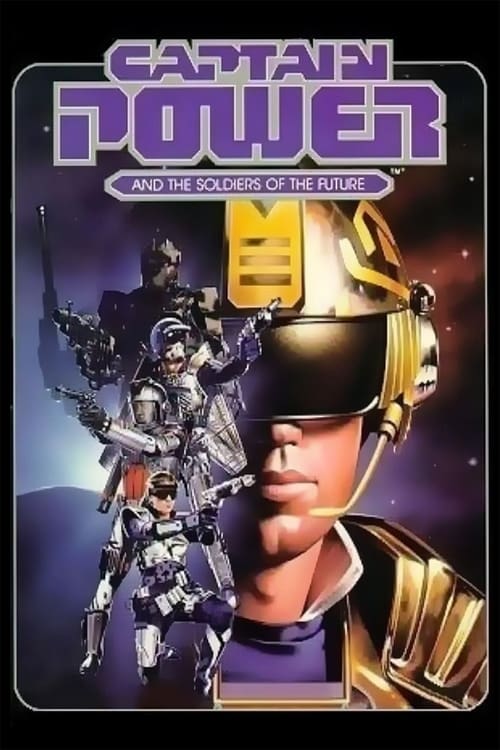
This show was dark for kids' TV, merging live-action with a surprising amount of early CGI and practical robot suits. What really set it apart, though, was the interactive element; shoot your toy gun at the screen and score points. It blurred the lines between show and game, creating an immersive, slightly terrifying world of post-apocalyptic rebellion. A bold, punk-rock experiment that still feels ahead of its time.

4. Forever Knight
A syndicated vampire cop in Toronto? Yeah, it was as gloriously absurd and darkly moody as it sounds. Nick Knight, wrestling with his immortality while fighting crime, delivered heavy doses of angsty introspection. It was a proto-genre hybrid, blending police procedural with supernatural melodrama and a soap-operatic backstory stretching centuries. And it all had that distinct early-90s cable grit, a true cult gem.
5. War of the Worlds
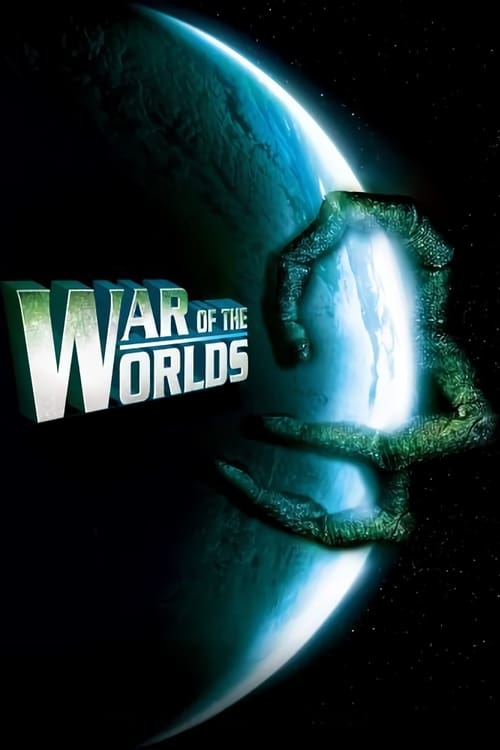
Forget the sleek aliens; this syndicated sequel was grim, gritty, and genuinely unsettling. The aliens, now possessing human bodies, brought a level of body horror and paranoia that felt genuinely transgressive for syndicated television. Practical effects for the transformations were stomach-churning. It leaned into the bleakness, proving that even after cancellation, some invaders just wouldn't stay dead. A genuinely creepy ride.

6. Dark Skies
Just when you thought The X-Files had cornered the market, Dark Skies showed up, dropping us into a full-blown, decades-spanning alien conspiracy. It wasn't just monsters of the week; it was a deeply serialized, paranoid epic that re-wrote history with gray aliens at the center. The practical alien effects were chilling, and the sense of impending doom was palpable. A deep dive into classic UFO lore.

7. RoboCop: The Series
Yes, it was a syndicated, family-friendly version of Verhoeven's masterpiece, but it still delivered on the practical suit effects and the satirical edge, however blunted. The show leaned into the maximalist action of the era, even if the gore was absent. It kept the spirit of corporate villainy and a cyborg hero's humanity alive, proving some characters are just too iconic for one medium. OCP still ran everything.
8. Babylon 5
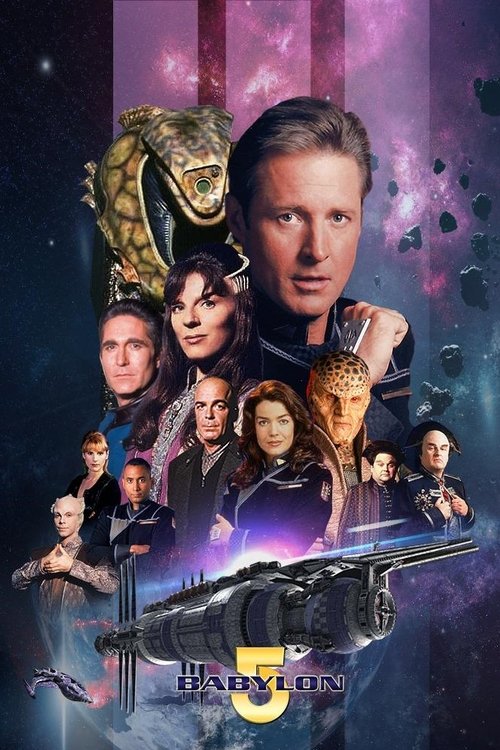
This wasn't just another space opera; it was a five-year novel for television. Babylon 5 pioneered CGI for its epic space battles and alien designs, but its real revolution was serialized storytelling. Every episode built on the last, crafting a complex political drama with deep character arcs and a mythology that rivaled any major franchise. It proved syndicated sci-fi could be intellectually ambitious and visually stunning.

9. The Hitchhiker's Guide to the Galaxy
Before the big screen, the BBC brought Douglas Adams' universe to life with ingenious low-budget practical effects and a dry wit that was pure gold. The animation for the Guide entries, the surreal sets, the whole vibe was utterly unique. It was experimental, meta-textual, and perfectly captured the book's anarchic spirit. A cult classic that proved imagination trumps budget any day. Pure analog magic.
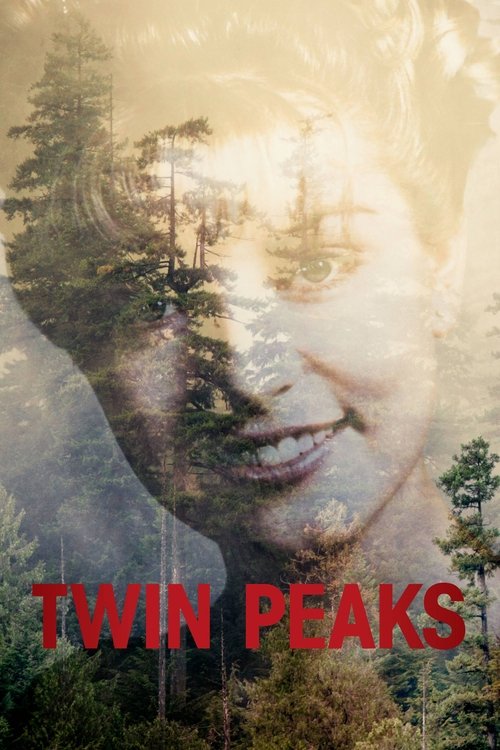
10. Twin Peaks
This show didn't just push boundaries; it dismantled them. Lynch and Frost crafted a small-town mystery that spiraled into surrealism, horror, and soap-operatic melodrama. The practical visual oddities – backwards speech, the Red Room, that unsettling score – created a hypnotic, dreamlike atmosphere. It was art house cinema on network television, challenging audiences and forever altering what serialized drama could be. A true brain-melter.