1. The Larry Sanders Show
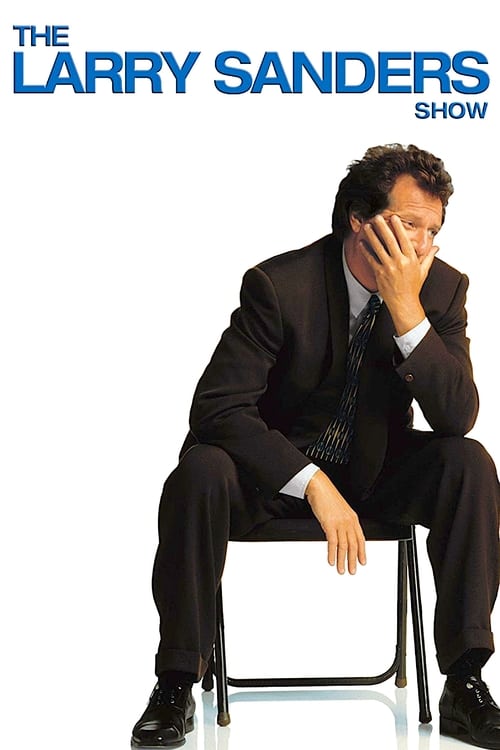
This show was a masterclass in meta-comedy, pulling back the curtain on late-night TV with brutal honesty. It perfected the cringe humor and mockumentary style long before it became a network staple, making you genuinely uncomfortable while laughing. Its ensemble cast felt like a real, dysfunctional family, laying groundwork for future character-driven workplace comedies that dared to be more than just punchlines. It really showed what cable could do.
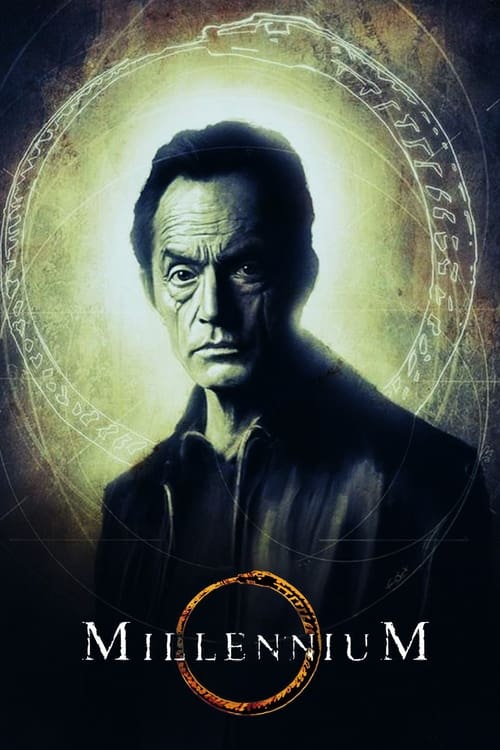
2. Millennium
Coming from the X-Files mind, this was darker, more introspective. It dove into the grim underbelly of human evil, often with a disturbing, almost cinematic visual flair. Frank Black's psychological torment and the serialized, often cryptic mythology felt like a precursor to the brooding anti-hero sagas that would dominate cable. It was unsettling, demanding attention, and definitely not for casual viewing. It asked for a commitment.
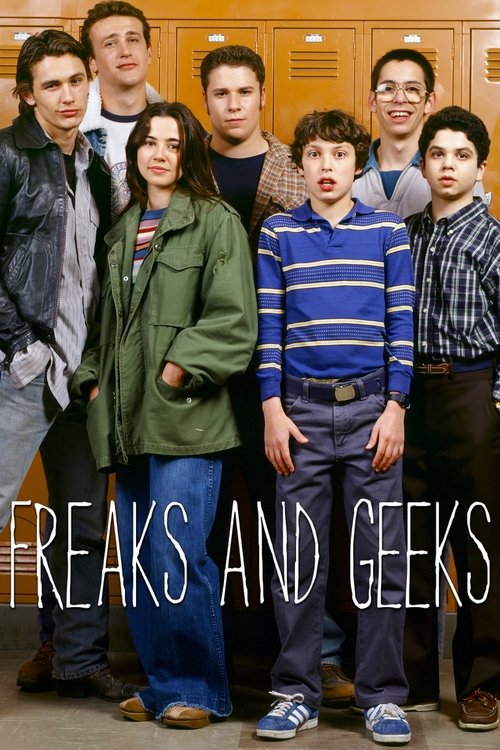
3. Freaks and Geeks
This was a quiet revolution. It portrayed adolescence with an unflinching, almost documentary-like realism, avoiding sitcom clichés for genuine, often painful, character arcs. The ensemble felt like real kids, not TV archetypes, navigating that awkward space between childhood and adulthood. Its grounded, serialized approach to everyday struggles showed you didn't need high concepts for prestige storytelling. It just needed honest writing and heart.
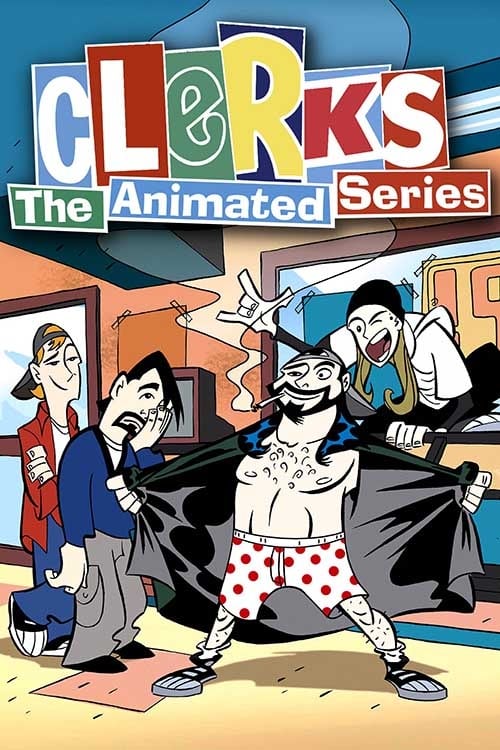
4. Clerks
Taking Kevin Smith's indie film into animation for network TV was an odd, daring move. It kept the rapid-fire, pop-culture-laden dialogue and slacker ethos, trying to push boundaries within a traditional broadcast format. While short-lived, its attempt to bring adult animation with an established, cynical voice to prime time hinted at the niche, cult followings that would thrive on alternative platforms later on. It tried to be different.
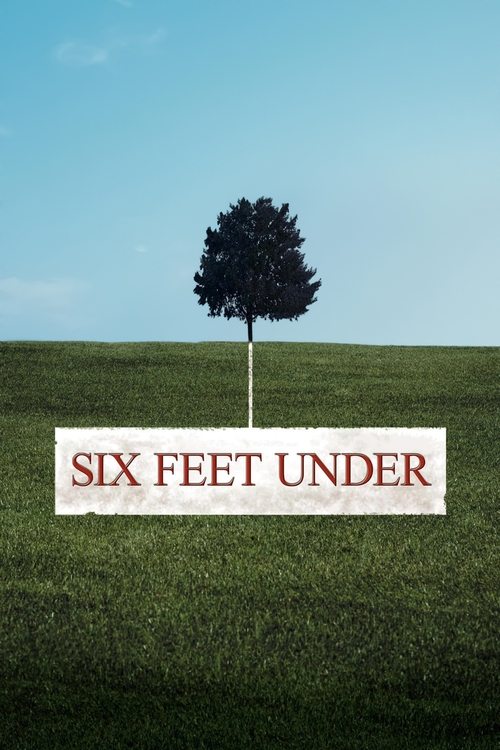
5. Six Feet Under
This show proved cable could deliver profound, character-driven drama that traditional networks wouldn't touch. Centered on a family running a funeral home, it tackled death, grief, and existentialism with a raw, often darkly comedic honesty. Its serialized narratives and deeply flawed, complex characters were the blueprint for the anti-hero era, demanding viewers invest in long-form emotional journeys. It wasn't always comfortable, but it was essential.
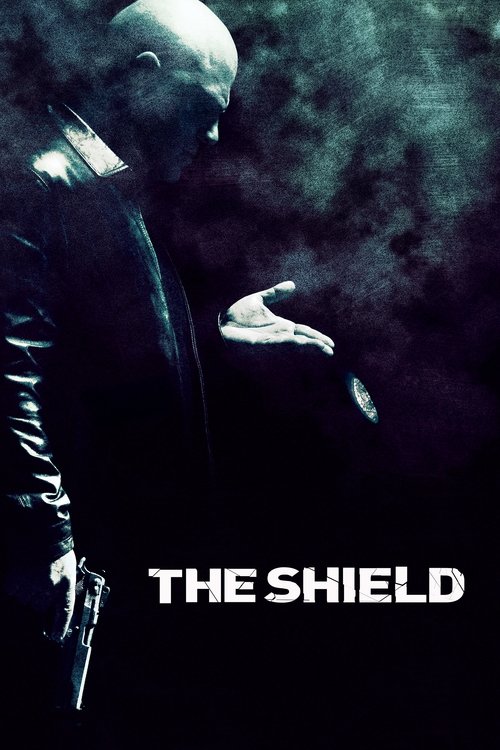
6. The Shield
FX threw down the gauntlet with this one. It was raw, brutal, and introduced an anti-hero who made Tony Soprano look like a choir boy. Vic Mackey’s moral ambiguities and the show’s gritty, serialized crime narrative pushed the envelope for what was acceptable on television. Its cinematic style and relentless pace demanded you keep watching, setting a new standard for intense, morally compromised dramas on cable. It was a gut punch.
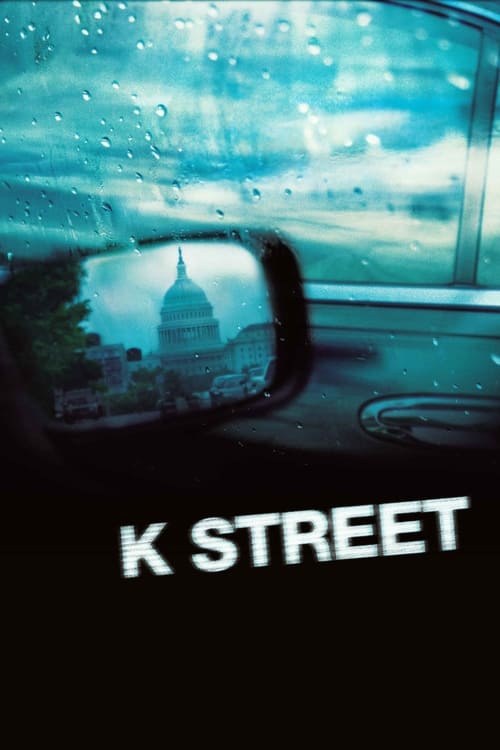
7. K Street
Soderbergh and Clooney tried something truly experimental here, blurring the lines between fiction and reality. Shot just before airdate, integrating real-life D.C. figures and current events, it was a meta-political mockumentary before its time. It was messy, ambitious, and a bit of a head-scratcher for many, but its daring approach to serialized, almost improvisational storytelling was a wild precursor to how news and entertainment would eventually merge. It was a brave mess.
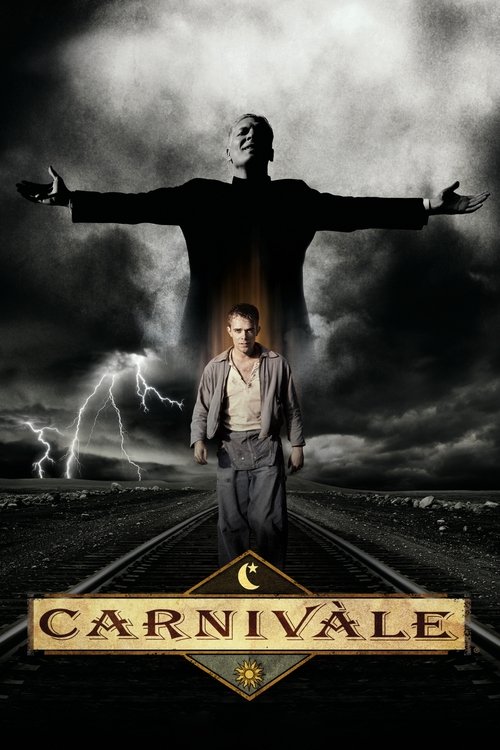
8. Carnivàle
HBO went all-in on this one, creating a dark, sprawling, visually stunning period piece with a dense, mysterious mythology. It was a commitment, demanding viewers piece together its intricate narrative and bizarre characters across a dust-bowl landscape. This wasn't just a show; it was an experience. Its cinematic scope and serialized, epic storytelling showcased the power of cable to build entire, immersive worlds. It was unlike anything else.
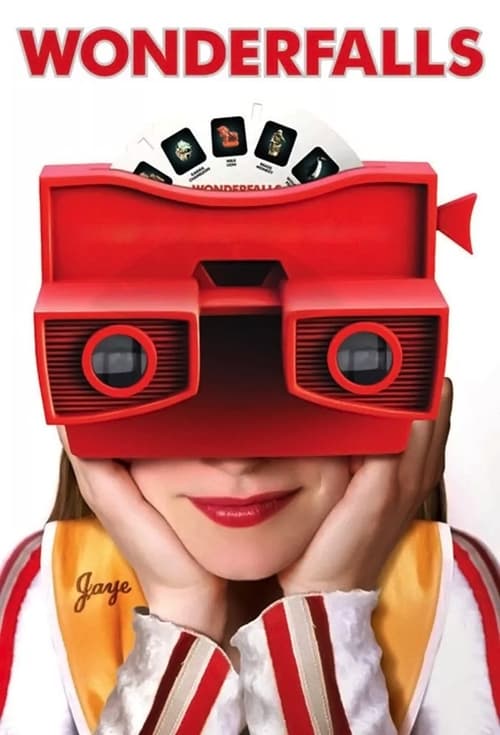
9. Wonderfalls
Bryan Fuller’s quirky, criminally short-lived show brought a unique blend of fantasy, comedy, and character study. Its premise of a cynical gift shop worker being guided by talking animal trinkets was utterly original, showcasing a playful, surreal approach to serialized storytelling. It had a distinct voice and visual style that felt ahead of its time, finding its true appreciation in post-broadcast viewing. It was a cult classic waiting to happen.
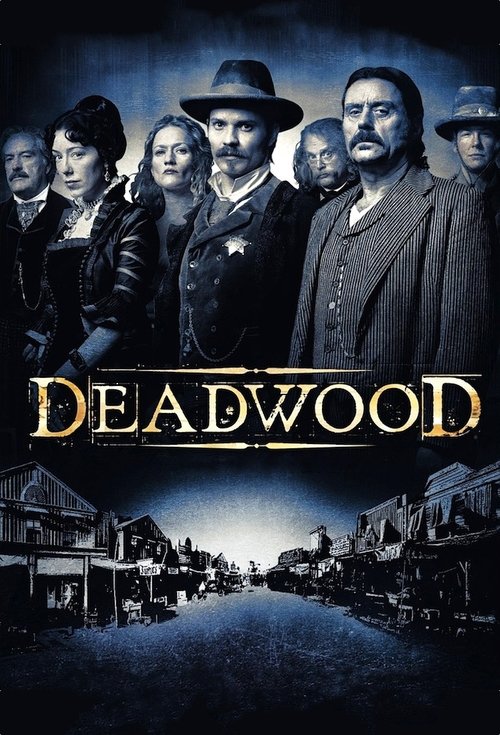
10. Deadwood
David Milch’s Western wasn't just a period piece; it was a masterclass in language and character. Its dense, Shakespearean dialogue and sprawling ensemble cast created an incredibly rich, immersive world on cable. Every episode felt like a chapter in a sprawling novel, demanding attention and rewarding patience. It redefined what historical drama could be, proving that even the foulest language could be poetic when delivered with purpose. It was art.
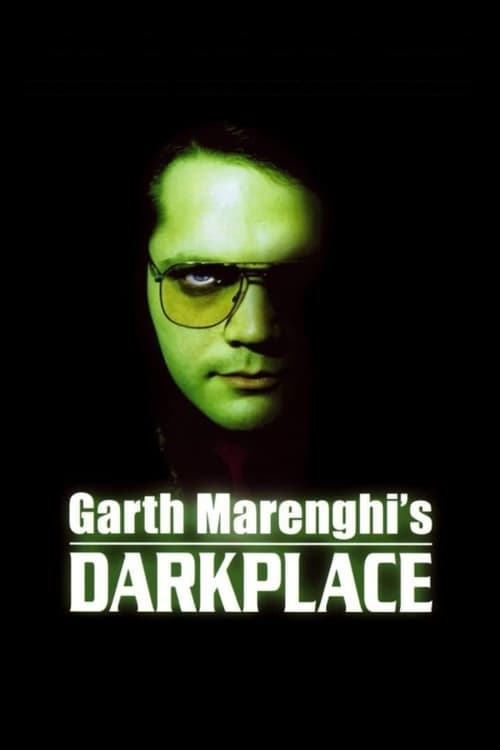
11. Garth Marenghi's Darkplace
This British gem was a pitch-perfect parody of low-budget 80s horror, presented as a "lost" TV series. Its meta-narrative, with creators commenting on their own work, was a brilliant, hilarious take on mockumentary. It leaned into the absurdity and camp, showing how a niche, self-aware comedy could thrive, building a cult following through word-of-mouth and early online sharing. It was smarter than it looked.

12. The Comeback
Lisa Kudrow's Valerie Cherish was a cringeworthy marvel. This mockumentary-style show unflinchingly portrayed the desperate realities of a fading actress, satirizing reality TV and the entertainment industry with brutal honesty. It was uncomfortable, hilarious, and ahead of its time in dissecting celebrity culture and the manufactured self. It gained significant appreciation later, proving some shows need time and a different viewing context to truly resonate. It was painful, in a good way.