

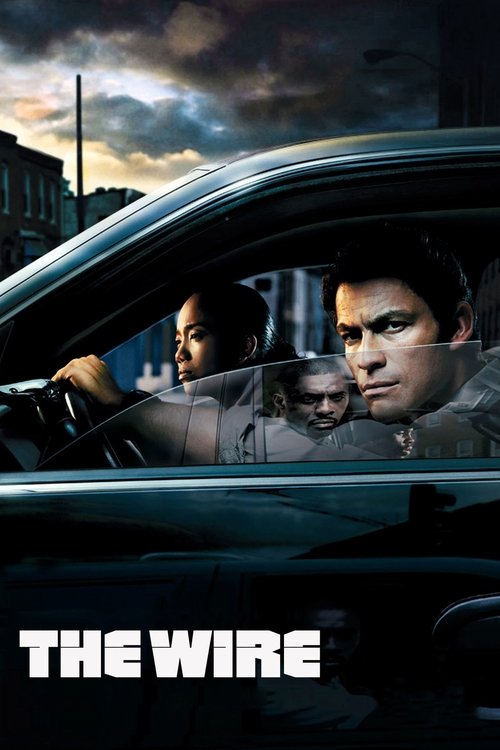
1. The Wire
This show wasn't just a cop drama; it was an institutional dissection. Each season peeled back another layer of Baltimore, showing how systems—from the drug trade to politics to schools—were interconnected. Its serialized nature, sprawling ensemble, and uncompromising realism pushed network television's boundaries, landing firmly in cable's risk-taking territory. It demanded attention, rewarding patient viewers with unparalleled depth.
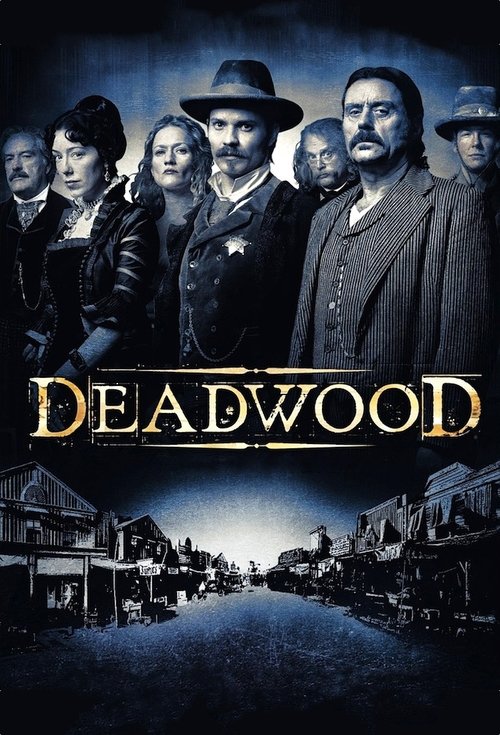
2. Deadwood
HBO took us to a morally ambiguous frontier town, and it felt like cinema. The language alone was revolutionary, but it was the complex character arcs and the brutal, often poetic, depiction of nascent civilization that truly stuck. It was a masterclass in ensemble storytelling, showing how a community forms and fractures under pressure, proving cable wasn't afraid to get its hands dirty with history.
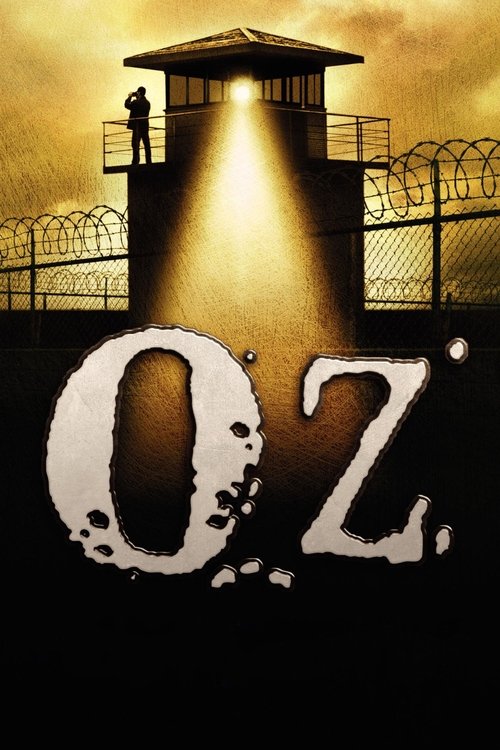
3. Oz
Before HBO was "HBO," there was *Oz*. This was the raw, unblinking look at prison life that announced cable was playing a different game. Its early serialized format, intense character studies, and willingness to go to dark places network TV wouldn't touch set a new standard for adult drama. It was violent, provocative, and utterly compelling, laying groundwork for the prestige era.

4. Six Feet Under
Mortality as a recurring character, framed by a dysfunctional family running a funeral home. This show explored grief, love, and existence with an emotional intelligence few others dared. Its serialized, character-driven approach, coupled with a distinct artistic sensibility, cemented HBO's reputation for smart, deeply human drama, proving that television could be as profound as any film.
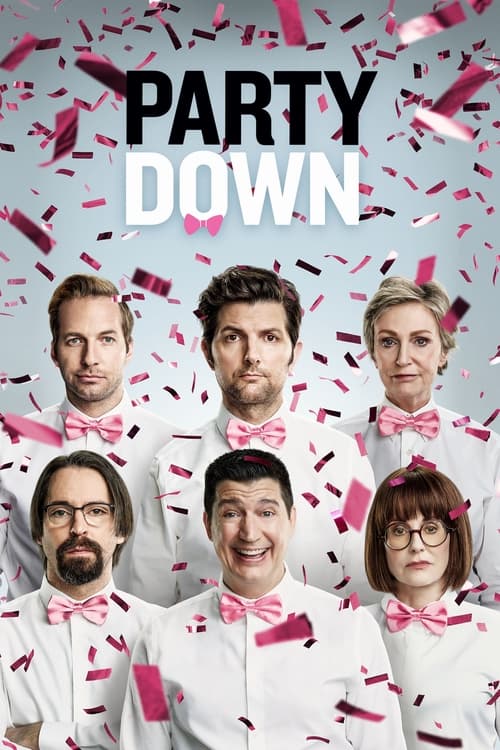
5. Party Down
This cult favorite perfected the cringe-comedy of awkward social dynamics, following a cater-waiter crew in L.A. Its sharp, ensemble writing and episodic structure, tinged with a mockumentary feel, resonated with a generation tired of laugh tracks. It captured the grim reality of pursuing dreams in Hollywood, finding humor in the mundane, and became a beloved on-demand discovery for many.
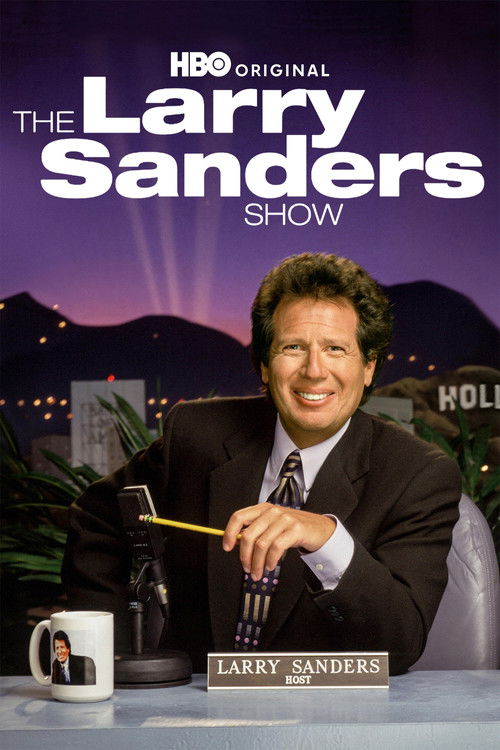
6. The Larry Sanders Show
Way ahead of its time, this HBO gem deconstructed the late-night talk show, showing the bitter, hilarious reality behind the glamour. It pioneered the meta-comedy and mockumentary style that would influence so much that followed. Its uncomfortably real characters and sharp, cynical humor set the stage for adult-oriented cable comedy, proving TV could be smart and subversive.
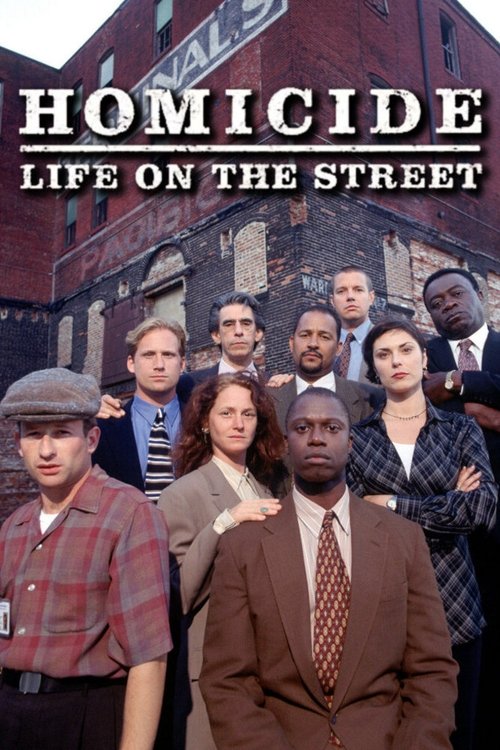
7. Homicide: Life on the Street
While cable was brewing, network TV still had some fight. *Homicide* brought a raw, documentary-style grittiness to the police procedural, unlike anything before it. Its ensemble cast, serialized arcs, and unflinching look at urban crime felt revolutionary for NBC, showcasing early attempts at cinematic techniques and challenging viewers with moral ambiguity long before *The Wire*.

8. Treme
David Simon's post-*Wire* exploration of New Orleans after Katrina was a slow, atmospheric burn. It wasn't about a single crime but the resilience of a culture rebuilding. Its rich, ensemble tapestry of musicians, chefs, and ordinary citizens, told with meticulous detail and a cinematic eye, reinforced the idea that TV could be a sprawling, patient novel, best consumed on demand.
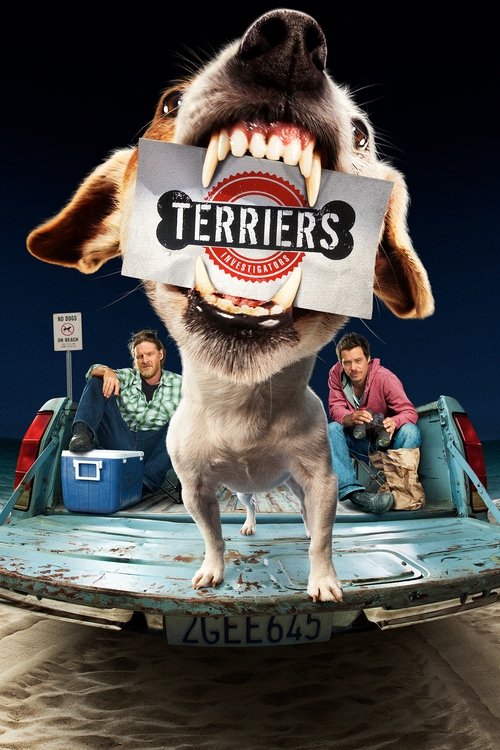
9. Terriers
This FX one-season wonder was a masterclass in character-driven storytelling. It followed two down-on-their-luck private investigators in San Diego, blending noir mystery with buddy comedy and deep emotional stakes. Its cinematic look, serialized plot, and complex protagonists were exactly what cable was doing best – pushing boundaries and telling intimate, often melancholic, stories that deserved more time.