

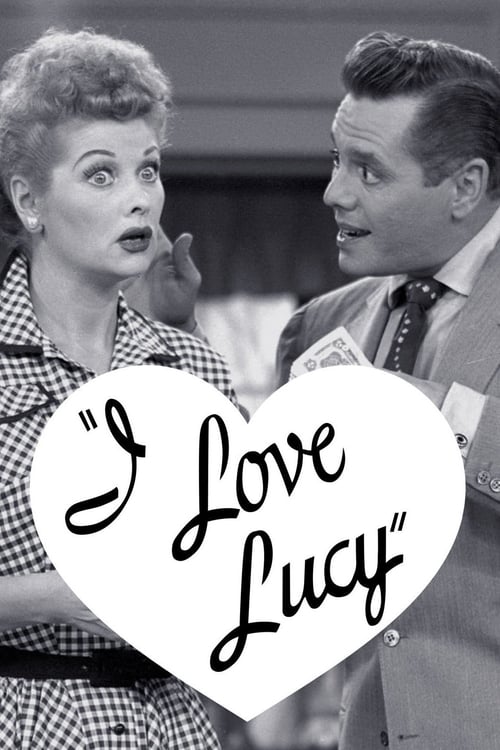
1. I Love Lucy
Lucy and Desi, a real phenomenon, practically invented the sitcom as we know it. The live studio audience, the relentless physical comedy, all perfectly timed. And even though it was shot on film, you could feel that immediate energy, like watching a stage play right in your living room. A masterclass in comedic timing, really, and it showed how much laughter could bind a family watching together every week. It was magic.
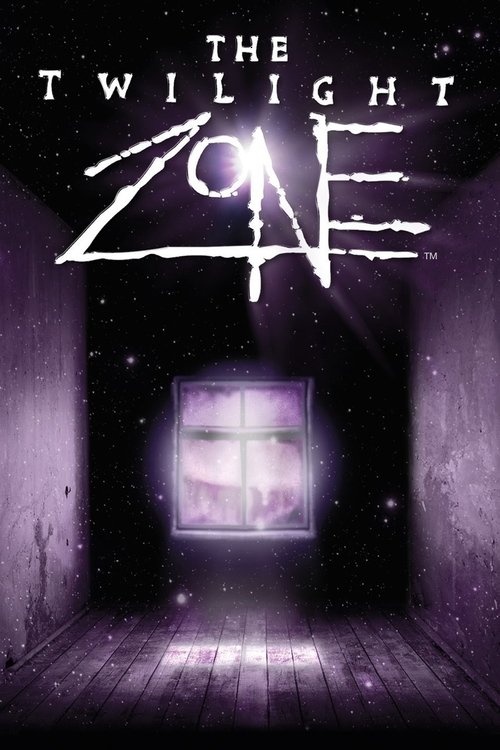
2. The Twilight Zone
Rod Serling's brainchild. Each week, a new tale, often with a twist that made you think about the human condition. Shot in stark black and white, which only heightened the mood, making those strange, often unsettling stories feel even more immediate. It wasn't just science fiction; it was a psychological drama wrapped in a speculative package, pushing boundaries on what a half-hour could do for the mind.

3. The Ed Sullivan Show
Sunday nights, you were with Ed. A true variety show, a direct descendant of vaudeville, bringing acts from around the world right into your home. One week it was a plate spinner, the next, rock and roll. It was a cultural thermometer, really, showing you what was happening, and it united families around the set like little else. A live television institution, and often, quite a spectacle.

4. Dragnet
"Just the facts, ma'am." Jack Webb's Sgt. Friday was an icon, defining the police procedural with its no-nonsense approach. The deadpan delivery, the relentless pursuit of detail, it felt almost like a documentary at times, particularly in its early black-and-white days. It was a stark contrast to the fluff, showing a grittier side of urban life, but always with a clear moral compass guiding the investigation.
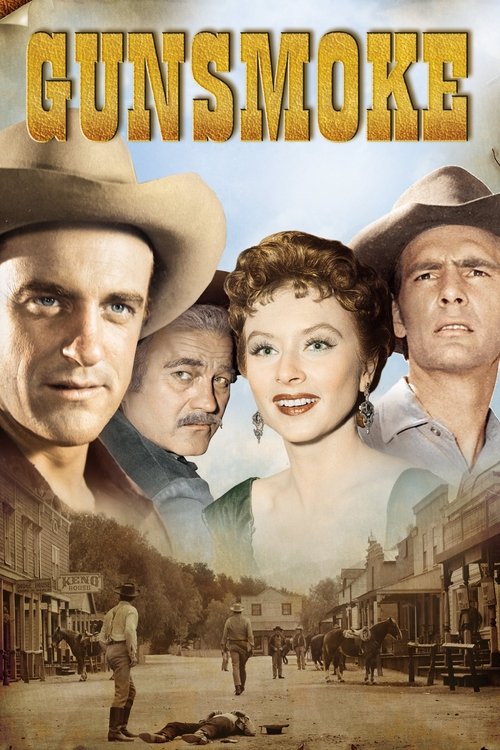
5. Gunsmoke
Long before long-form storytelling was a buzzword, *Gunsmoke* was doing it for twenty years. Marshal Matt Dillon and Dodge City, a weekly morality play set on the frontier. It wasn't just shoot-em-ups; it was about community, justice, and the tough choices people made out there. And it showed how a good story, well told and consistently delivered, could keep viewers coming back week after week, year after year.

6. Playhouse 90
This was prestige television before the term even existed. Live, ambitious ninety-minute dramas, often pushing the limits of the small screen, a true spectacle each time. It showcased serious acting and writing, tackling complex themes that were a far cry from the usual fare. It proved that television could be art, a direct descendant of radio drama, but with the added visual punch. A truly daring experiment in storytelling.

7. All in the Family
Archie Bunker, a character who sparked more dinner table conversations than any other. It was a sitcom, but it wasn't afraid to tackle prejudice, war, and generational divides head-on. The laughter often came with a wince, making you think about your own views. Norman Lear understood how to use the family living room as a crucible for societal issues, making it truly groundbreaking television for its time.
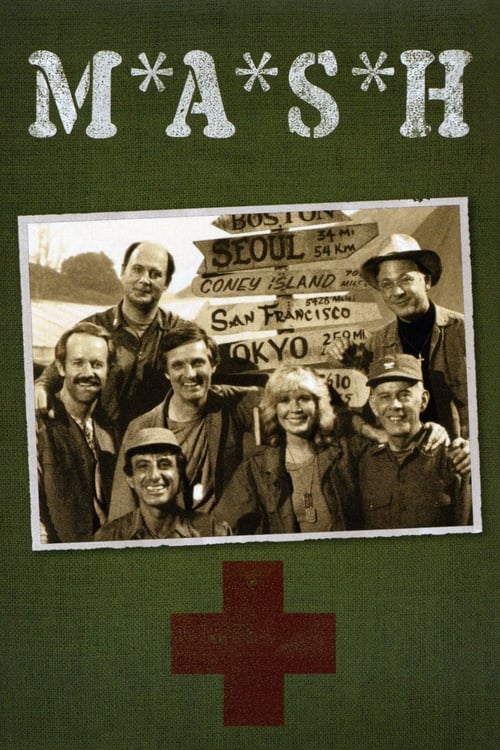
8. M*A*S*H
Started as a comedy, but truly evolved into something more profound. Set during the Korean War, it blended humor with the harsh realities of conflict, often making you laugh and then tearing at your heartstrings within minutes. The ensemble cast developed over years, and the show proved that a weekly half-hour could tell deeply human, ongoing stories, all while being profoundly relevant to its contemporary world.
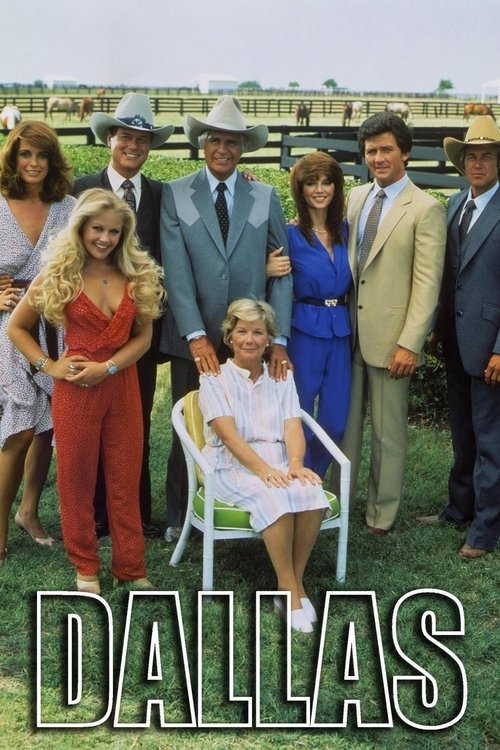
9. Dallas
"Who shot J.R.?" That question captivated the entire world. *Dallas* took the serialized drama, perfected it, and showed how long-form continuity could create a global phenomenon. It was opulent, dramatic, and those season-ending cliffhangers were pure genius, forcing you to tune in next fall to find out what happened. A prime example of how television could build a compelling, ongoing narrative across many years.