


#1

The Long Goodbye
Vilmos Zsigmond flashed the 35mm color negative on this one, milkying up the shadows so late-period Hollywood looks completely baked in smog and salt air. Altman kept the Panaflex camera drifting on a zoom, never cutting where you expect. You run this off a proper theatrical print and you can feel the silver grain breathing in the frame. Try streaming it and the modern digital compression algorithms turn all those sun-faded shadow gradations into pure blocky mush.
2 critics · 6 lists →
#2
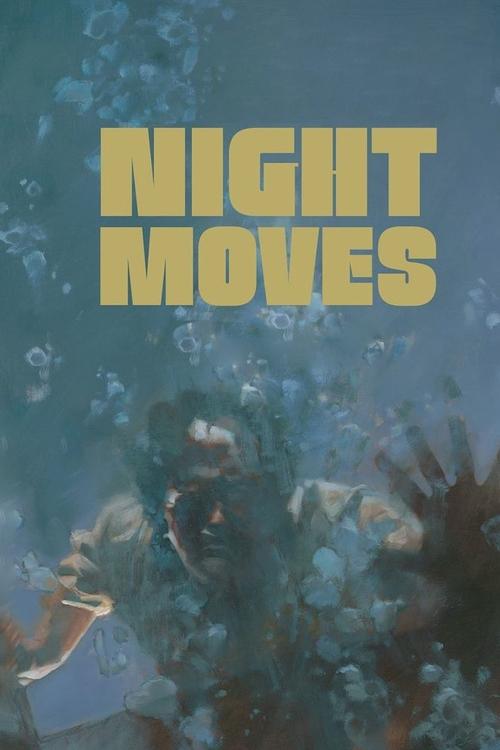
Night Moves
Bruce Surtees earned his nickname 'The Prince of Darkness' shooting Eastwood films, but his work here for Arthur Penn is pure gloom. Surtees exposed for the hot Florida sunlight and let interiors fall straight off the edge into murky underexposure. The mono optical audio track captures every damp groan of boat hulls and hollow phone clicks. It has a heavy, tangible texture because they shot on vintage Kodak stock that held deep blacks without choking the details.
#3
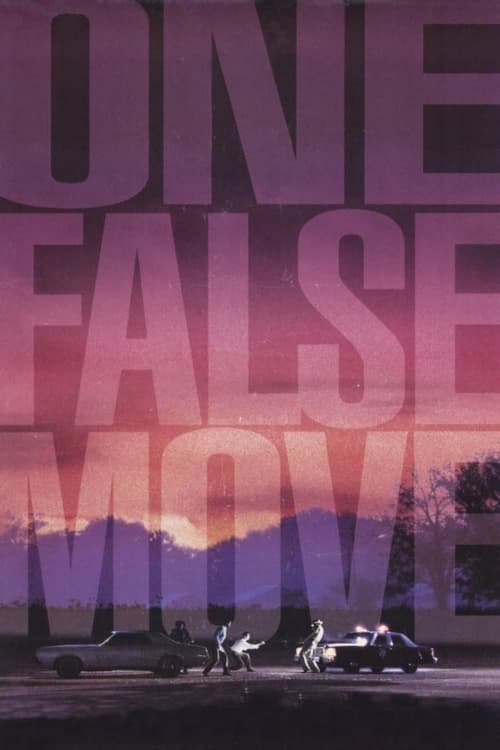
One False Move
Carl Franklin and his cinematographer James L. Carter avoided stylized neon. They lit rural Arkansas roads with actual car headlights cutting through dense Southern humidity. When violence erupts, the hard cuts from editor Carole Kravetz hit like blunt force trauma. You can see the photochemical grain churning through the night scenes, giving the quiet dread real physical weight. Good luck finding that rich shadow depth on a flat web stream without ugly banding artifacts ruining the frame.
2 critics · 2 lists →
Watch in US Sony Pictures Core Amazon Channel
#4
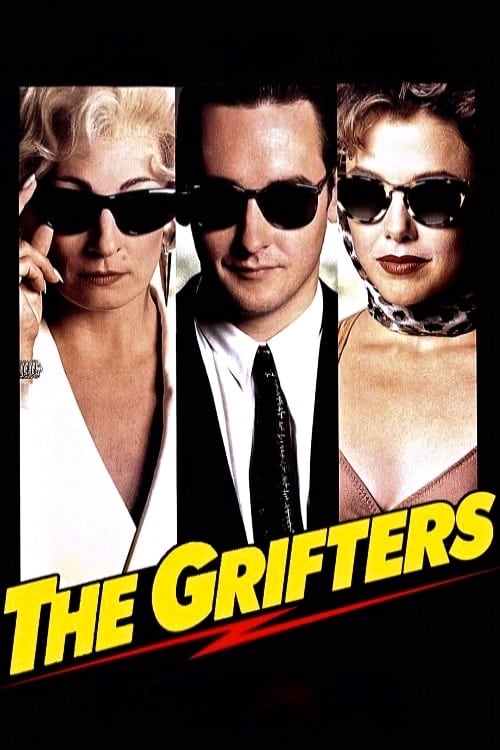
The Grifters
Oliver Stapleton shot Jim Thompson’s sleazy world under harsh California sunshine that casts unforgiving, razor-sharp shadows. You get no smoke machines or wet asphalt here to hide behind. Every cheap motel room and racetrack grandstand looks blistered by daylight. Mick Audsley’s tight editing lets scenes linger just a beat too long on sweat beads and shifty eyes. It makes you miss the days when film emulsion could handle blinding white highlights and bottomless darks in a single setup.
2 critics · 2 lists →
#5
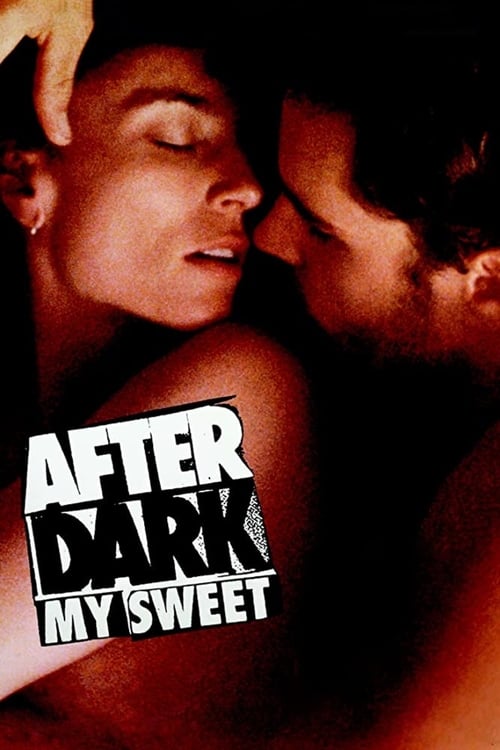
After Dark, My Sweet
Another Jim Thompson adaptation, and Mark Plummer’s camera work treats the Indio desert like an open oven. He blasted the 35mm stock with direct, overexposed sunlight, washing out colors until the dust practically blows off the screen. Then night falls, and the shadows turn thick and suffocating. Foley stages the kidnapping with deliberate pacing and zero flashy visual tricks. My old laserdisc had a superb audio mix that captured the eerie desert wind whistling through cracked trailer windows.
#6
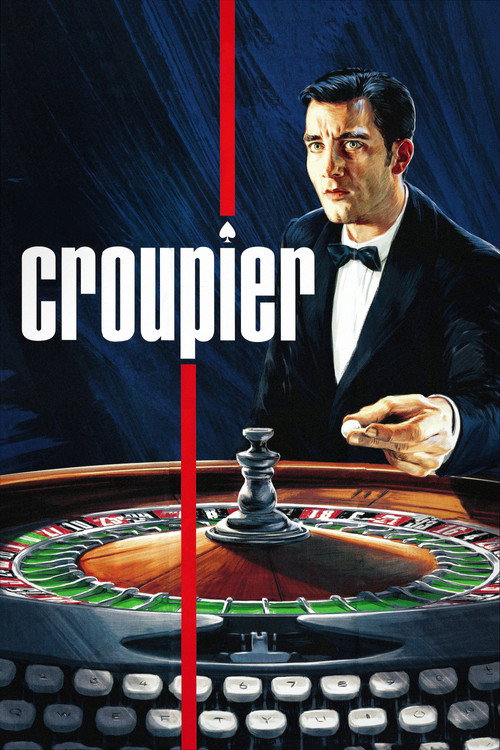
Croupier
Mike Hodges directed this chilly London crime drama with clinical precision. Cinematographer Michael Garfath lit the subterranean casino floor with harsh, focused overhead pools of light, letting everything beyond the roulette wheel dissolve into inky obscurity. The green baize pops against Clive Owen’s cheap tuxedo. It was cut lean by Les Healey, moving with the cold click of tumbling dice. You need proper black levels on an old cathode-ray tube or calibrated plasma to appreciate this print's contrast.
#7
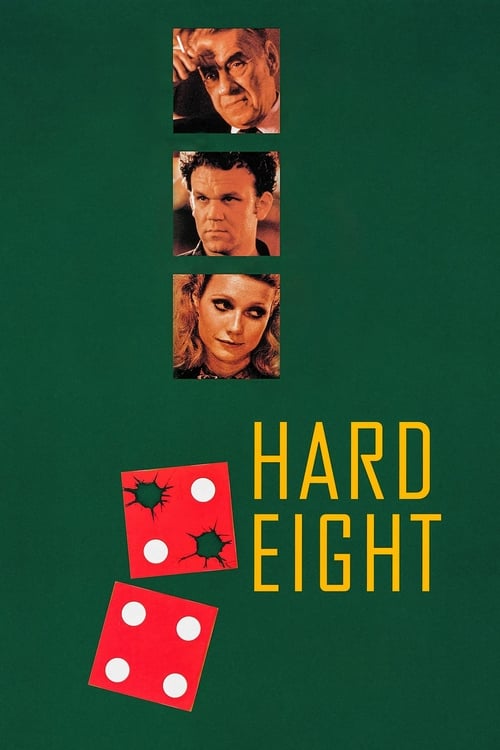
Hard Eight
Paul Thomas Anderson and Robert Elswit started their legendary partnership here, shooting Panavision anamorphic in rundown Reno casinos. Elswit balanced practical table lamps with natural tungsten glow, catching smoke layers hanging in the air without washing out the shadows. Philip Baker Hall commands every frame, anchored by steady dolly moves and patient cutting. Modern directors would slap a flat digital grade over it, but this captures real velvet, worn carpet, and stale tobacco burned onto rich 35mm color stock.
#8
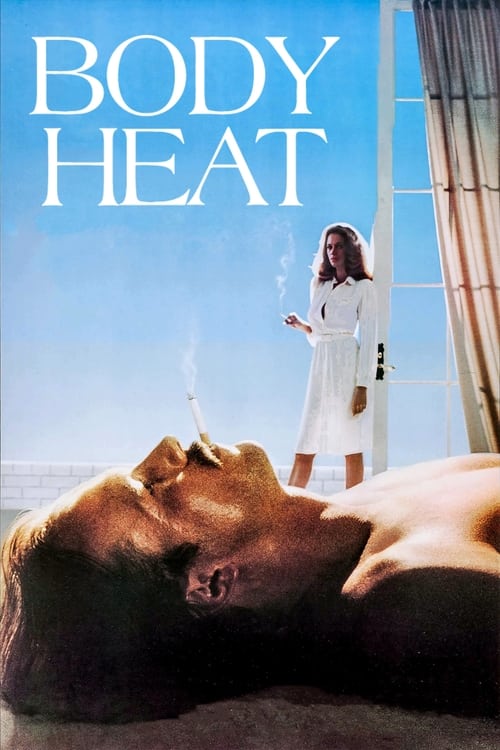
Body Heat
Richard H. Kline gave Kasdan’s directorial debut an unbearable, sweaty luminescence. He slathered the actors in mineral oil and bounced soft warm key lights through wooden Venetian blinds, slicing up the dark rooms with classic noir geometry. John Barry's saxophone-heavy score oozes out of the stereo surround mix, punctuated by the metallic clink of wind chimes. It demonstrates what fast film stock could do when exposed by a veteran lighting technician who respected deep negative space.
#9
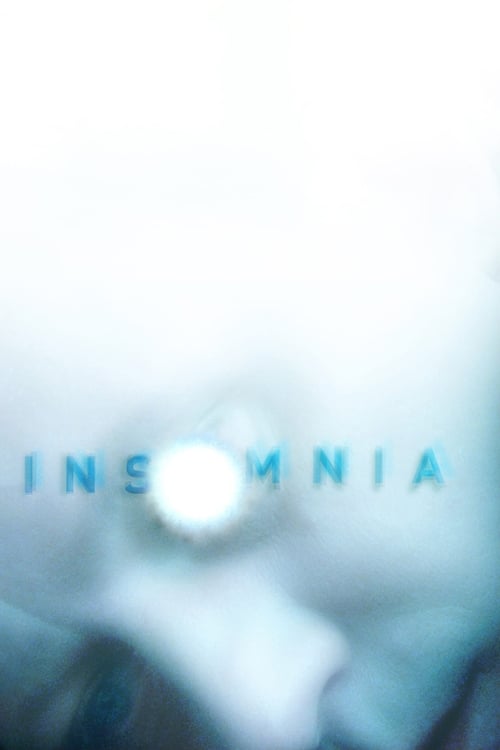
Insomnia
Erik Skjoldbjærg pulled off the ultimate noir inversion by drowning the entire mystery in 24-hour Arctic daylight. Cinematographer Erling Thurmann-Andersen used film stock exposed under the unrelenting Norwegian midnight sun, creating an overblown, milky white glare that feels more punishing than pitch darkness. The sound design leans into low-frequency rumbles and buzzing fluorescent fixtures that put you inside Stellan Skarsgård’s sleep-deprived skull. Forget Christopher Nolan’s slick remake; this gritty Norwegian original is where the true rot lives.
0 / 9