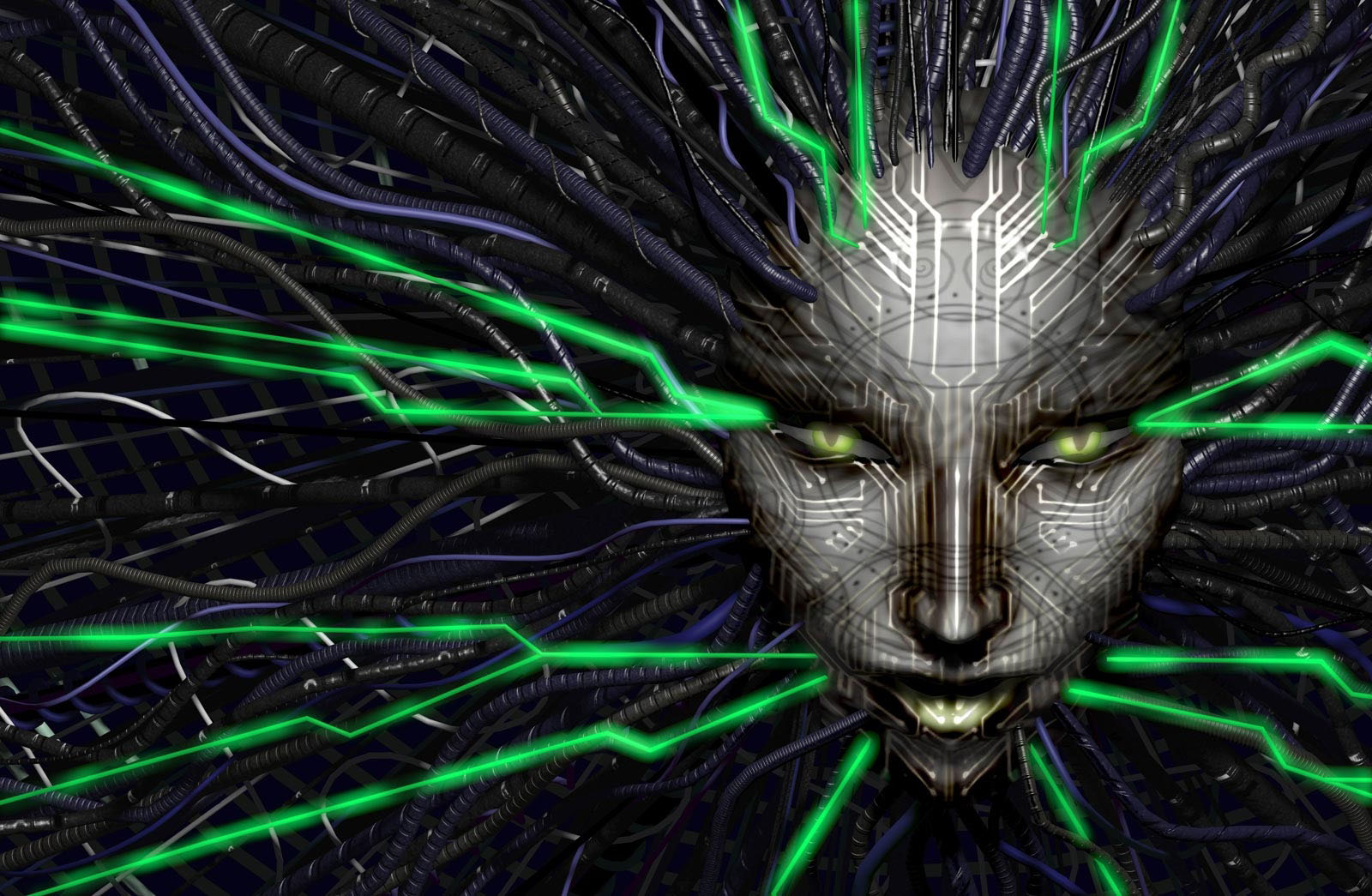
1. System Shock 2
A seminal work in immersive sims, this game's blend of RPG mechanics, horror, and a deeply unsettling atmosphere set a high bar. The decaying Von Braun, SHODAN's chilling monologues, and the constant sense of dread created an unparalleled experience. It pioneered narrative depth through environmental storytelling and audio logs, influencing countless games that followed. Yet, its difficulty and complex systems meant it never quite found mainstream appeal, remaining a cult classic revered by those who braved its depths.
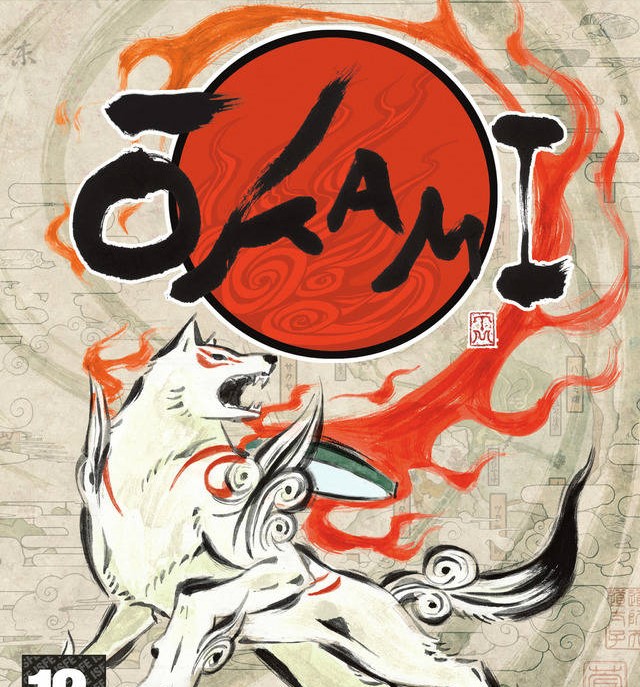
2. Okami
This wasn't just a game; it was a living, breathing ukiyo-e painting. Its cel-shaded graphics, inspired by Japanese watercolor art, were revolutionary, and the Celestial Brush mechanic offered a unique blend of combat and puzzle-solving. Playing as the sun goddess Amaterasu, restoring beauty to a blighted world, was an uplifting journey. While critically acclaimed, its release on the tail end of the PS2's life cycle meant it didn't achieve the commercial success it deserved, often overshadowed by more conventional blockbusters.
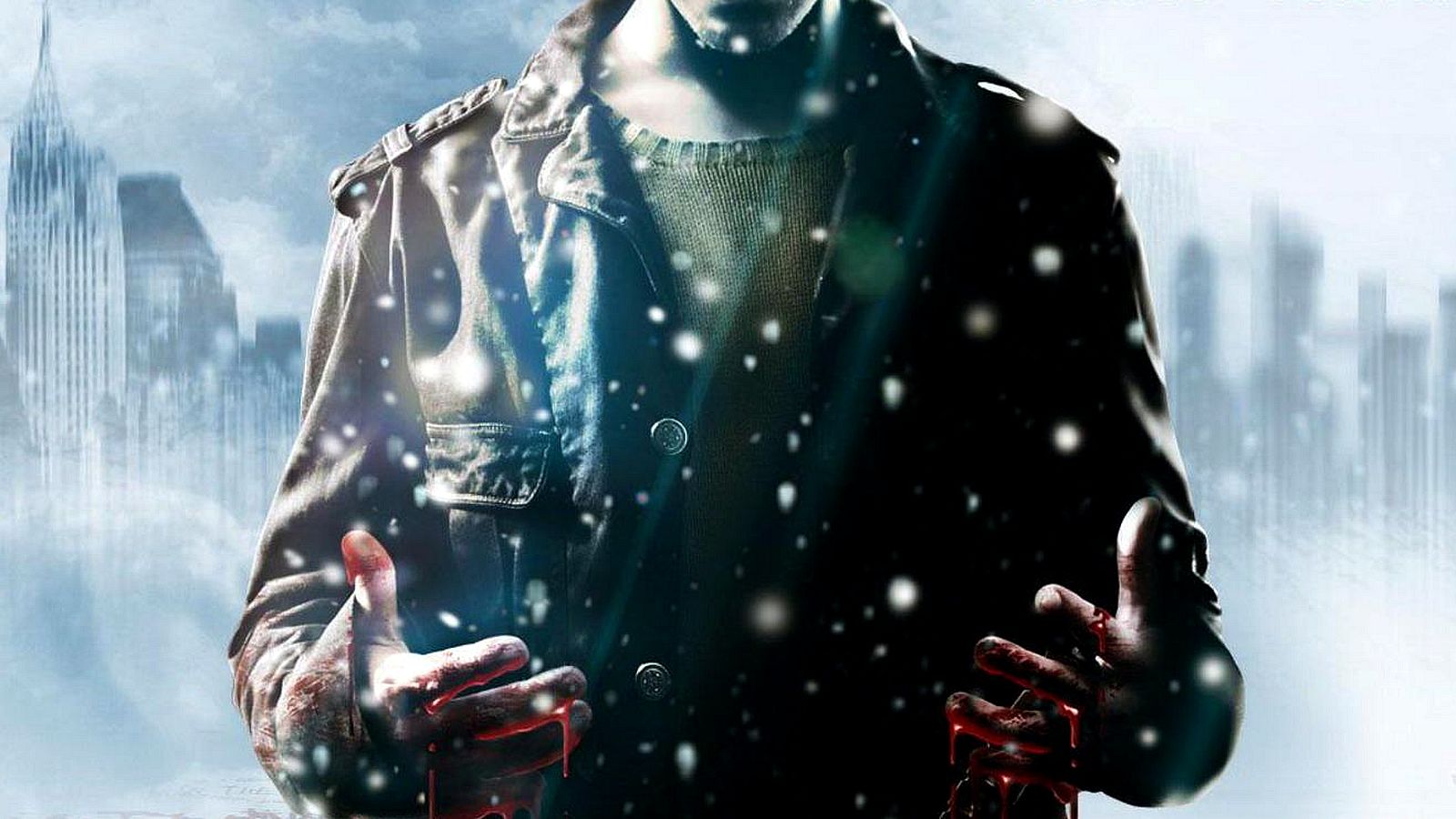
3. Fahrenheit (Indigo Prophecy)
Quantic Dream’s early foray into interactive drama, this game was ambitious, if flawed. Its innovative branching narrative and QTE-heavy gameplay aimed for cinematic immersion, exploring a supernatural murder mystery in a chilly New York. The first half built incredible tension and intrigue, but the plot famously spiraled into an incoherent mess involving ancient prophecies and Mayan gods. Despite its narrative missteps, it pushed boundaries for storytelling in games, a bold experiment that still sparks debate among players.
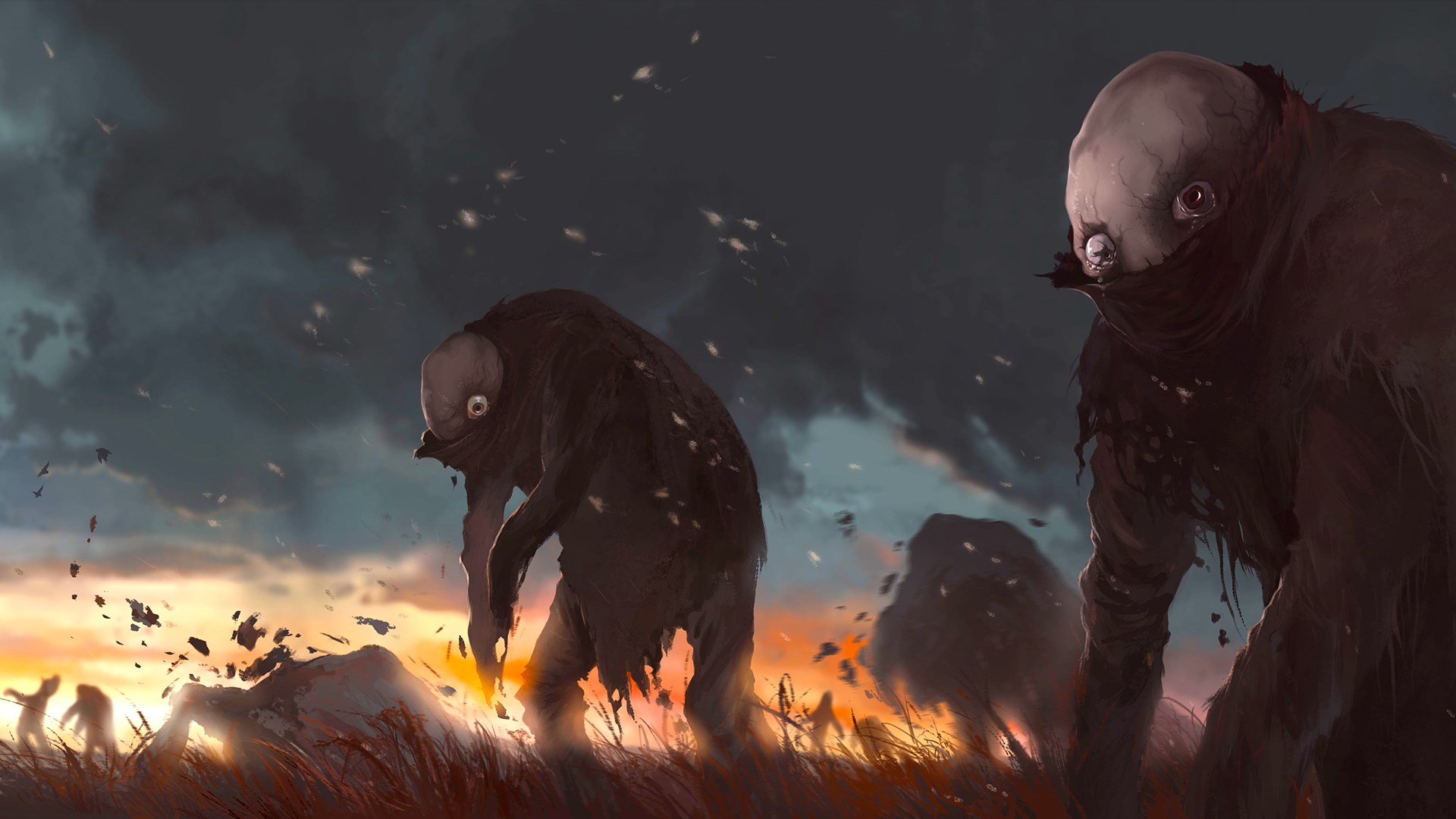
4. Pathologic 2
A relentless, brutal survival RPG that’s less about winning and more about enduring. Set in a plague-ridden town, it forces players to make impossible moral choices, constantly battling starvation, disease, and despair. Its unique, oppressive atmosphere and philosophical undertones are unlike anything else. This is not a game for casual players; it’s an experience designed to make you suffer and question. While divisive due to its uncompromising difficulty and bleak themes, it's a profound, unforgettable artistic statement.
5. The Legend of Dragoon
A PlayStation JRPG that dared to challenge Final Fantasy’s dominance. Its unique "Addition" combat system, requiring timed button presses for extra damage, added an active layer to turn-based battles. The epic scope, memorable characters, and a surprisingly dark storyline about ancient war and mythical Dragoons captivated a dedicated fanbase. Despite its ambitious cinematic presentation and solid mechanics, it never quite reached the widespread recognition of its contemporaries, becoming a cherished gem for those who discovered it.
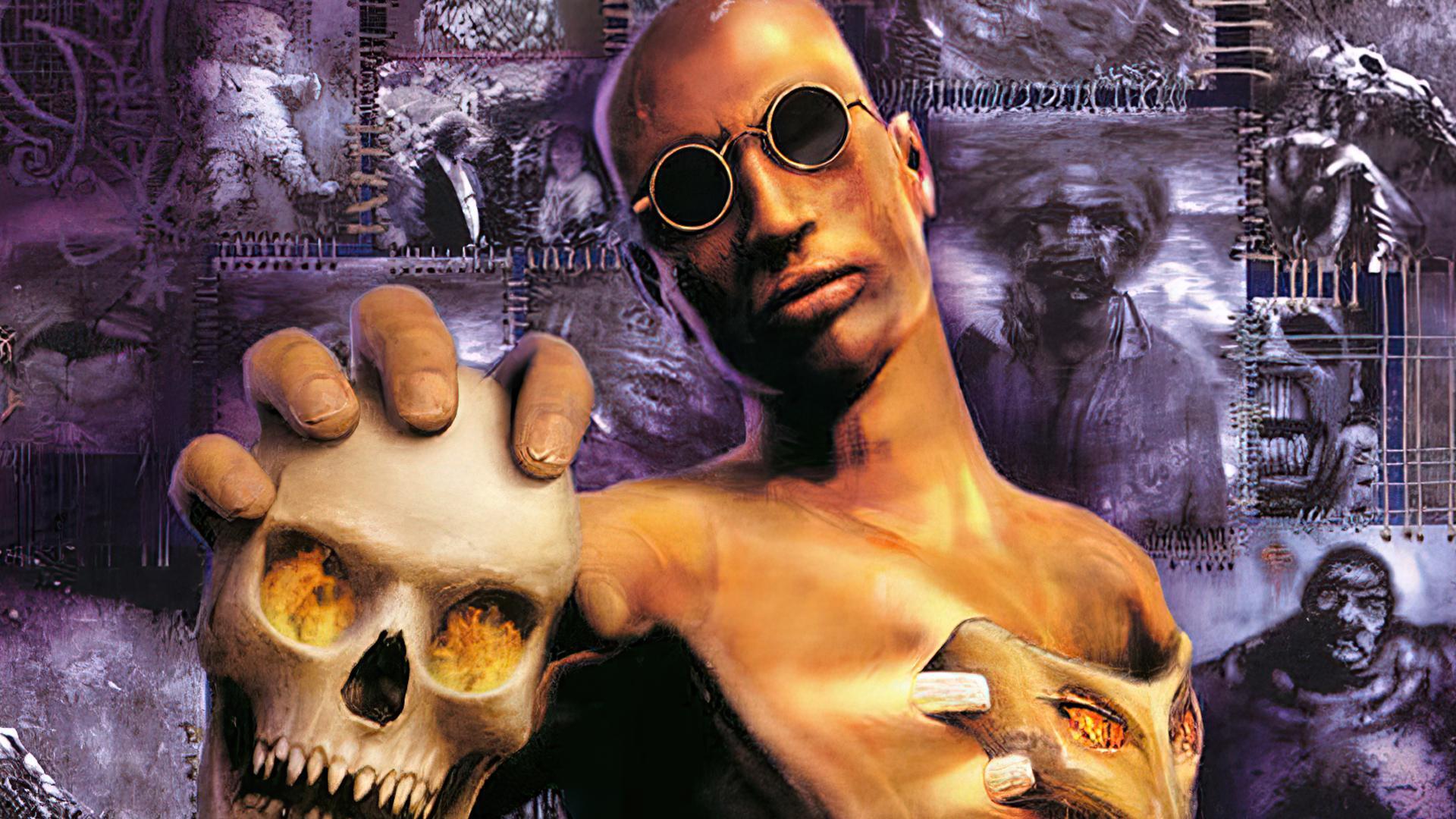
6. Shadow Man
A dark, atmospheric N64/Dreamcast title that plunged players into the horrifying realm of Deadside. As Michael LeRoi, the titular Shadow Man, you traversed grotesque landscapes, battling demons and voodoo magic. Its mature themes, non-linear level design, and unsettling lore created a truly unique horror-action-adventure experience. Though technically ambitious for its era, it suffered from clunky controls and a fragmented narrative that kept it from widespread acclaim, but its distinctive vision still resonates with fans today.
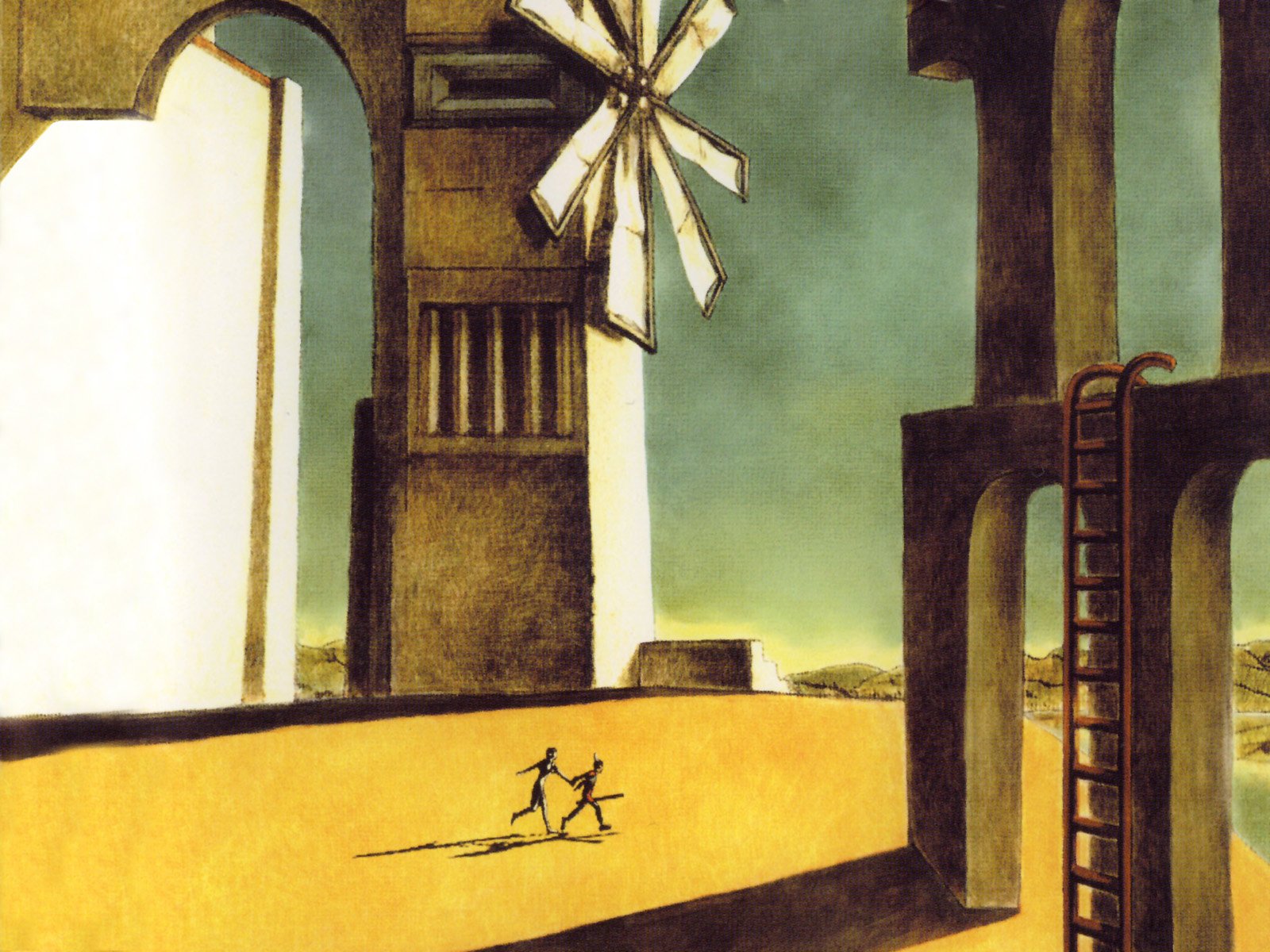
7. ICO
A masterpiece of minimalist design and emotional storytelling. As a young boy, Ico, you guide a mysterious girl, Yorda, through a vast, ethereal castle, solving environmental puzzles and fending off shadow creatures. The game’s focus on companionship, subtle non-verbal cues, and a hauntingly beautiful aesthetic created an unparalleled sense of wonder and vulnerability. Its quiet elegance and innovative "hand-holding" mechanic influenced many subsequent titles, proving that powerful narratives don't always need complex dialogue or explicit exposition.
8. Radiant Historia
A Nintendo DS RPG that cleverly played with time travel. Its grid-based combat system offered strategic depth, allowing players to manipulate enemy positions for devastating combos. But the true genius lay in its "Stokelian" timeline, where choices branched into alternate histories, encouraging exploration and replayability to achieve the true ending. While the DS had many excellent RPGs, Radiant Historia’s innovative narrative structure and engaging mechanics made it stand out as a truly unique and underrated gem.
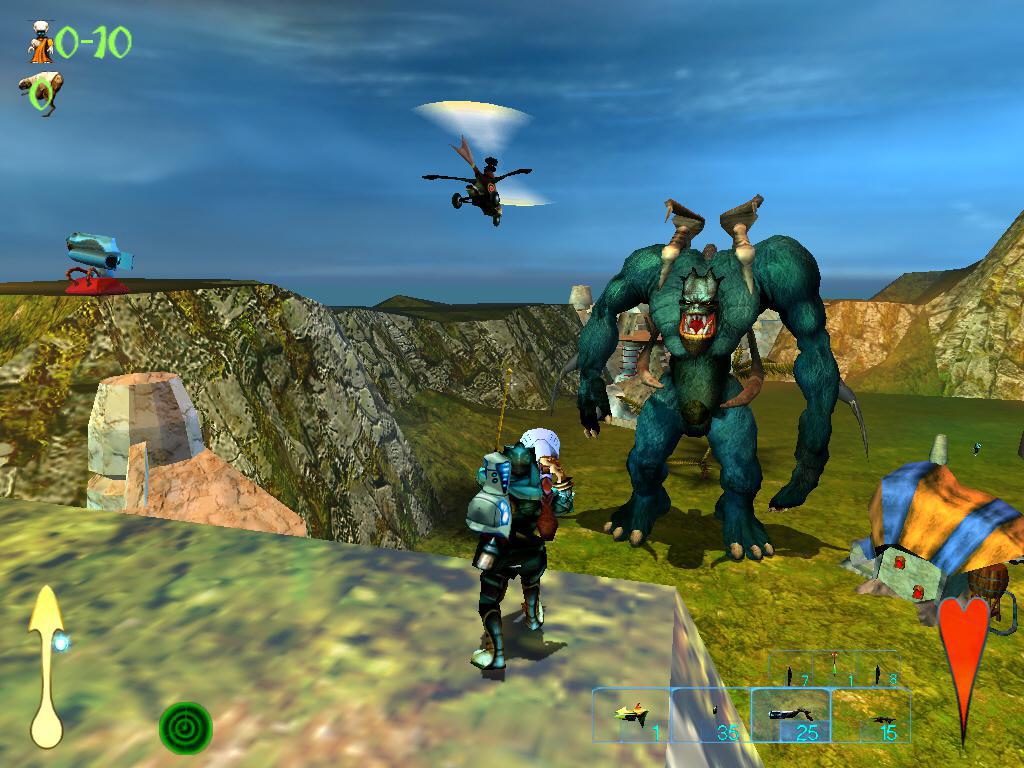
9. Giants: Citizen Kabuto
A chaotic, irreverent blend of third-person shooter, RTS, and platformer. Players switched between three distinct factions—the tiny Meccaryns, the powerful Sea Reapers, and the colossal Kabuto—each with unique gameplay mechanics and objectives. Its darkly humorous tone, vibrant world, and innovative multi-genre approach made it a memorable, if quirky, experience. Despite its ambition and charm, technical issues and a crowded market meant it never quite achieved widespread commercial success, remaining a cult favorite.