

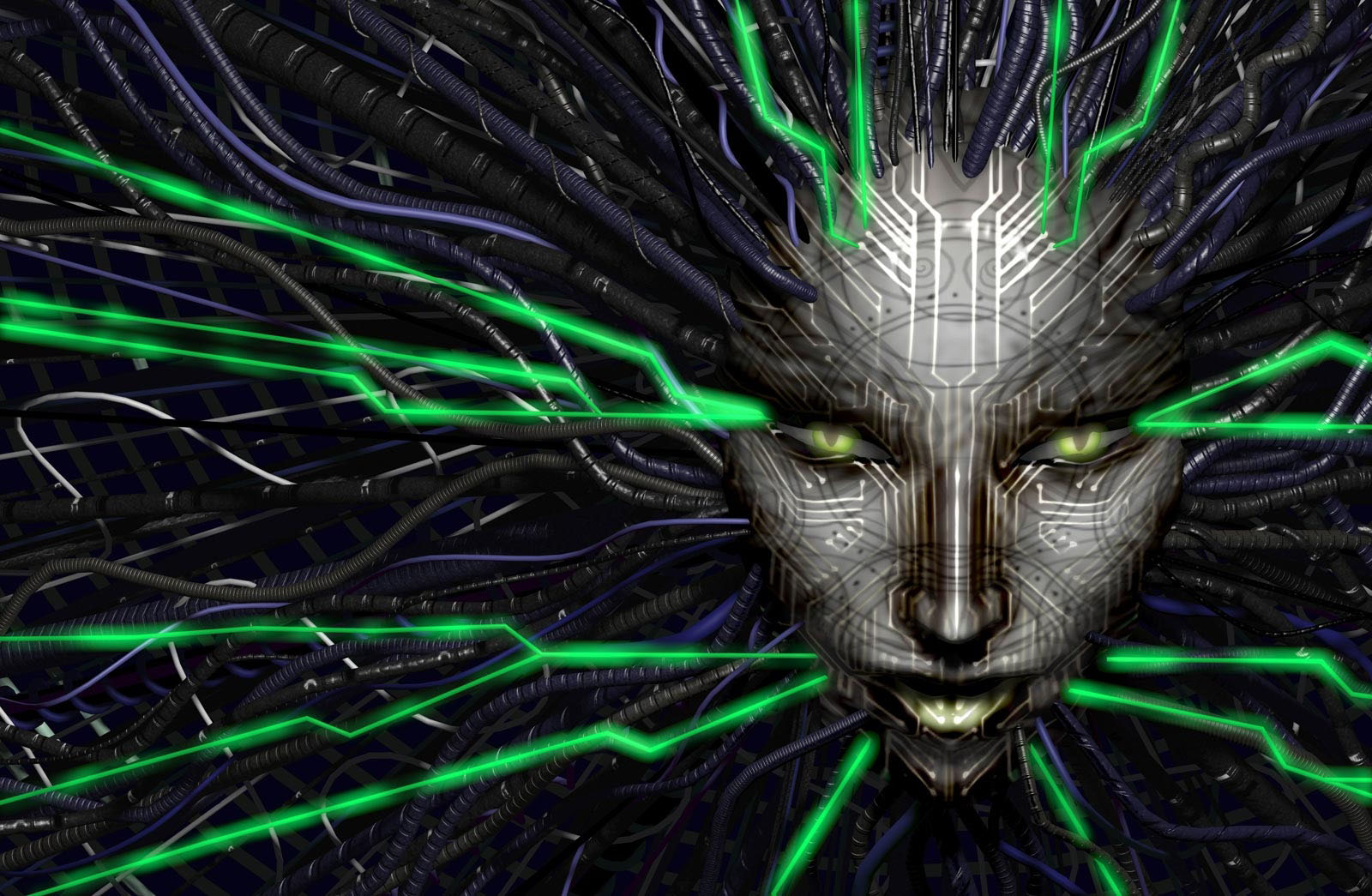
1. System Shock 2
Released in 1999, this game redefined psychological horror and emergent gameplay. Its chilling atmosphere, the iconic AI SHODAN, and the seamless blend of RPG elements with first-person action created an unparalleled sense of dread and agency. It was a masterclass in environmental storytelling, subtly influencing countless titles that followed, yet its commercial success remained limited.
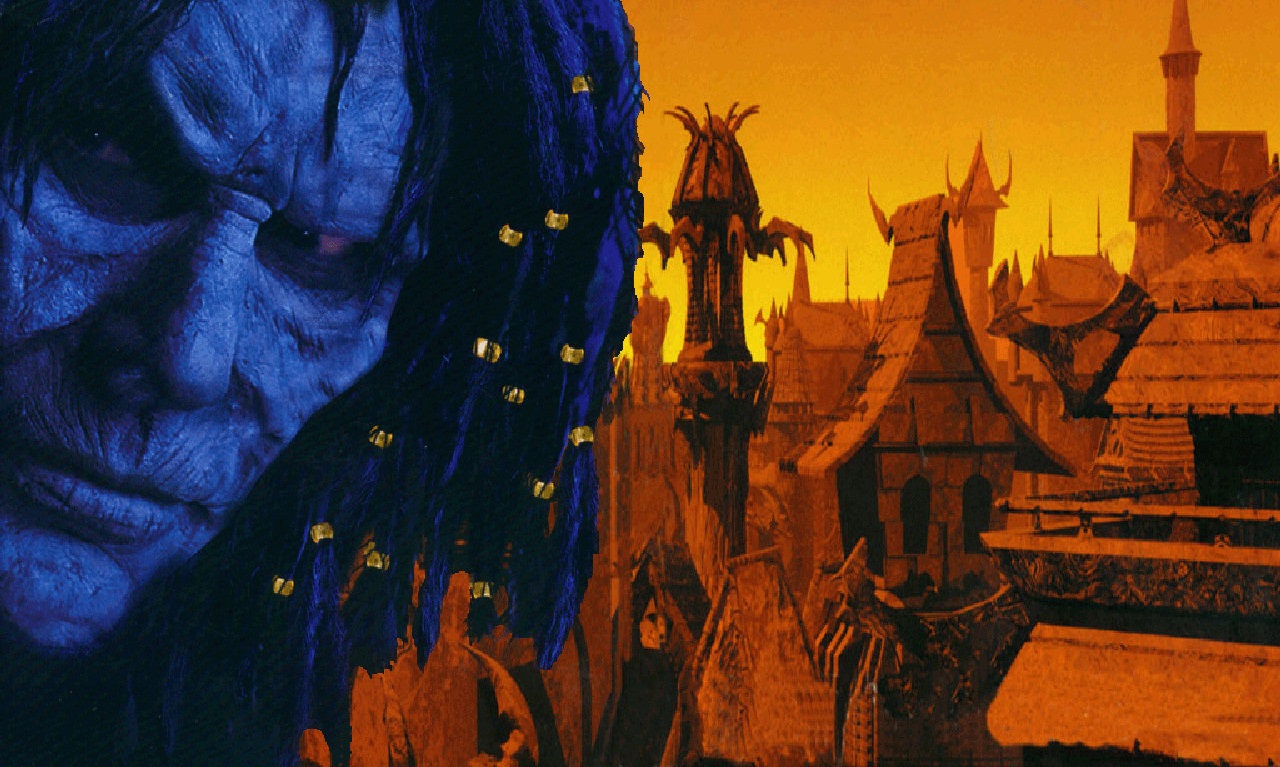
2. Planescape: Torment
This 1999 RPG prioritized narrative and philosophy over combat, delivering a story of identity, mortality, and redemption unlike any other. Its incredibly rich dialogue, unforgettable characters, and unique setting in the Planescape universe set a new standard for writing in video games. It asked profound questions and offered no easy answers, captivating a dedicated but niche audience.
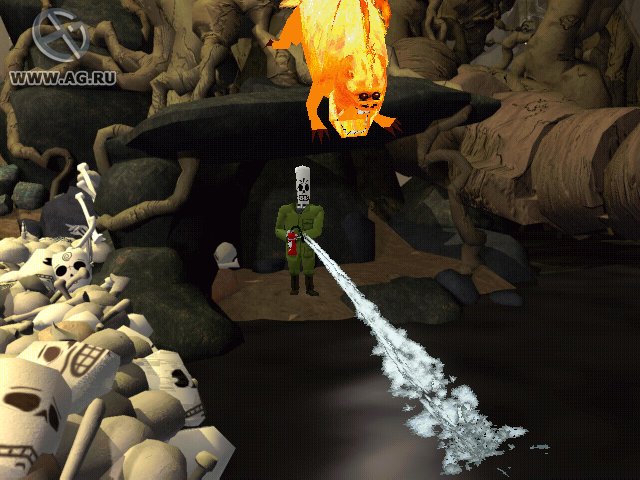
3. Grim Fandango
LucasArts' 1998 adventure masterpiece blended film noir with Mexican folklore, creating a visually stunning and hilariously witty experience. Manny Calavera's journey through the Land of the Dead was a triumph of character design and smart puzzles. Despite critical acclaim for its narrative and art direction, it struggled against the declining adventure game market, becoming a cult classic.

4. Okami
Released in 2006, this PlayStation 2 gem was a vibrant, cel-shaded action-adventure game inspired by Japanese mythology. Its innovative 'Celestial Brush' mechanics allowed players to literally paint solutions into the world. While lauded for its breathtaking art style, unique gameplay, and heartfelt story, Okami's sales were modest, proving that beauty and innovation don't always guarantee mainstream success.
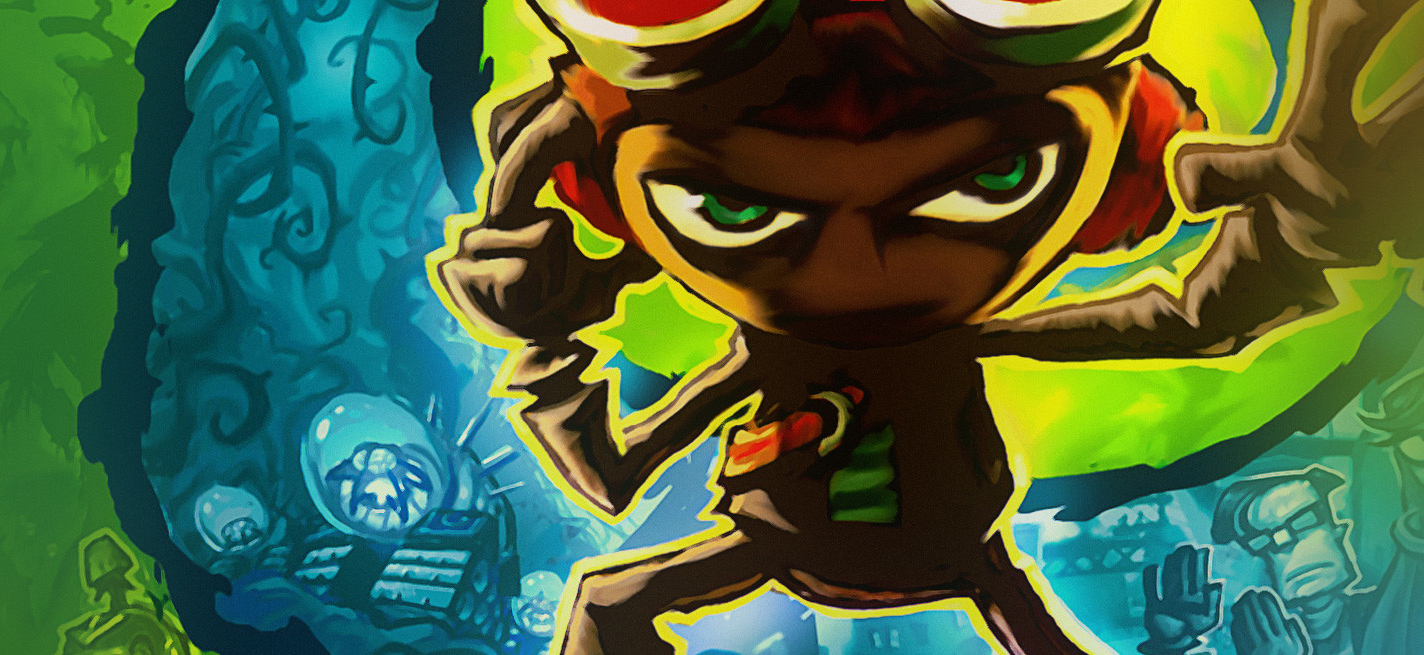
5. Psychonauts
Double Fine's 2005 platformer took players into the minds of others, exploring complex psychological themes with humor and heart. Its imaginative level design, memorable characters, and clever mechanics made it a critical darling. Despite being an incredibly original and endearing experience, it initially underperformed commercially, only later finding its well-deserved recognition.

6. killer7
Suda51's 2005 cel-shaded, on-rails shooter was a cryptic, hyper-stylized fever dream. Its fragmented narrative, stark visuals, and unconventional gameplay left many players bewildered. A provocative and unapologetically experimental title, killer7 embraced its niche, challenging perceptions of what a video game could truly be, even if it alienated a wider audience.

7. Eternal Darkness: Sanity's Requiem
This 2002 GameCube exclusive redefined psychological horror. It masterfully manipulated players' perceptions with its groundbreaking 'Sanity Effects,' breaking the fourth wall in unsettling ways. Its intricate narrative, spanning centuries, and innovative gameplay elements were widely praised, yet it remained a hidden gem for many, its brilliance appreciated by a dedicated few.
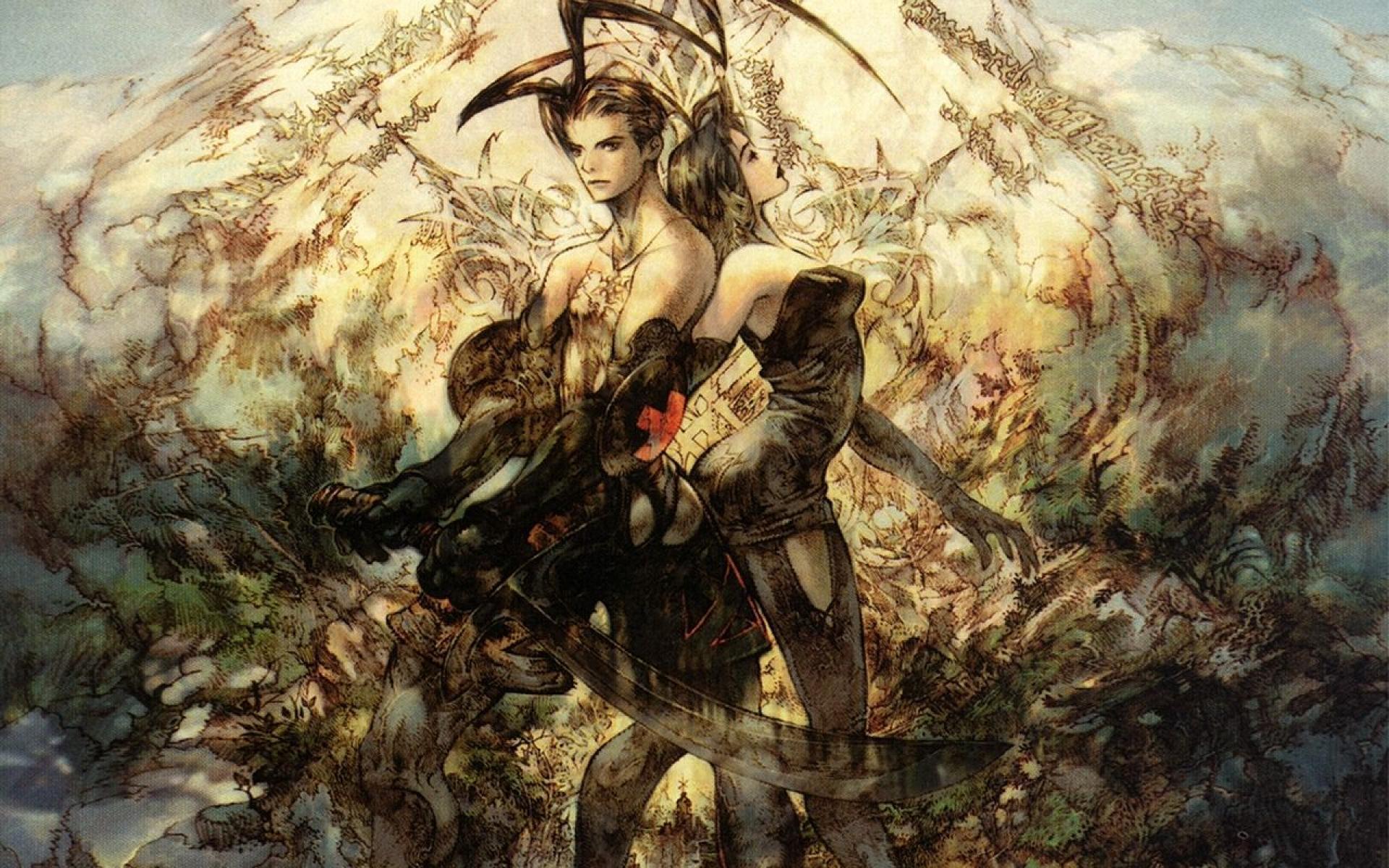
8. Vagrant Story (2000)
This PlayStation JRPG from 2000 offered a uniquely intricate combat system, a compelling, mature narrative, and stunning pre-rendered environments. Ashley Riot's grim journey through the city of Leá Monde was a dark fantasy masterpiece. Its challenging mechanics and dense lore made it a niche favorite, a testament to Square's willingness to experiment beyond typical Final Fantasy tropes.
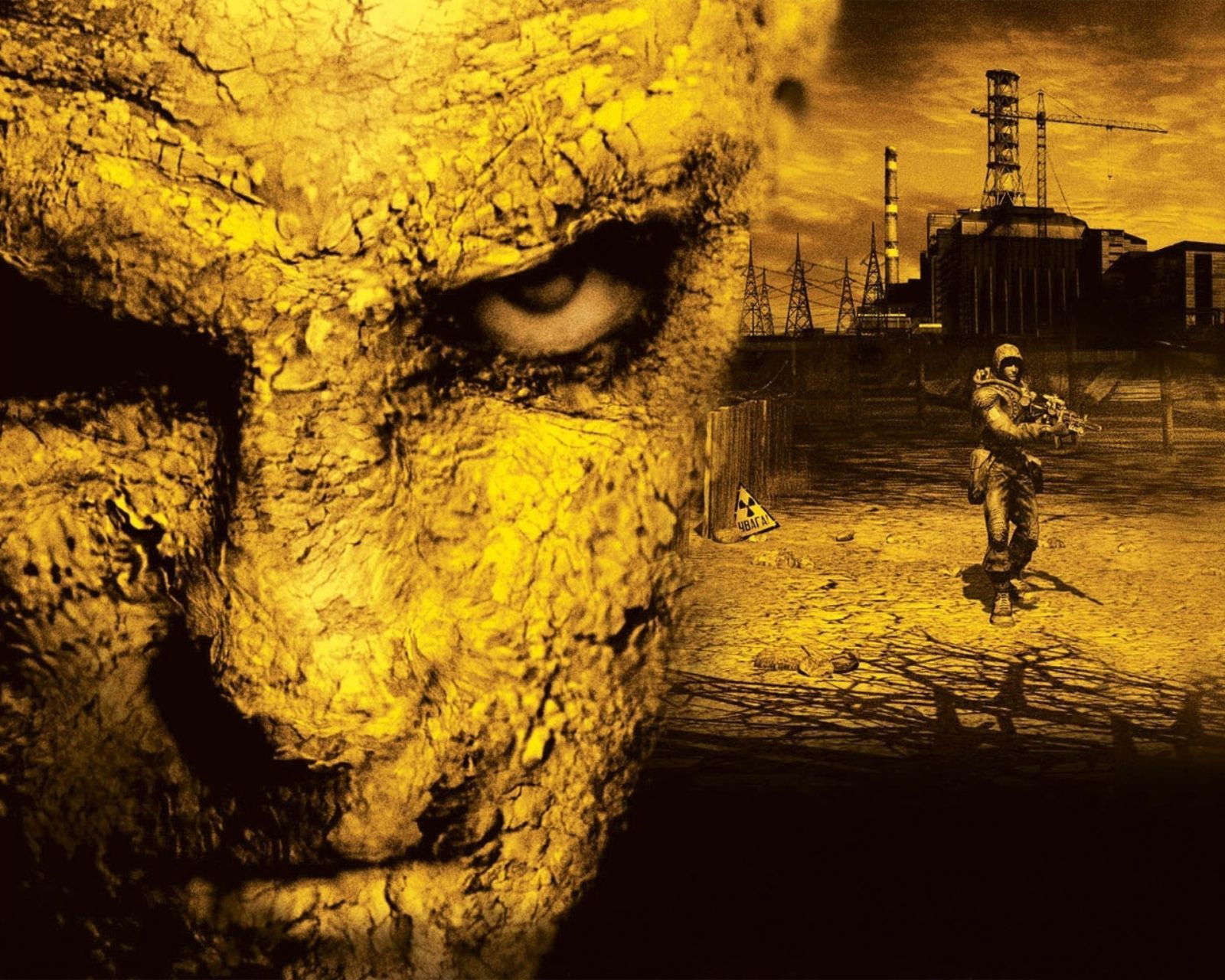
9. S.T.A.L.K.E.R.: Shadow of Chernobyl
Released in 2007, this Ukrainian-developed FPS plunged players into the desolate, irradiated Zone surrounding Chernobyl. Its oppressive atmosphere, unforgiving survival mechanics, and emergent open-world gameplay created a truly unique and influential experience. It was a raw, gritty, and deeply immersive game that demanded patience and rewarded exploration, fostering a dedicated following.