
1 / 9
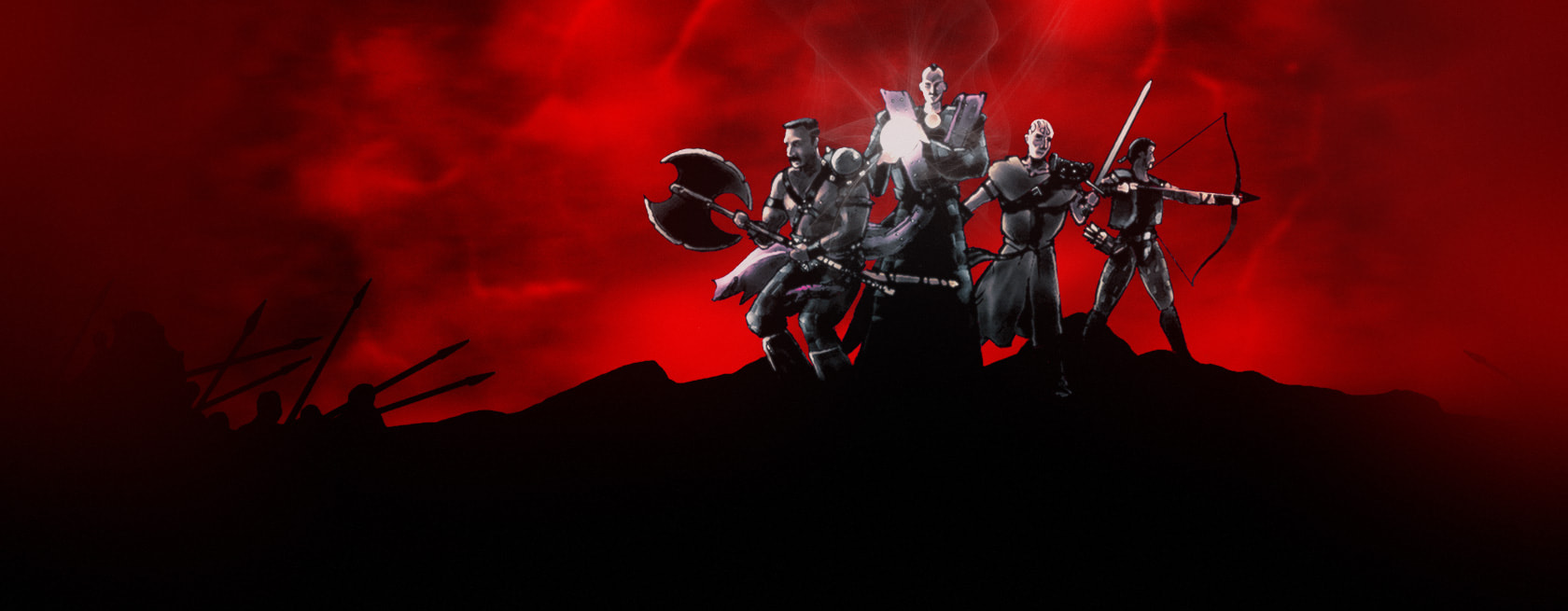
1. Gothic
Okay, so the original *Gothic* from 2001 isn't pretty, and it plays like a drunk brick, but it's pure, unadulterated PC RPG gold. Forget quest markers and hand-holding; this game drops you into a brutal, living world where every choice matters and surviving means earning respect. It’s got an atmosphere few modern, focus-grouped open worlds can touch, proving sometimes clunky mechanics breed genuine immersion. This is where you go for a truly *epic*, uncompromising fantasy experience.
2 / 9
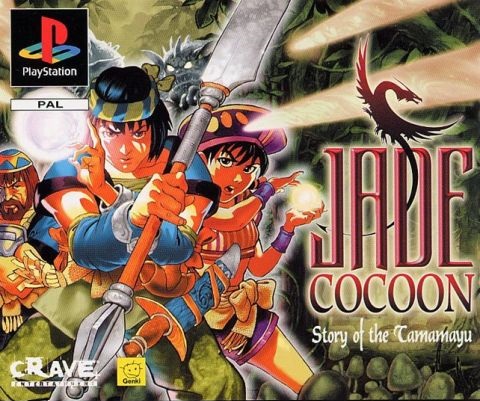
2. Jade Cocoon: Story of the Tamamayu
This PS1 gem is a forgotten JRPG marvel. You're a Cocoon Master, capturing and then *fusing* monsters in a stunning Ghibli-esque world, creating entirely new creatures with unique abilities. It's got a melancholic beauty to its narrative, a distinct art style that still holds up, and a monster-breeding system far deeper than most realize. If you’re tired of the same old creature-collecting formulas, this is your breath of fresh air.
3 / 9
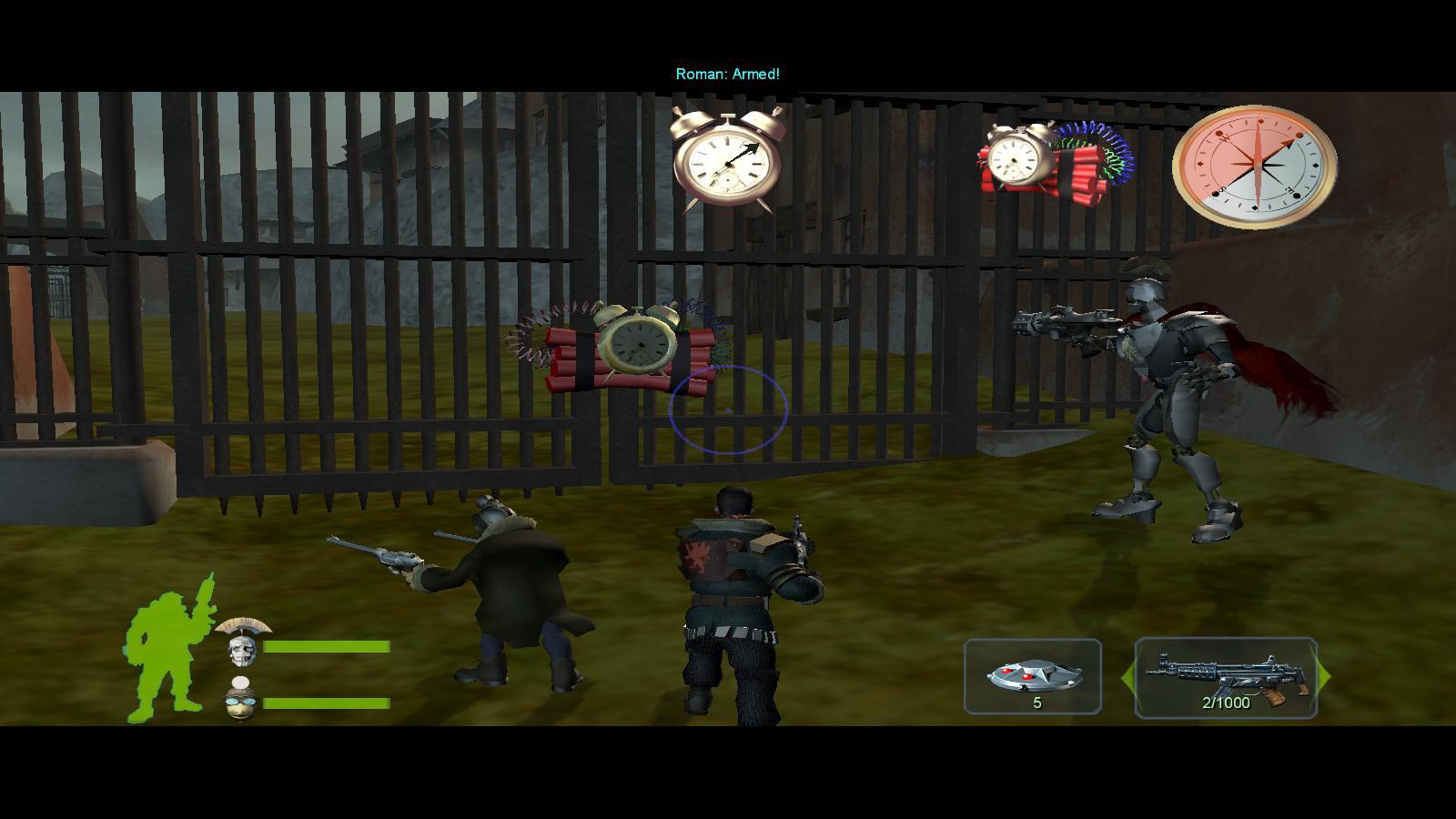
3. Armed and Dangerous
Before every open-world game became a checklist of repetitive tasks, there was *Armed and Dangerous* (2003). This third-person shooter was pure comedic genius, loaded with absurd weapons like the Land Shark Gun and a genuinely hilarious script. It never took itself seriously, delivering short, punchy missions and inventive mechanics without the modern bloat. It's a masterclass in how to be fun and irreverent, a truly forgotten FPS gem.
4 / 9
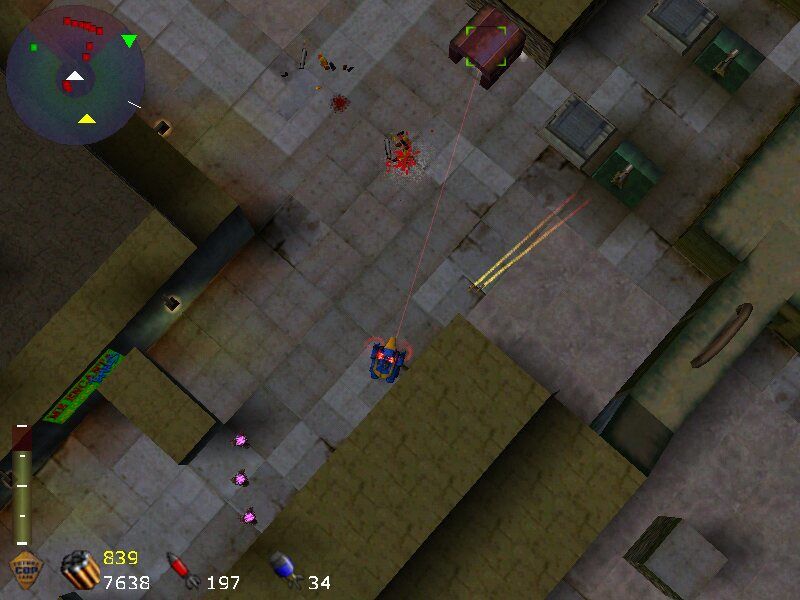
4. Future Cop: LAPD
Remember when games innovated wildly? *Future Cop: LAPD* (1998) on the PS1 gave us a mech-shooter campaign AND a groundbreaking, two-player "Precinct Assault" mode. This mode was essentially a proto-MOBA/tower defense, years before those terms even existed. It had base building, unit spawning, and lane pushing, all in split-screen. It’s a visionary title that proved a single game could deliver two completely different, equally compelling experiences.
5 / 9
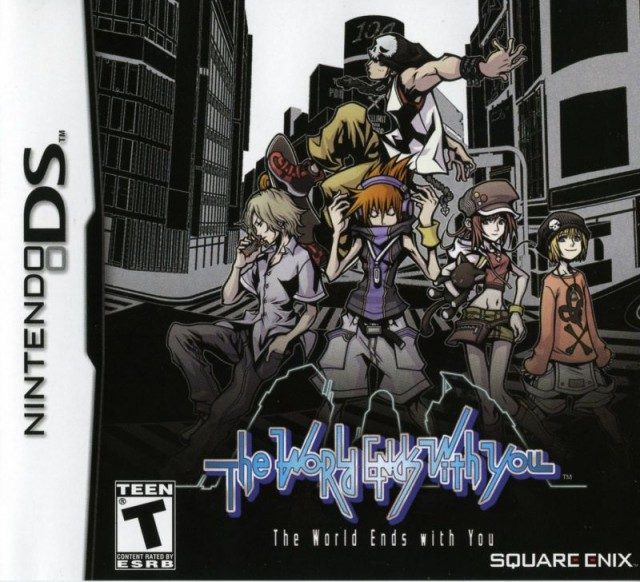
5. The World Ends With You DS
Look, the DS version of *The World Ends With You* (2007) is the definitive experience, full stop. Its dual-screen combat, forcing you to manage two characters simultaneously, was brilliant, utilizing the DS's unique hardware perfectly. The Shibuya setting, fashion, and legendary soundtrack created an unforgettable, stylish JRPG that subsequent ports just couldn't quite recapture. It’s a testament to bold, platform-specific design that the industry rarely attempts anymore.
6 / 9
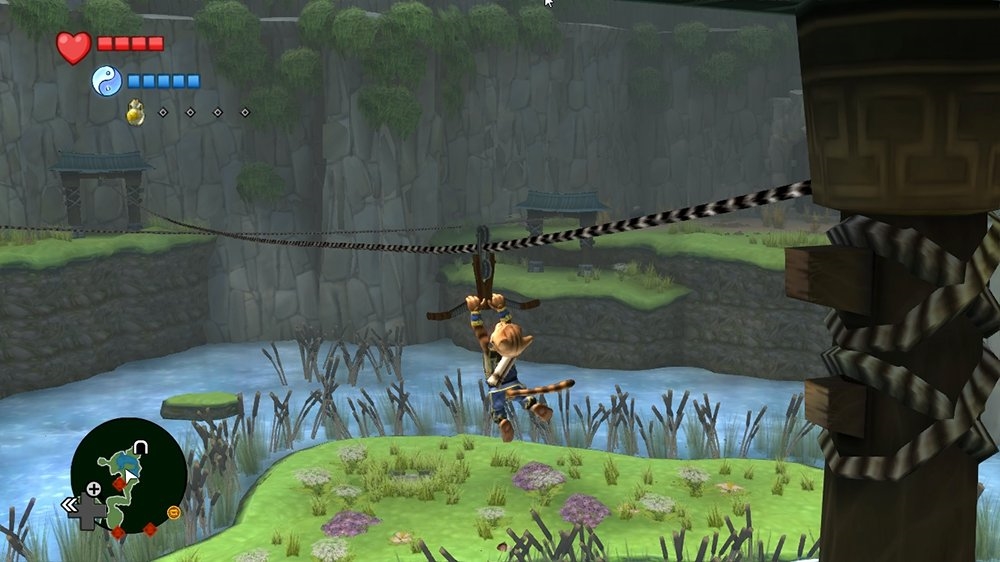
6. Legend of Kay Anniversary
While the "Anniversary" tag screams remaster, the core of *Legend of Kay* (originally PS2) is a solid 3D platformer with excellent combat. It blends hack-and-slash with satisfying platforming, wrapped in a charming Eastern-inspired aesthetic. This isn't some soulless open-world collectathon; it's a focused, well-crafted adventure from an era when character action platformers weren't an endangered species. A reminder of how good these games used to be.
7 / 9
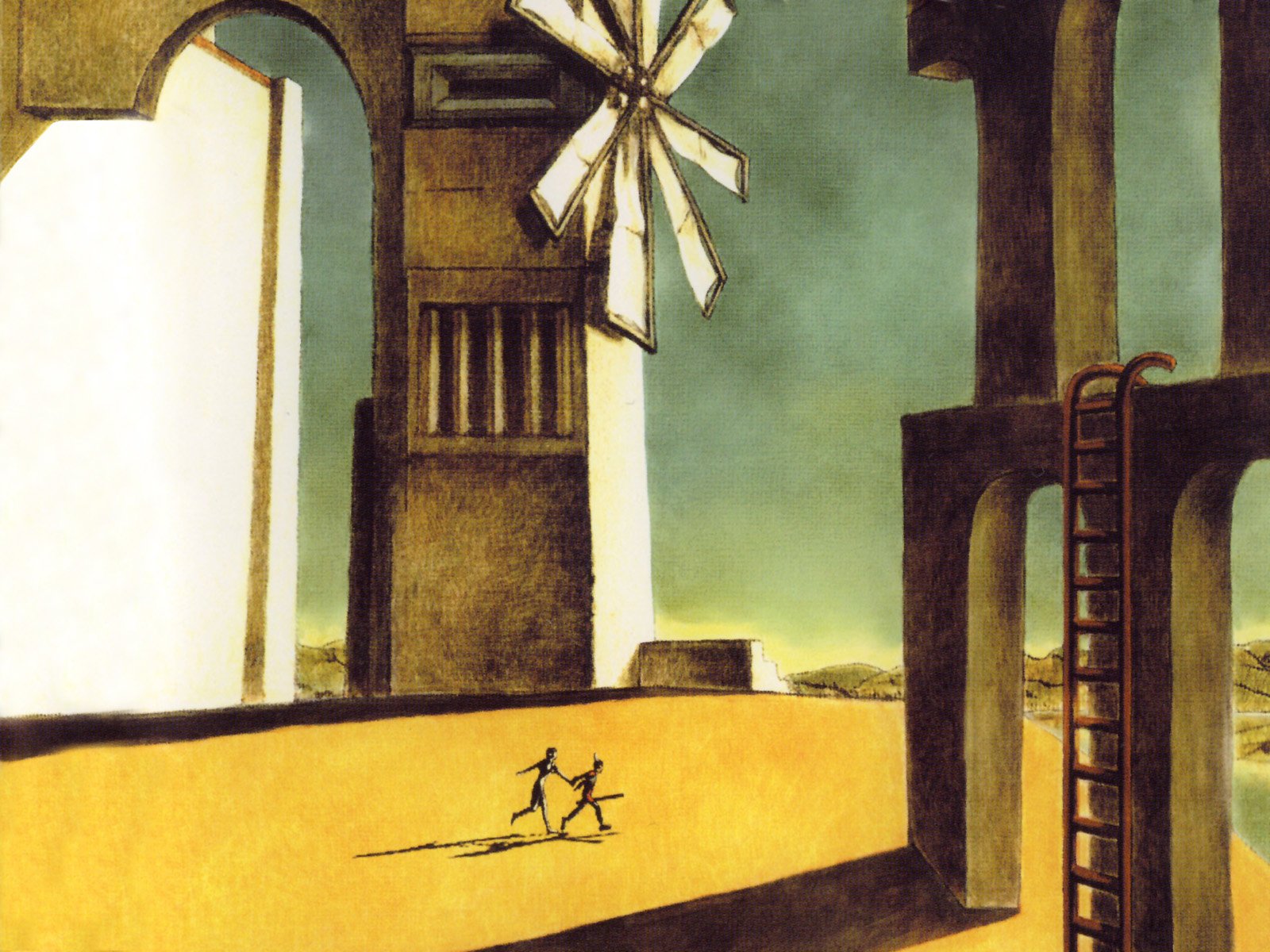
7. ICO
*ICO* (2001) isn't just a game; it's an experience. Team Ico's PS2 masterpiece is a masterclass in minimalist storytelling and atmosphere. Leading Yorda through that desolate castle, holding her hand, felt genuinely meaningful. It eschewed dialogue for environmental narrative and emotional connection, proving that artful design and subtle mechanics can create profound impact without a single UI element screaming at you. Pure, unadulterated artistic vision.
8 / 9
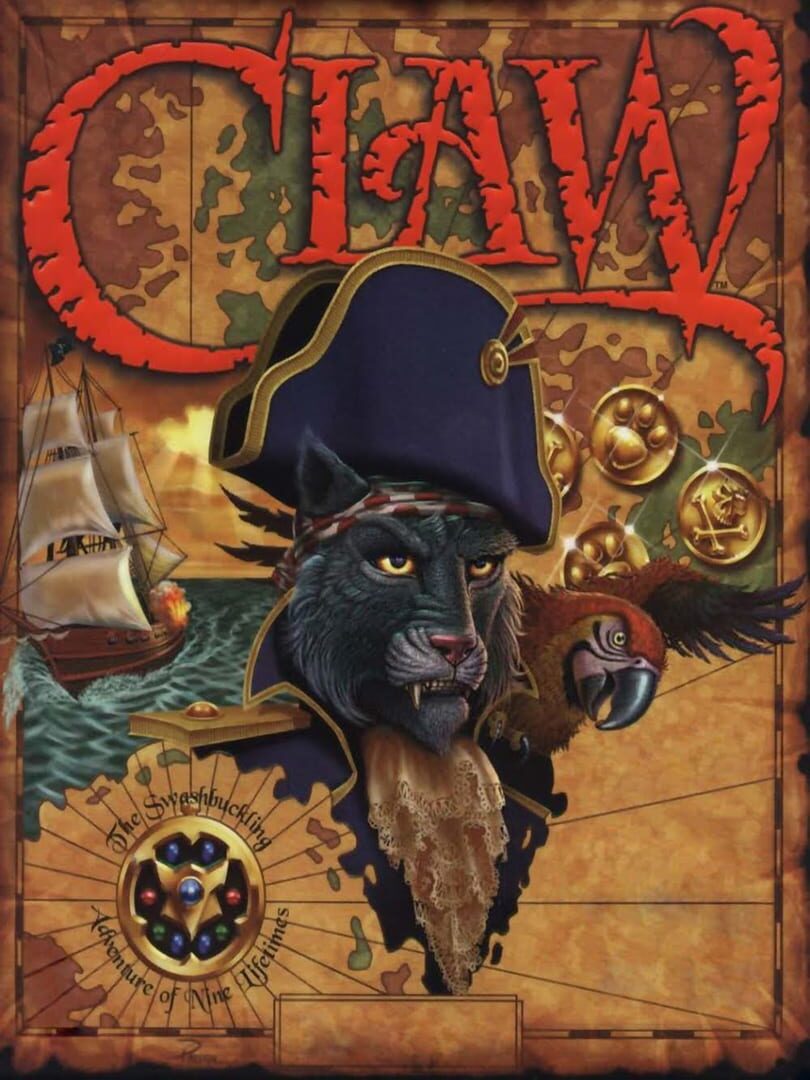
8. Captain Claw
Before Monolith was making *F.E.A.R.* or *Shadow of Mordor*, they gave us *Captain Claw* (1997), a 2D platformer with surprising depth. This isn't just jumping and hitting; Claw has an actual combat system with combos and power-ups that feels incredibly satisfying. The pixel art is gorgeous, the level design intricate, and it’s a pirate adventure overflowing with personality. A true PC classic that proves 2D action can be incredibly sophisticated.
9 / 9
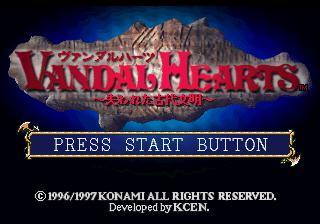
9. Vandal Hearts
If you're craving a tactical RPG that doesn't pull its punches, *Vandal Hearts* (1996) on the PS1 is your game. It’s got a surprisingly dark, mature story for its era, and the grid-based combat is challenging, often brutal, and deeply rewarding. Forget modern hand-holding; this game demands strategic thinking and punishes mistakes. It's a foundational TRPG that laid groundwork for many, but often gets overshadowed.