
1. Omikron: The Nomad Soul
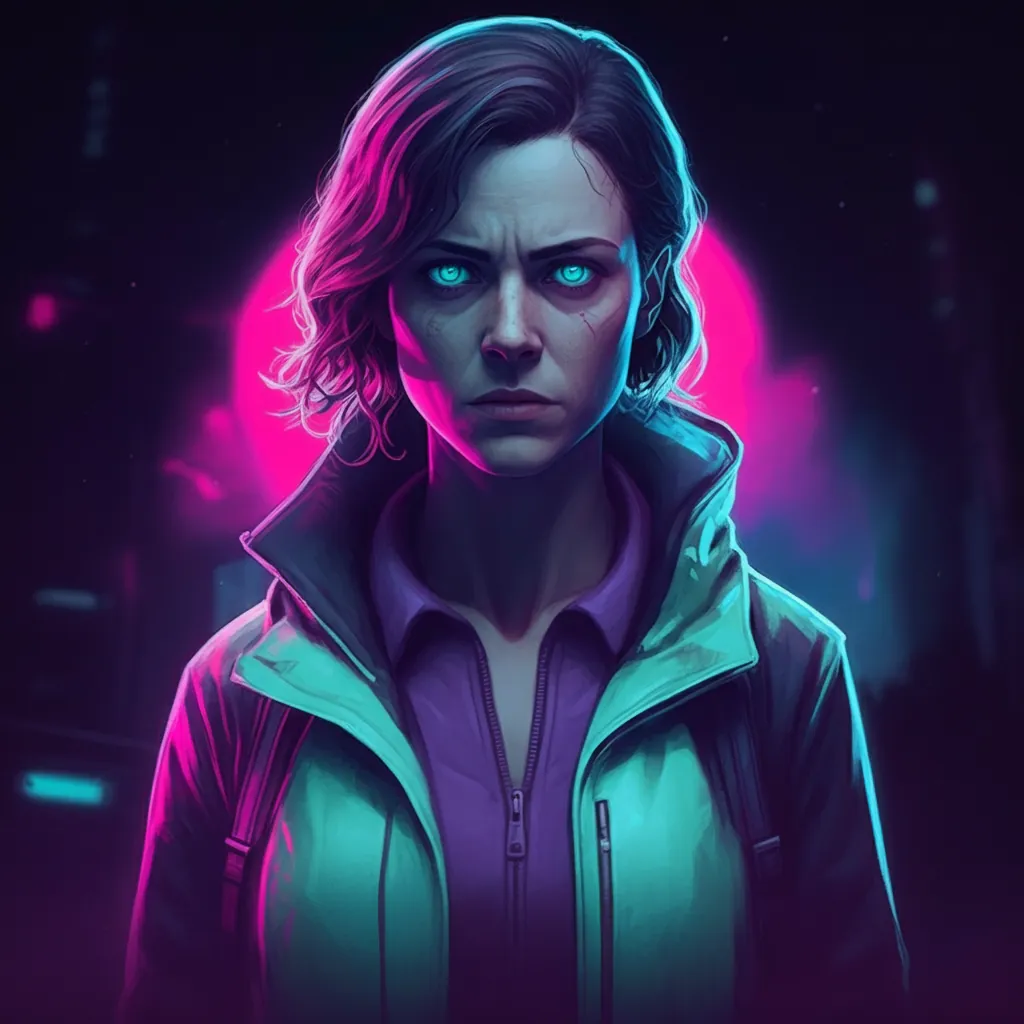
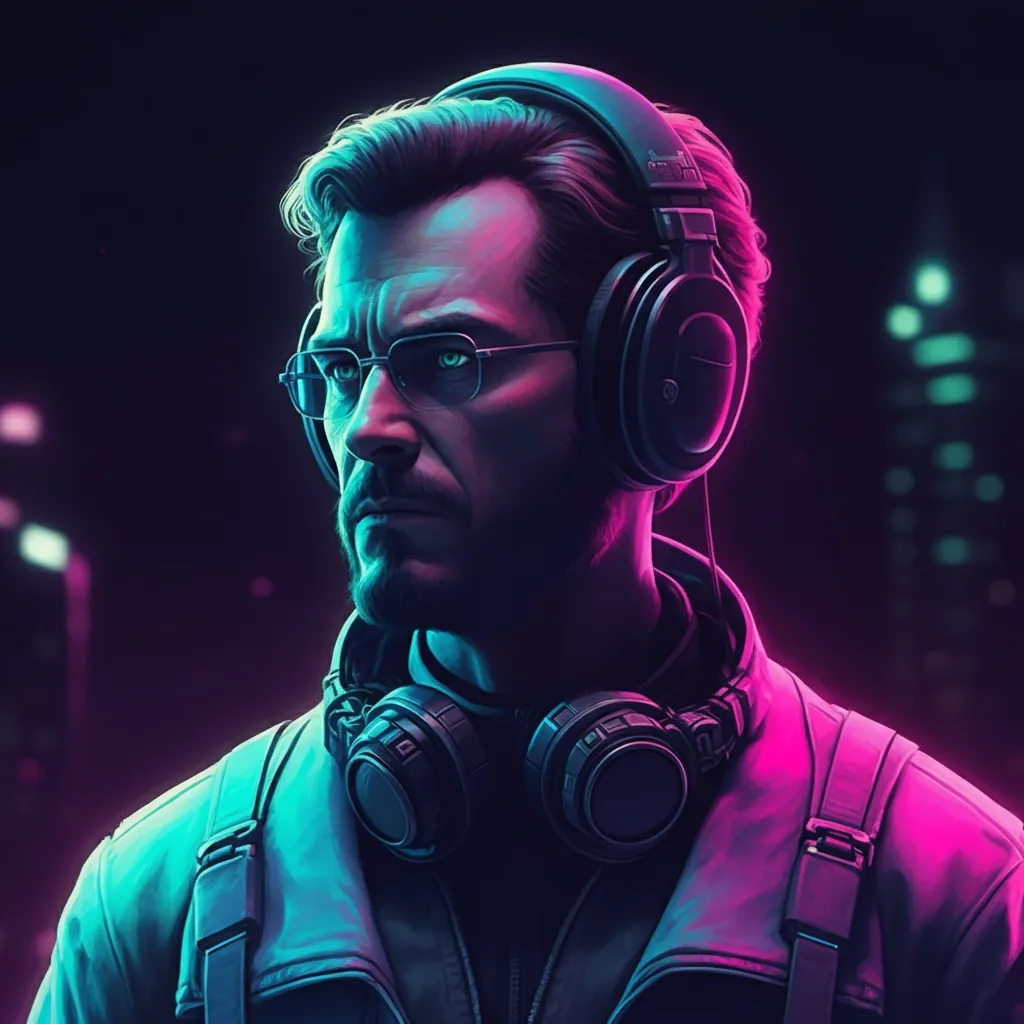
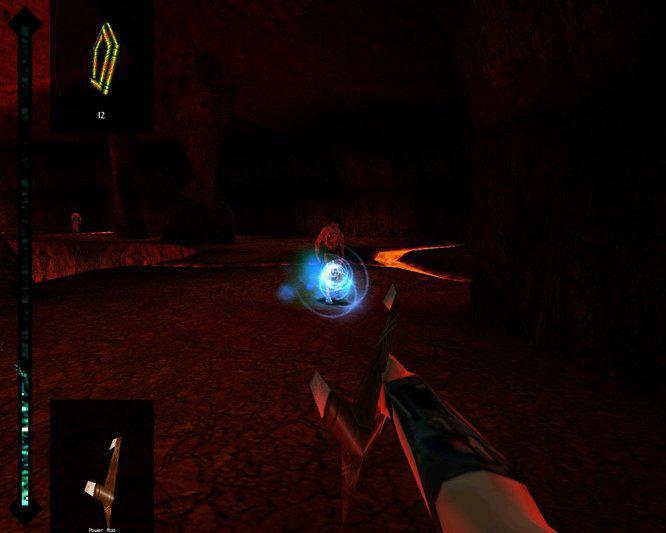
This game was a wild, ambitious mess, a true relic from an era when developers just threw everything at the wall. You've got adventure game elements, third-person shooting, fighting game mechanics, and even a David Bowie cameo (and soundtrack!). It’s clunky, sure, but its sheer audacity and bizarre, cyberpunk-meets-spiritual world deserved more than its cult status. Publishers now would demand focus groups and triple-A polish, sucking all the soul out of such a unique vision.
2. Pathologic 2
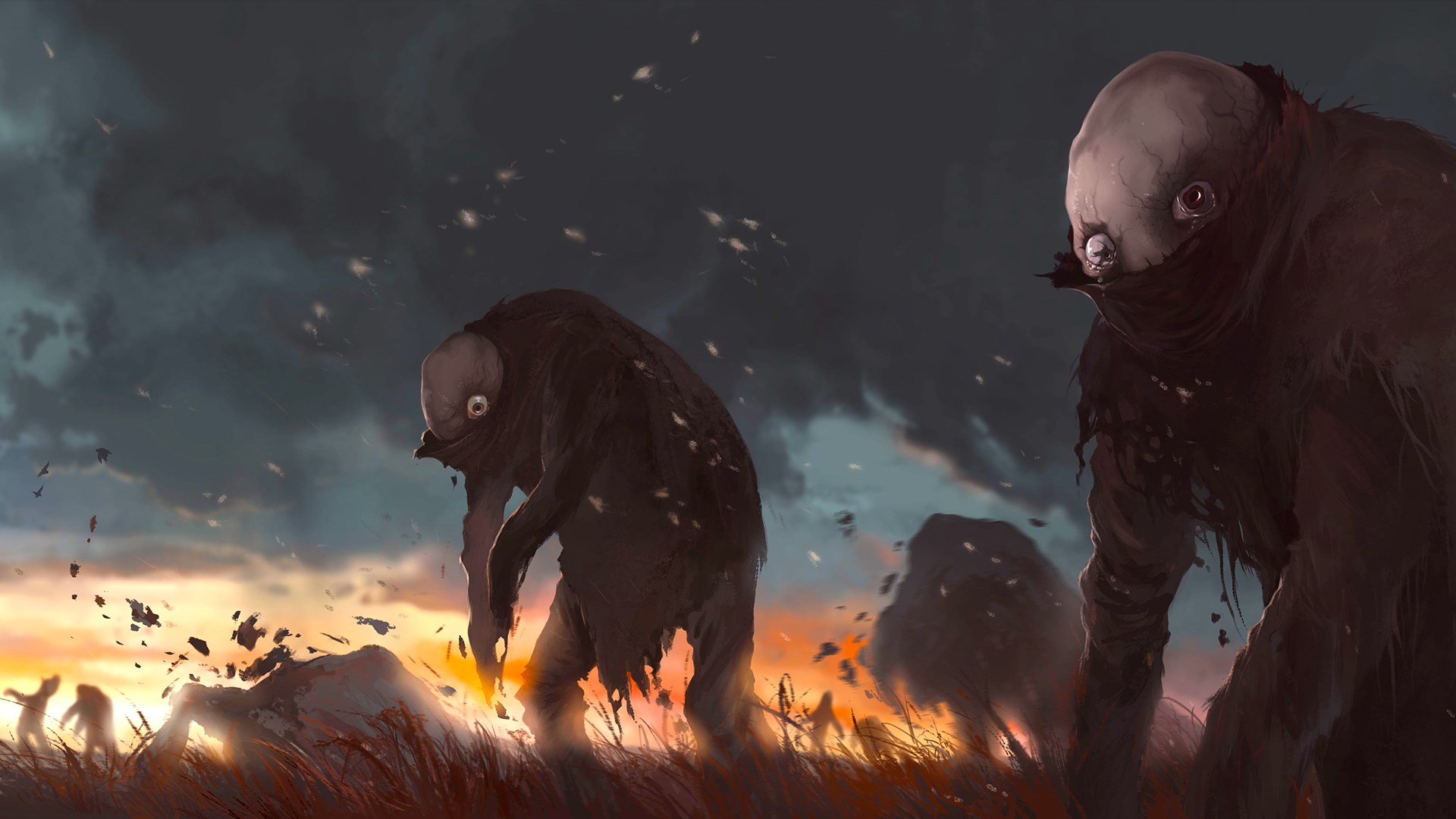
Forget hand-holding, this game actively tries to make you fail. It’s a relentless, psychological survival horror RPG where you play a doctor trying to save a plague-stricken town, often making impossible moral choices. The atmosphere is suffocating, the mechanics brutal, and the narrative deeply unsettling. It's too niche, too punishing for mainstream appeal, and publishers usually run from anything that doesn't cater to the widest possible audience. Their loss, our gain.
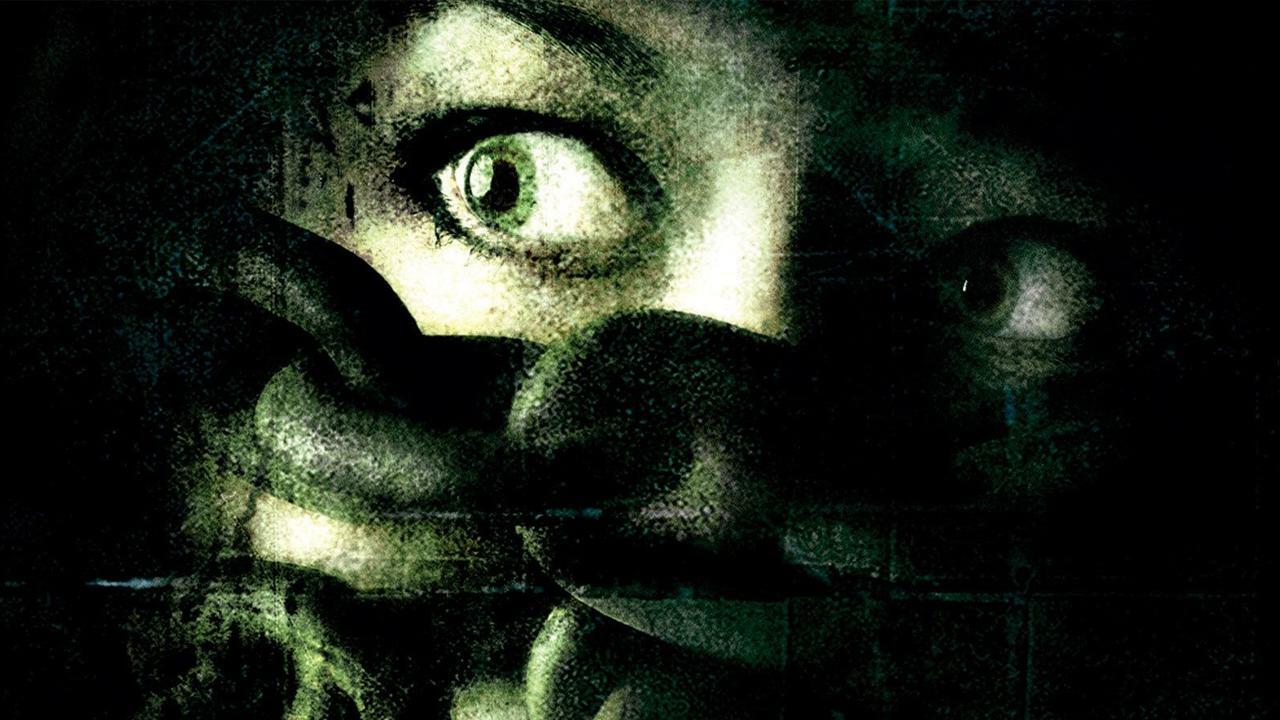
3. Condemned: Criminal Origins
Before everyone went open-world, this first-person horror game delivered raw, brutal melee combat and a genuinely unsettling atmosphere. You’re a detective hunting a serial killer, and every encounter feels desperate, every shadow a threat. It nailed the feeling of being vulnerable in a decaying urban nightmare. Today, it’d be a battle royale or live-service shooter. Publishers just don’t greenlight focused, gritty, single-player experiences like this anymore.
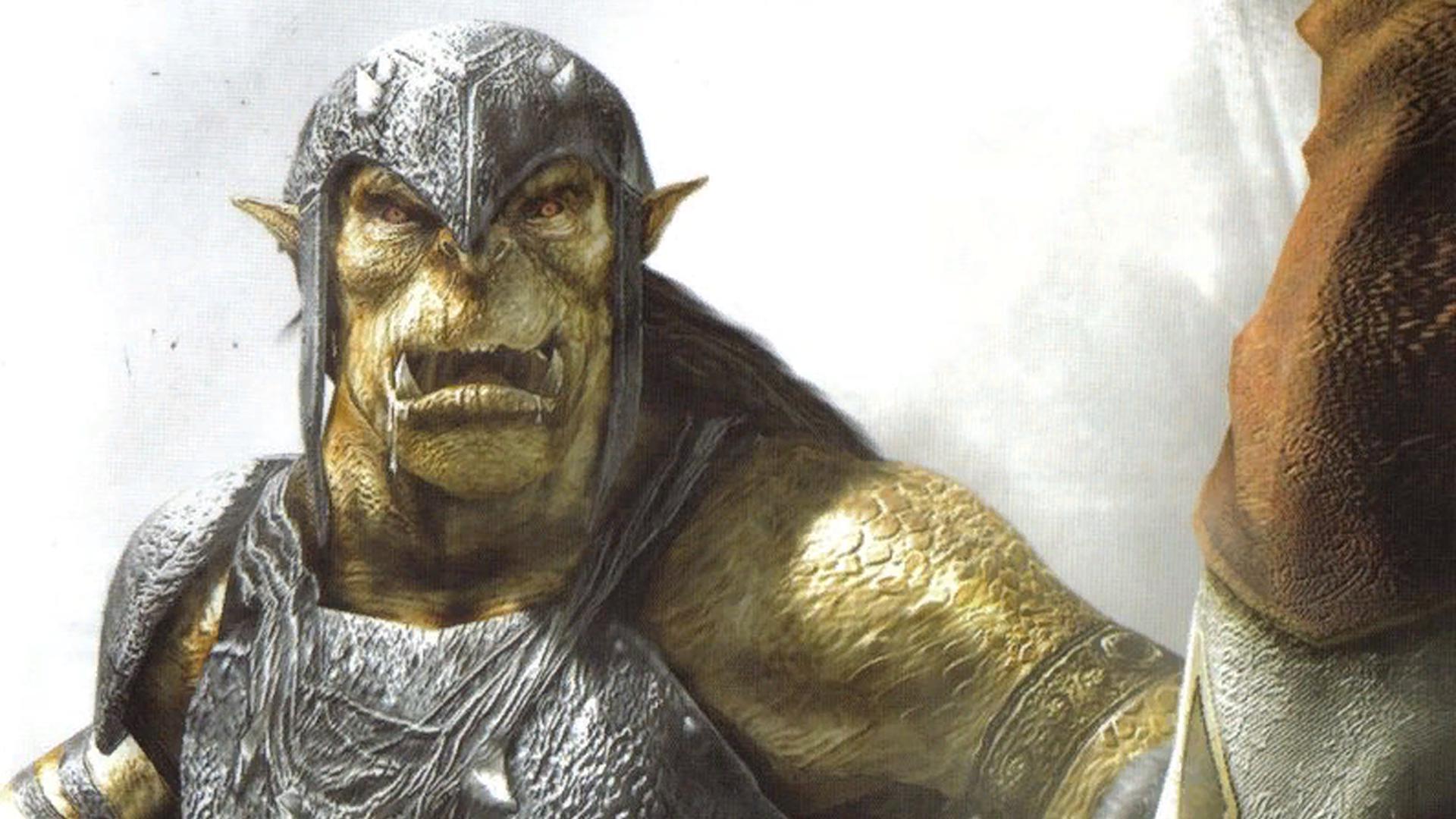
4. Dark Messiah of Might and Magic
Arkane Studios' physics-driven first-person combat was revolutionary. Kicking enemies into spikes, freezing them and shattering them, telekinetically throwing barrels – it was pure, unadulterated fun. The spells and swordplay felt visceral and tactical, a far cry from generic hack-and-slash. It never got the recognition it deserved, likely because it didn't fit neatly into a sequel-churning franchise. A truly underrated gem for those who crave innovative gameplay.
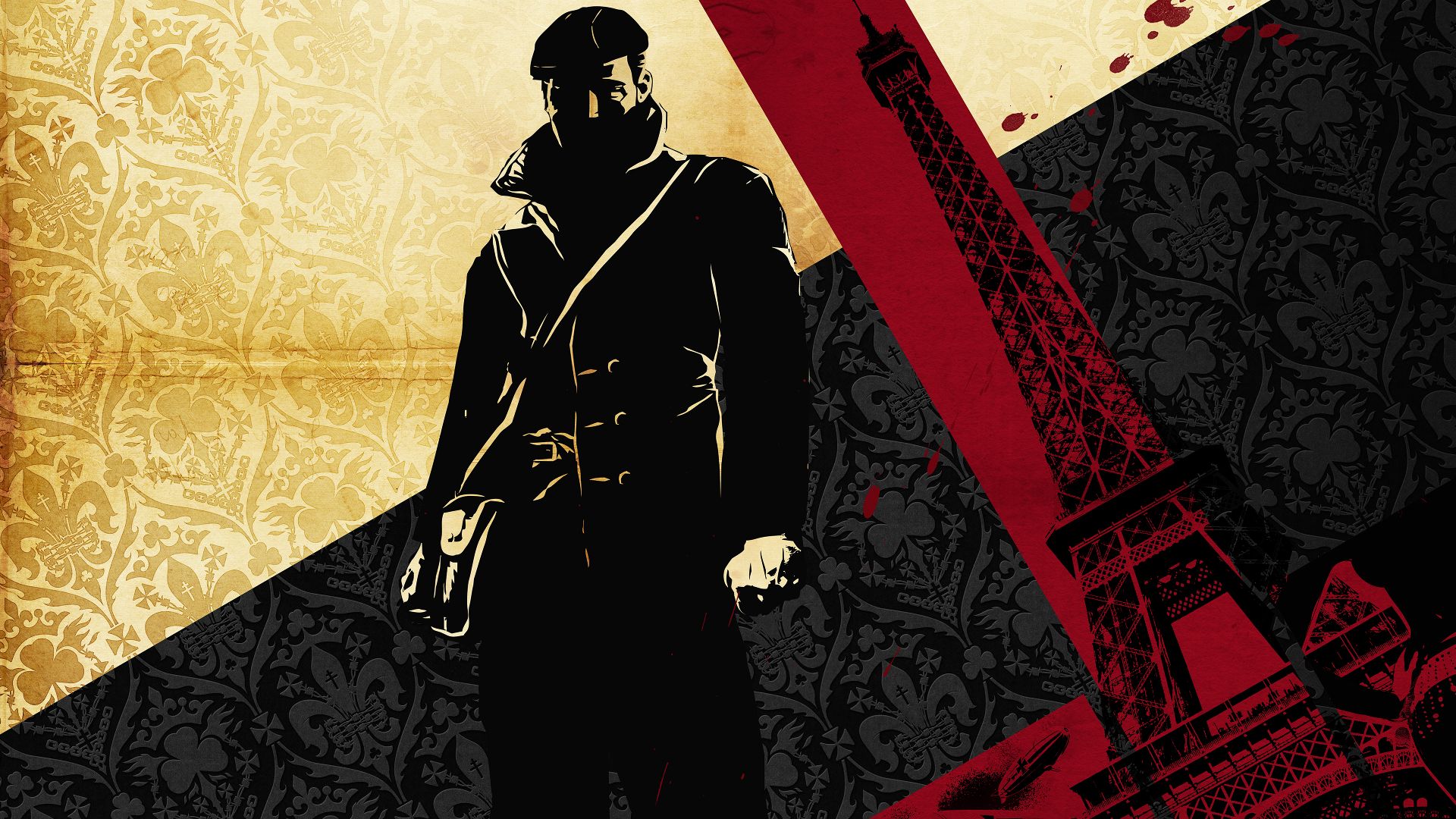
5. The Saboteur
Set in occupied Paris during WWII, this open-world action game had a phenomenal aesthetic. Areas under Nazi control were rendered in stark black and white, bursting into vibrant color as you liberated them. The stealth, explosions, and parkour were solid, but it was the style and setting that truly shone. Released late in its console generation and from a studio that soon closed, it was a beautiful swan song publishers probably wished they could replicate now.
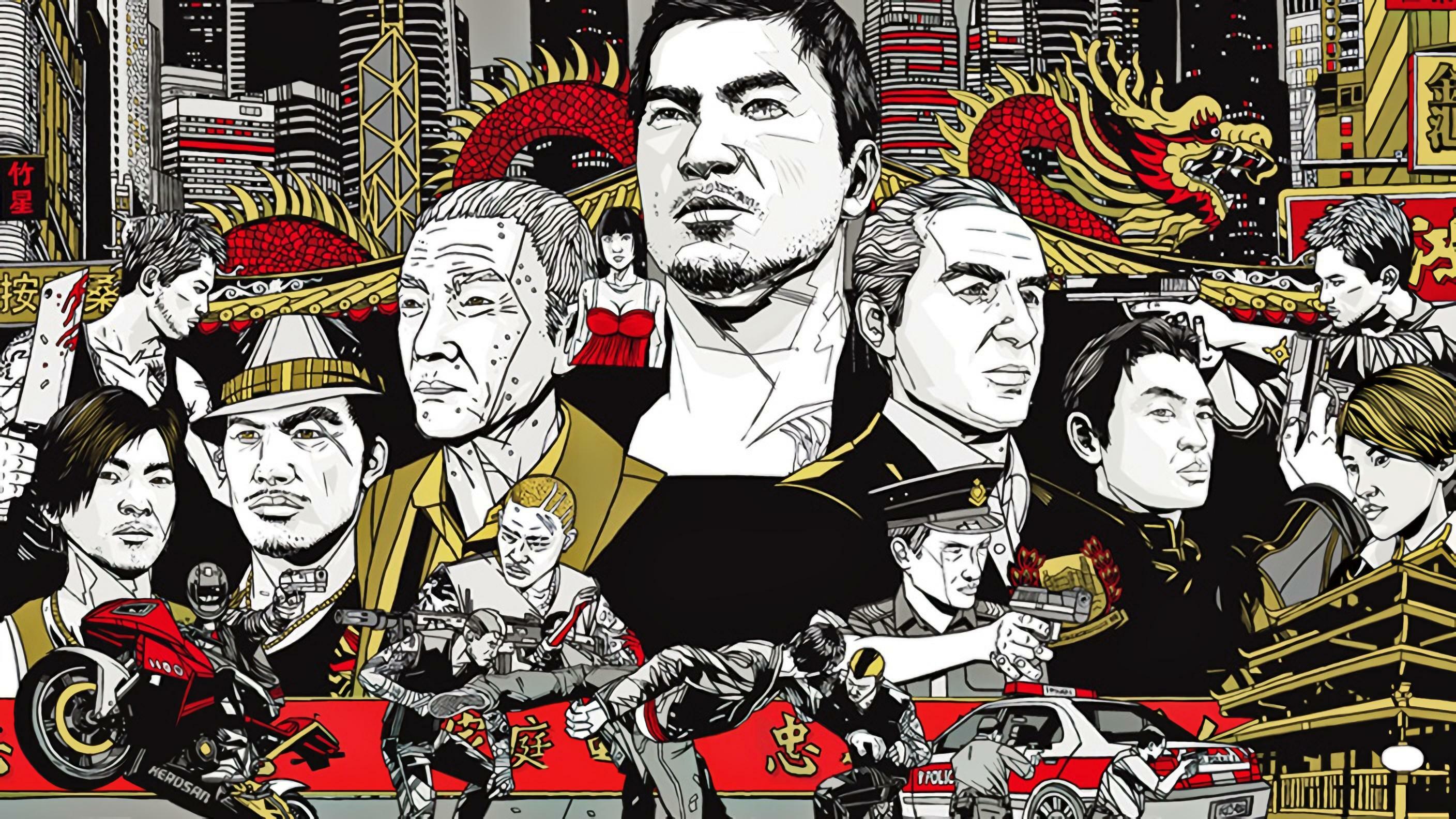
6. Sleeping Dogs
Often dismissed as "GTA in Hong Kong," Sleeping Dogs was so much more. Its martial arts combat was fluid and impactful, its story of an undercover cop deeply engaging, and the open world felt alive with its unique culture. It struggled with marketing and standing out in a crowded genre. Publishers prefer known quantities and safe bets, so an original IP this good, yet overlooked, is a painful reminder of what could have been.
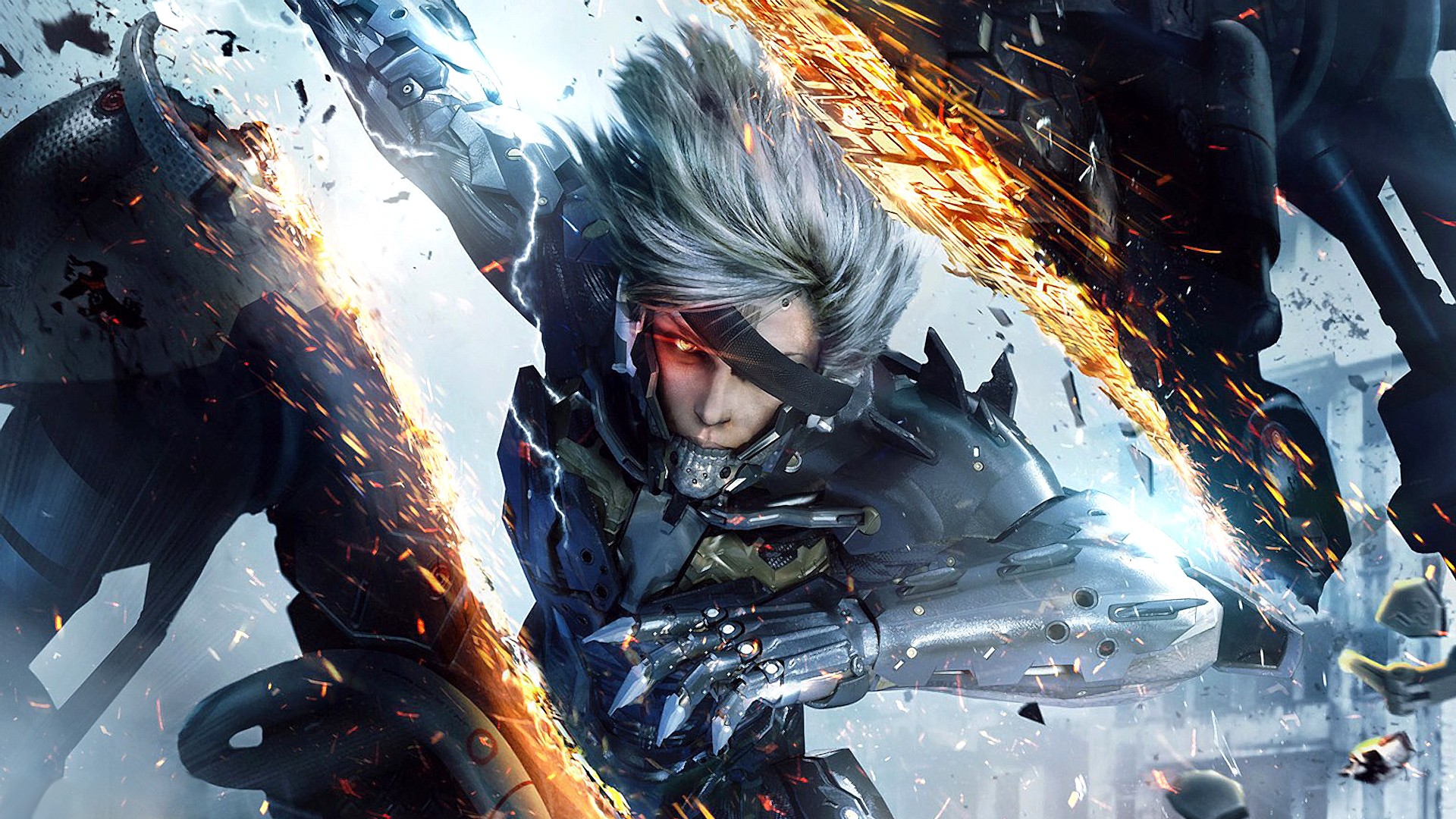
7. Metal Gear Rising: Revengeance
Pure, unadulterated, over-the-top action. Raiden slicing cyborgs into thousands of pieces with surgical precision, a killer soundtrack, and boss fights that were absolutely bonkers. This spin-off embraced its absurdity and delivered one of the best character action games ever. It’s too niche, too focused on a single, intense gameplay loop for modern publishers who demand endless content and battle passes. It just wanted to be awesome, and it succeeded.
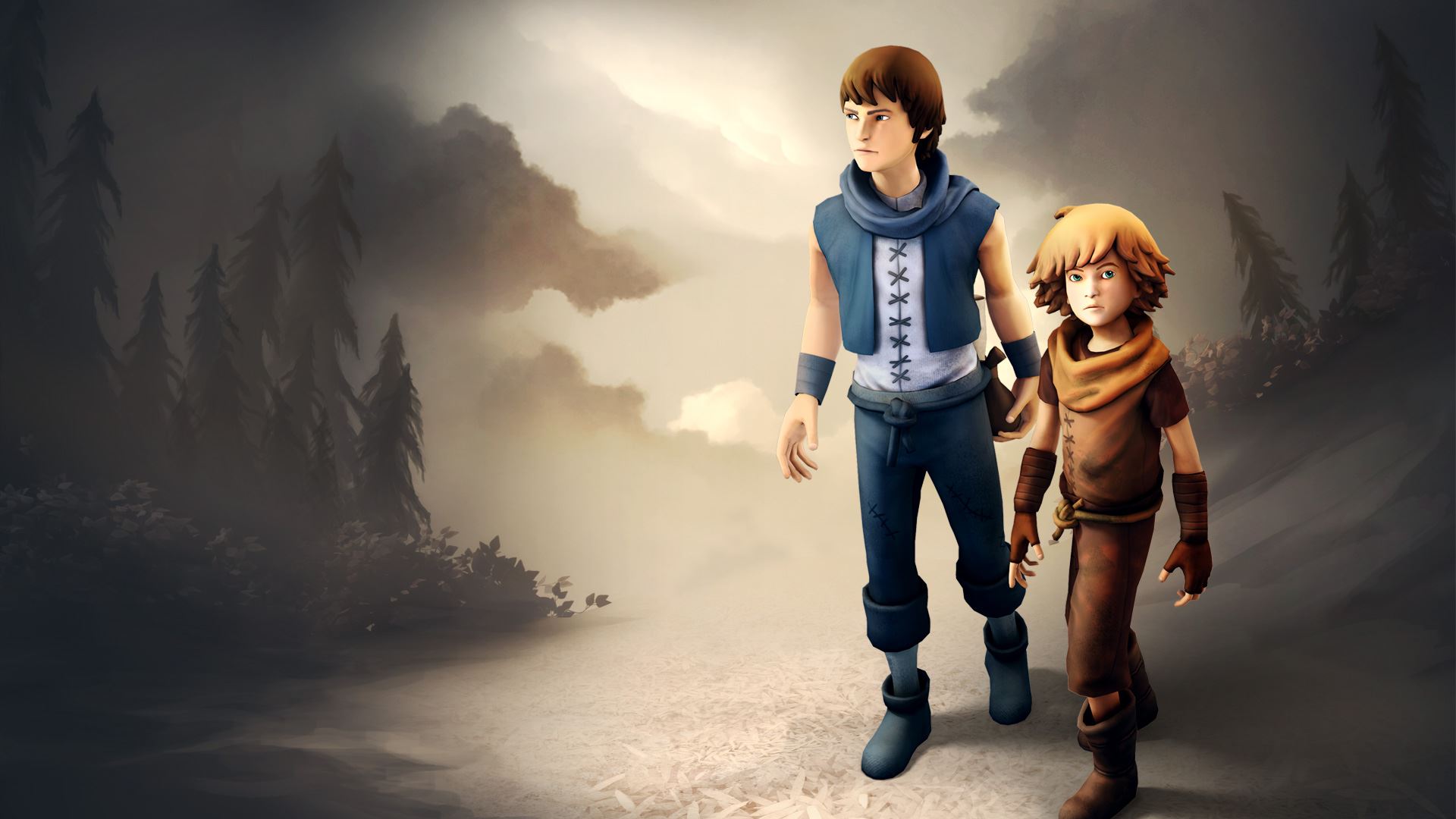
8. Brothers: A Tale of Two Sons
This game’s genius lay in its unique control scheme, where you controlled two brothers simultaneously with separate analog sticks. It created an incredibly intimate and emotional journey, a poignant fable about loss and family. It was a smaller, focused experience, designed to evoke powerful feelings, not endless grind. Publishers see that as a risk, preferring games that promise hundreds of hours, not just a few profoundly impactful ones.
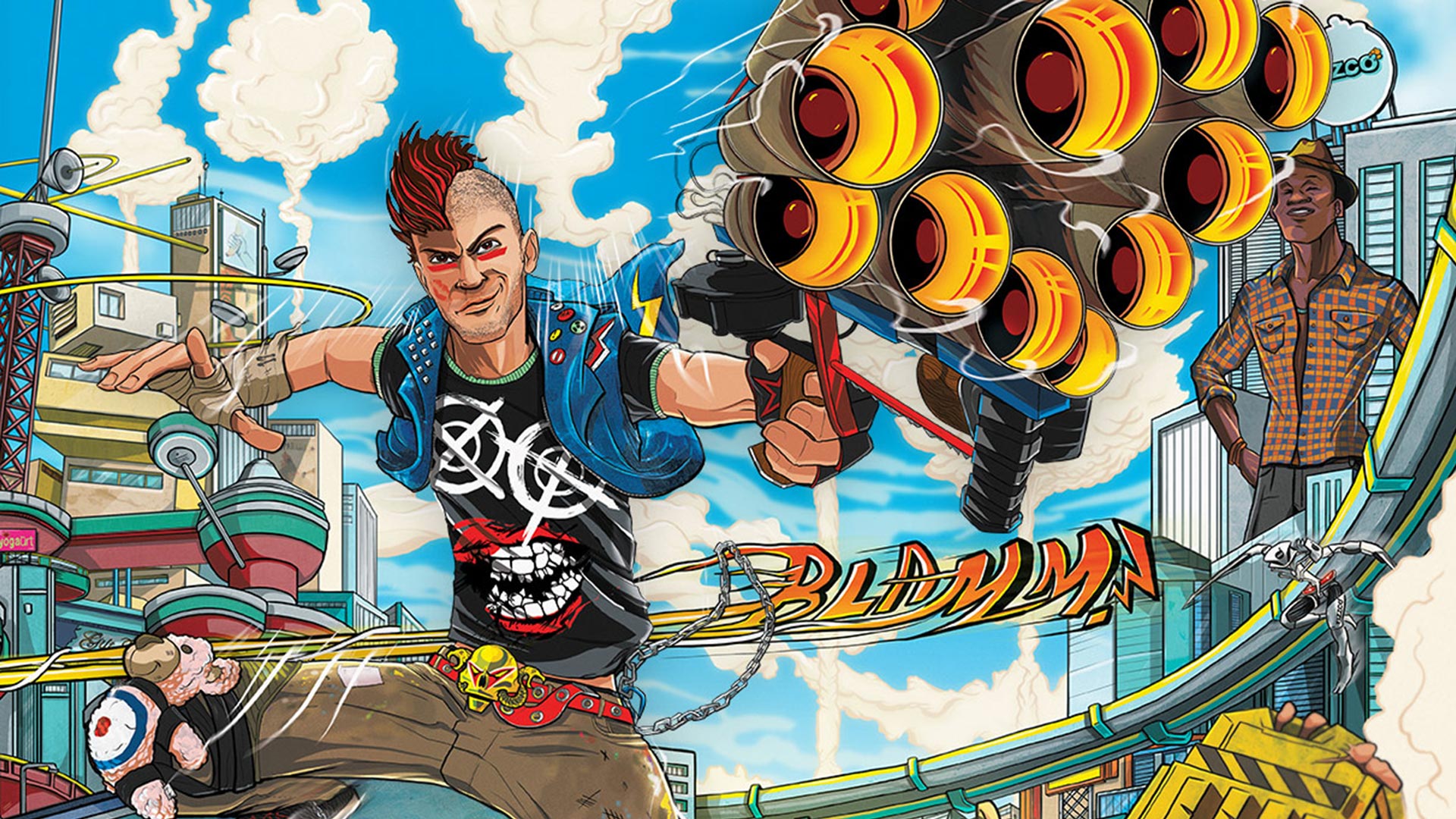
9. Sunset Overdrive
Insomniac Games went wild with this one: an open world filled with vibrant colors, insane traversal mechanics, and a relentlessly self-aware, fourth-wall-breaking humor. Grinding on power lines while shooting mutants with quirky weapons was pure joy. It was an Xbox exclusive that dared to be different and genuinely fun. Publishers often fear originality, preferring established formulas, which is why a game this confidently outlandish struggled to break out.