

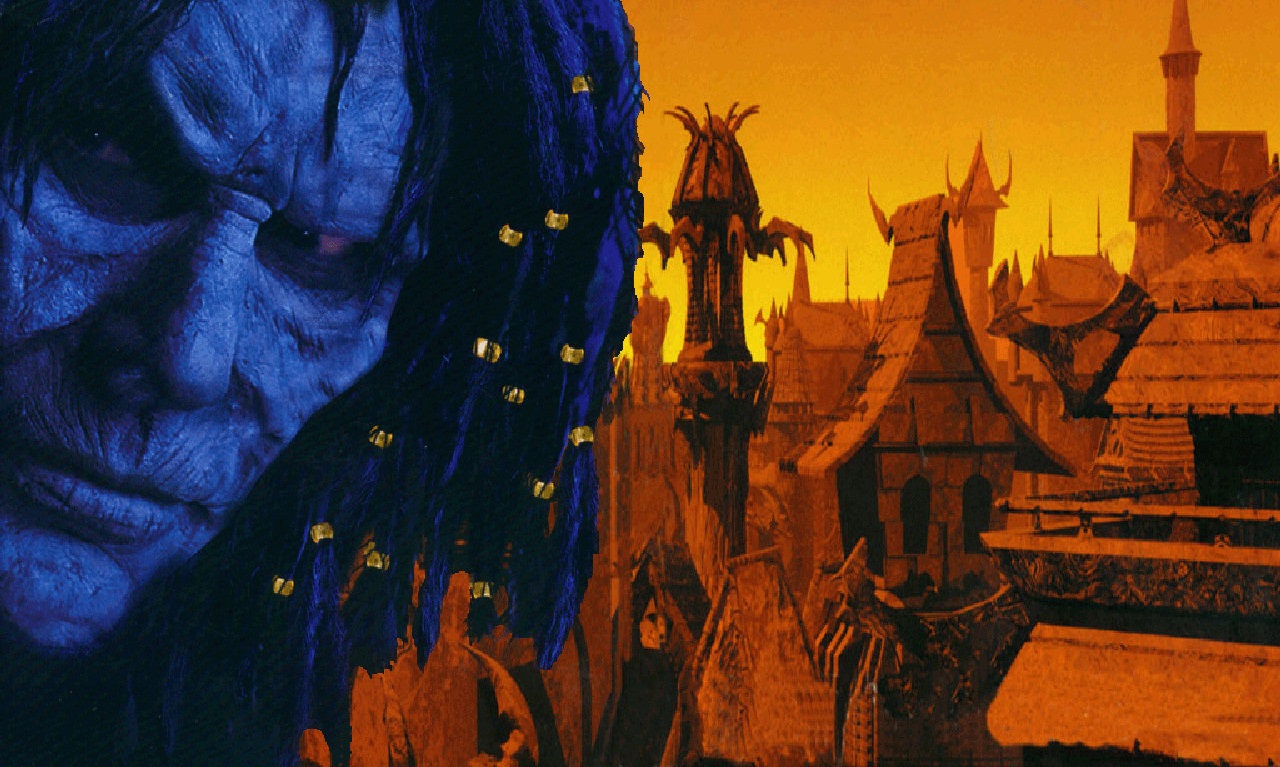
1. Planescape: Torment
This game discarded combat as the primary driver, favoring philosophical introspection and dense, branching dialogue. Its exploration of identity, morality, and the nature of the soul was unprecedented, challenging players to *think* rather than just fight. It was a novel, interactive experience, anticipating the narrative depth that many modern RPGs now strive for, though few achieve its profound impact. A true outlier, it was too cerebral for its time.
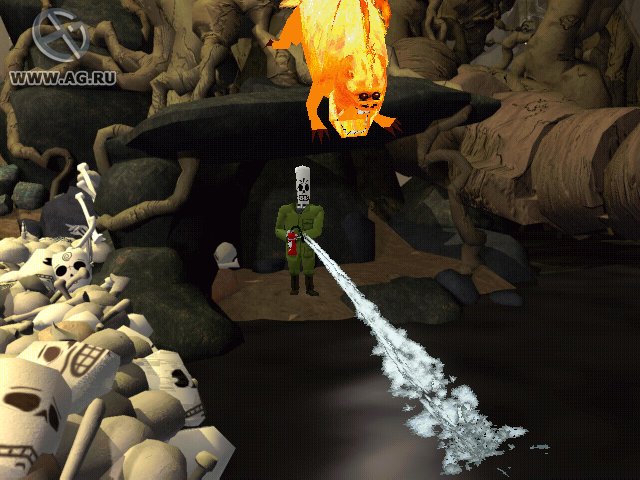
2. Grim Fandango
LucasArts’ noir adventure, set in the Land of the Dead, was a visual and narrative masterpiece. Its art deco aesthetic and sophisticated storytelling, coupled with a full orchestral score and witty dialogue, created an immersive world unlike any other. But its departure from traditional inventory puzzles and its cinematic aspirations perhaps alienated a segment of the point-and-click audience, making it a critical darling that struggled to find a wider commercial footing.
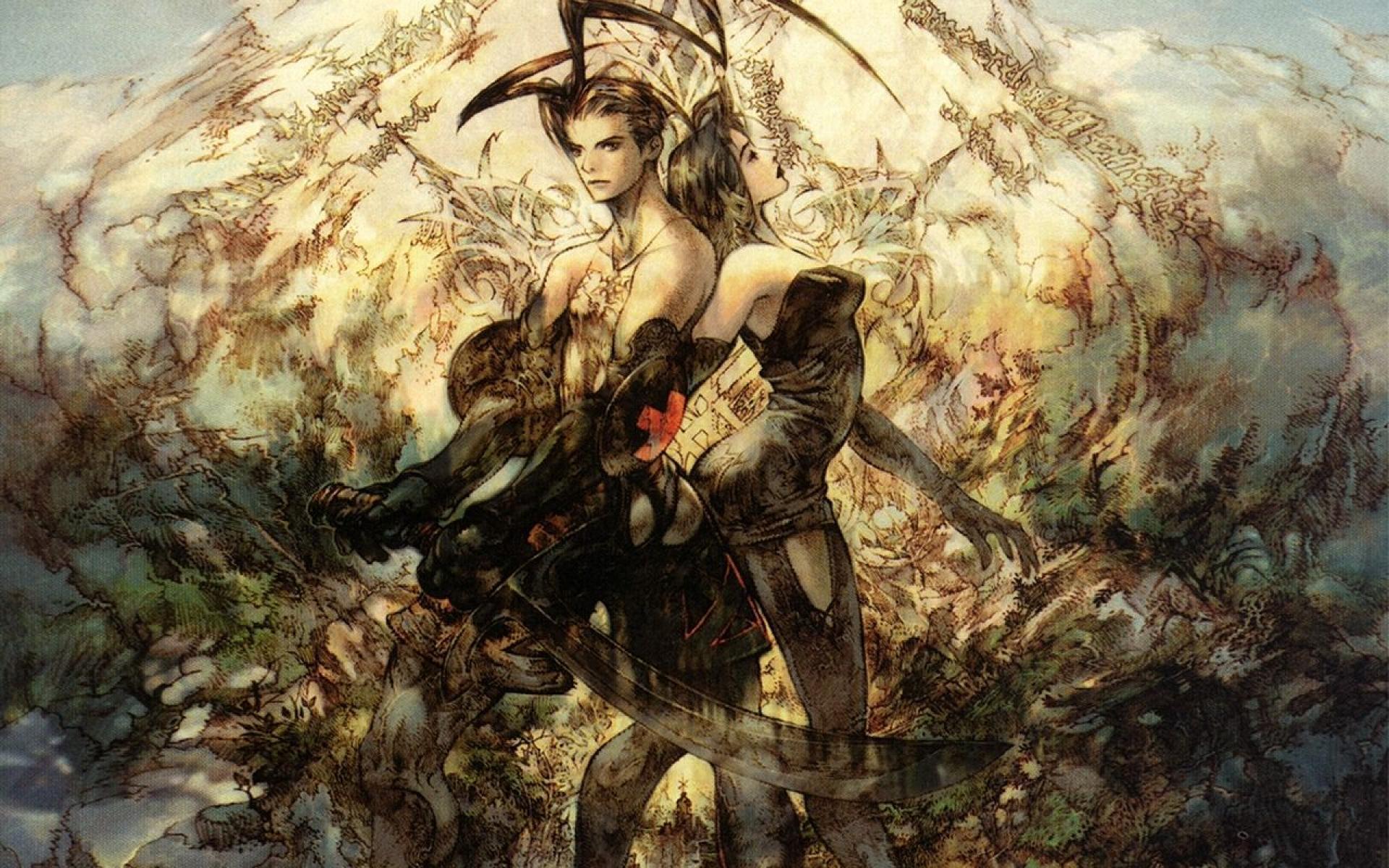
3. Vagrant Story (2000)
Square's PlayStation gem was an ambitious experiment in action RPG design. Its intricate risk-reward combat system, weapon crafting, and interconnected, metroidvania-esque world were remarkably deep. The mature, political narrative and dark fantasy setting were also a departure from typical JRPG fare. It demanded patience and mastery, which, combined with its challenging mechanics, likely made it feel too niche for the broader audience of its era.
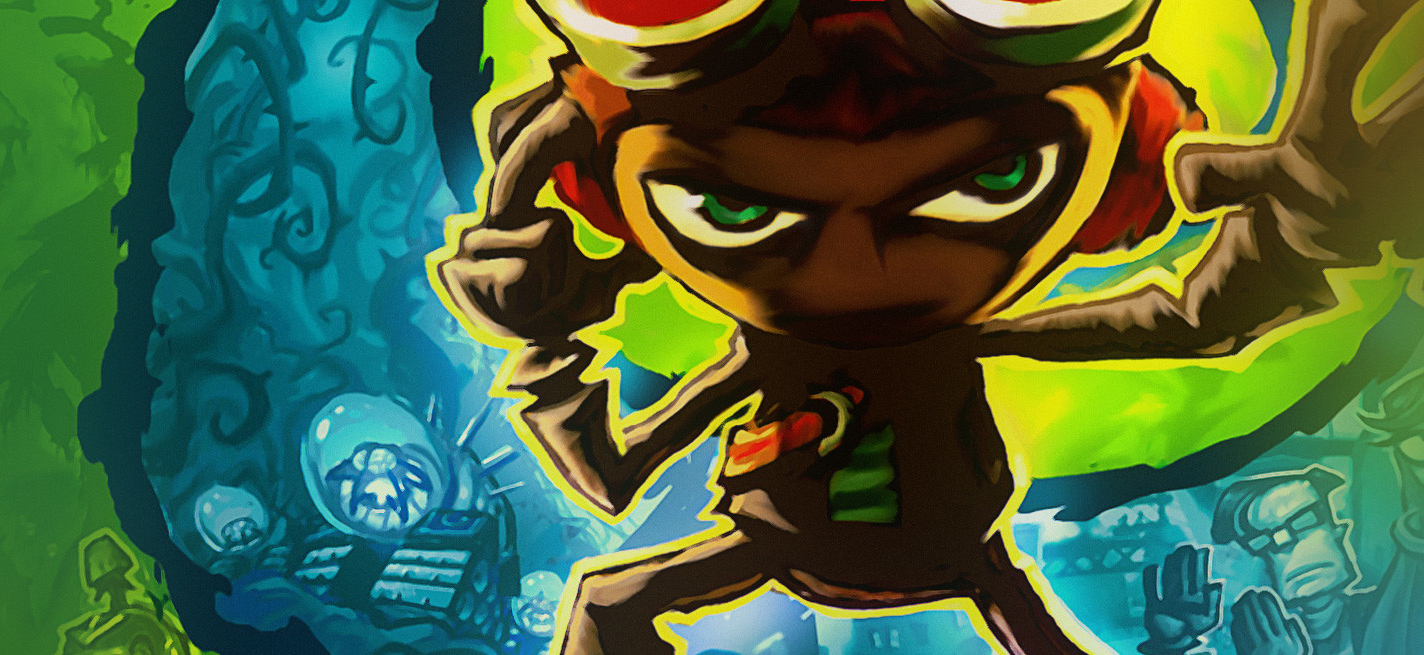
4. Psychonauts
Tim Schafer's platformer was a brilliant, surreal journey through the subconscious minds of various characters. Its wildly inventive level design, clever writing, and heartfelt exploration of mental health issues were far ahead of their time, but perhaps too quirky for the mainstream. It was a critical darling that failed to sell well initially, only finding its true appreciation years later as players caught up to its innovative spirit.
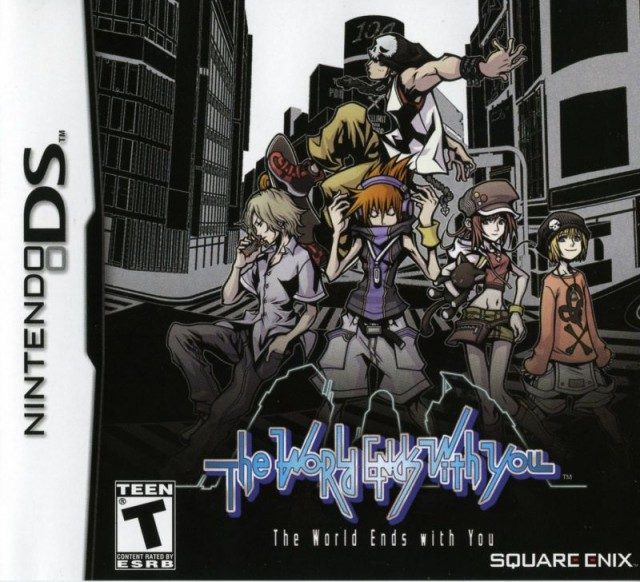
5. The World Ends With You DS
This game was a masterclass in utilizing the Nintendo DS's unique features. Its stylish portrayal of Shibuya, innovative dual-screen combat, and a soundtrack that perfectly blended J-pop and rock were groundbreaking. It captured the essence of youth counter-culture with an energy few games matched, but its unconventional mechanics and distinct aesthetic likely limited its initial reach. It found its dedicated audience later.
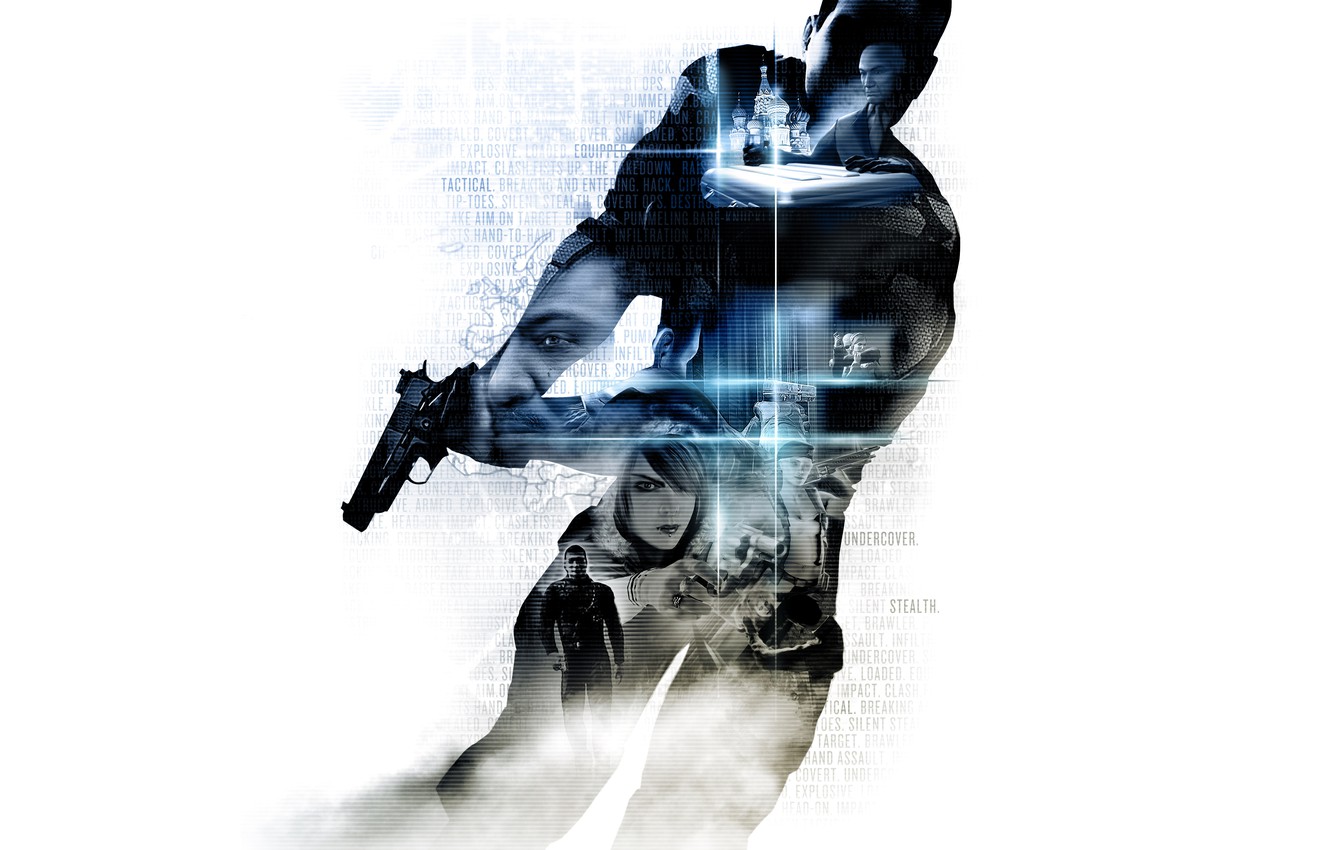
6. Alpha Protocol
Obsidian's spy RPG was a bold attempt at reactive storytelling, where player choices truly mattered and characters remembered your interactions. Its branching narrative paths and emphasis on player agency were groundbreaking for its time, but technical issues and a slightly unpolished presentation overshadowed its ambitious design. It offered a level of narrative freedom that many RPGs still struggle to achieve cleanly today.
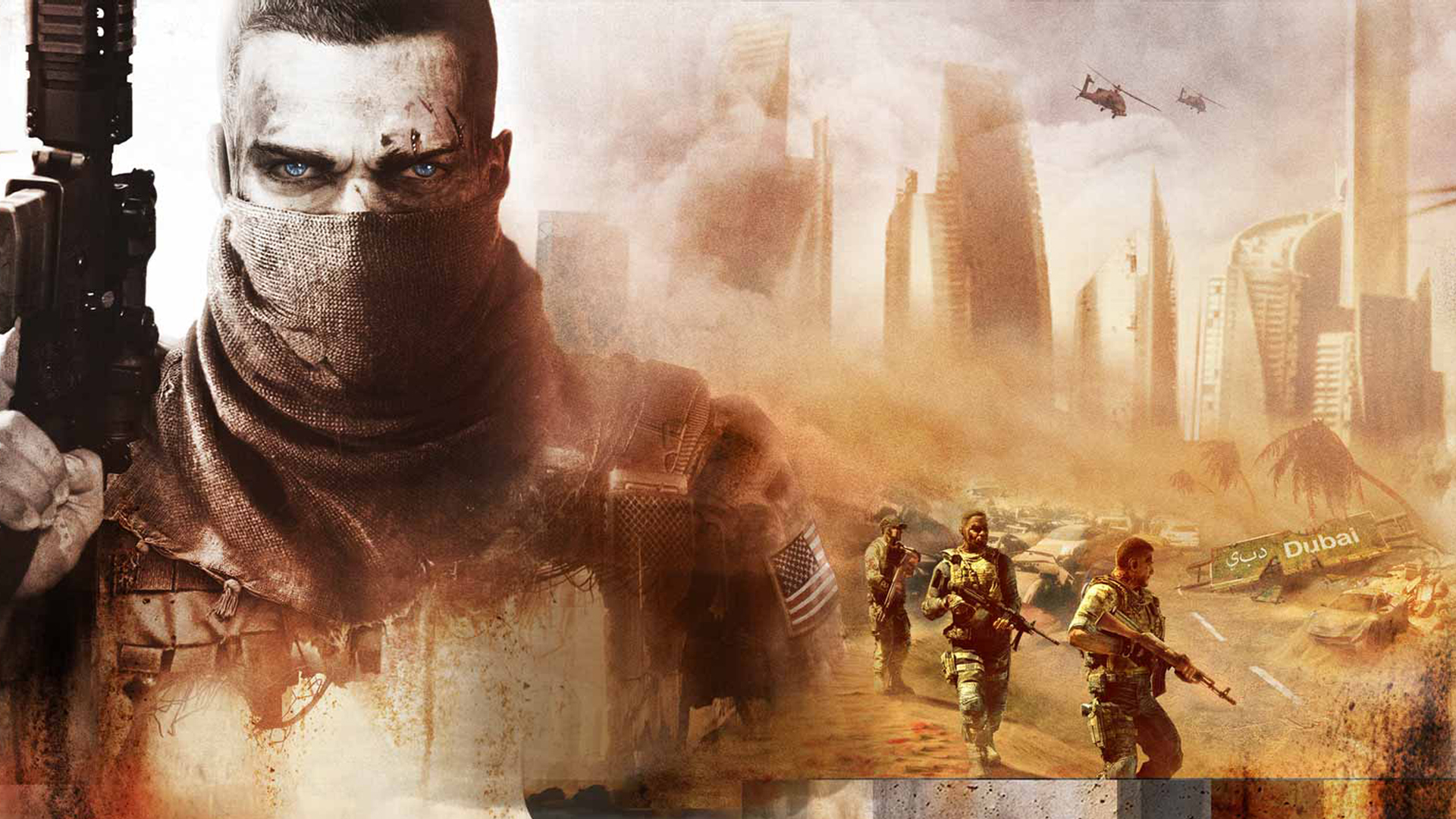
7. Spec Ops: The Line
Ostensibly a military shooter, *Spec Ops: The Line* became a profound deconstruction of the genre itself. It forced players to confront the true horrors of war and their own complicity, using the medium to deliver a powerful, uncomfortable anti-war message. This provocative subversion of player expectations, coupled with its unflinching look at moral ambiguity, was too much for many accustomed to simpler shooter narratives.
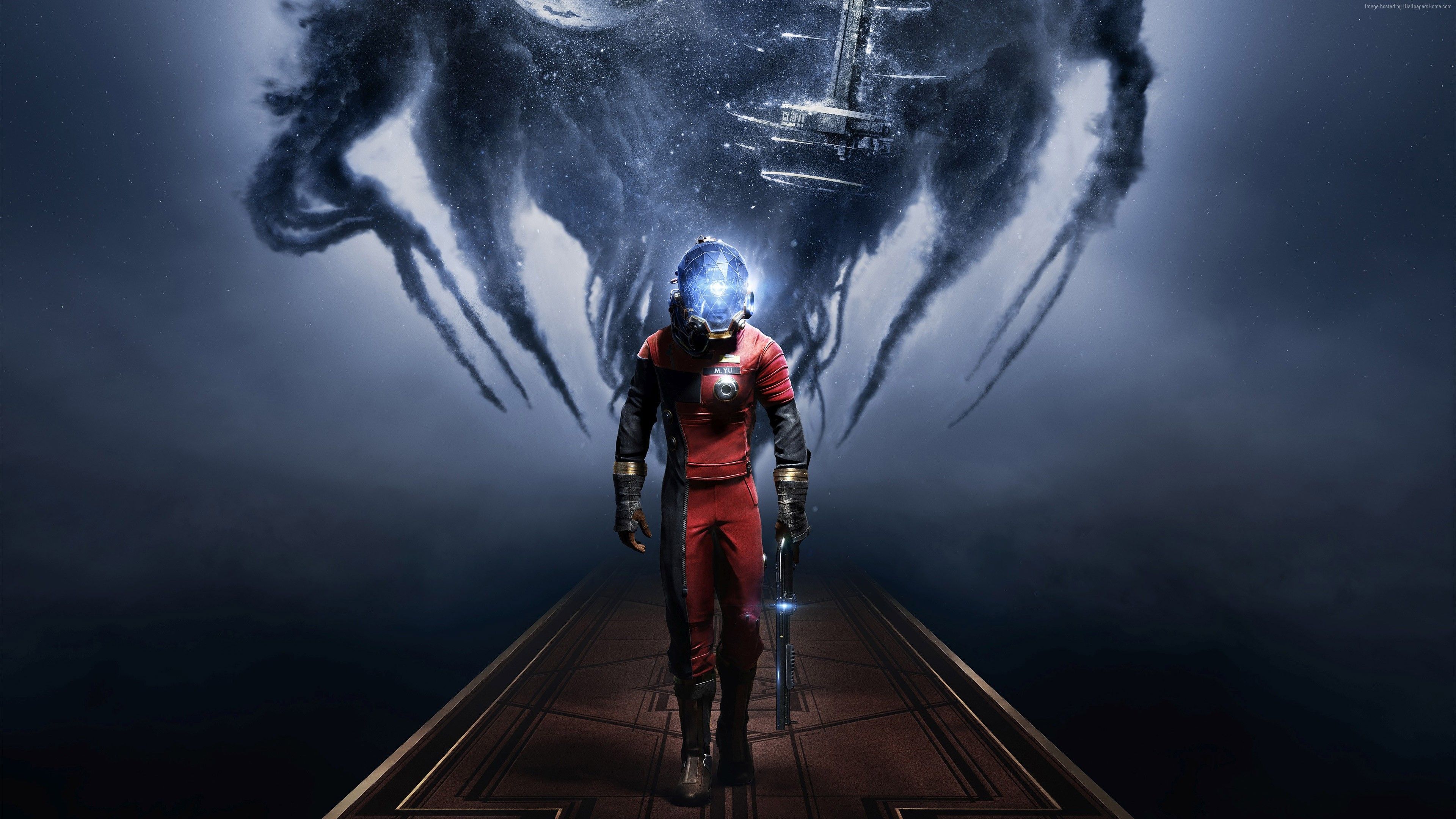
8. Prey
Arkane's *Prey* was a masterclass in immersive sim design, offering unparalleled player agency in a richly detailed, systemic environment. Its open-ended level design, emergent gameplay, and deep environmental storytelling allowed for incredible creativity in problem-solving. But its slow burn, intellectual approach, and demand for player investment meant it might have been too subtle and complex for a market often seeking more immediate gratification.
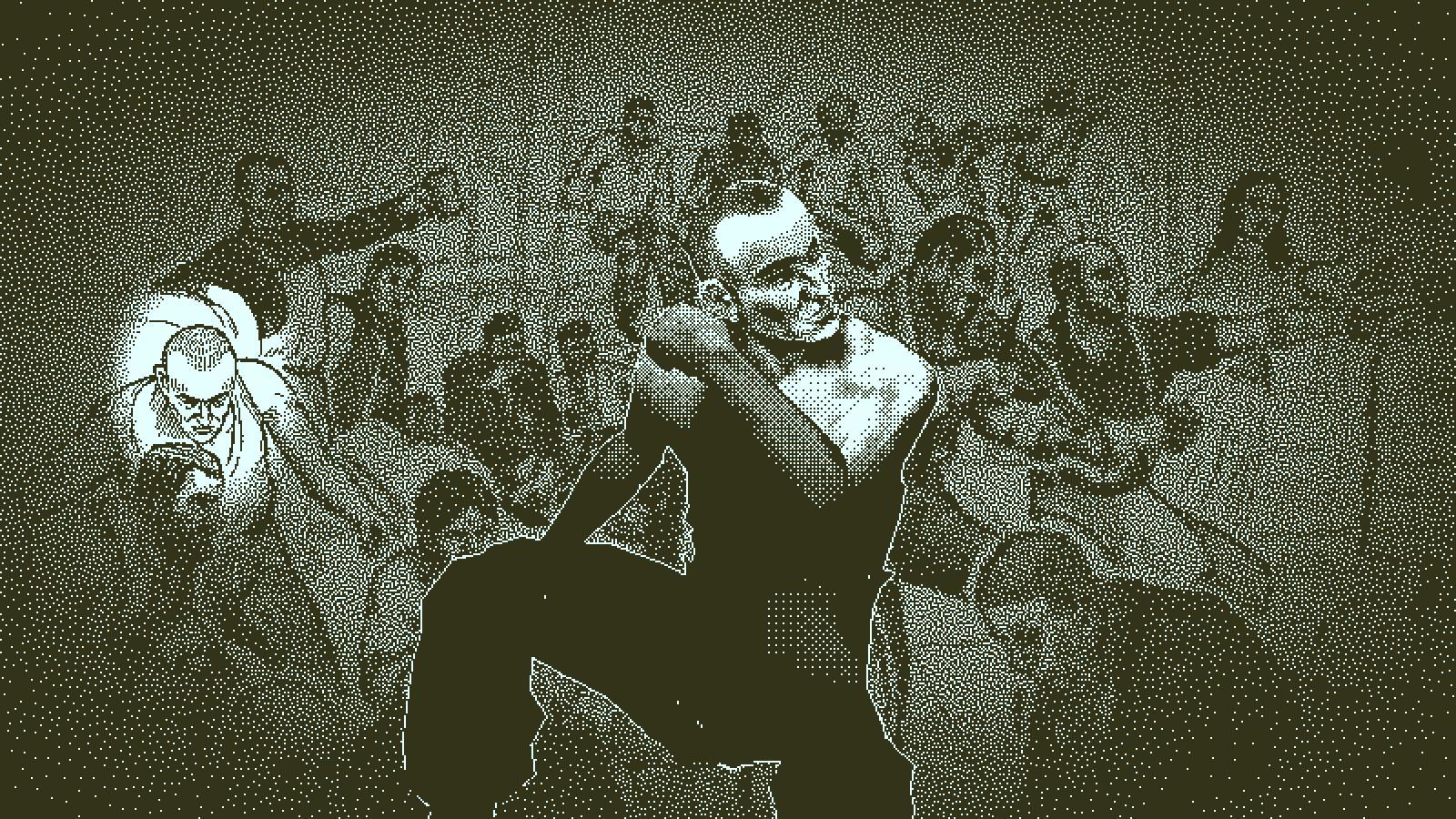
9. Return Of The Obra Dinn
Lucas Pope's masterpiece redefined detective games. Its stark, monochromatic art style and a gameplay loop centered entirely on deductive reasoning, using a magic pocket watch to witness past events, were revolutionary. It required meticulous observation and genuine intellectual engagement, presenting a narrative puzzle box that few games before it dared to attempt. It was a niche gem that found its audience, proving less can indeed be more.