

1 / 9
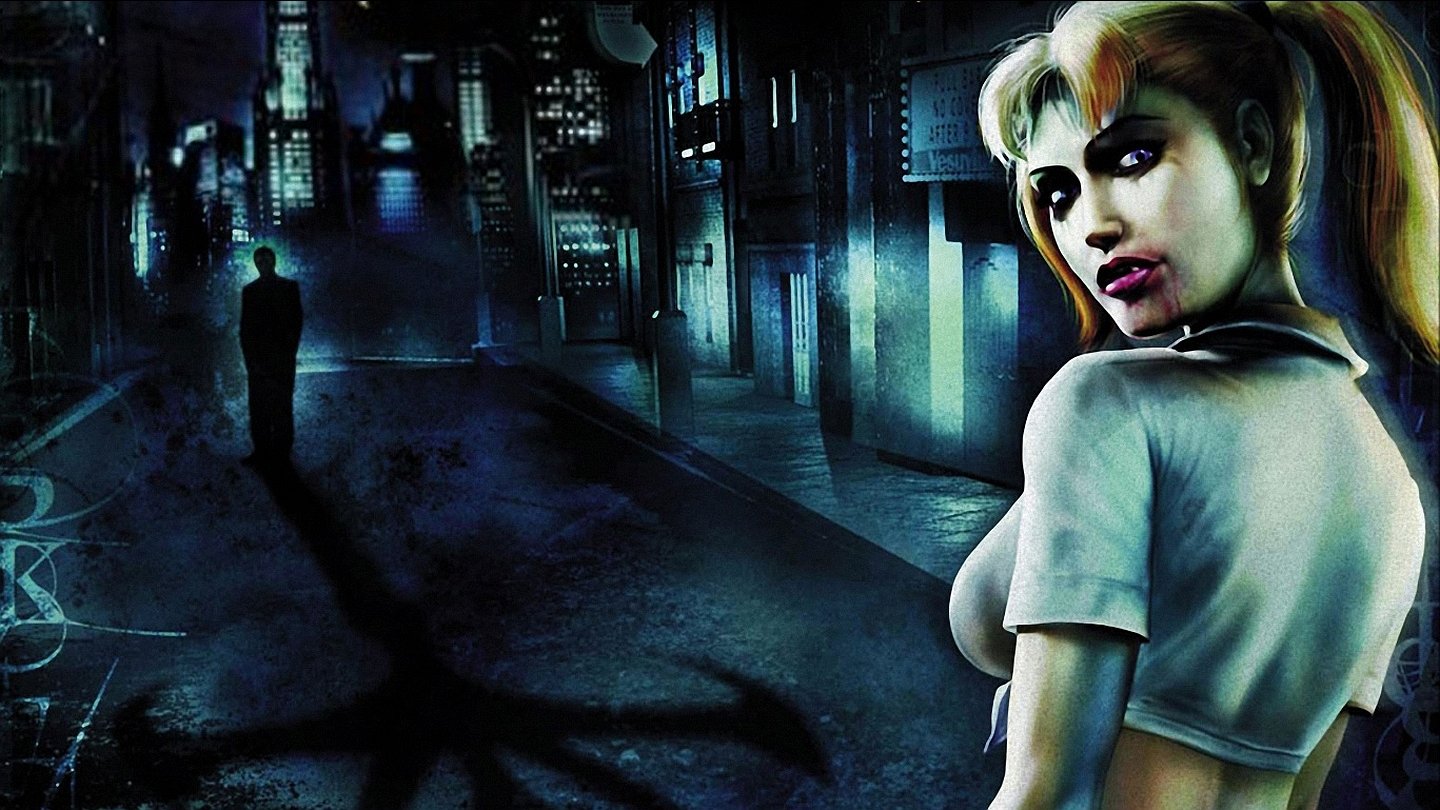
1. Vampire: The Masquerade - Bloodlines
Man, *Bloodlines* was a glorious, ambitious mess. Troika had a vision, but Activision shipped it before it was ready, practically signing the studio's death warrant. Bugs aside, this 2004 gem gave us an unparalleled, dark RPG experience in an urban fantasy setting. The dialogue, the character builds, the sheer atmosphere – it’s a masterclass in player choice, even if you had to patch it yourself to truly enjoy it. A tragedy for the devs, a legend for us.
2 / 9
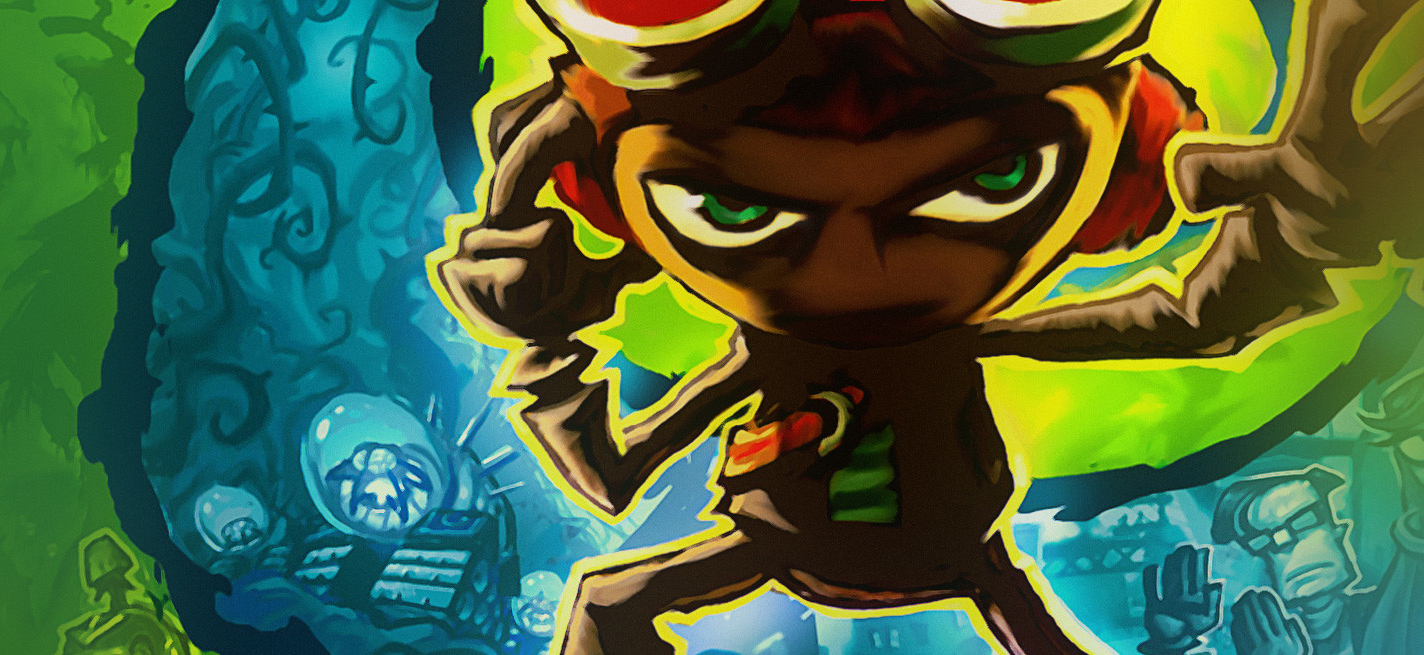
2. Psychonauts
Majesco completely fumbled *Psychonauts* in 2005, leading to abysmal sales despite critical acclaim. Tim Schafer's genius was on full display here: a platformer that literally explores the human mind, each level a vibrant, surreal landscape reflecting someone's psyche. It was quirky, heartfelt, and genuinely funny, a true testament to imaginative game design that dared to be different when publishers were chasing bland trends. It just needed a better launch pad.
3 / 9
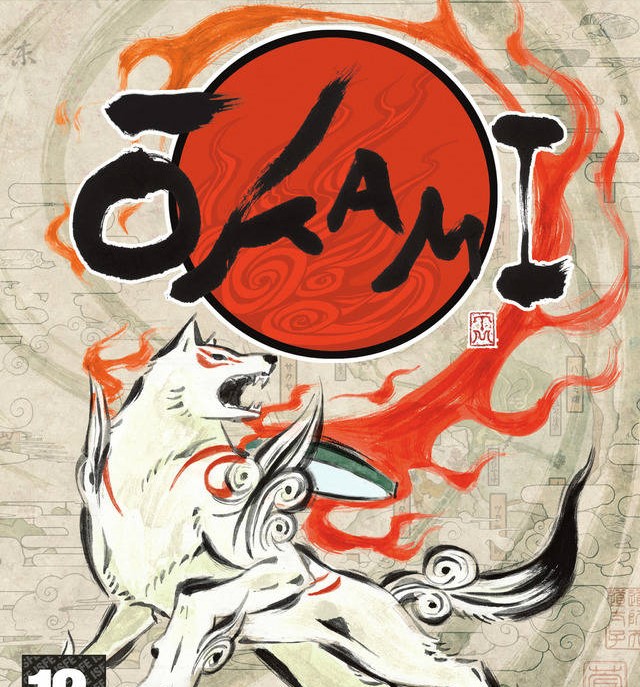
3. Okami
*Okami* is a prime example of a game too beautiful for its own good, at least from a publisher's perspective. Clover Studio poured their soul into this 2006 masterpiece, delivering a breathtaking cel-shaded adventure inspired by Japanese mythology, complete with a unique 'celestial brush' mechanic. But sales were so bad Capcom shut Clover down. It was a commercial flop, yet its artistic integrity and innovative gameplay remain legendary.
4 / 9

4. Mirror's Edge
EA always struggles with innovation unless it can be monetized into oblivion, and *Mirror's Edge* from 2008 paid the price. This game was a breath of fresh air, offering visceral first-person parkour in a stark, beautiful dystopian city. Faith’s journey was all about fluid movement and environmental puzzles, a stark contrast to the usual FPS bang-bang. It underperformed, sure, but its unique vision and incredible sense of flow carved out a dedicated fanbase.
5 / 9
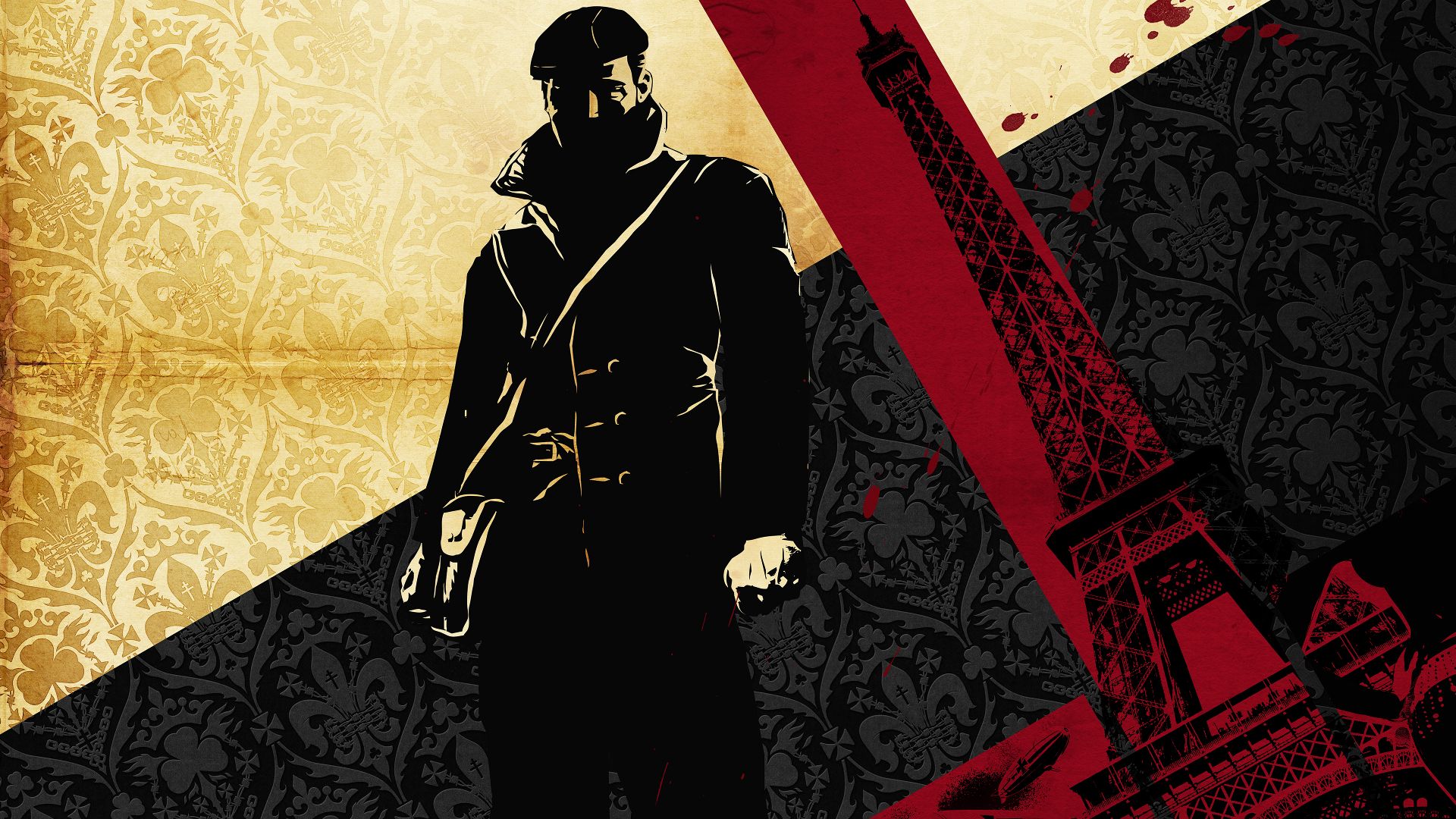
5. The Saboteur
*The Saboteur* was Pandemic's swan song in 2009, and EA pulled the plug right after its release, which felt like a betrayal. This open-world WWII game had style for days, literally, with its black-and-white occupied zones blooming into color as you liberated them. Sean Devlin's charming Irish rogue persona, mixed with satisfying stealth and explosions, made for a unique sandbox. It's a cult classic that deserved so much more.
6 / 9
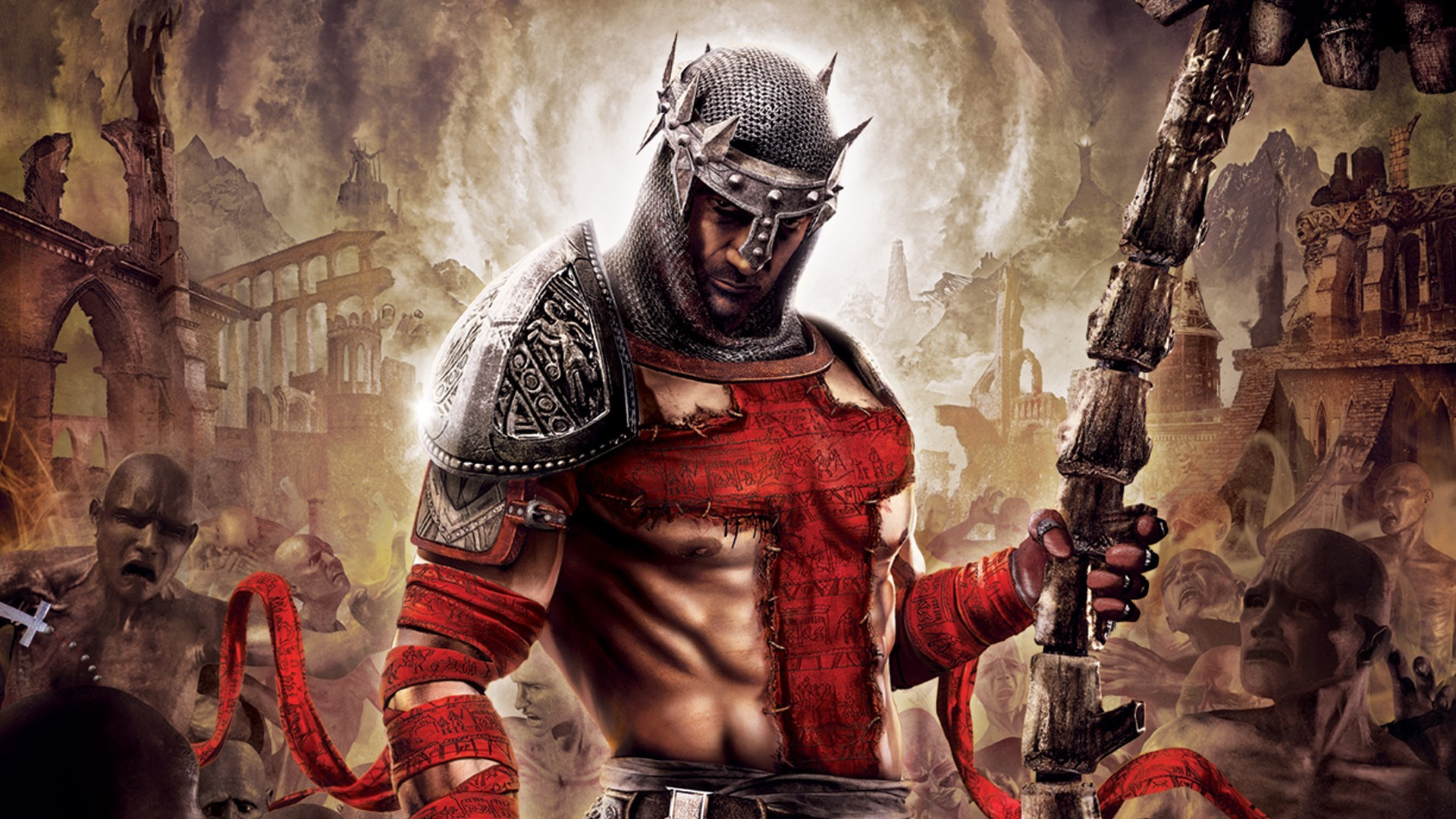
6. Dante's Inferno
EA pushed *Dante's Inferno* hard in 2010, even with a bizarre, controversial marketing stunt involving fake protests. Visceral Games delivered a surprisingly competent hack-and-slash, a genuinely ambitious take on the Divine Comedy, even if it was clearly gunning for *God of War*'s throne. The sheer audacity of its hellish vision and grotesque creature design made it a memorable, if somewhat derivative, experience that deserved more credit than it got from critics.
7 / 9
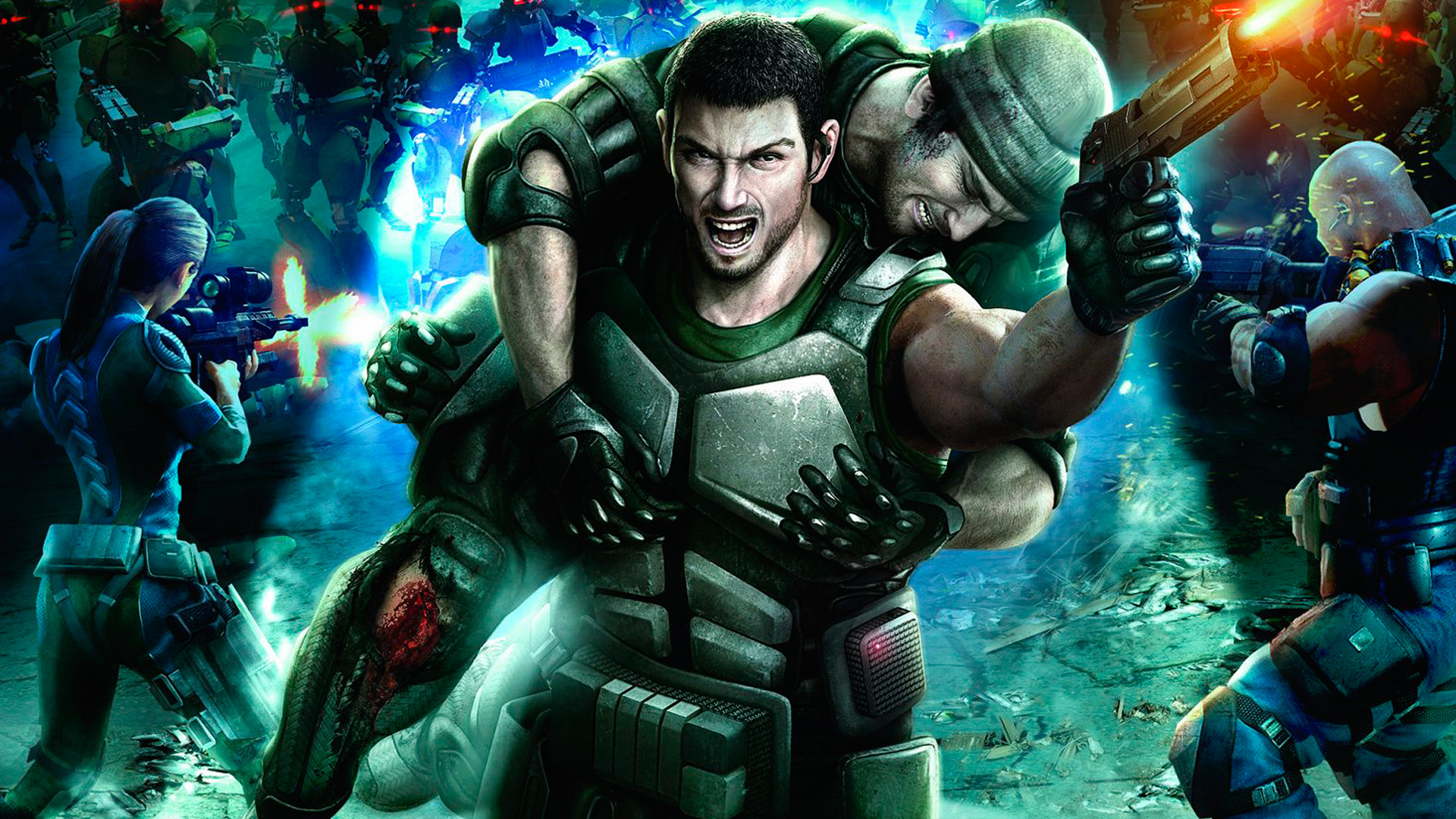
7. Binary Domain
SEGA definitely didn't know what to do with *Binary Domain* in 2012, and it flopped hard, which is a damn shame. This third-person shooter from the *Yakuza* studio had heart, surprisingly deep squad mechanics, and a fascinating sci-fi story about humanity versus advanced AI. The voice command system was clunky, but the characters were memorable, and the gunplay was chunky and satisfying. It’s a hidden gem begging for a second chance.
8 / 9
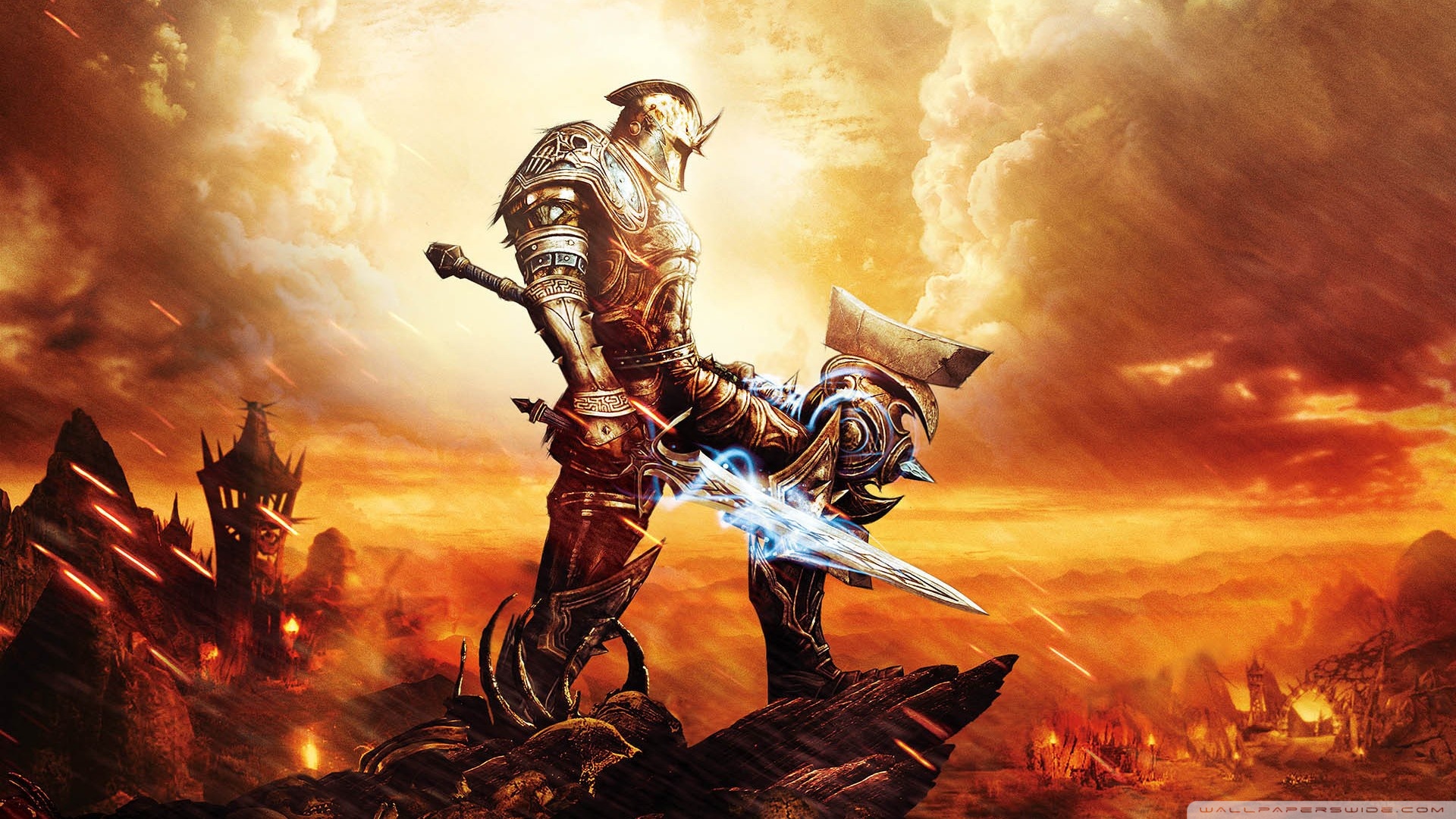
8. Kingdoms of Amalur: Reckoning
*Kingdoms of Amalur: Reckoning* in 2012 was a financial catastrophe that brought down 38 Studios and triggered a political scandal. But man, what a game! With lore by R.A. Salvatore and art by Todd McFarlane, it delivered a vibrant, expansive action RPG with an incredibly satisfying combat system. The sheer scope and polished gameplay made its tragic behind-the-scenes story all the more frustrating. A truly ambitious project that deserved better.
9 / 9
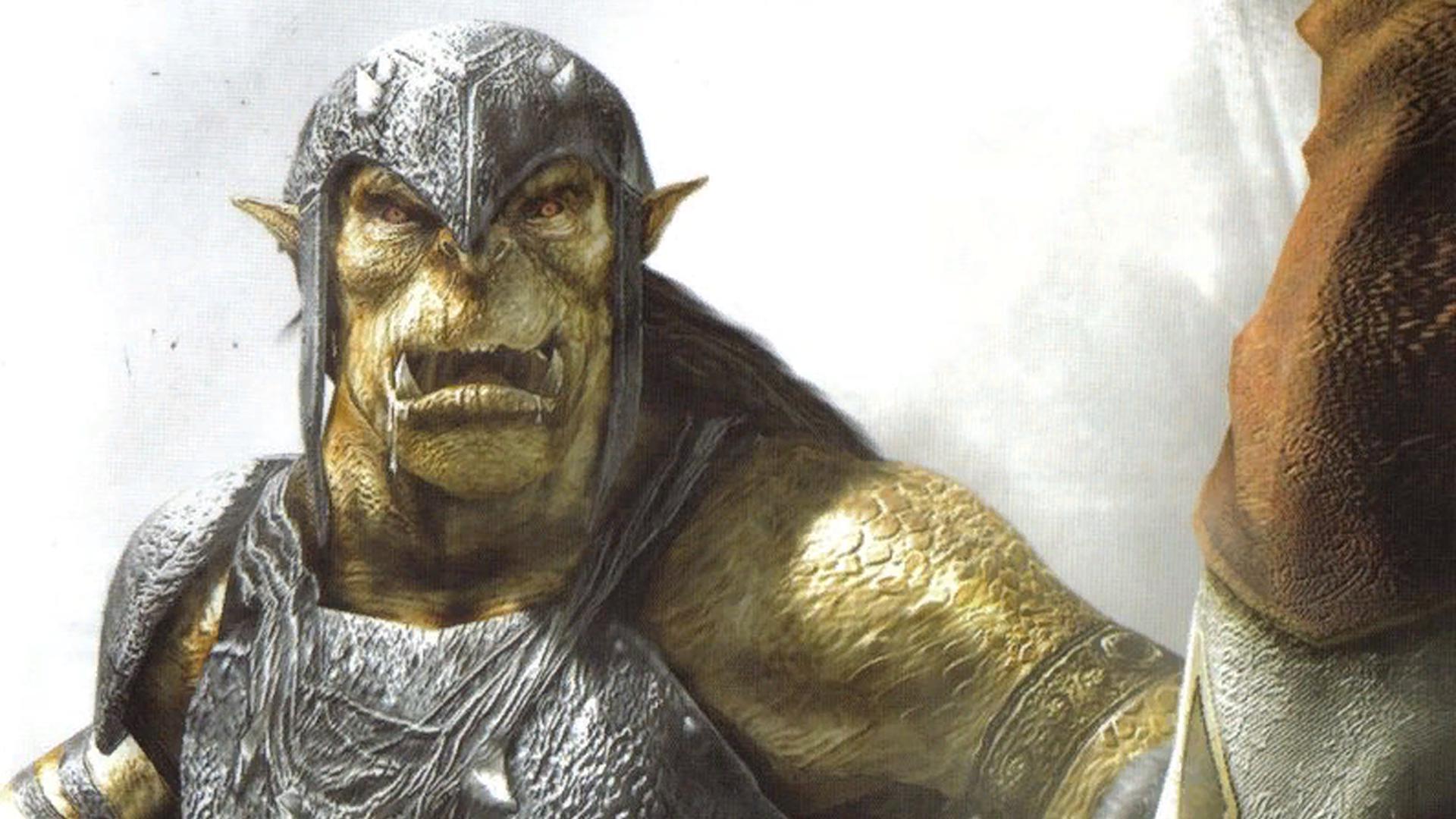
9. Dark Messiah of Might and Magic
Ubisoft probably saw *Dark Messiah of Might and Magic* in 2006 as a respectable, but not groundbreaking, entry. For us, Arkane’s genius was already shining through, delivering groundbreaking first-person combat where environmental interaction was king. Kicking goblins onto spikes, freezing enemies and shattering them, using telekinesis to drop chandeliers – it was pure, unadulterated fun and showed off a level of systemic design that was years ahead of its time.