
1 / 9
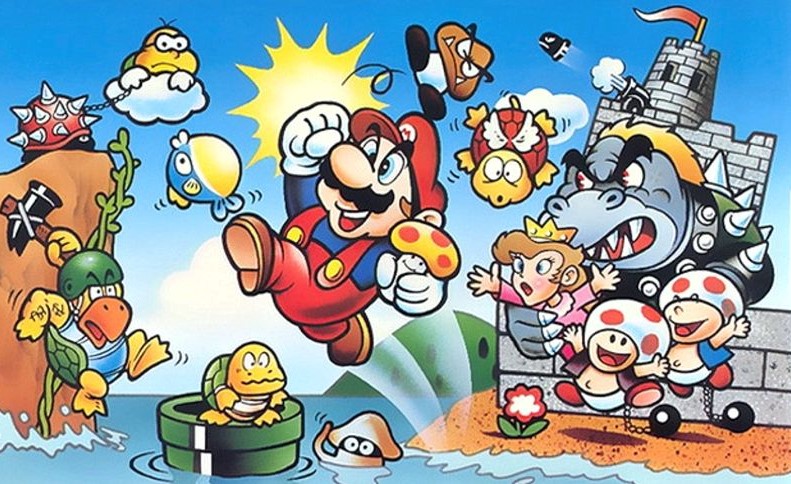
1. Super Mario Bros.
Before Super Mario Bros., many home console games felt like arcade ports. This title, however, was designed specifically for the NES, setting a new standard for precision platforming and ingenious level design. It introduced concepts like warp zones and power-ups that became industry staples. More than just a game, it revived a struggling industry and showed what home consoles could truly achieve, laying the groundwork for decades of interactive entertainment. Its impact is undeniable.
2 / 9
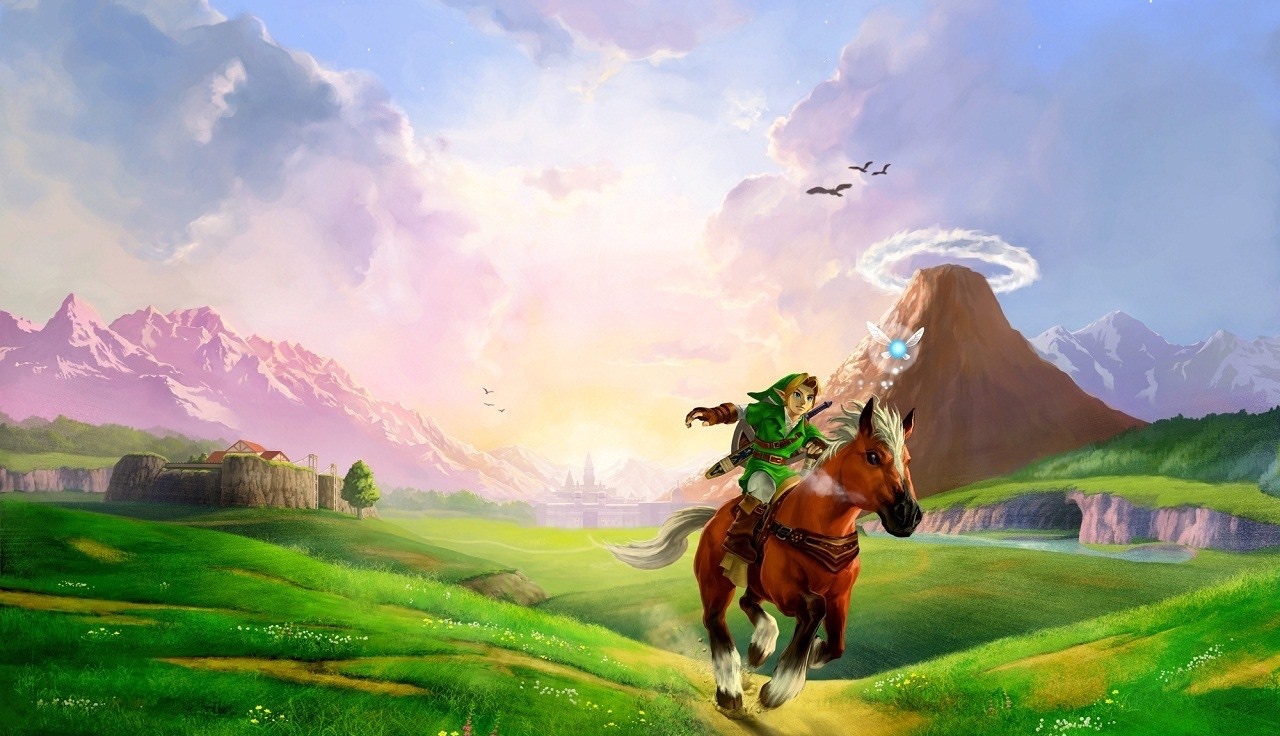
2. The Legend of Zelda: Ocarina of Time
Transitioning an iconic series into 3D was a monumental task, and Ocarina of Time delivered. It didn't just translate mechanics; it invented them. Z-targeting became a benchmark for 3D combat, and its sprawling Hyrule field hinted at the open worlds to come. The game wove a narrative depth rarely seen, blending exploration, puzzles, and combat seamlessly. Its influence on 3D adventure design and cinematic storytelling remains a cornerstone of the medium. A true masterpiece.
3 / 9

3. DOOM (2016)
Reboots often falter, but DOOM (2016) understood its lineage while forging a brutal, modern path. It rejected cover-based shooting for aggressive, "push-forward" combat, where health and ammo are regained by tearing demons apart. This "glory kill" system transformed resource management into a visceral dance of death. It proved that a classic IP could be revitalized by embracing its core identity, delivering an adrenaline-fueled masterclass in first-person shooter design. It felt fresh, yet deeply familiar.
4 / 9

4. World of Warcraft
World of Warcraft didn't invent the MMORPG, but it perfected its accessibility and scale, drawing millions into a persistent online world. It fostered unprecedented social structures, from guild raids to player economies, fundamentally shifting how we thought about virtual communities. The subscription model, for a time, became the gold standard for online engagement. It wasn't just a game; it was a second life for many, a cultural phenomenon that defined an entire era of online play.
5 / 9

5. Grand Theft Auto V
Grand Theft Auto V pushed the boundaries of open-world design, crafting a living, breathing rendition of Los Santos with unparalleled detail and scope. Its three-protagonist narrative structure offered a fresh perspective on storytelling within a sandbox. But Grand Theft Auto Online truly cemented its legacy, creating a continually evolving social playground that became a financial powerhouse. It's a sharp, often cynical mirror held up to contemporary culture, wrapped in an ambitious technical package.
6 / 9
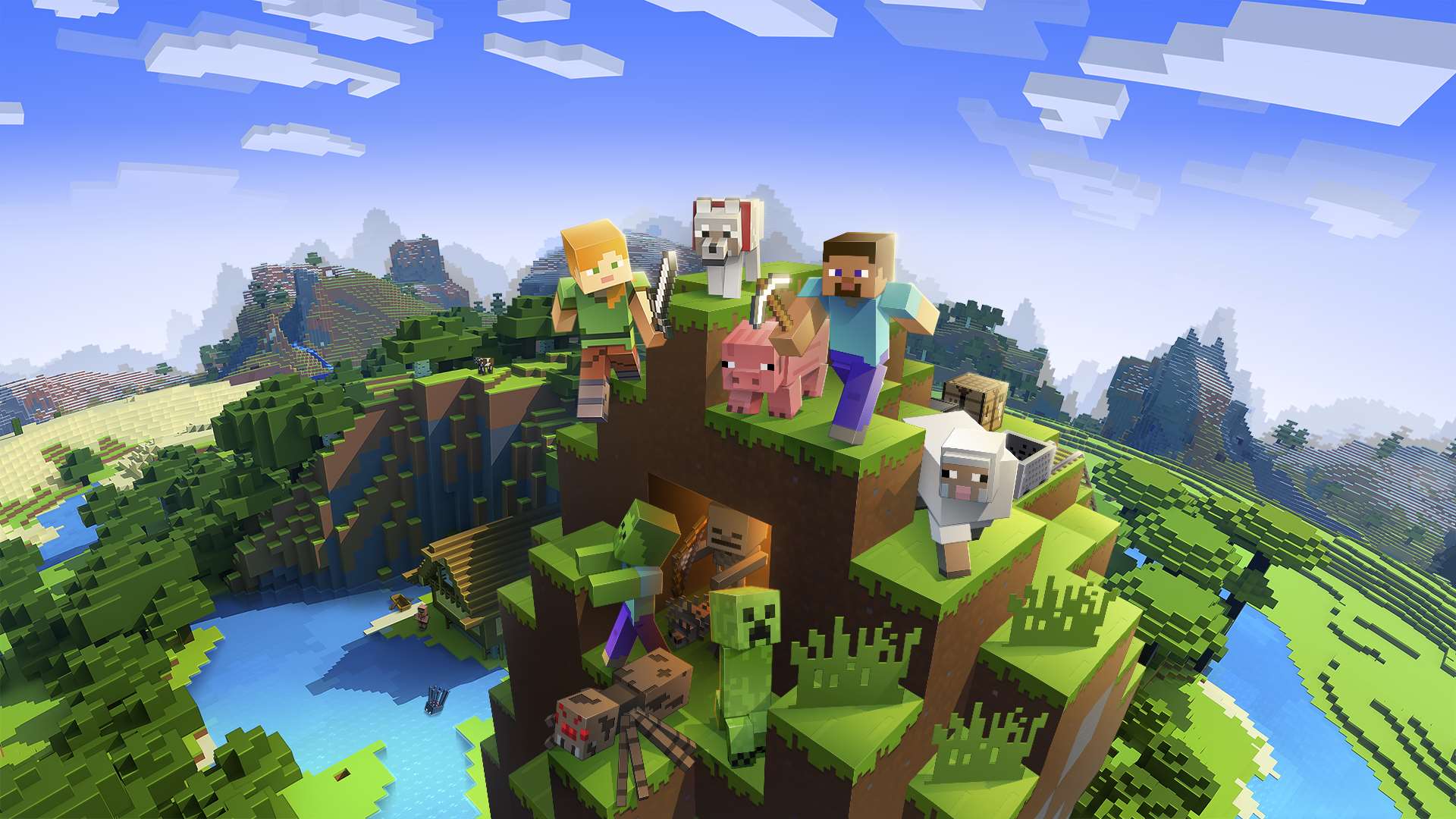
6. Minecraft
Minecraft's blocky aesthetic belies its profound impact. It democratized game creation, turning every player into an architect, explorer, or engineer. Its simple premise—build anything, explore everything—unleashed unparalleled creativity and emergent gameplay. This sandbox phenomenon fostered a massive community, pushing user-generated content and collaborative world-building to the forefront. Minecraft isn't just a game; it's a platform, a digital LEGO set that redefined what interactive play could mean.
7 / 9
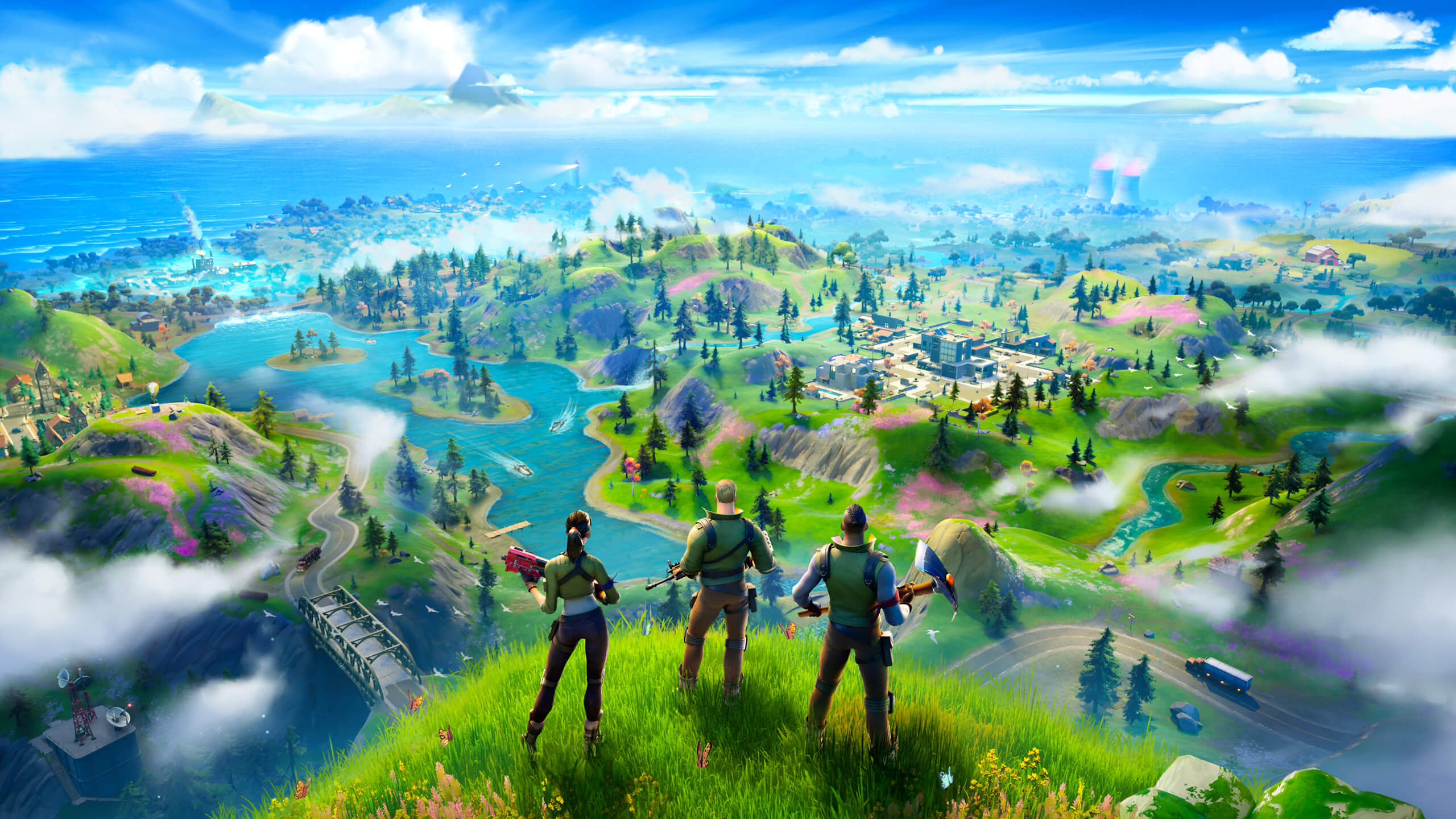
7. Fortnite Battle Royale
Fortnite didn't invent the battle royale, but it perfected its accessibility and embraced cross-platform play at an unprecedented scale. Its free-to-play model, coupled with cosmetic monetization, became a blueprint for live-service games. More than a shooter, it evolved into a social hub, hosting concerts and movie premieres, blurring the lines between game and cultural event. It’s a masterclass in adapting to player trends and maintaining relevance.
8 / 9

8. Tetris (1984)
Tetris is a masterclass in elegant design. Its core loop – rotating falling blocks to clear lines – is deceptively simple yet endlessly engaging. This Soviet-era creation transcended language barriers and hardware limitations, proving that a game didn't need complex narratives or cutting-edge graphics to be universally addictive. It popularized the puzzle genre and became a ubiquitous presence, demonstrating the power of pure gameplay mechanics. Its influence is still felt today, decades later.
9 / 9
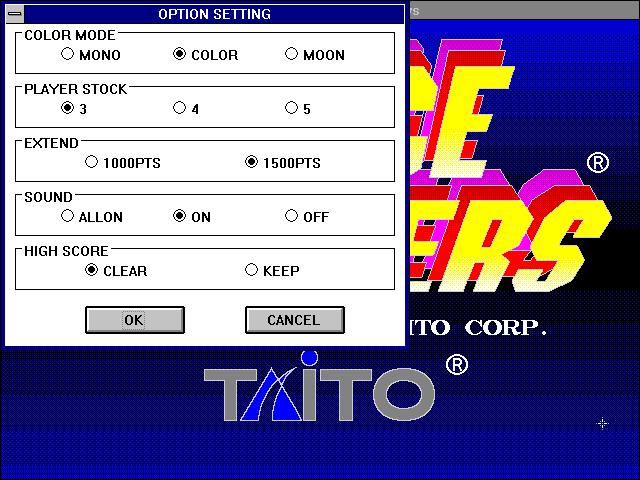
9. Space Invaders (1978)
Before Space Invaders, video games were a niche curiosity. This arcade cabinet ignited a global obsession, introducing concepts like high scores, lives, and increasing difficulty that became fundamental to game design. Its simple premise—defend Earth from descending aliens—created an urgent, addictive loop. It wasn't just a game; it was a cultural touchstone, driving arcade revenue sky-high and sparking the first widespread gaming craze. Its pixelated legacy is monumental.