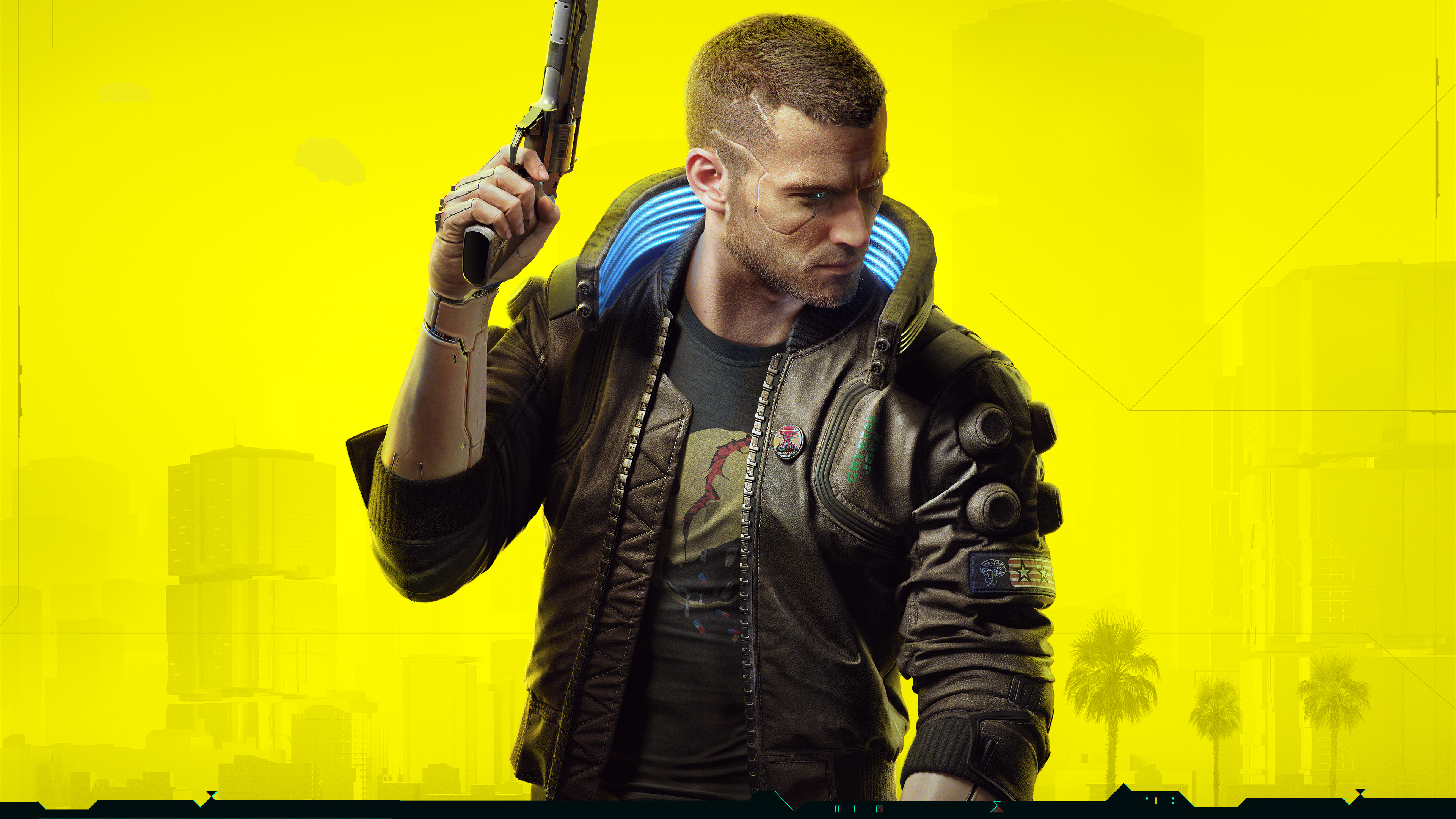
1. Cyberpunk 2077
Oh, the launch. The hype machine imploded, leaving behind a buggy, unfinished mess, especially on older consoles. Developers knew it, management knew it, but out it went anyway. We got duped, but then the patches came, the city's vibe hooked us, and the sheer audacity of Night City's promise kept us coming back. It's still a cautionary tale about release schedules and consumer trust, yet a brilliant world eventually emerged.
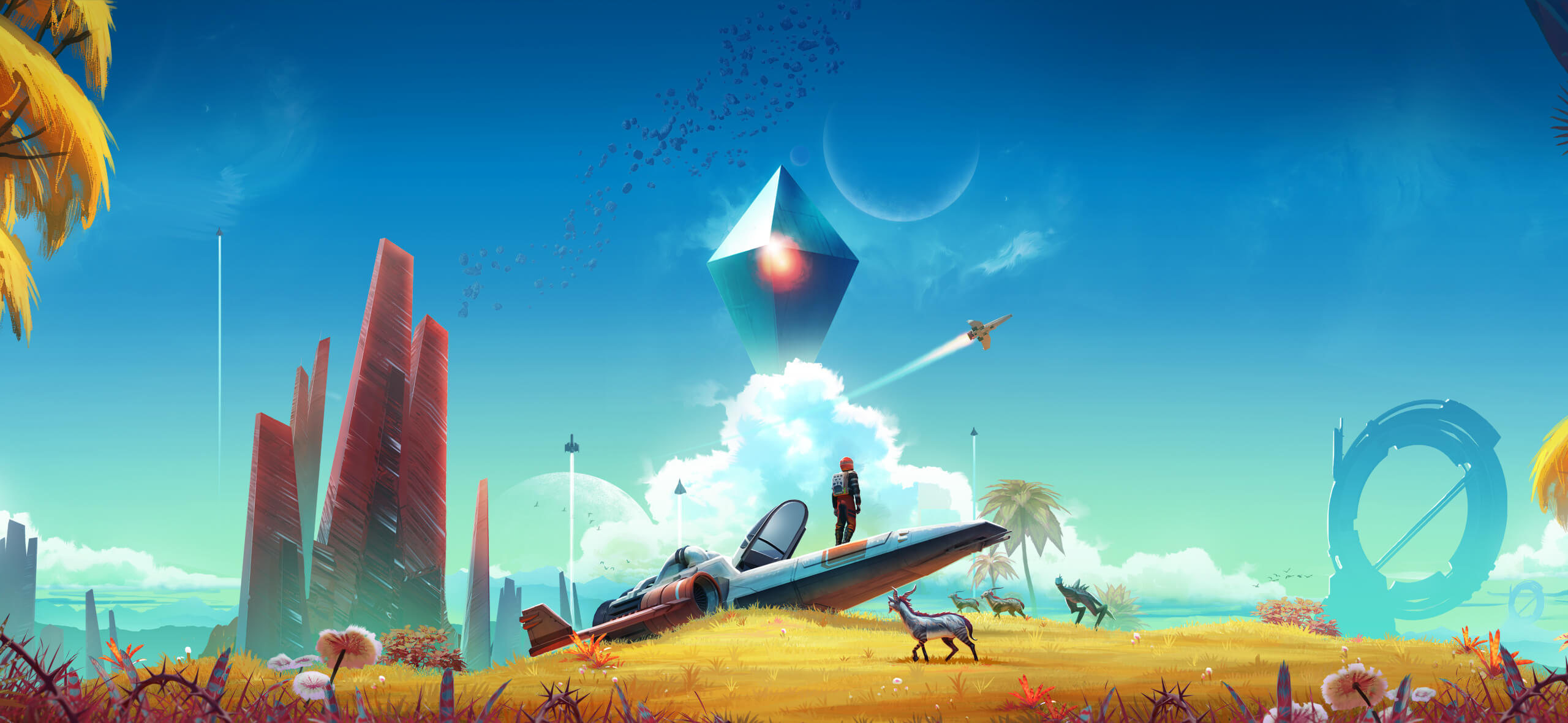
2. No Man's Sky
Remember the pre-release interviews? Sean Murray promised the universe, literally, and delivered a puddle. The backlash was brutal, a textbook case of over-promising and under-delivering. But Hello Games, bless their stubborn hearts, didn't just walk away. They rebuilt, added, and iterated until it became something genuinely special, a redemption arc for the ages. It taught us patience, and that sometimes, developers *can* fix their mistakes.
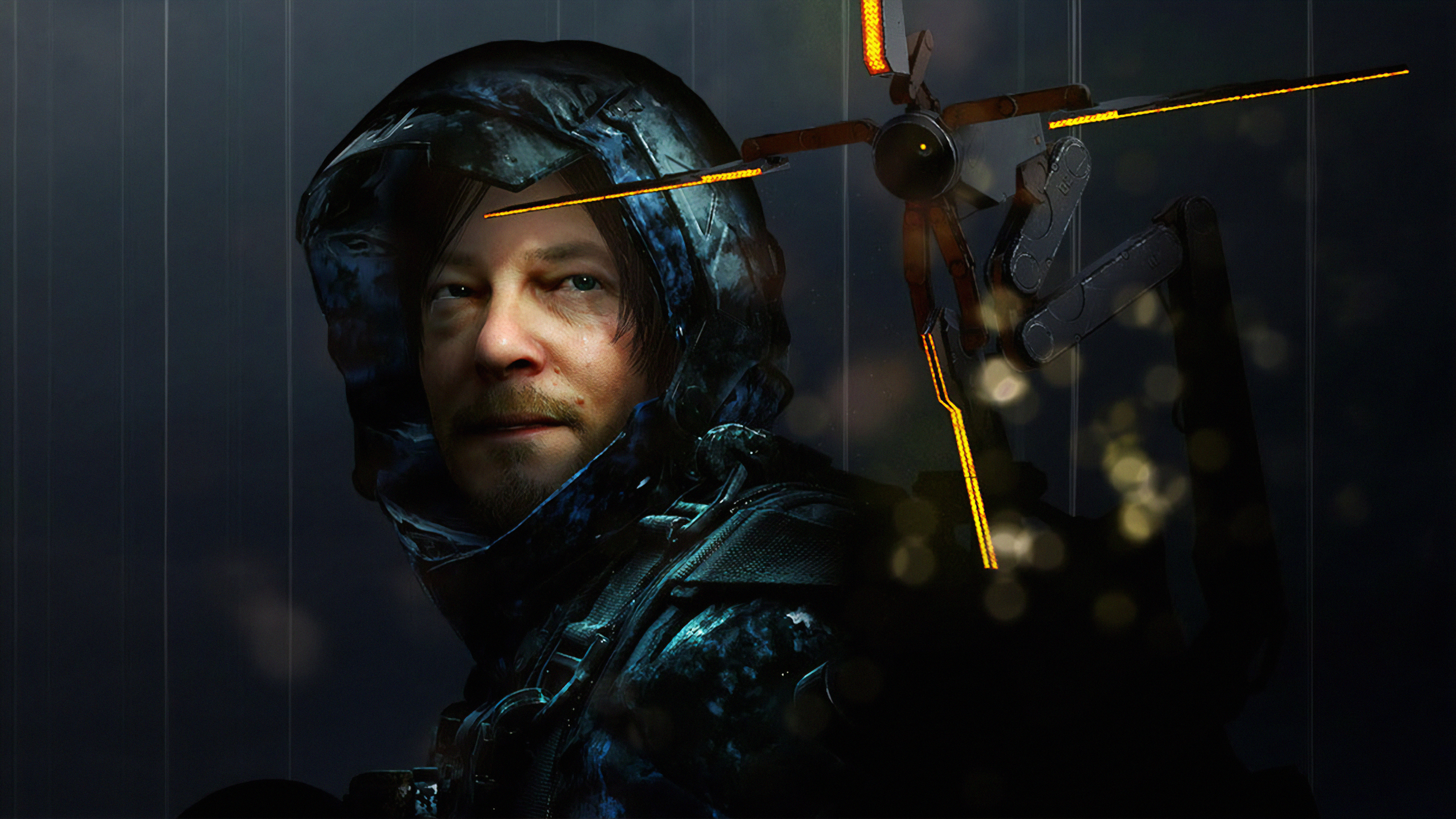
3. Death Stranding
Hideo Kojima's post-Konami debut was always going to be divisive. A walking simulator? A delivery service? Critics scratched their heads, gamers were split. It was undeniably slow, esoteric, and profoundly weird. But for those who bought into its melancholic vision of connection in isolation, the experience was profound. It defied genre conventions, proving that sometimes, a bold artistic statement is worth more than mass appeal.
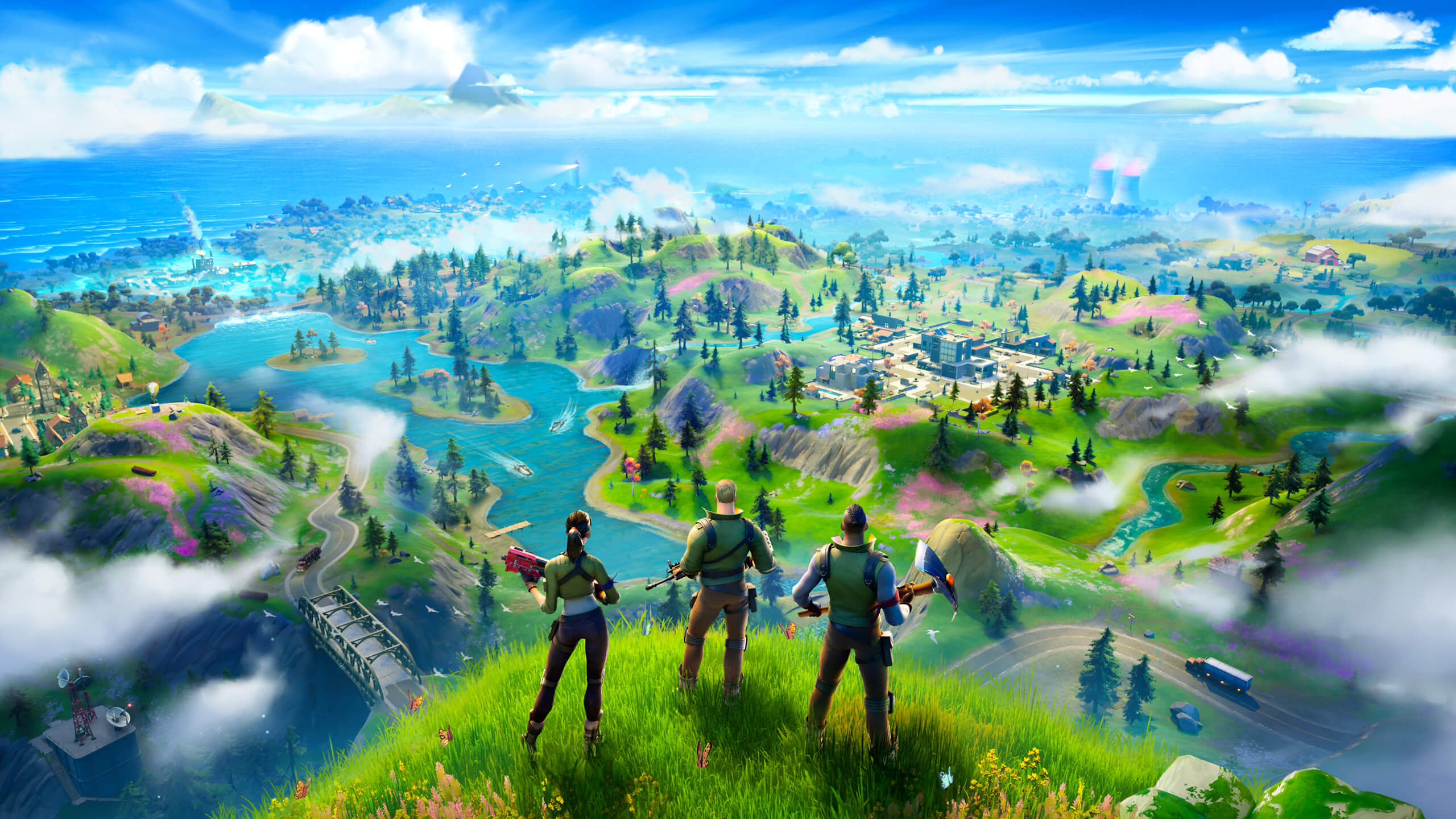
4. Fortnite Battle Royale
The establishment scoffed. "Another Battle Royale? And it's cartoonish?" Then it ate their lunch. *Fortnite* wasn't just a game; it was a cultural phenomenon, a digital playground where kids and celebrities alike built and shot. It proved free-to-play could dominate, that constant updates and community engagement trumped traditional release cycles, and that dance emotes are serious business. Pure, unadulterated, chaotic fun.
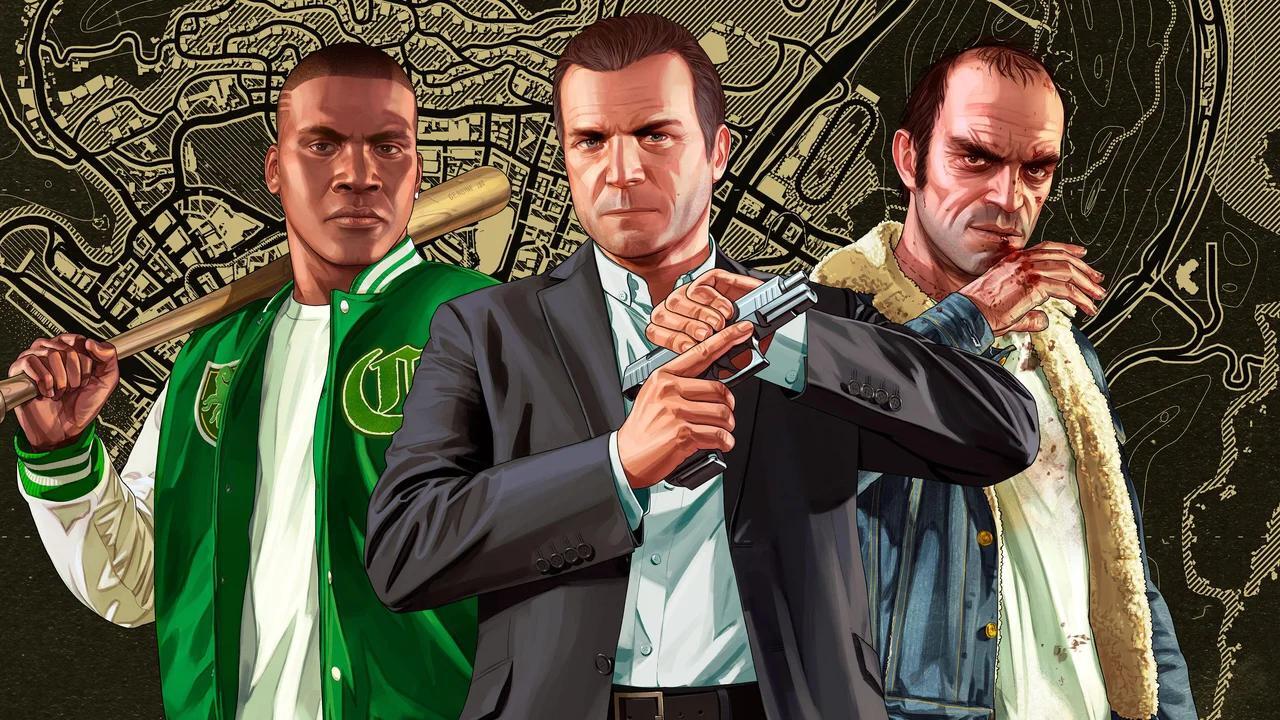
5. Grand Theft Auto V
From the moment it dropped, *GTA V* was a lightning rod. Excessive violence, misogyny, a scathing critique of modern America – it had it all. Yet, it sold billions. The sheer scope of Los Santos, the interwoven narratives, and the anarchic freedom of *GTA Online* were irresistible. It’s a masterclass in open-world design, albeit one that consistently pushes boundaries and makes pearl-clutchers uncomfortable.
6. The Last of Us Part II
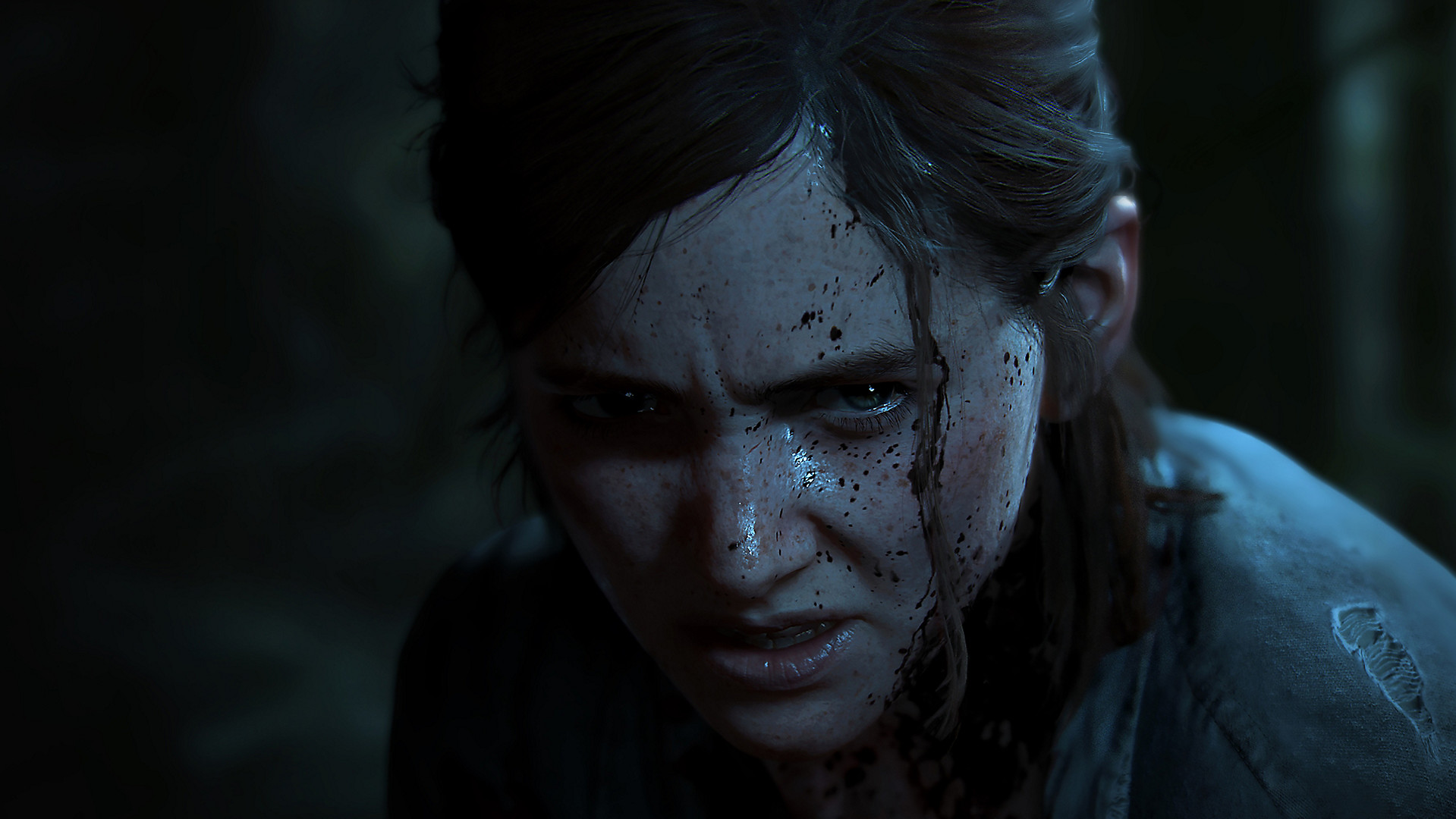
Oh, the discourse. Naughty Dog dared to subvert expectations, to tell a story that didn't just give players what they wanted, but what the writers felt was necessary. The vitriol, the review bombing, it was ugly. But the technical mastery, the raw emotional intensity, and the unflinching narrative courage were undeniable. It's a game that forces you to confront uncomfortable truths, even if it hurts.
7. Marvel’s Avengers
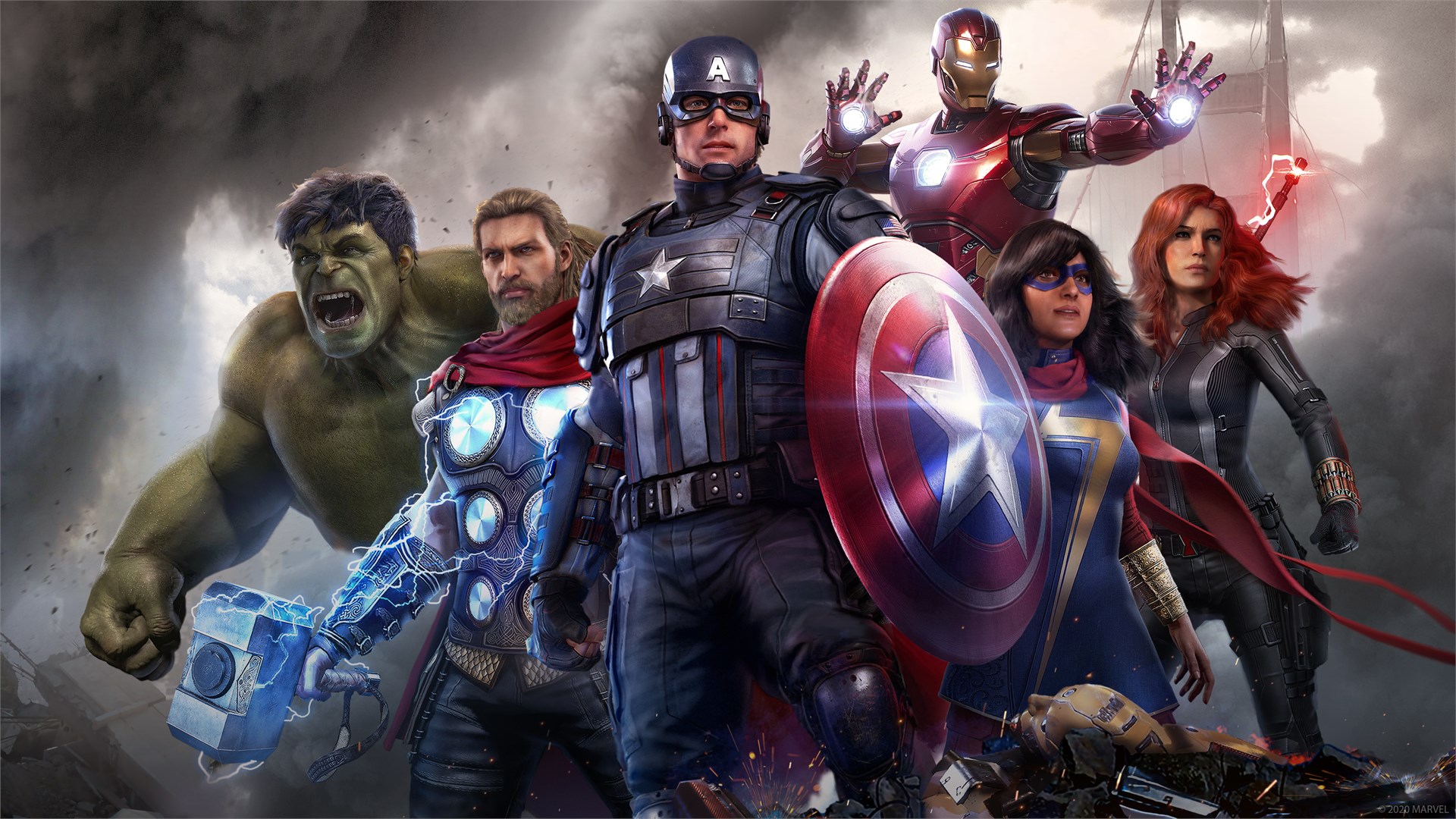
This one was a lesson in how *not* to do a live-service game. A beloved IP, a huge budget, and it still launched as a repetitive, grindy mess filled with microtransactions. The single-player campaign was actually decent, but the endless pursuit of the "games as a service" model crippled it. It's a prime example of corporate greed and poor execution overshadowing potential, a warning shot for IP exploitation.
8. Starfield
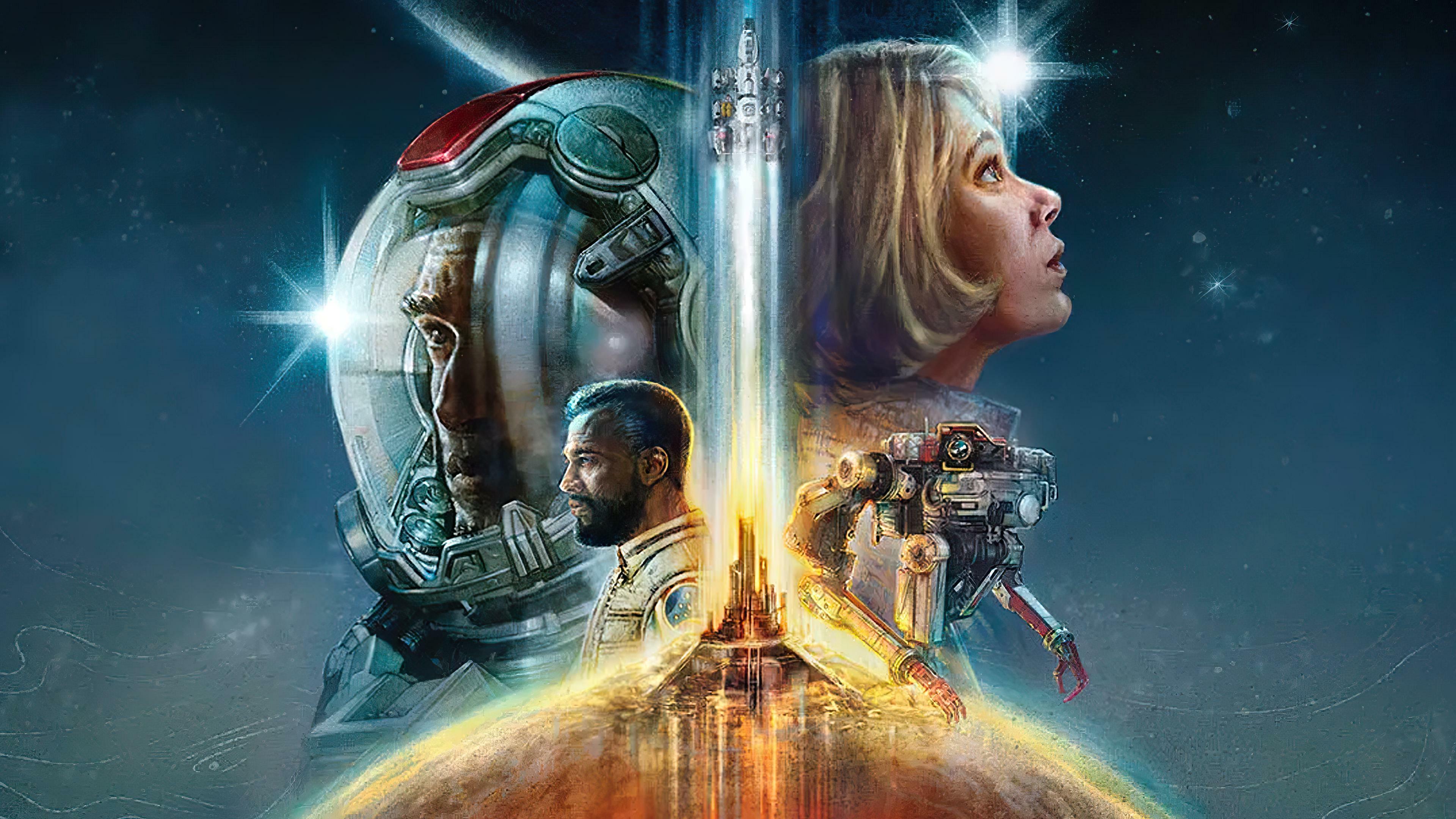
Bethesda's grand space epic was meant to be their *Skyrim* in space. Instead, it launched to polite shrugs and a mountain of loading screens. While some found its procedural generation and exploration compelling, others criticized its dated engine, bland character models, and a distinct lack of Bethesda's usual magic. It felt like a safe, focus-grouped experience, proving that even industry giants can miss the mark.
9. Elden Ring
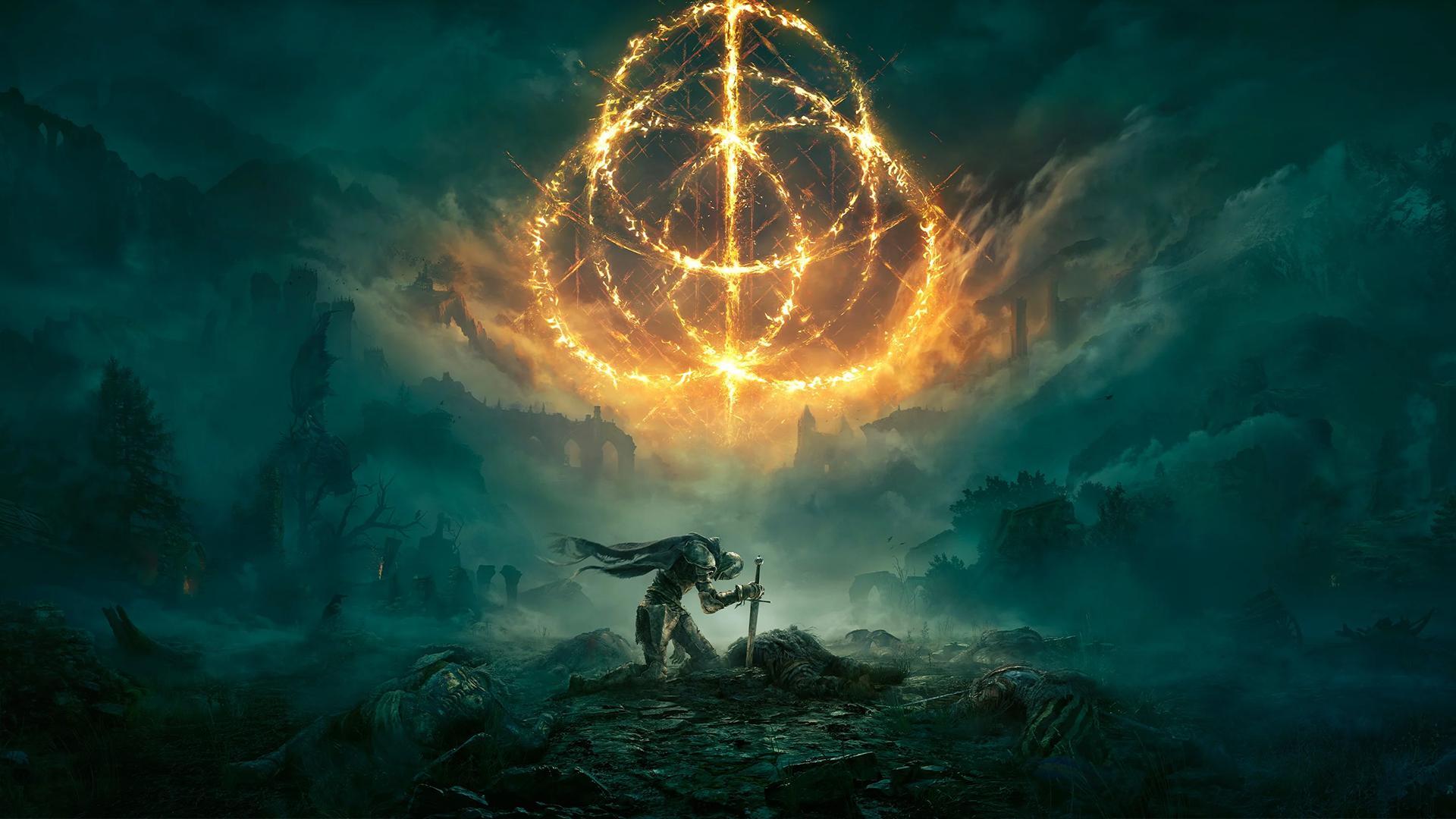
FromSoftware took its notoriously opaque, punishing formula and somehow made it accessible to millions. The open world, the sheer scale of the Lands Between, the lore, the bosses – it was a phenomenon. Critics initially worried the difficulty would gatekeep, but instead, it fostered a massive, supportive community. It proved that challenging, player-respecting design can still conquer the mainstream, no hand-holding required.