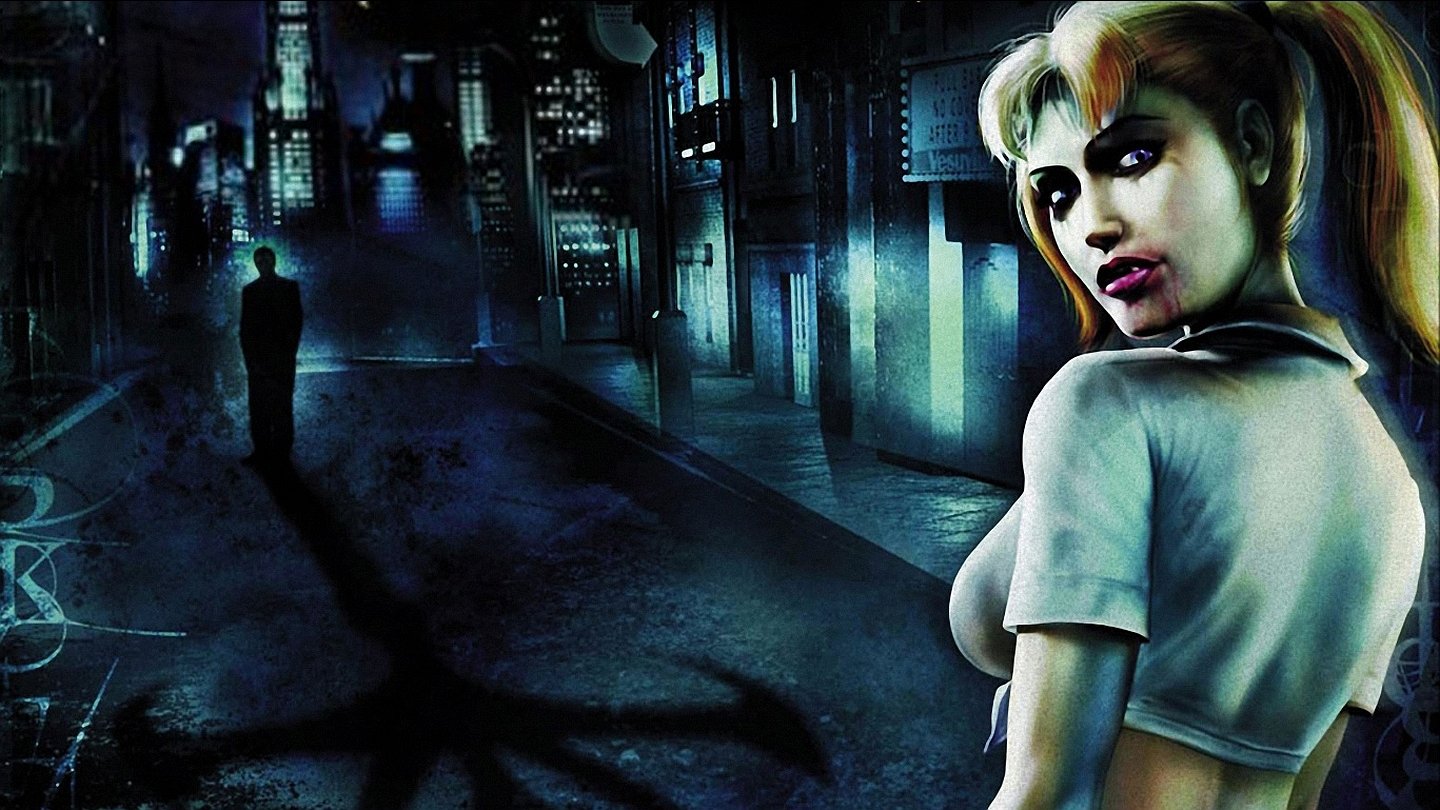
1. Vampire: The Masquerade - Bloodlines
This RPG arrived in 2004, a beautiful mess of ambition and bugs. Yet, its intricate world, sharp writing, and true player choice carved out a legend. Exploring night-shrouded Los Angeles as a fledgling Kindred, navigating vampire politics, felt uniquely authentic. It set a benchmark for narrative depth in RPGs, a true diamond in the rough that only shined brighter with community patches.
2. Spec Ops: The Line
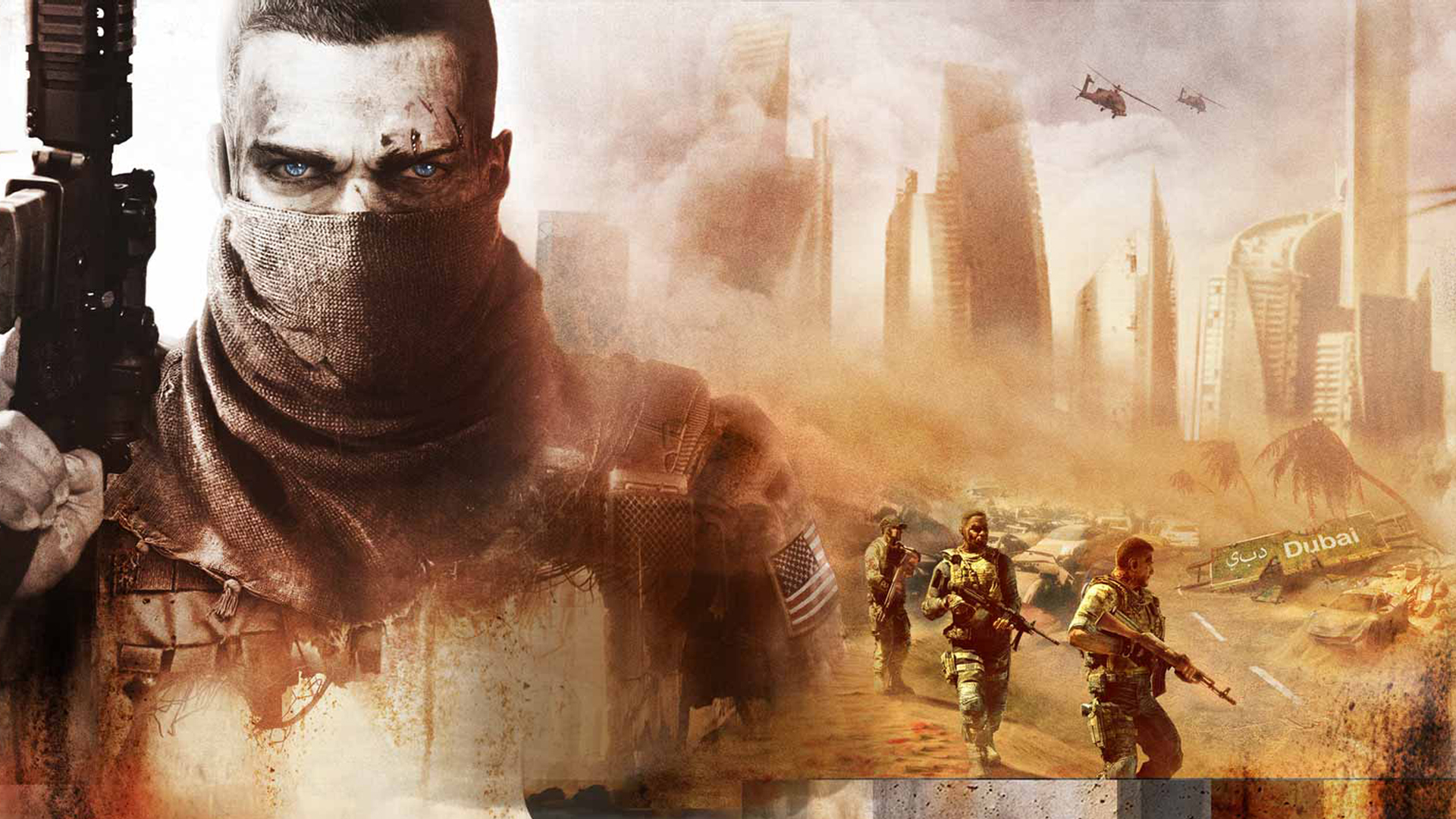
Released in 2012, this game masqueraded as a generic military shooter, but it was a Trojan horse. It ruthlessly deconstructed the genre’s tropes, forcing players to confront the true horror and moral ambiguity of war. The descent into madness, both for the characters and the player, remains a stark, uncomfortable masterclass in narrative design. It’s a game that leaves a lasting scar.
3. Outer Wilds
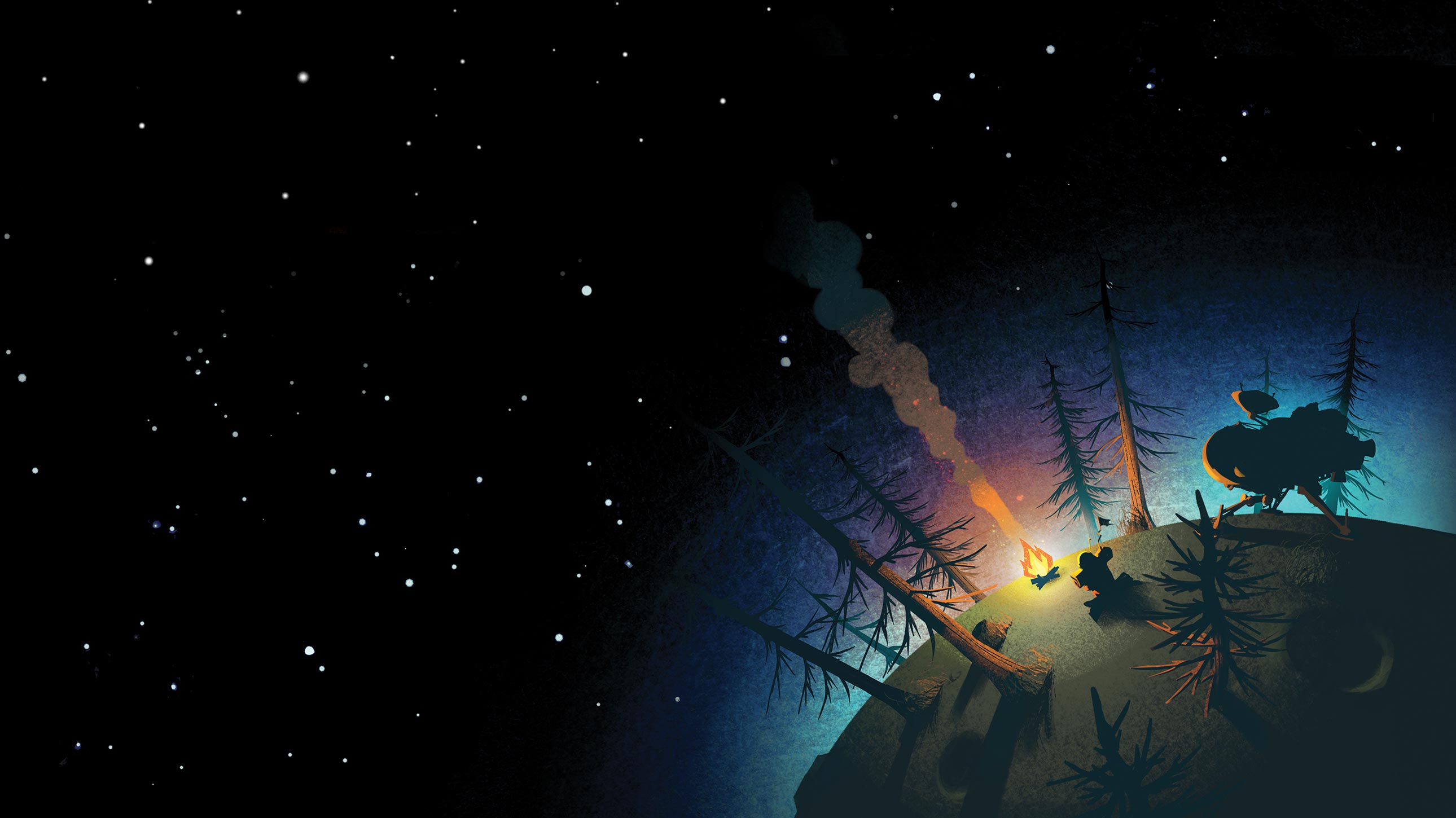
In 2019, Outer Wilds offered something truly special: pure, unadulterated exploration. Trapped in a 22-minute time loop, players pieced together an ancient mystery across a miniature solar system. The joy wasn't in combat or progression, but in discovery, understanding, and the profound sense of intellectual awe it cultivated. It's a cosmic puzzle box that truly respects your intelligence.
4. Katana ZERO
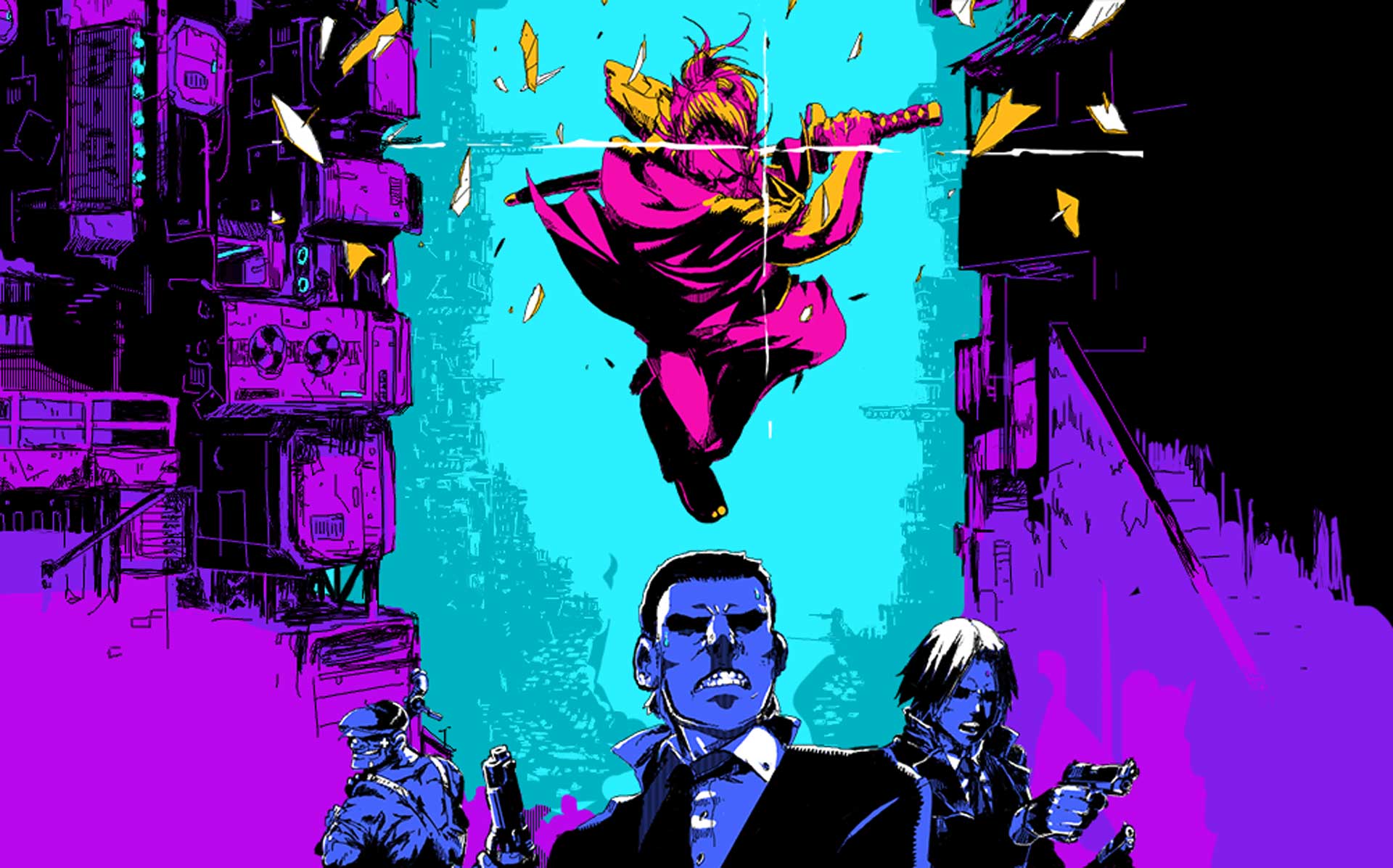
This 2019 neo-noir action-platformer is a masterclass in stylish violence and tight mechanics. Playing as a drug-addled, time-manipulating assassin, each level is a brutal puzzle of precise movement and instant kills. Its fragmented, non-linear narrative, alongside a killer synthwave soundtrack, creates an intense, unforgettable experience. It’s a true adrenaline rush with a surprisingly deep story.
5. E.Y.E: Divine Cybermancy
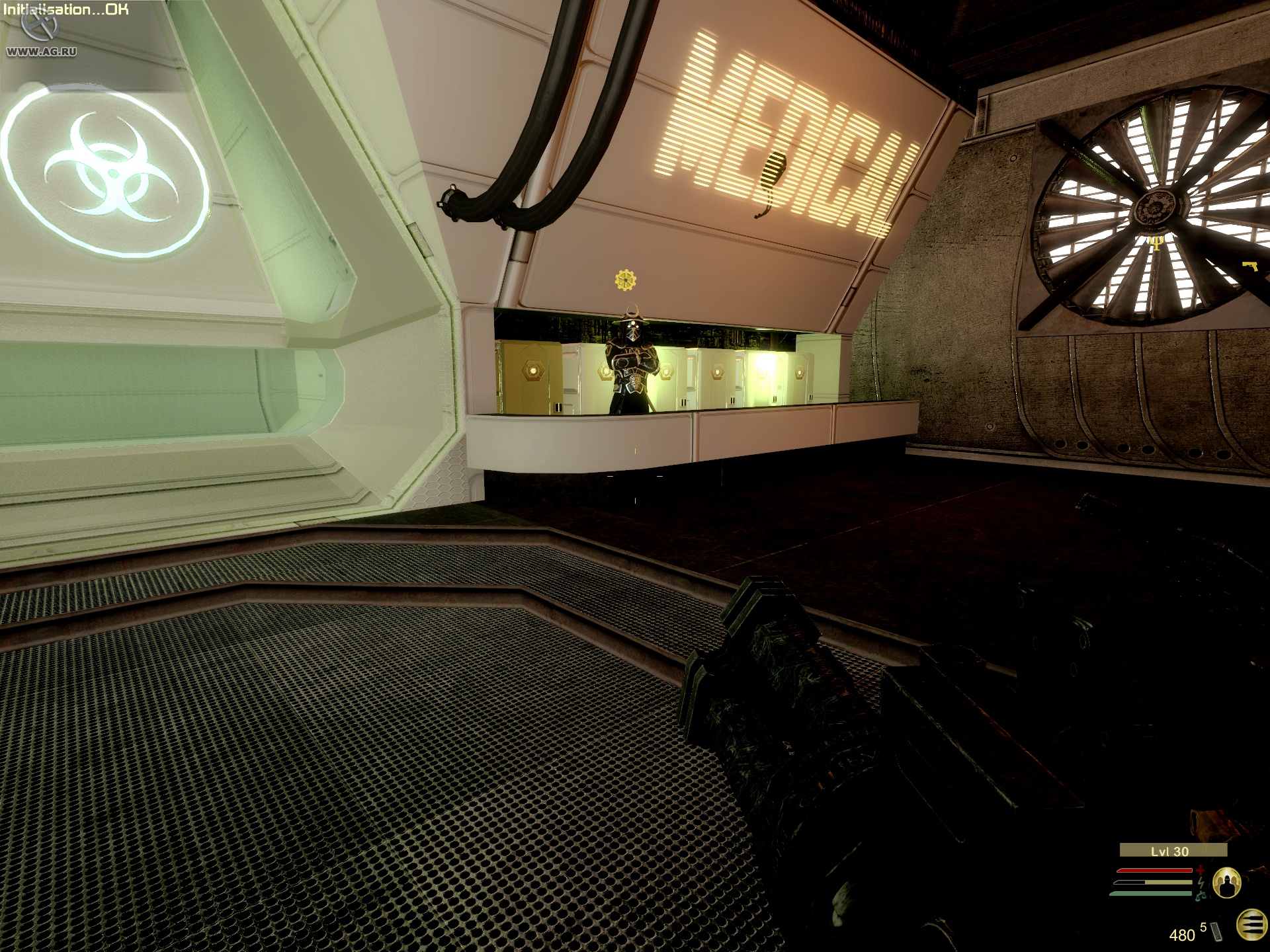
From 2011, E.Y.E. is an acquired taste, a bewildering, janky cyberpunk RPG-shooter. Yet, beneath its rough exterior lies an incredibly deep, bizarre world steeped in philosophical and religious lore. Its obtuse systems and impenetrable narrative are part of its charm, fostering a dedicated cult following. It’s a game that rewards patience and a willingness to embrace its unique brand of chaos.
6. The Swapper
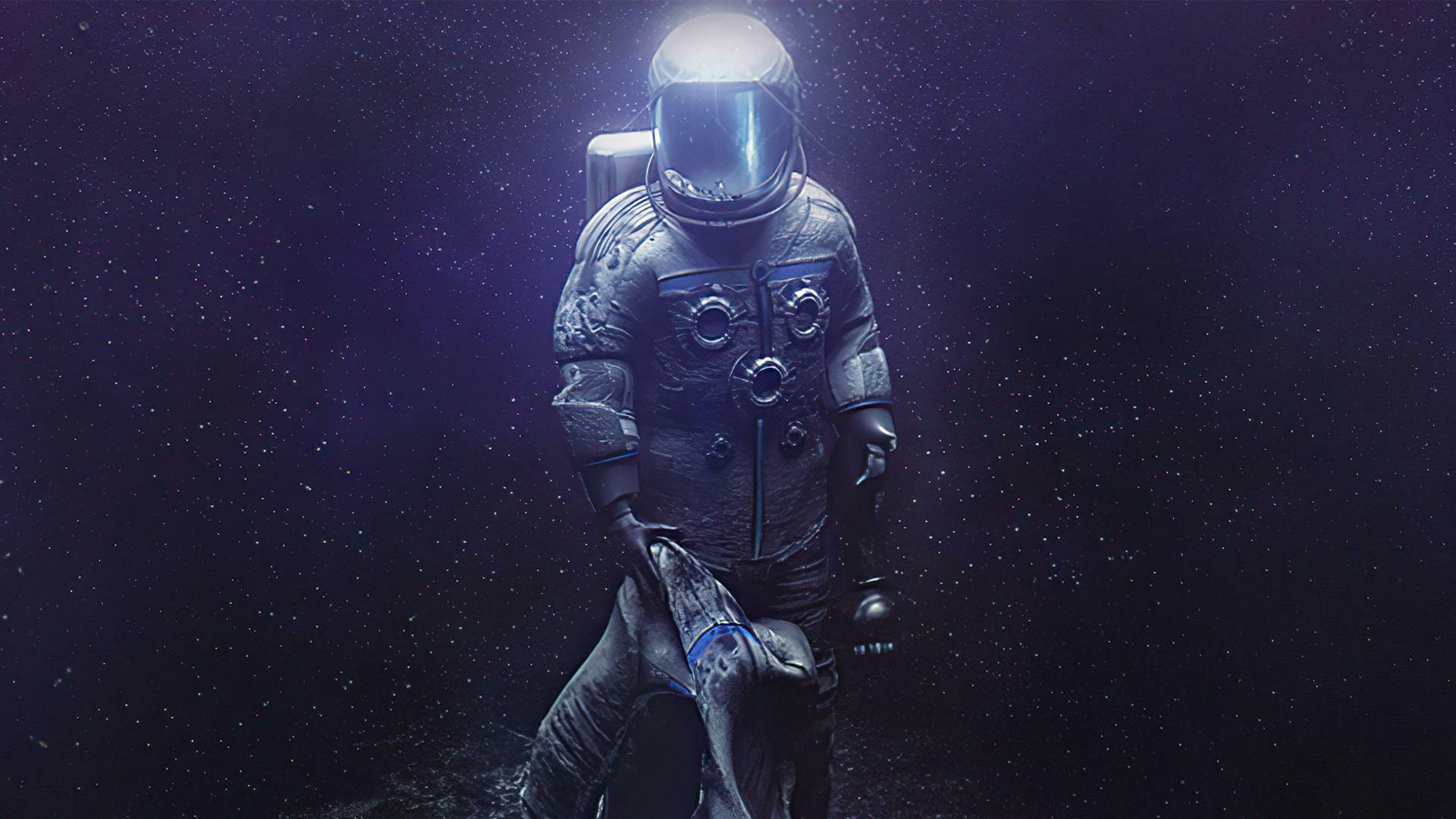
The Swapper, released in 2013, is a brilliant puzzle-platformer wrapped in a suffocatingly atmospheric sci-fi horror shell. Its core mechanic, cloning yourself and swapping consciousness, leads to genuinely mind-bending challenges. Beyond the clever puzzles, it delves into profound questions about identity, consciousness, and what it means to be human. It’s intellectually stimulating and deeply unsettling.
7. Okami
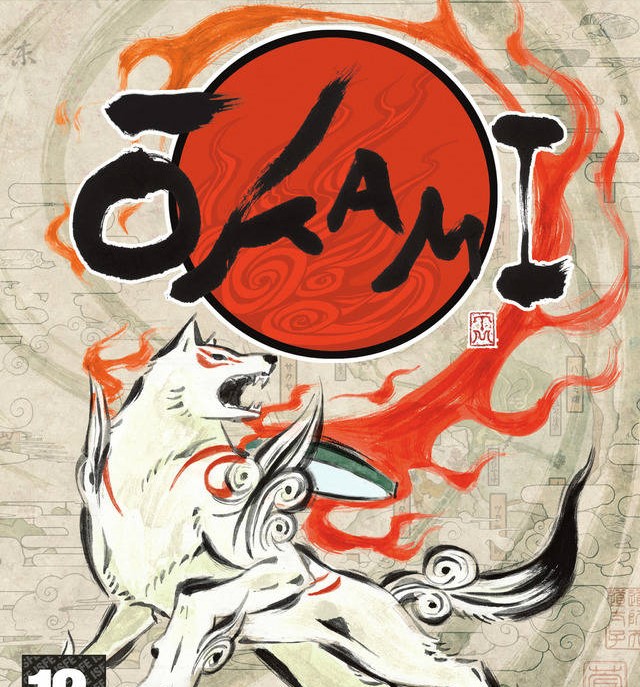
Clover Studio's 2006 masterpiece, Okami, painted a vibrant world inspired by Japanese folklore. Its stunning cel-shaded art style, resembling traditional sumi-e ink wash painting, remains breathtaking. More than just visuals, its unique Celestial Brush mechanics, used for both combat and environmental puzzles, provided an innovative and deeply engaging adventure. It was a true artistic triumph.
8. FTL: Faster Than Light
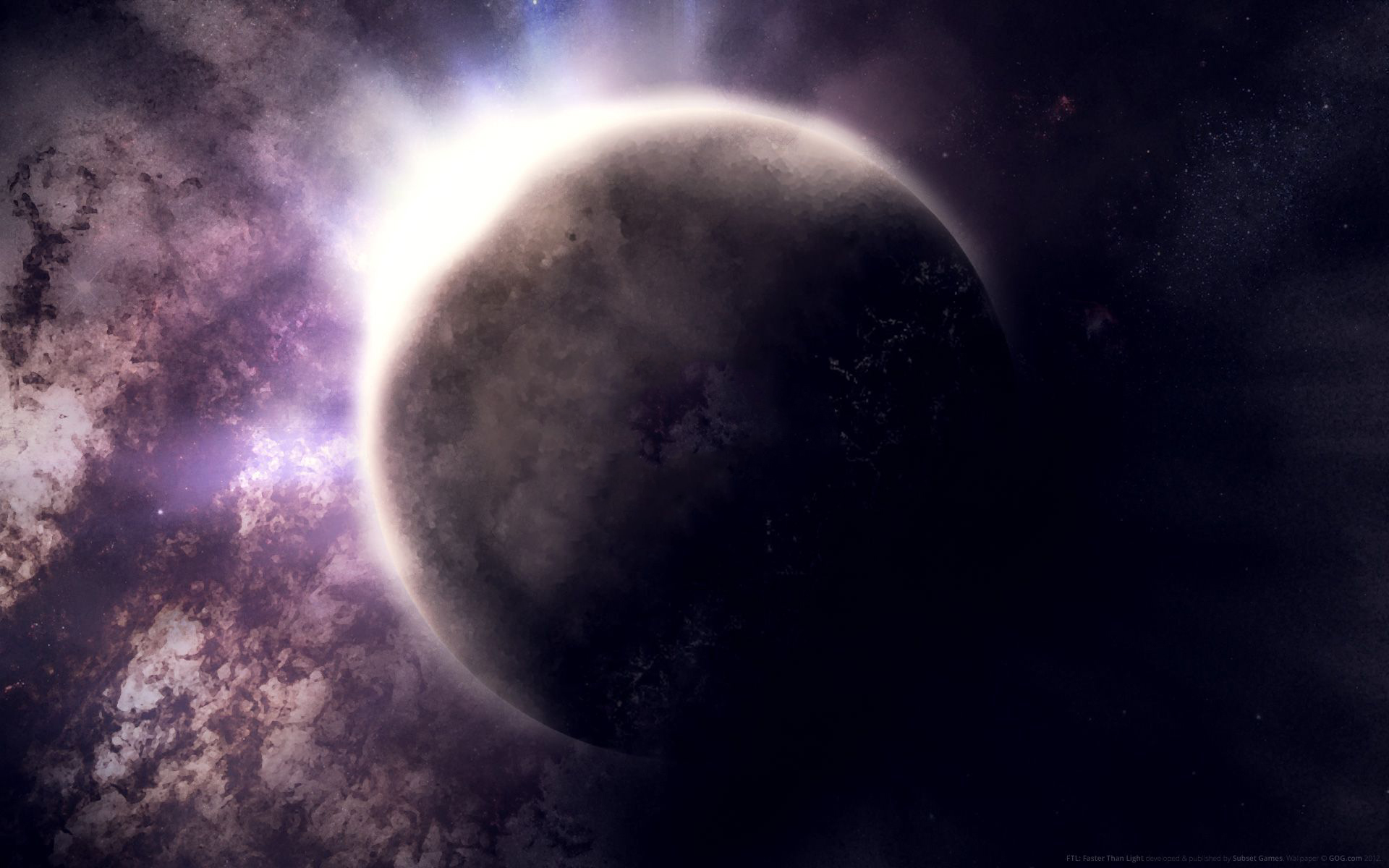
FTL, launched in 2012, redefined the roguelike genre with its brutal, addictive space combat. Managing crew, power, and ship systems in real-time, pausing to issue orders, created frantic tactical depth. Each run was a desperate gamble against overwhelming odds, a testament to its compelling design. It’s a masterclass in emergent storytelling and replayability.
9. Subnautica
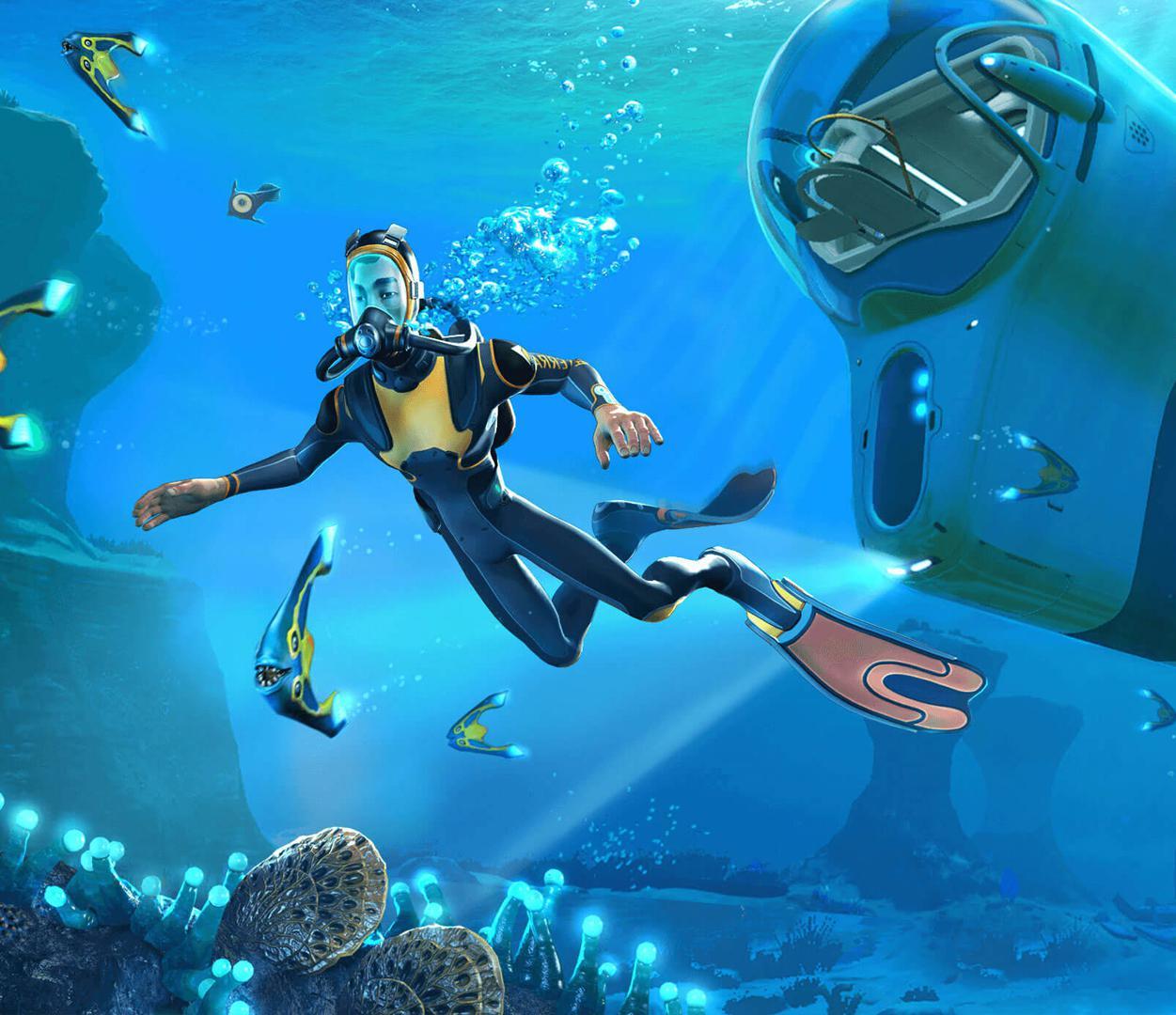
While it gained traction, Subnautica (2018) still feels somewhat underappreciated for its sheer scope. Stranded on an alien ocean planet, players explore terrifying depths, build elaborate bases, and unravel a compelling mystery. It masterfully blends survival, exploration, and genuine psychological horror. The sense of scale and vulnerability it instills is truly unparalleled.