
1 / 9
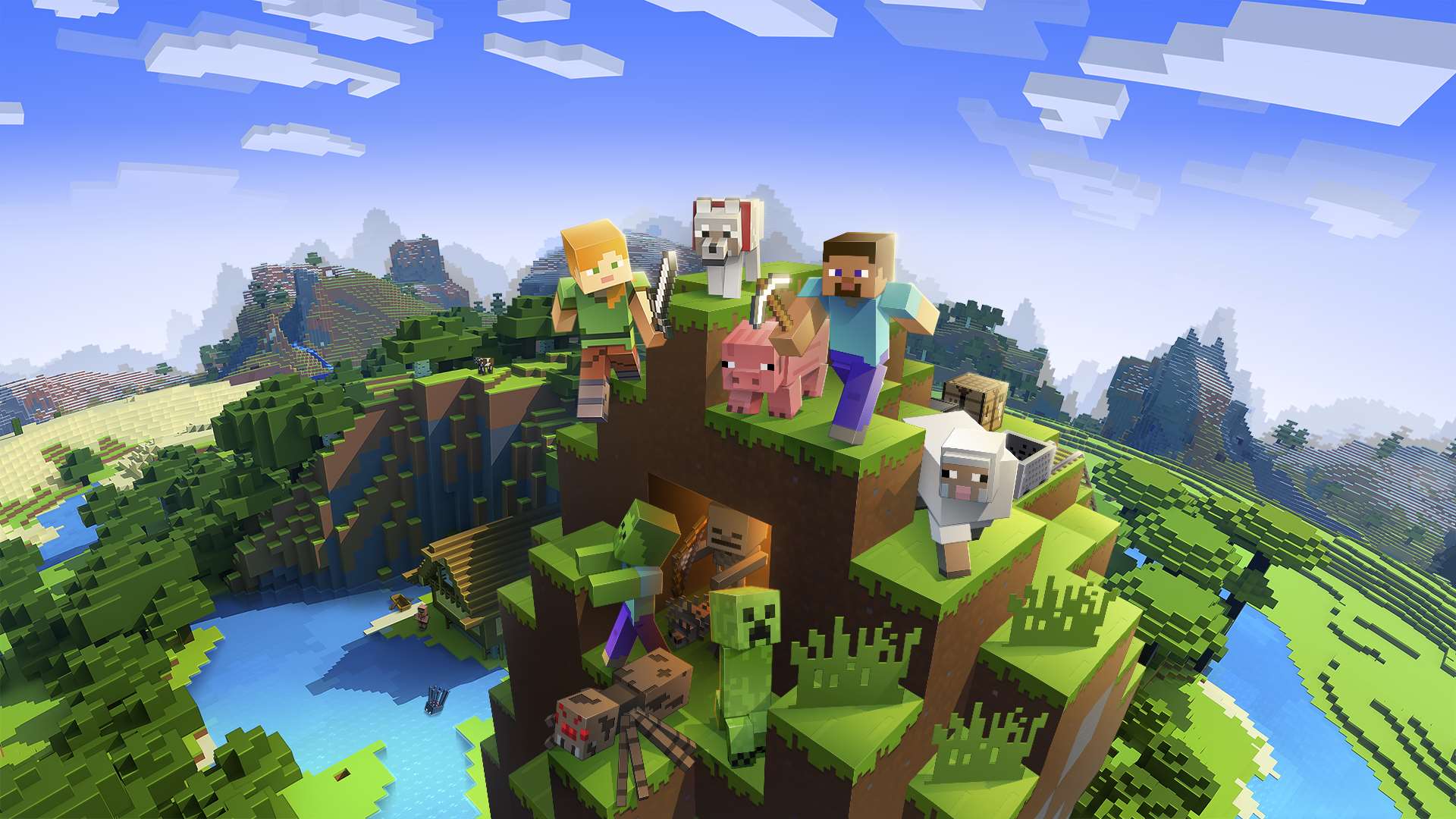
1. Minecraft
This game democratized creation, turning millions into digital architects. It wasn't just a game; it was a platform for limitless expression, fostering a new kind of digital literacy. Generations learned problem-solving and collaboration within its blocky worlds, shaping early online communities and even influencing educational approaches. And it still holds up, a testament to its foundational simplicity.
2 / 9
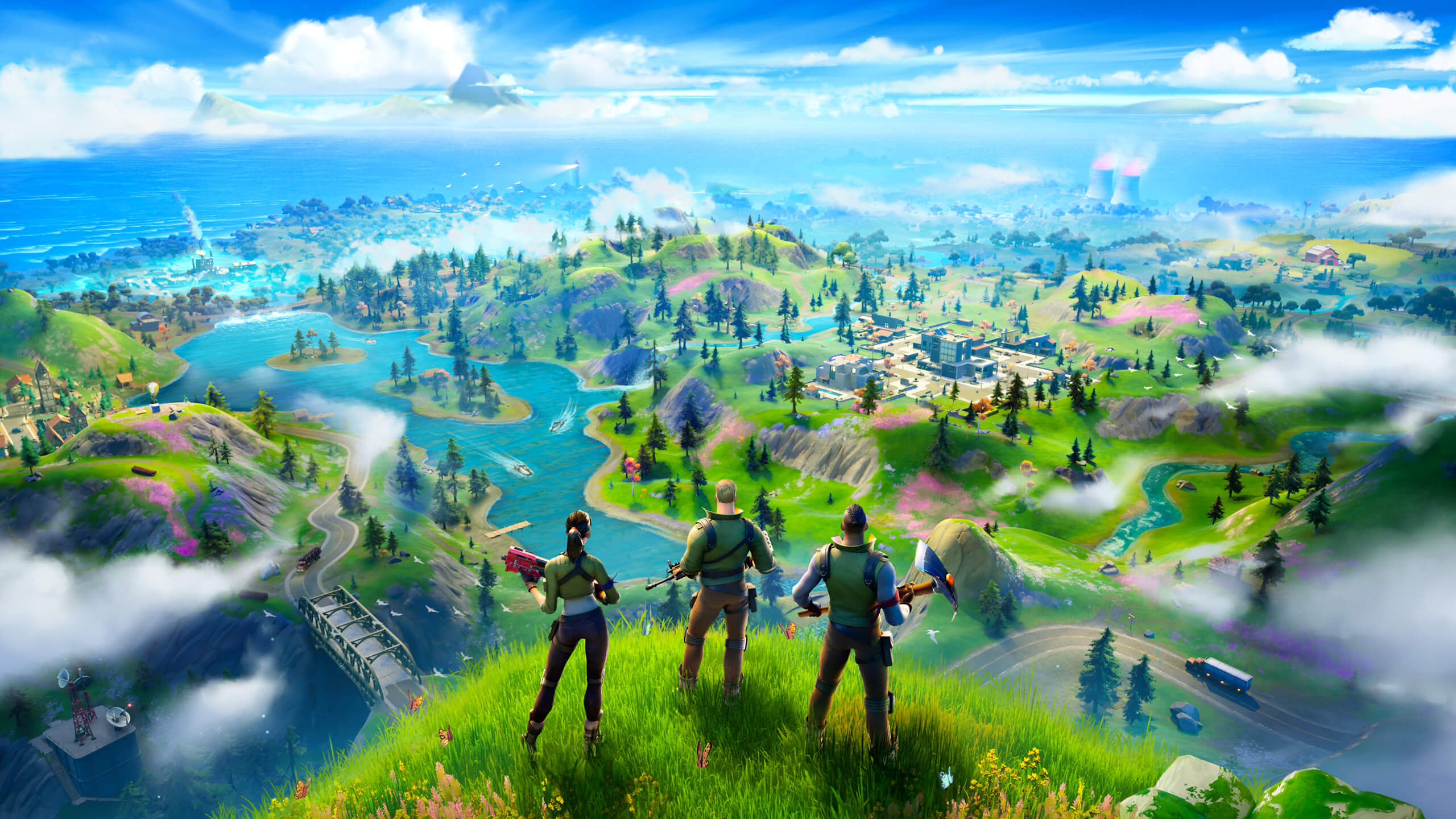
2. Fortnite Battle Royale
Few games have captured the zeitgeist quite like Fortnite. It transcended gaming, becoming a cultural phenomenon that dictated trends in music, dance, and fashion. Its free-to-play model and constant evolution redefined how live service games operate, creating a social hub as much as a competitive arena. It’s hard to overstate its pervasive influence.
3 / 9
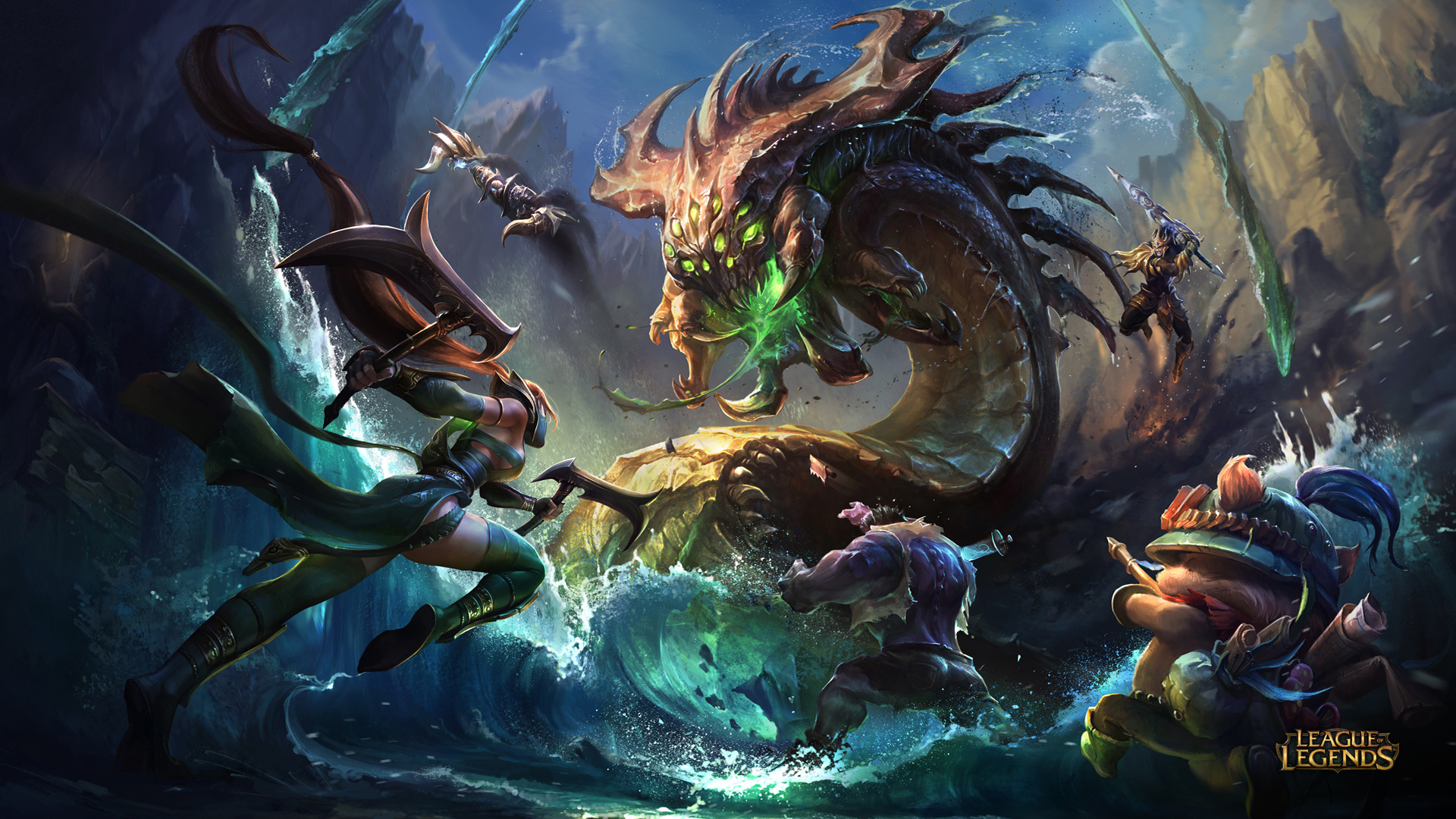
3. League of Legends
This game didn't just popularize the MOBA genre; it built an entire esports empire. Its intricate strategy and competitive depth cultivated a massive, dedicated player base, shaping professional gaming into a legitimate global spectacle. League’s influence extends far beyond its millions of players, demonstrating the power of a finely tuned, perpetually updated competitive experience.
4 / 9
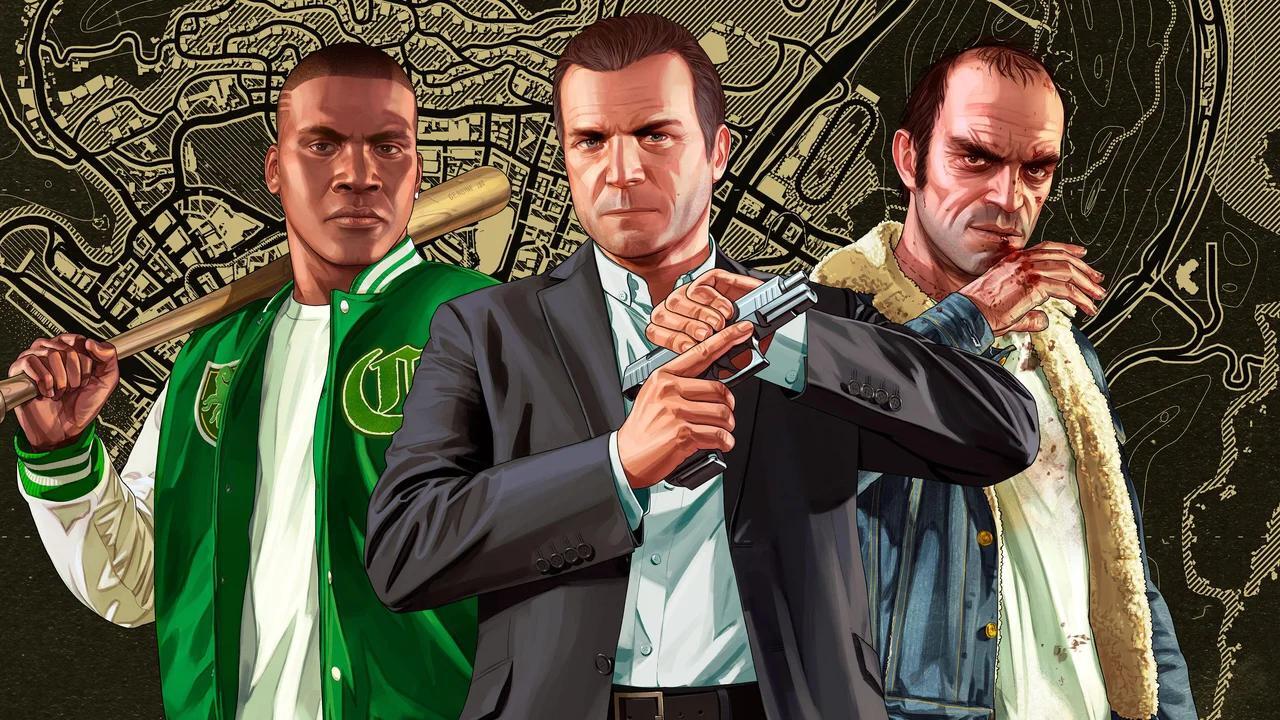
4. Grand Theft Auto V
GTA V set new benchmarks for open-world design and narrative scope. Its sprawling, satirical depiction of American life offered an unparalleled playground for both structured missions and chaotic free-roaming. The game’s longevity, fueled by GTA Online, showcases its enduring appeal and ability to adapt, continuously selling copies years after its release.
5 / 9
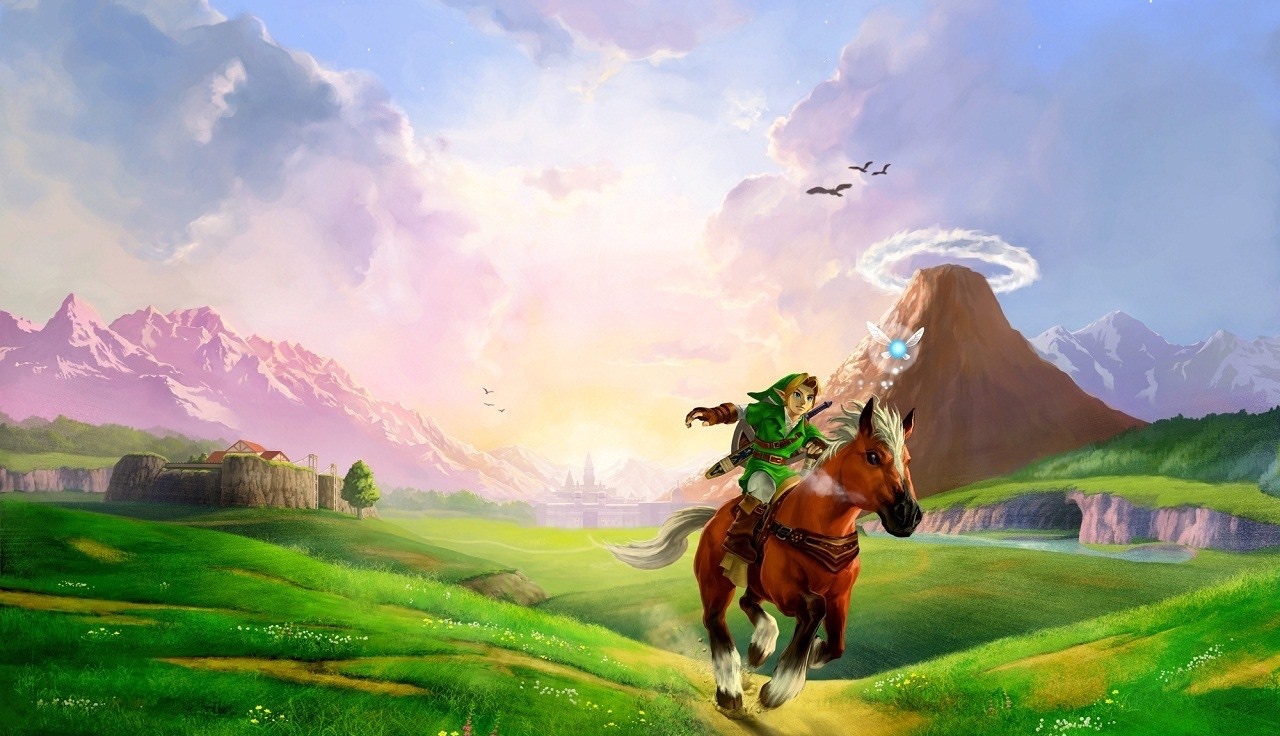
5. The Legend of Zelda: Ocarina of Time
A masterclass in 3D adventure, Ocarina of Time established conventions still emulated today. Its innovative targeting system, orchestral score, and emotional storytelling created an immersive world that resonated deeply with players. This game wasn't just groundbreaking; it provided a foundational blueprint for how 3D action-adventure games could be crafted.
6 / 9
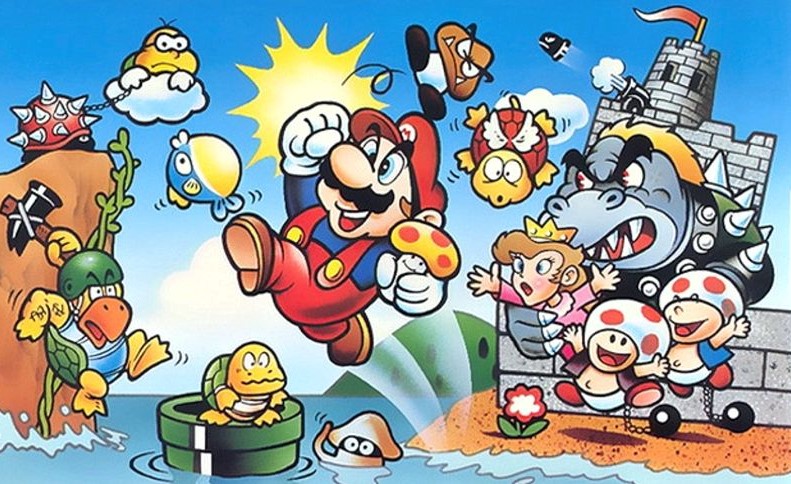
6. Super Mario Bros.
This title wasn't just a game; it was the resuscitation of an industry. Super Mario Bros. virtually single-handedly pulled video games from the brink, demonstrating the potential for sophisticated design and pure joy. Its precise controls, iconic characters, and clever level design became the bedrock upon which modern platforming was built. A true cultural touchstone.
7 / 9
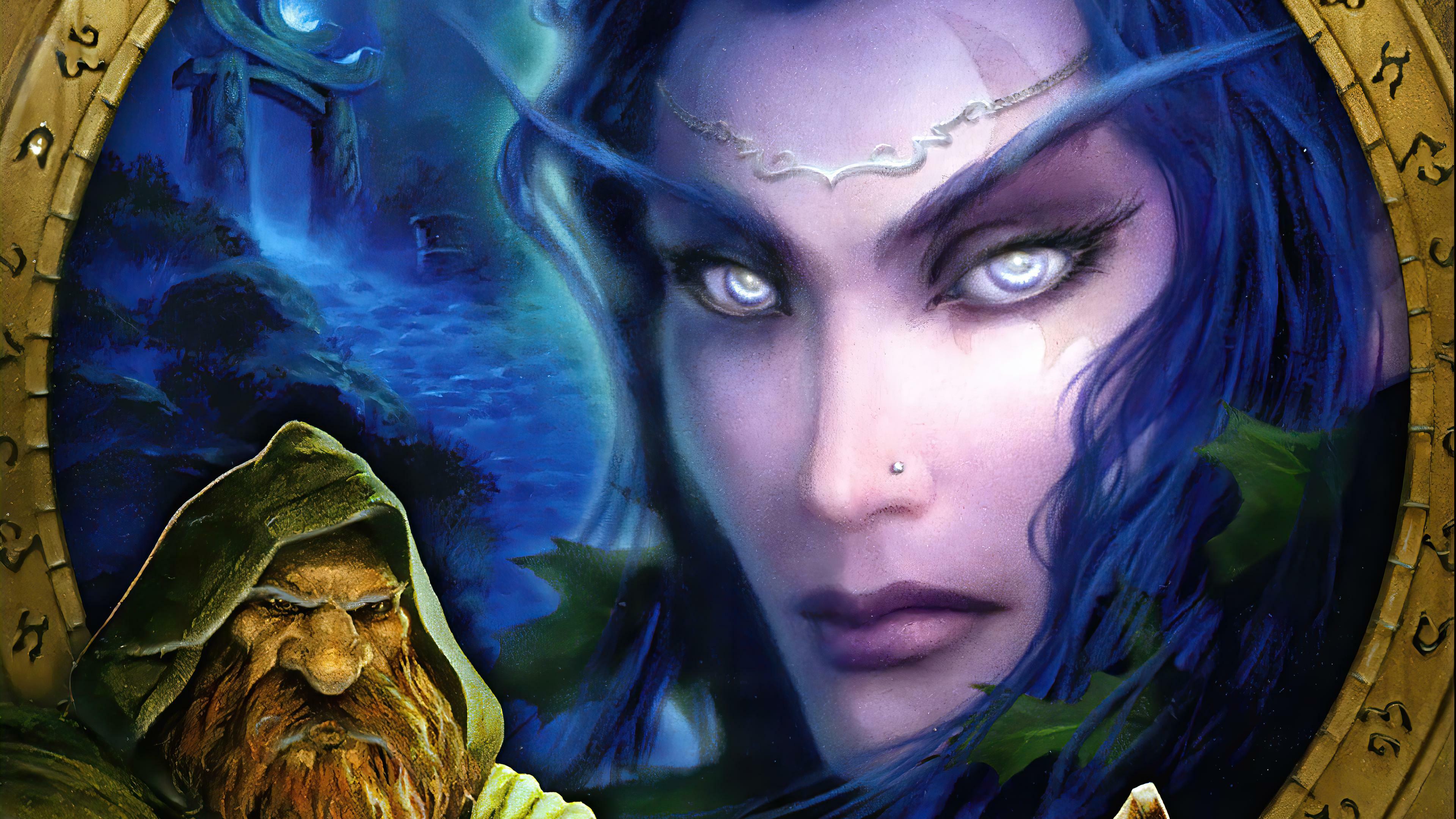
7. World of Warcraft
WoW redefined the MMORPG. It created persistent, vast virtual worlds where millions forged friendships, rivalries, and entire digital lives. Its subscription model, constant content updates, and deep lore fostered an unparalleled sense of community and commitment. This game truly showed the power of collective online experiences, shaping social interaction.
8 / 9
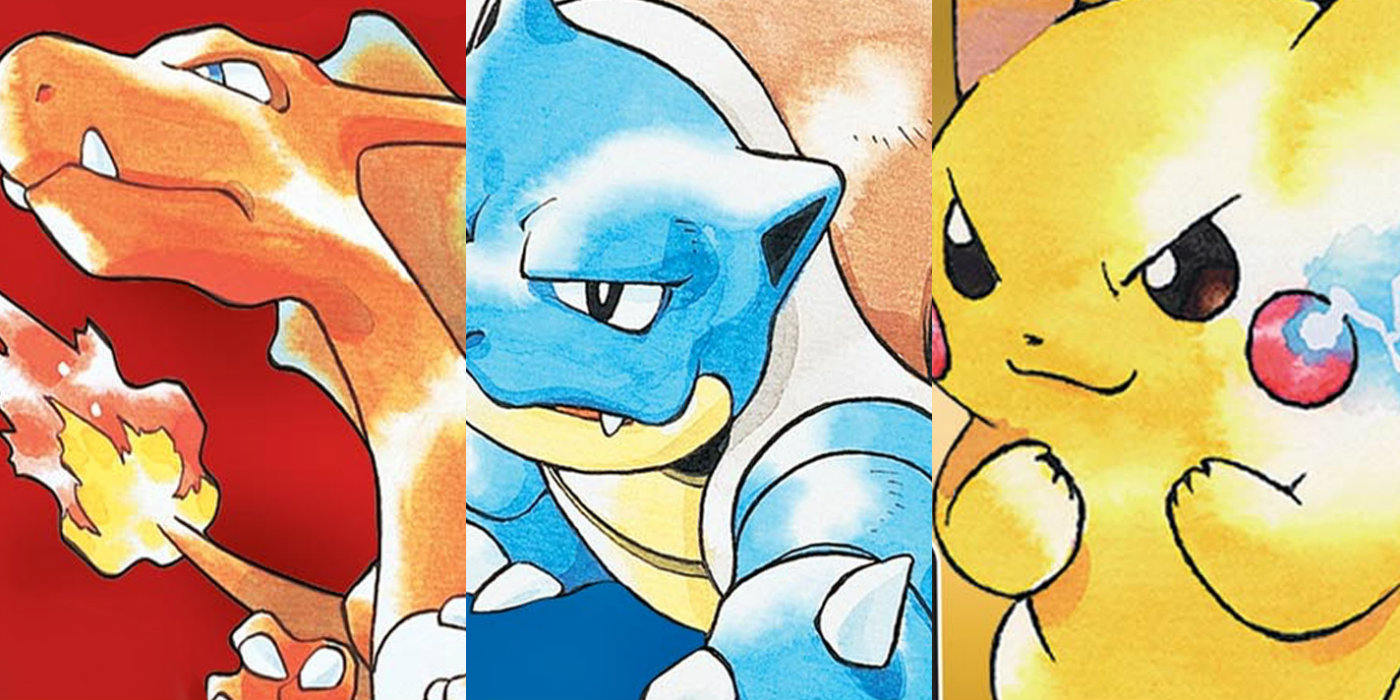
8. Pokémon Red, Blue, Yellow
These games weren't just about catching creatures; they were about discovery, collection, and social connection. They ignited a global phenomenon, launching a multimedia empire and introducing a generation to RPG mechanics. The simple yet profound joy of "catching 'em all" fostered a unique bond between players, driving playground trades and discussions for years.
9 / 9

9. Tetris (1984)
Few games possess the universal appeal and timeless design of Tetris. Its deceptively simple premise — rotating falling blocks to clear lines — became an addictive, endlessly replayable puzzle. Transcending language barriers and hardware limitations, Tetris proved that elegant mechanics could create a global phenomenon, influencing countless puzzle games and even cognitive science.