
1 / 9
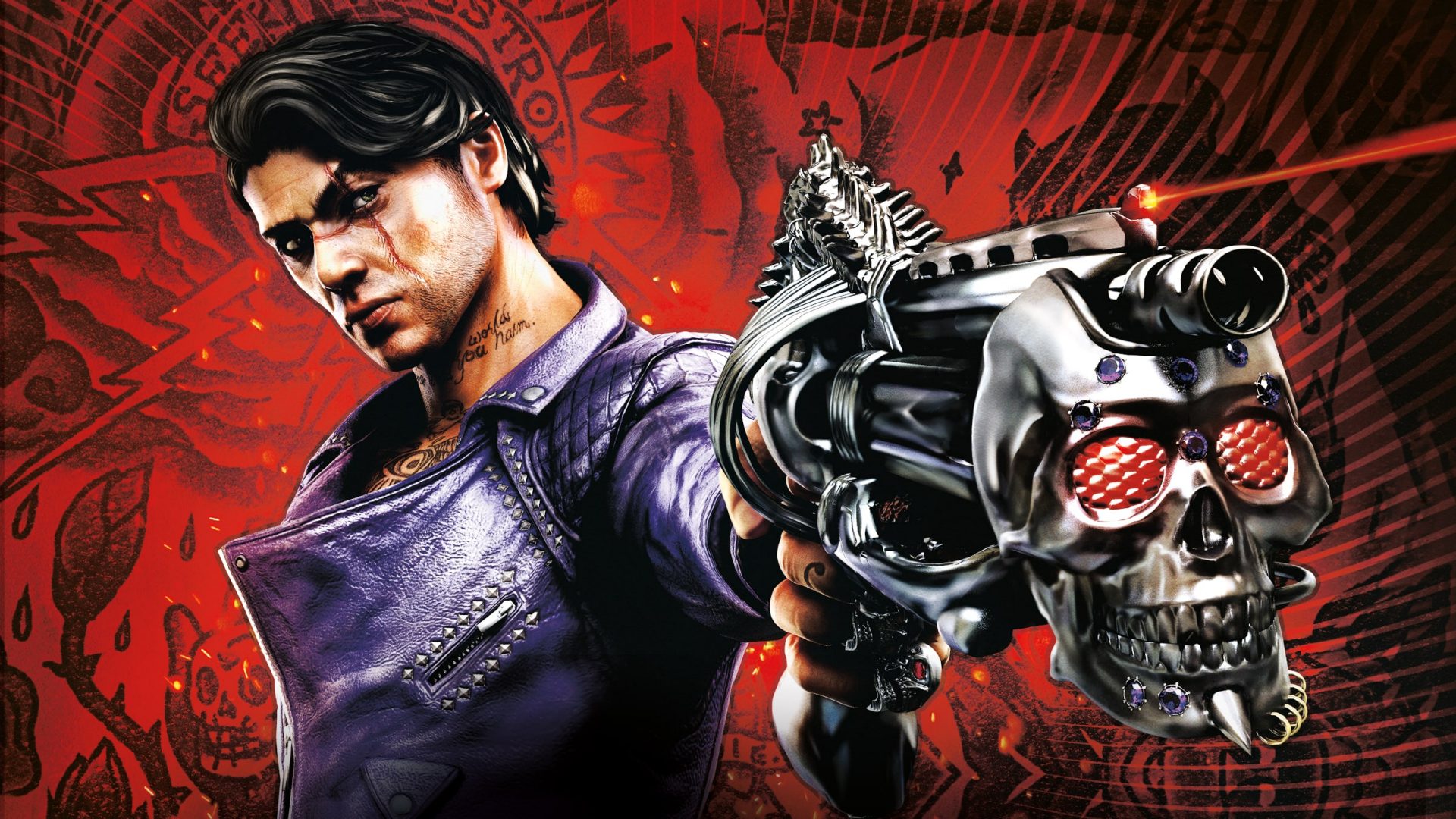
1. Shadows of the Damned
Remember Suda51, Mikami, and Yamaoka teaming up? Shadows of the Damned was their glorious, crude, horror-comedy lovechild. Seriously, playing as Garcia Hotspur with a talking skull gun named Johnson, fighting demons with phallic symbolism, was wild. And honestly, modern games rarely take such brave, bizarre risks with tone and character design anymore. It’s a forgotten gem from an era where creativity wasn’t always stifled by focus groups.
2 / 9
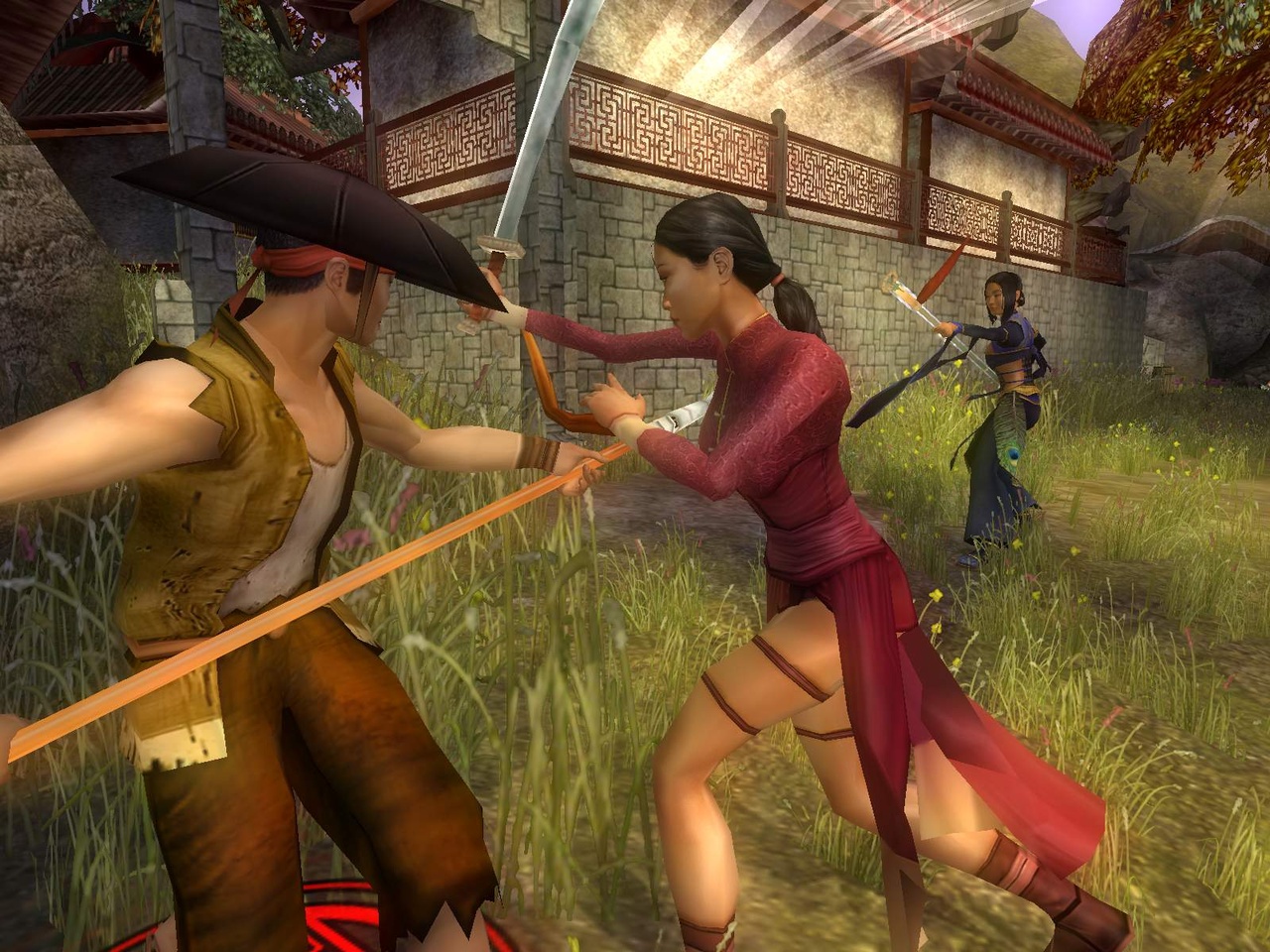
2. Jade Empire
Before BioWare became synonymous with Mass Effect or Dragon Age, they gave us Jade Empire. This Wuxia-inspired RPG offered a unique setting, deep philosophical choices, and satisfying martial arts combat. It often gets overlooked, but its distinct art style and focus on Eastern mythology were refreshing. It really showed that BioWare could craft compelling narratives beyond typical Western fantasy, a distinct voice often missing in today's homogenized RPG landscape.
3 / 9
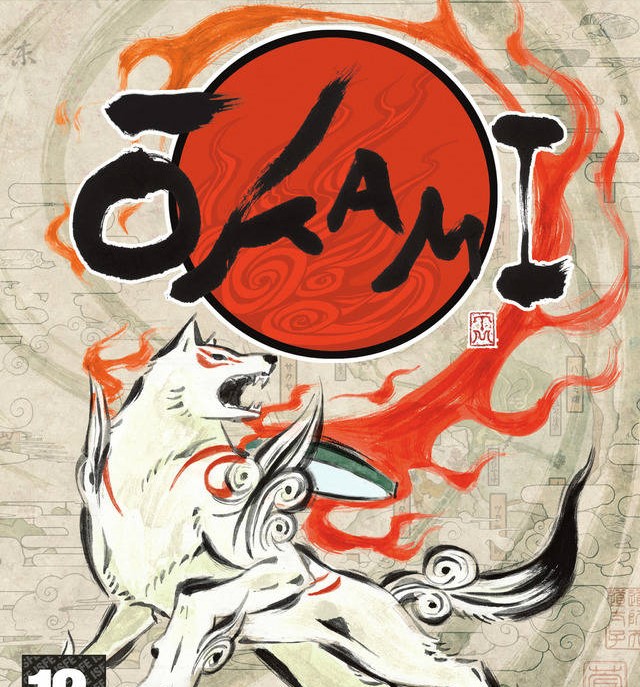
3. Okami
Capcom's masterpiece, Okami, delivered a stunning sumi-e art style paired with Zelda-esque exploration and combat, all set to an incredible, evocative soundtrack. It was a true artistic statement, yet tragically, it didn't find its audience initially. This game really shows how sometimes genius gets overlooked in an industry obsessed with safe bets and endless sequels, which is a real shame for such a visually groundbreaking and heartfelt adventure.
4 / 9
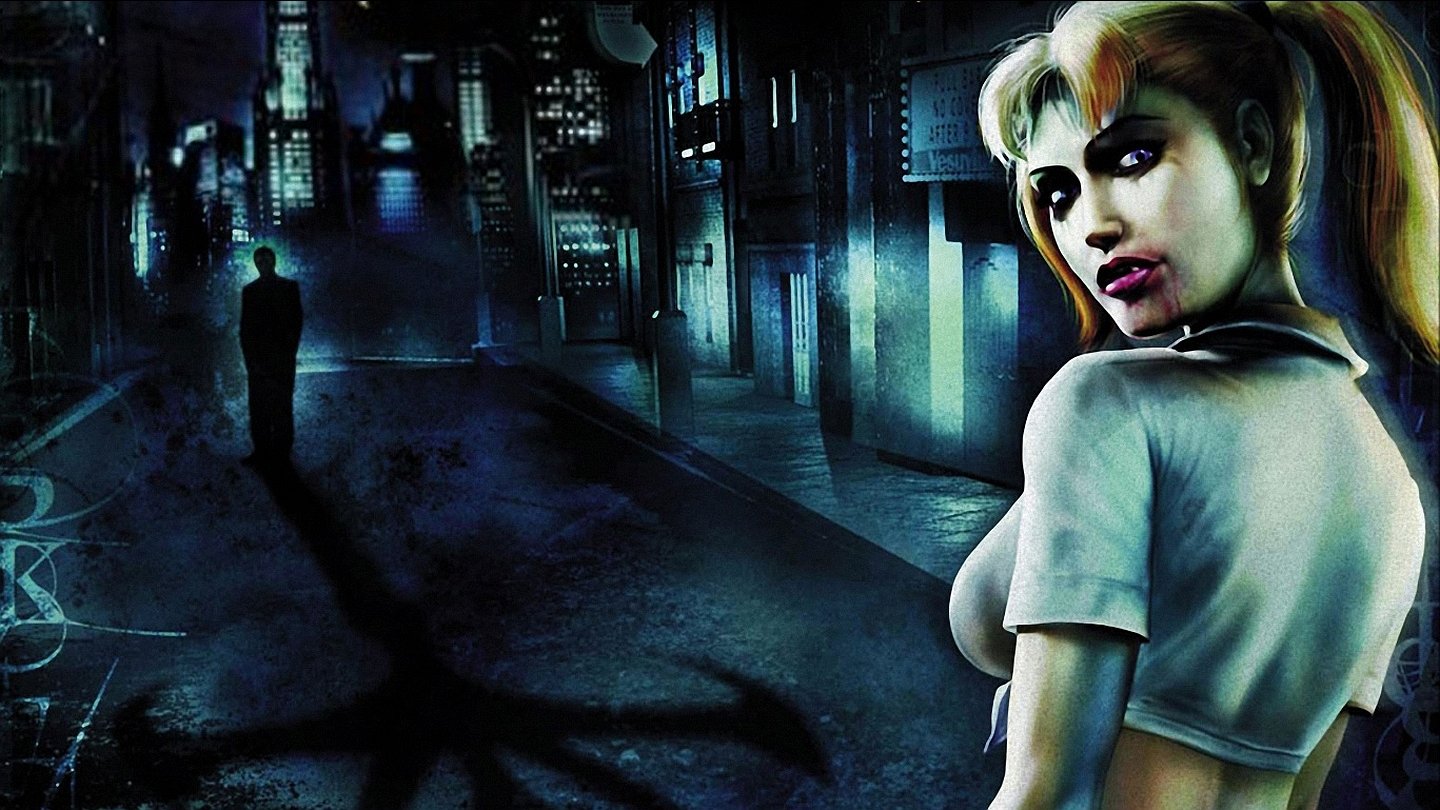
4. Vampire: The Masquerade - Bloodlines
Yeah, it launched as a buggy mess, but Bloodlines was a narrative powerhouse, showcasing unparalleled role-playing depth and atmosphere. Its branching paths, memorable characters, and dark, compelling world still resonate today. It’s a stark reminder that compelling narrative and world-building can absolutely trump technical polish, a lesson many AAA developers seem to forget while chasing photorealism, often at the expense of genuine player agency.
5 / 9
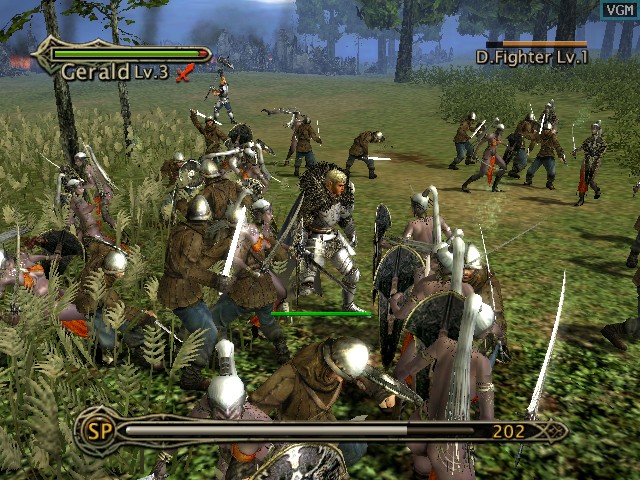
5. Kingdom Under Fire: The Crusaders
This Xbox original was an absolute marvel, blending real-time strategy with intense hack-and-slash action seamlessly. Commanding vast armies while personally cleaving through hordes of enemies was incredibly satisfying, backed by an epic metal soundtrack. It was a bold experiment that worked surprisingly well, offering a unique hybrid gameplay few have dared to replicate since. Modern developers often shy away from such genre-bending mechanics, preferring safer, established formulas.
6 / 9

6. War of the Monsters
Remember War of the Monsters on PS2? It was a pure B-movie monster mash-up, letting you bash through destructible cityscapes as colossal beasts. The combat was immensely satisfying, and the whole thing was just unadulterated, focused fun. It's a testament to how a simple concept, executed perfectly, can be far more engaging than many of today's sprawling, content-bloated open worlds, offering immediate, destructive gratification.
7 / 9
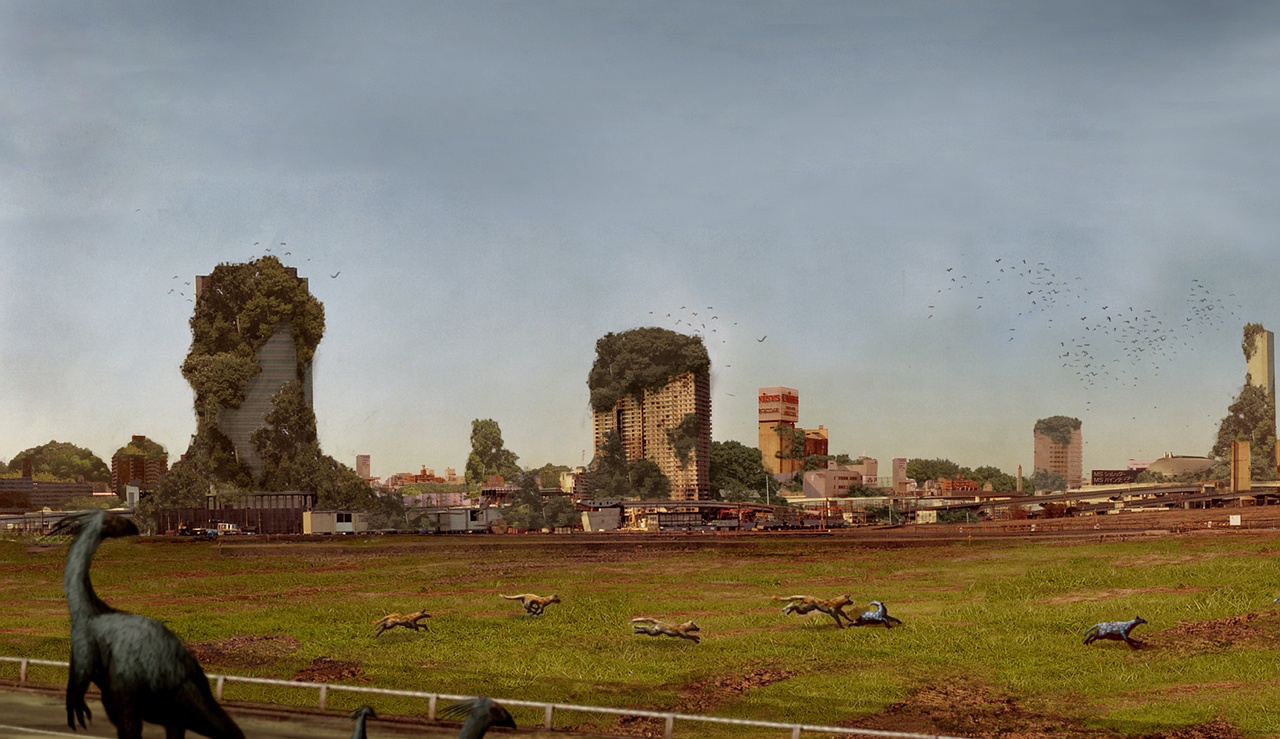
7. Tokyo Jungle
Imagine a post-apocalyptic Tokyo where animals rule. You start as a Pomeranian, then unlock lions, crocodiles, eventually a T-Rex. This PS3 digital gem was utterly absurd but incredibly addictive, a pure survival sim with a wild premise. It’s a prime example of what creative indie or mid-tier development used to achieve on consoles, proving innovation doesn't always need a massive budget; sometimes, it just needs a truly wild idea.
8 / 9
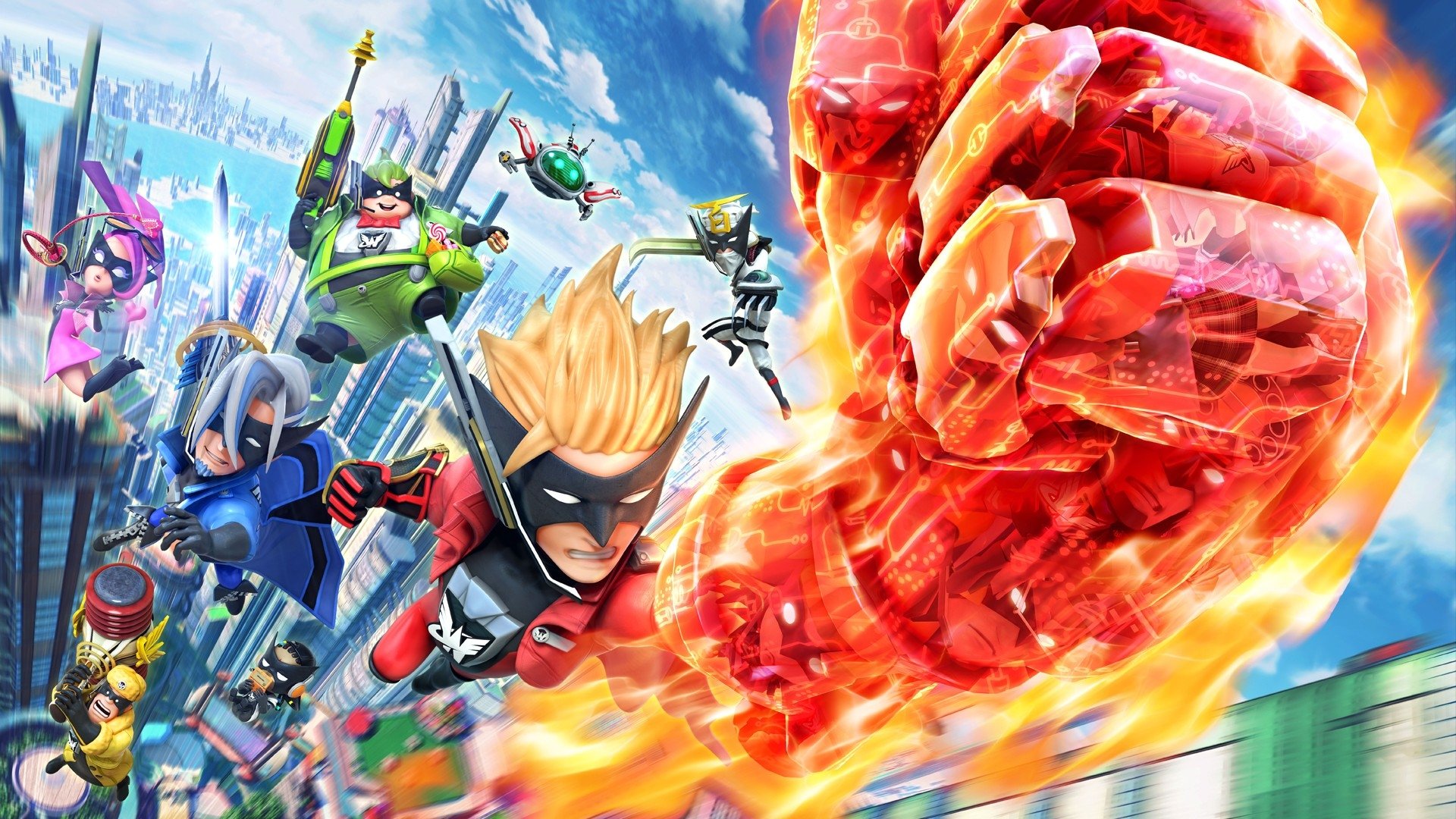
8. The Wonderful 101
PlatinumGames truly outdid themselves with The Wonderful 101. Its unique 'Unite Morph' mechanic, vibrant art style, and over-the-top action were pure genius. It was a deeply original game that, frankly, deserved far more recognition than its initial Wii U exclusivity allowed. It's a real shame when genuinely inventive titles get buried by platform limitations, limiting their reach and preventing more players from experiencing such creative brilliance.
9 / 9

9. ActRaiser (1990)
This SNES classic was pure magic, seamlessly blending god-sim city-building with side-scrolling action stages. You'd nurture your civilization, then descend as a warrior god to smite monsters. Two distinct gameplay styles that somehow perfectly complemented each other. It was an absolute marvel for its time, showing incredible ambition and execution. A historical example of how early game designers weren't afraid to fuse disparate genres, a lesson modern games could truly learn from.