

1 / 9
1. Rez
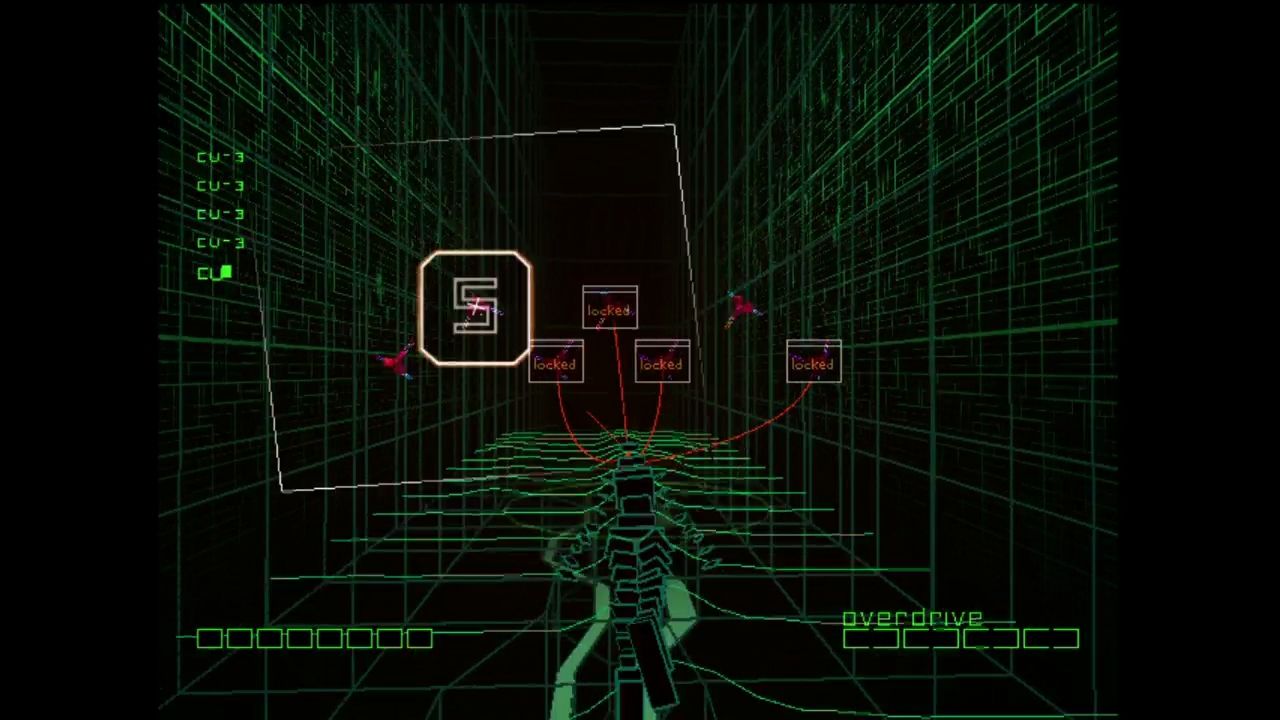
Rez, in its original 2001 Dreamcast form, wasn't just a rail shooter; it was a sensory symphony. The way every shot, every enemy destroyed, contributed to the pulsating soundtrack created an almost trance-like state. It transcended simple gameplay, becoming an experience of pure synesthetic immersion. You weren't just clearing levels; you were sculpting soundscapes, unlocking layers of a digital consciousness. Its abstract narrative, often interpreted through visual cues, added another layer to its enigmatic charm, pushing beyond typical game structures.
2 / 9
2. Pathways into Darkness
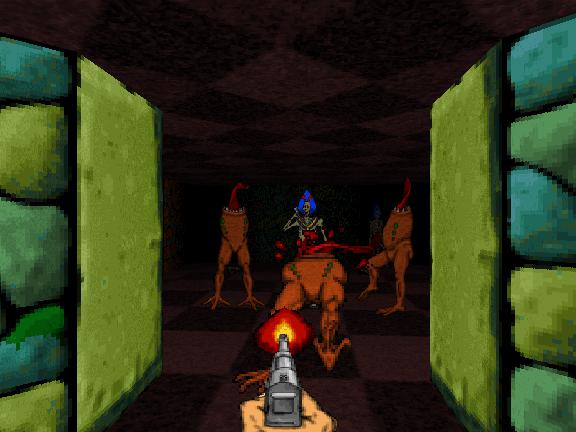
Before Master Chief, Bungie crafted Pathways into Darkness in 1993, a Macintosh-exclusive first-person adventure that plunged players into a Lovecraftian nightmare beneath a pyramid. Its text-heavy lore, non-linear progression, and the constant threat of permadeath demanded meticulous note-taking and strategic thinking. Discovering its secrets, piecing together its ancient mythology, felt less like playing a game and more like deciphering an archaeological dig, a truly deep exploration of its dark, intricate world.
3 / 9
3. The Ship: Murder Party
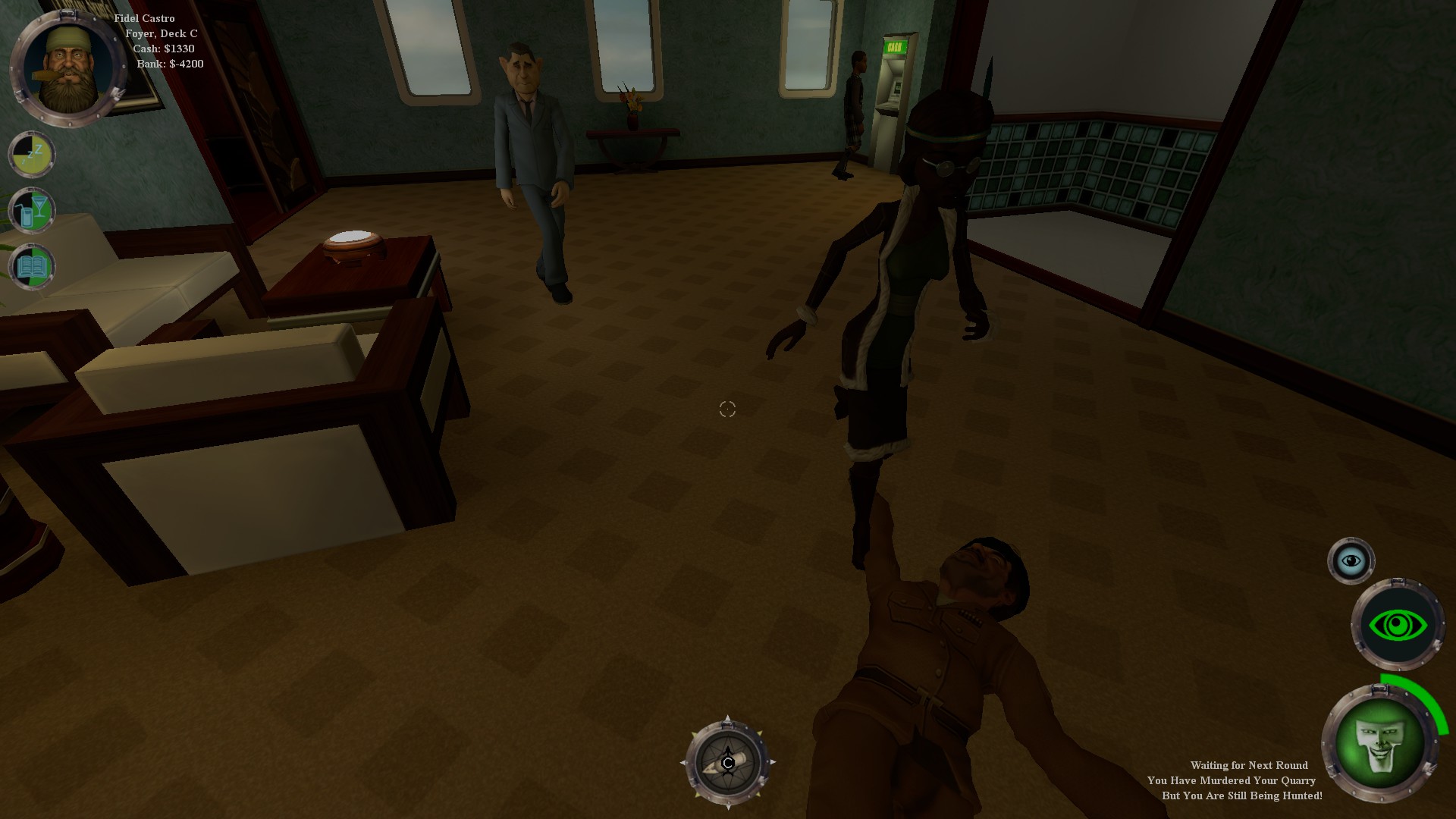
The Ship: Murder Party, released in 2006, was a social experiment disguised as a multiplayer FPS. Each player had a target to eliminate and a hunter stalking them, all while adhering to the strict rules and routines of a luxury cruise liner. The depth came from the intricate dance of blending in, observing, and exploiting environmental opportunities without drawing suspicion. It was a masterclass in psychological tension and emergent gameplay, forcing players to think several steps ahead, beyond mere shooting.
4 / 9
4. Binary Domain
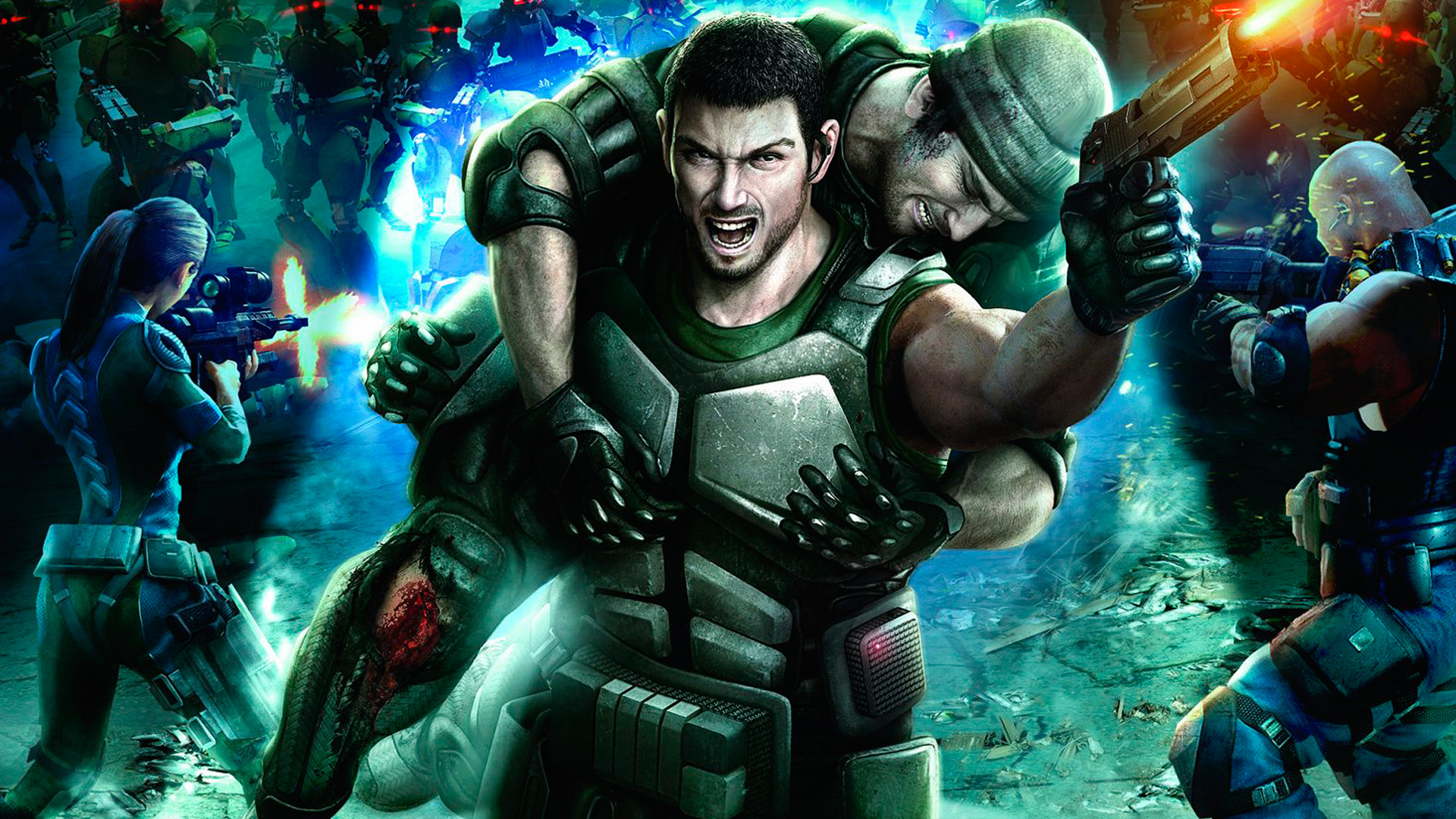
Binary Domain, from 2012, might look like a standard third-person shooter, but beneath the robot-blasting action lay a fascinating trust system and a surprisingly poignant exploration of artificial intelligence and humanity. Your squadmates' opinions of you directly impacted their combat effectiveness, forcing genuine strategic communication. The game delved into profound philosophical questions about existence and what it means to be human, elevating it far beyond its genre contemporaries and making its narrative surprisingly deep.
5 / 9

5. Mirror's Edge
Mirror's Edge, released in 2008, dared to redefine first-person movement. Its depth wasn't just in the fluid parkour, but in the stark, oppressive dystopian world it painted through minimalist design and subtle narrative cues. Faith's journey as a Runner, navigating a city where information was controlled and freedom was fleeting, resonated beyond the acrobatics. The game’s environmental storytelling and unique perspective offered a commentary on surveillance and rebellion, making every leap feel like an act of defiance.
6 / 9
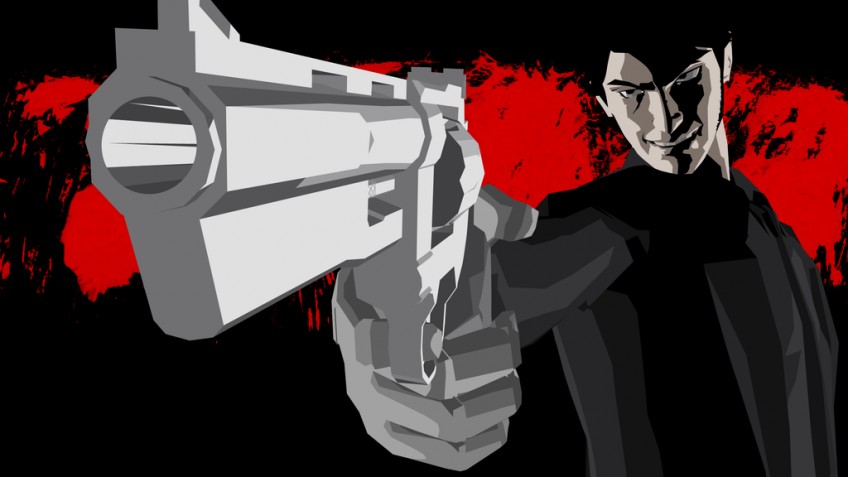
6. killer7
Suda51's killer7, a 2005 GameCube and PS2 title, is less a game and more an interactive fever dream. Its on-rails shooting mixed with bizarre character switching and an utterly fragmented, politically charged narrative demanded intense scrutiny. Deciphering its complex symbolism, its commentary on global politics, and the very nature of identity was a task in itself. This wasn't about clear answers; it was about grappling with profound, disturbing questions, making it an intellectually challenging and unforgettable experience.
7 / 9
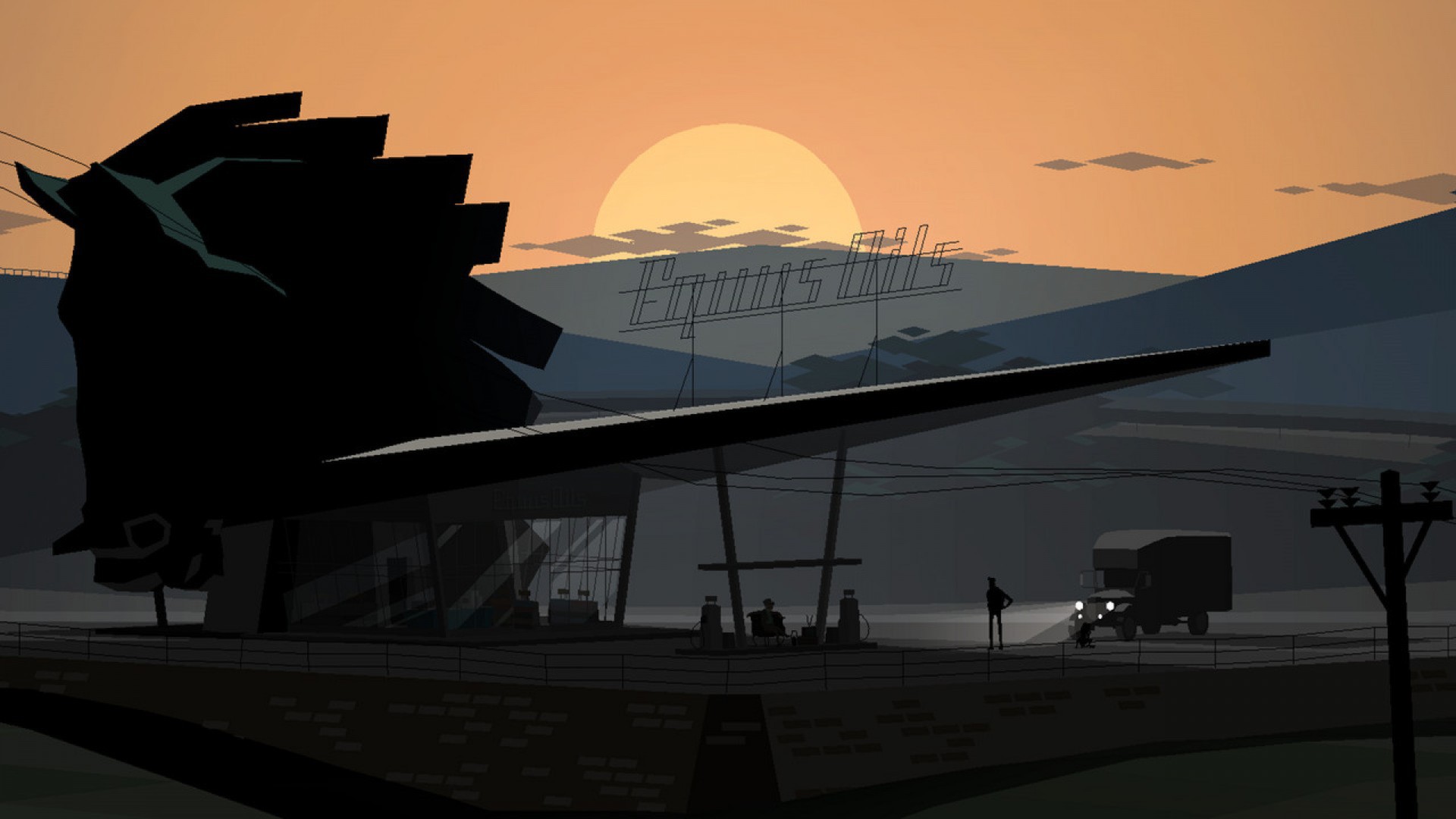
7. Kentucky Route Zero
Kentucky Route Zero, an episodic journey that concluded in 2020, stands as a masterpiece of interactive fiction. Its depth lies in its poetic writing, melancholic atmosphere, and profound exploration of American debt, labor, and forgotten histories. The branching narratives and philosophical musings aren't about puzzles; they're about choosing perspectives, uncovering layers of a surreal, haunting reality. It’s a slow burn, a contemplative experience that lingers long after its final, poignant moments.
8 / 9
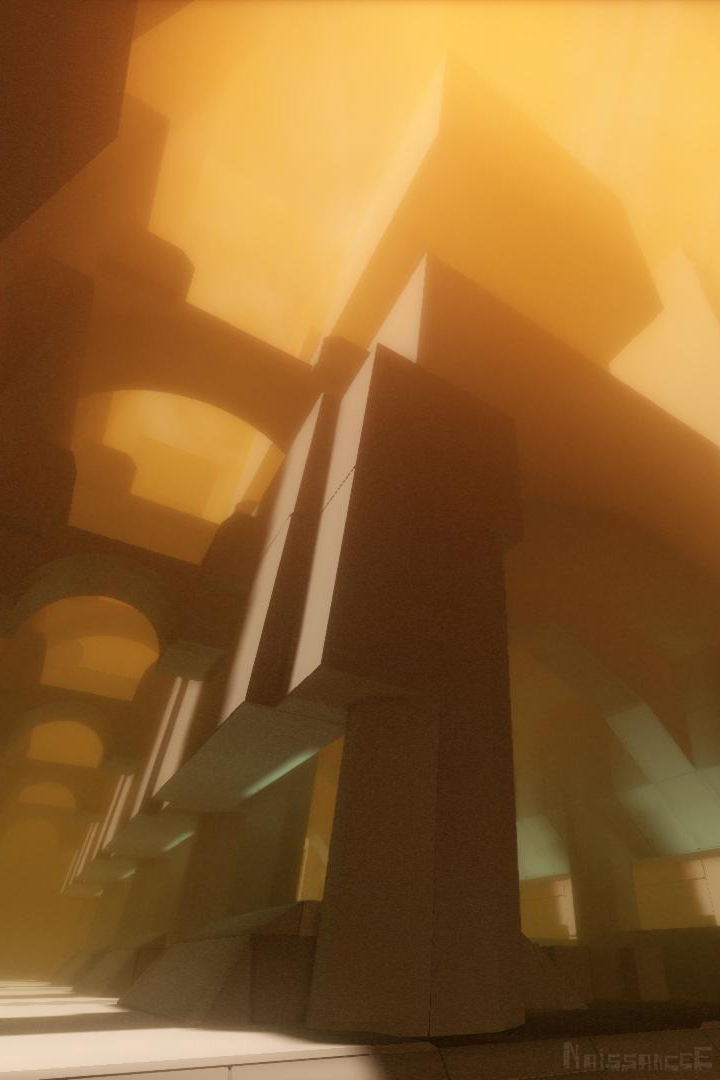
8. NaissanceE
NaissanceE, from 2014, is a stark, monochromatic architectural marvel. This first-person exploration game offers no combat, no narrative hand-holding, just vast, oppressive structures and a profound sense of isolation. Its depth emerges from the player's interpretation of its abstract environments and the sheer scale of its impossible geometry. It’s a minimalist journey into the sublime, forcing introspection and an appreciation for space, light, and the overwhelming quiet of an alien world.
9 / 9
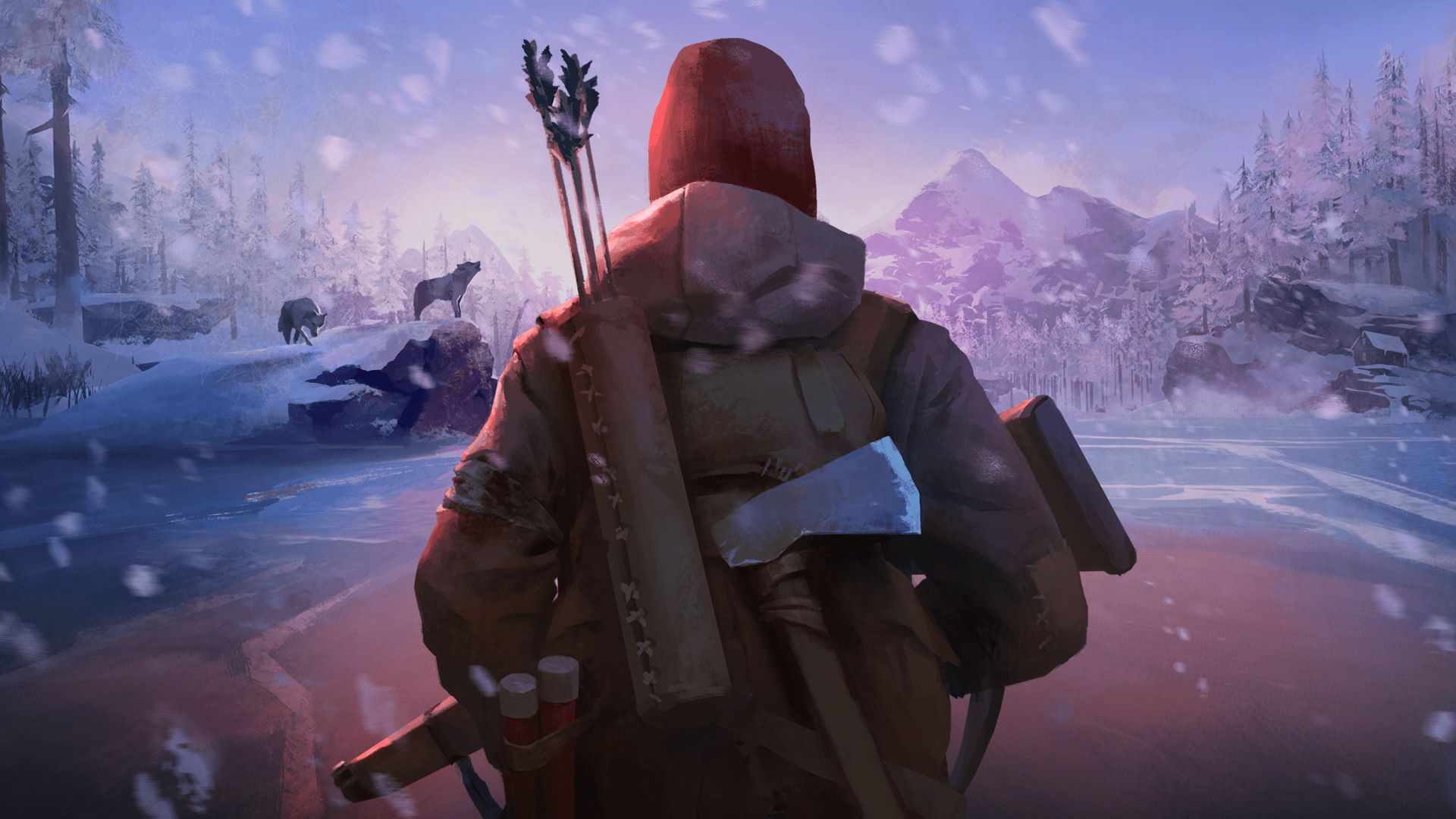
9. The Long Dark
The Long Dark, in its original 2014 Early Access form, immediately established itself as a survival game of unparalleled depth. Beyond resource management, it demanded meticulous planning, an understanding of complex environmental factors, and an acute awareness of your own psychological state amidst the frozen Canadian wilderness. Its emergent narratives, born from desperate choices and unforgiving blizzards, created a raw, personal struggle for existence, making every sunrise a profound victory.