1. Oz
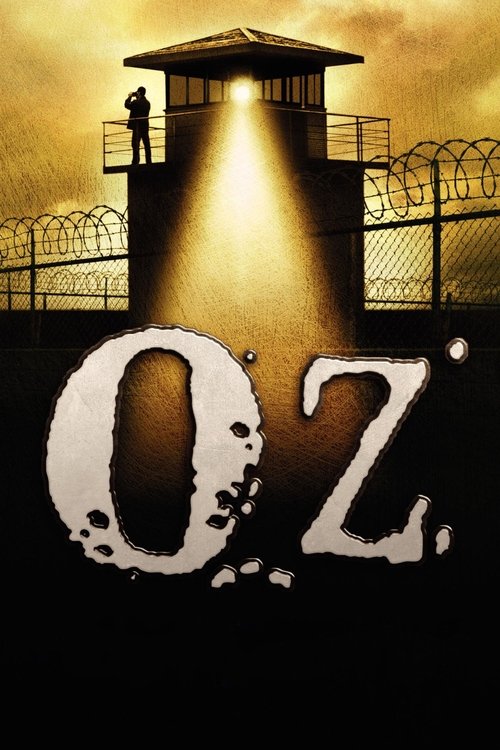
Before HBO was *HBO*, there was *Oz*. This wasn't some network procedural; it was raw, unapologetic, and utterly brutal. It showed us what serialized drama on cable could be, pushing boundaries with explicit content and morally complex characters. The ensemble cast in Oswald State Penitentiary brought a visceral realism, proving that television could be as unflinching and narratively ambitious as any film. It laid serious groundwork for the adult-oriented, long-form storytelling we now expect.
2. Homicide: Life on the Street
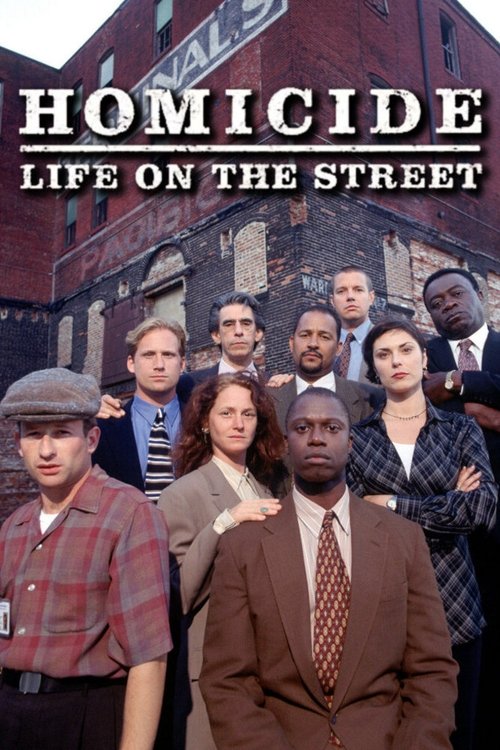
Forget your polished network cop shows. *Homicide* felt like a documentary crew got lost in a Baltimore police station. Its gritty, naturalistic style, jump cuts, and overlapping dialogue were straight out of indie cinema, unheard of on broadcast TV. This show proved you could do serialized, ensemble drama with real stakes and moral ambiguity, even with network constraints. It dared to be different, showing complex characters grappling with real-world consequences, paving the way for more mature network fare.
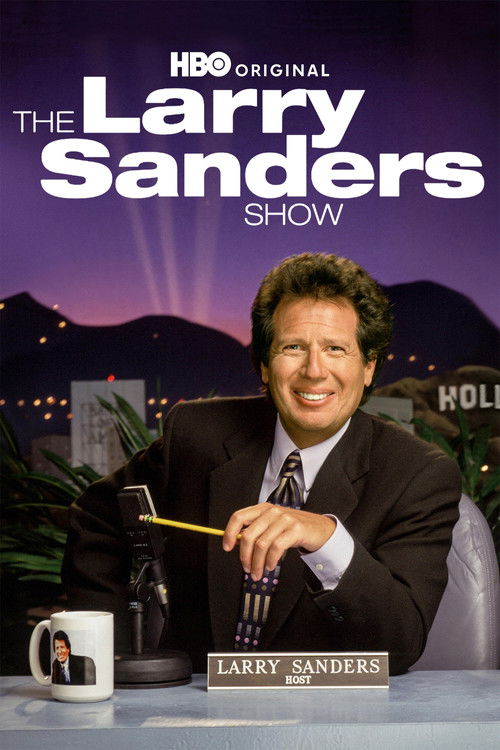
3. The Larry Sanders Show
This wasn't just a sitcom; it was a masterclass in cringe comedy before "cringe" was even a term. *Larry Sanders* pioneered the mockumentary style for adult-oriented comedy, peeling back the veneer of late-night television with cynical precision. Its ensemble cast delivered uncomfortable truths and brilliant character work, showing that even comedy could be serialized and deeply observant. HBO let them get away with a lot, setting a high bar for smart, risk-taking humor that felt utterly real.
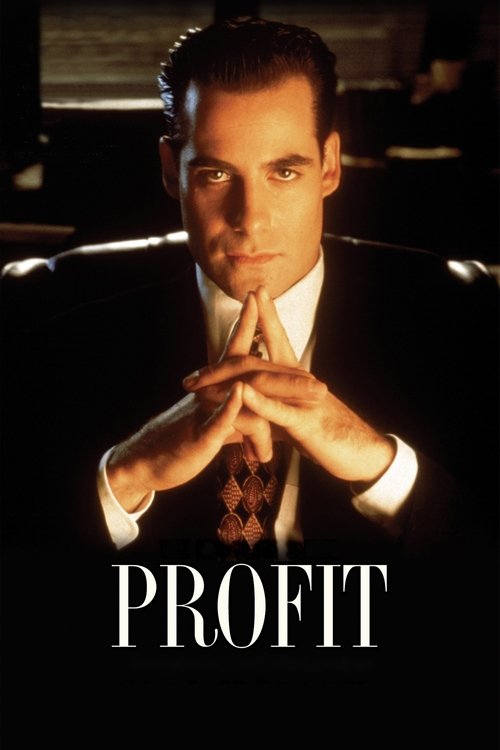
4. Profit
Fox tried to get weird with *Profit*, and man, did they ever. This show was a deliciously dark, cynical look at corporate greed, starring a protagonist who was pure evil, speaking directly to the camera about his Machiavellian schemes. It was too far ahead of its time for network TV, a truly serialized, anti-hero driven drama years before *The Sopranos* made it cool. Its bold, aggressive tone and unique perspective were simply unheard of in '96.
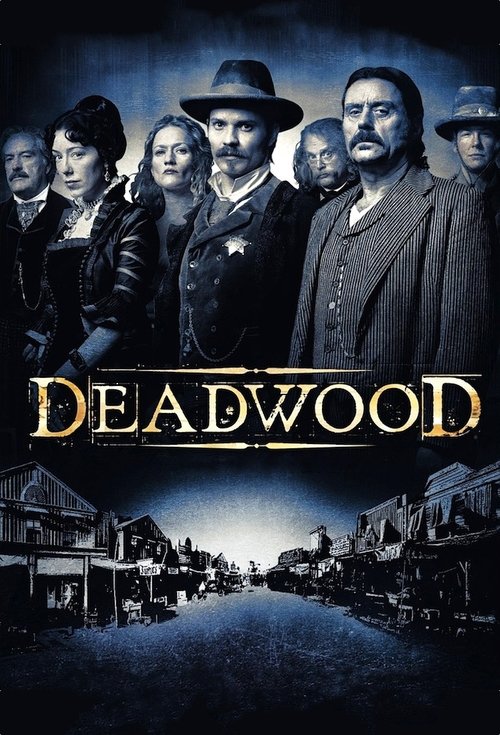
5. Deadwood
HBO wasn't just doing crime anymore; *Deadwood* was historical fiction, but grittier, more profane, and more authentic than anything before. Its Shakespearean dialogue blended with casual profanity, creating a distinct, immersive world. This was peak ensemble storytelling, where every character, no matter how small, felt vital to the town's ecosystem. It was cinematic in scope and ambition, proving that complex, serialized narratives could thrive in any genre on cable.
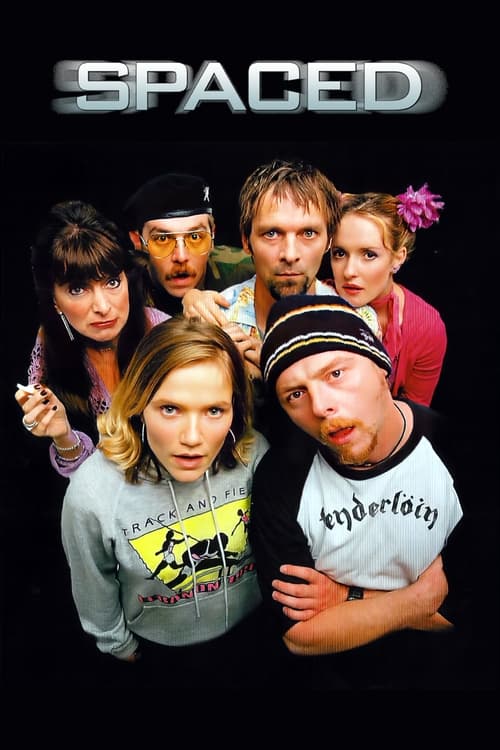
6. Spaced
This British gem was pure pop culture alchemy. Edgar Wright's kinetic direction, rapid-fire editing, and constant genre homages made it feel less like a sitcom and more like a live-action comic book. It was smart, referential, and utterly unique, proving that a show didn't need a huge budget to be groundbreaking. *Spaced* built a devoted cult following, foreshadowing how niche, critically acclaimed shows would find their audience through word-of-mouth and later, on-demand platforms.
7. The Corner
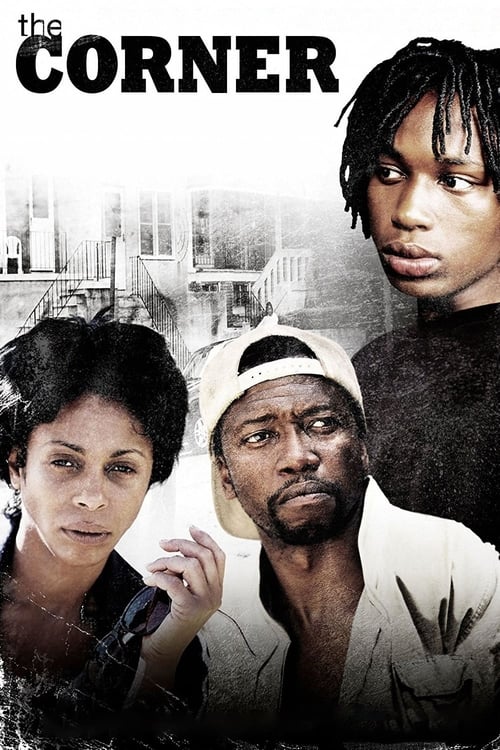
Before *The Wire*, there was *The Corner*. This HBO miniseries, a raw adaptation of David Simon’s non-fiction book, blended documentary realism with powerful serialized drama. It depicted the brutal realities of a West Baltimore drug corner through an ensemble of interconnected lives, unflinchingly. It wasn't just a story; it felt like vital journalism, presented with cinematic rigor. It solidified HBO’s commitment to nuanced, long-form storytelling rooted in social commentary.
8. Action
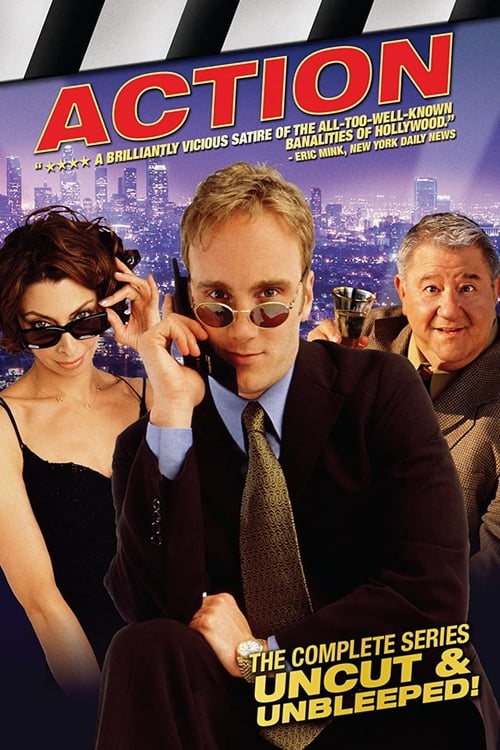
Fox tried again to be edgy with *Action*, a viciously dark Hollywood satire. It was a no-holds-barred look at the sleazy underbelly of the movie business, with an utterly reprehensible protagonist. This show was so cynical, so profane, and so incredibly funny that network television simply couldn't handle it. It pushed boundaries in a way that only cable would fully embrace years later, demonstrating that network TV just wasn't ready for that level of aggressive, serialized dark comedy.
9. K Street
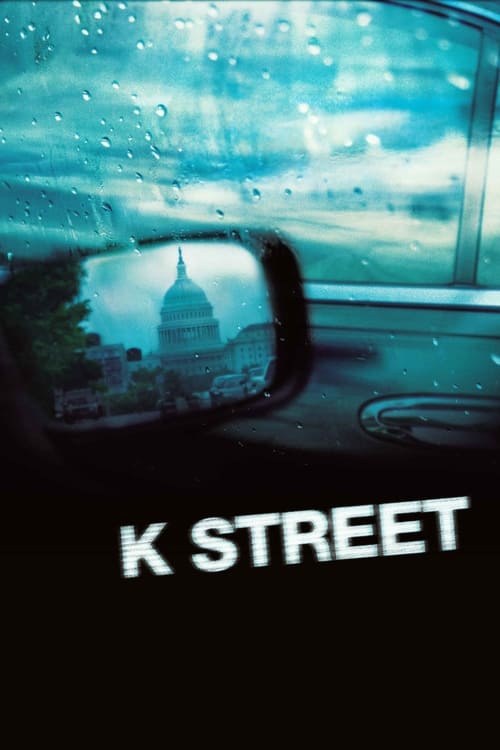
Talk about experimental. *K Street* was a wild HBO ride, blending real-time political events with fictional storylines, often shot just days before airing. It was a mockumentary style applied to high-stakes D.C. lobbying, blurring lines in a way few shows dared. Soderbergh and Clooney were pushing the envelope, showing how television could be immediate, topical, and incredibly ambitious, even if it was a bit messy. This was a direct ancestor to later, faster-turnaround streaming content.