
1 / 9
1. The Thirteenth Floor
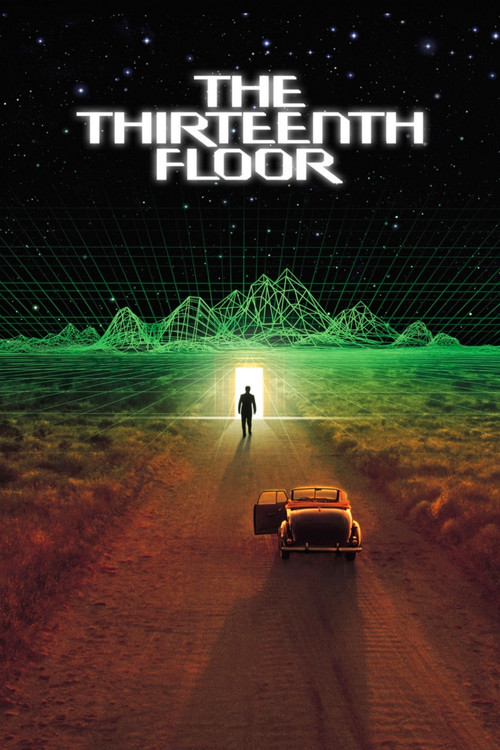
The Thirteenth Floor (1999) throws us into a wild ride where characters in a simulated 1937 don't even know they're living in code. It's a fascinating look at nested realities, making you think about how we could build entire story worlds. Imagine crafting narratives where the inhabitants question their own existence, pushing the boundaries of interactive content. It's a super early exploration of virtual consciousness, super relevant today.
2 / 9
2. Strange Days
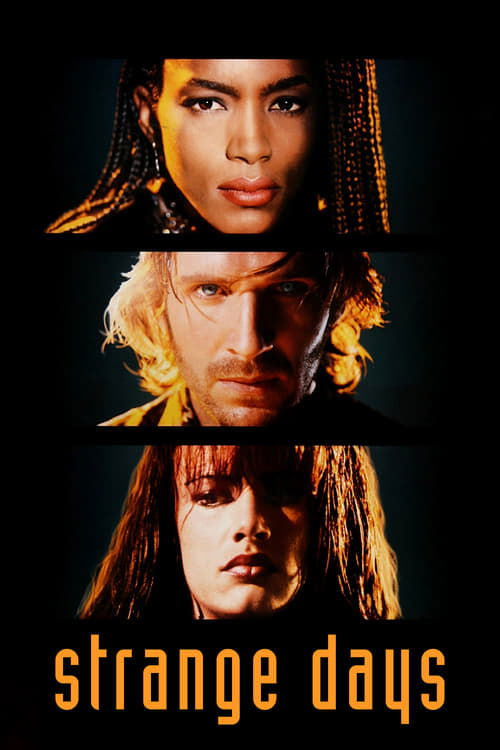
This film's vision of 'SQUID' recordings, where you can experience someone else's memories and sensations, feels so close to future VR. It's a raw look at how content could become totally immersive, blurring lines between observer and participant. It’s intense and shows how personal stories might be consumed, for better or worse, in a hyper-real way, almost like AI-curated experiences.
3 / 9
3. Avalon
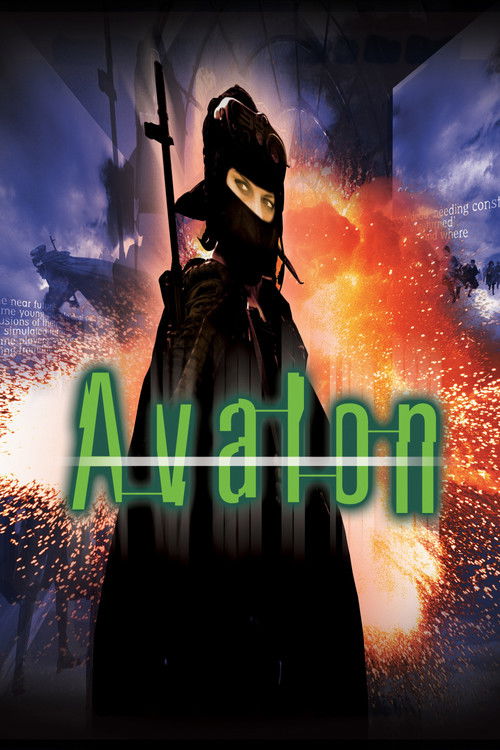
Mamoru Oshii's Avalon (2001) gives us a world where players get lost in an illegal, hyper-realistic VR game. It's a beautiful, melancholic take on escaping reality into perfectly crafted digital spaces. This movie perfectly captures the allure and danger of narratives so immersive they become more real than life, pointing to where our virtual experiences are headed with advanced AI and graphics.
4 / 9
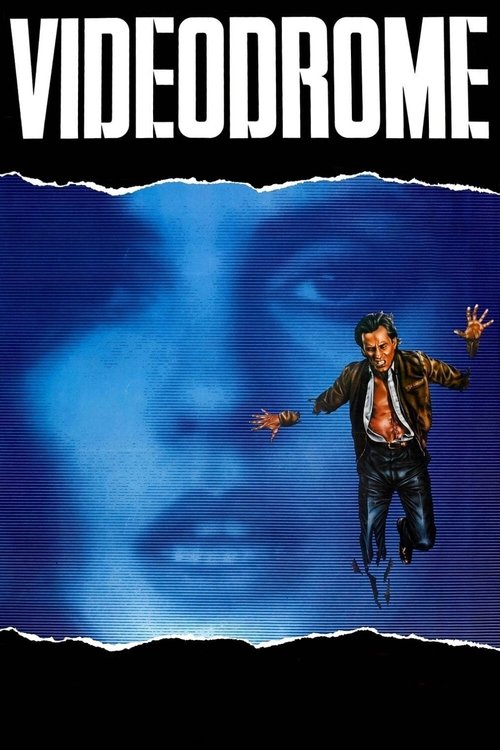
4. Videodrome
Cronenberg's Videodrome (1983) is a shocking look at media consumption becoming physically transformative. It’s about content that literally rewires you, making you question perception and reality. This film predicted how visceral and consuming narratives could get, suggesting a future where AI-driven content might not just entertain, but fundamentally alter us. Long live the new flesh, right?
5 / 9

5. Waking Life
This animated film uses rotoscoping to explore consciousness, dreams, and philosophy through a series of conversations. It’s like a living, breathing thought experiment. It beautifully shows how visual styles can elevate philosophical discourse, creating a uniquely engaging narrative experience. It feels like an early blueprint for interactive, AI-generated philosophical journeys, pushing storytelling beyond linear plots.
6 / 9

6. The Fall
Tarsem Singh's The Fall (2006) is a visual feast, where a bedridden man weaves an elaborate story for a child. It highlights the power of pure, imaginative storytelling, building entire worlds from spoken words. This film shows how deeply personal narratives can be constructed and shared, suggesting a future where AI might help us visualize and interact with tales born purely from human imagination.
7 / 9
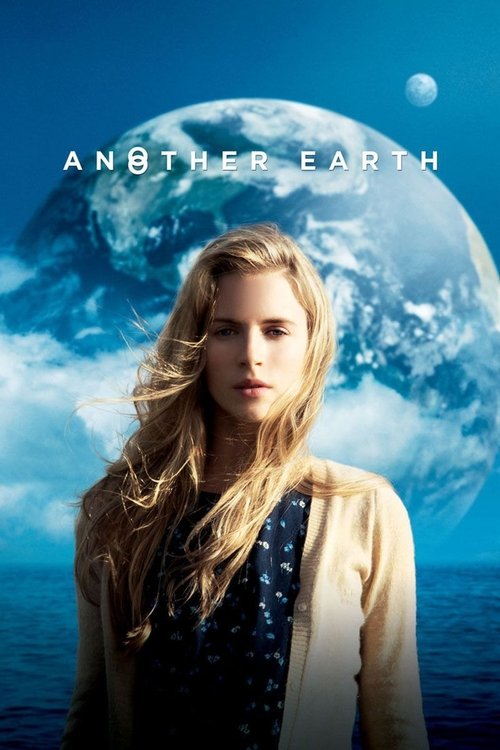
7. Another Earth
This film isn't explicitly about VR or AI, but its central premise – a duplicate Earth appearing – explores profound questions about identity, second chances, and alternate realities. It’s a quiet, introspective piece that feels like a character study designed for an AI to analyze human choice across infinite possibilities. It makes you think about all the untold stories in parallel universes and how we might explore them.
8 / 9
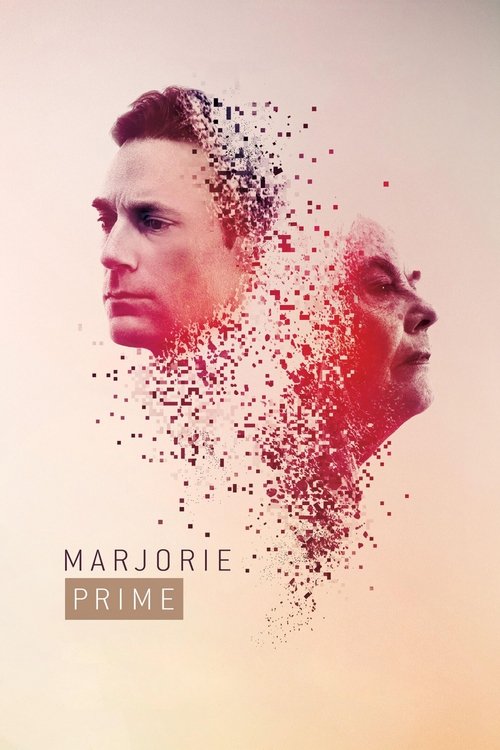
8. Marjorie Prime
Marjorie Prime (2017) introduces us to an AI companion designed to help a woman remember her past by impersonating her deceased husband. It’s a tender, heartbreaking look at memory, grief, and the role AI will play in our most intimate moments. This film perfectly illustrates how AI could become a deeply personal part of our narrative and emotional lives, shaping our understanding of self.
9 / 9
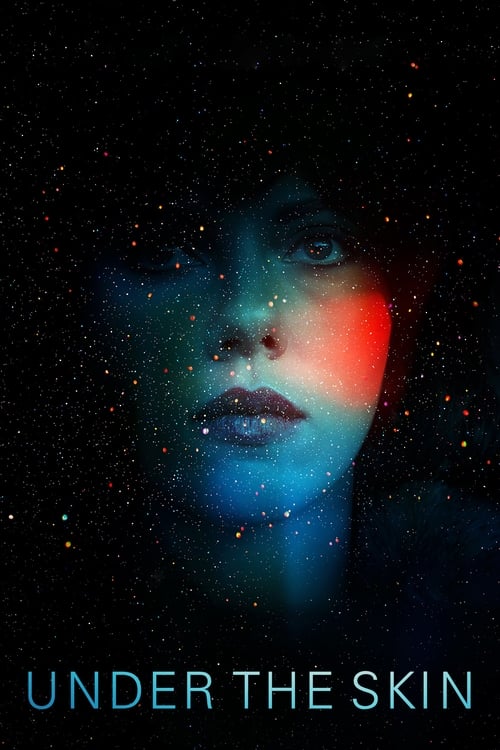
9. Under the Skin
This film uses a minimalist, almost observational approach to tell a chilling alien story. It’s not about VR, but its unique blend of scripted and hidden camera footage creates a disturbing, hyper-real experience. It feels like a future where AI-generated narratives could blend reality with fiction seamlessly, making us question what's real and what's a constructed experience. Super thought-provoking stuff.