

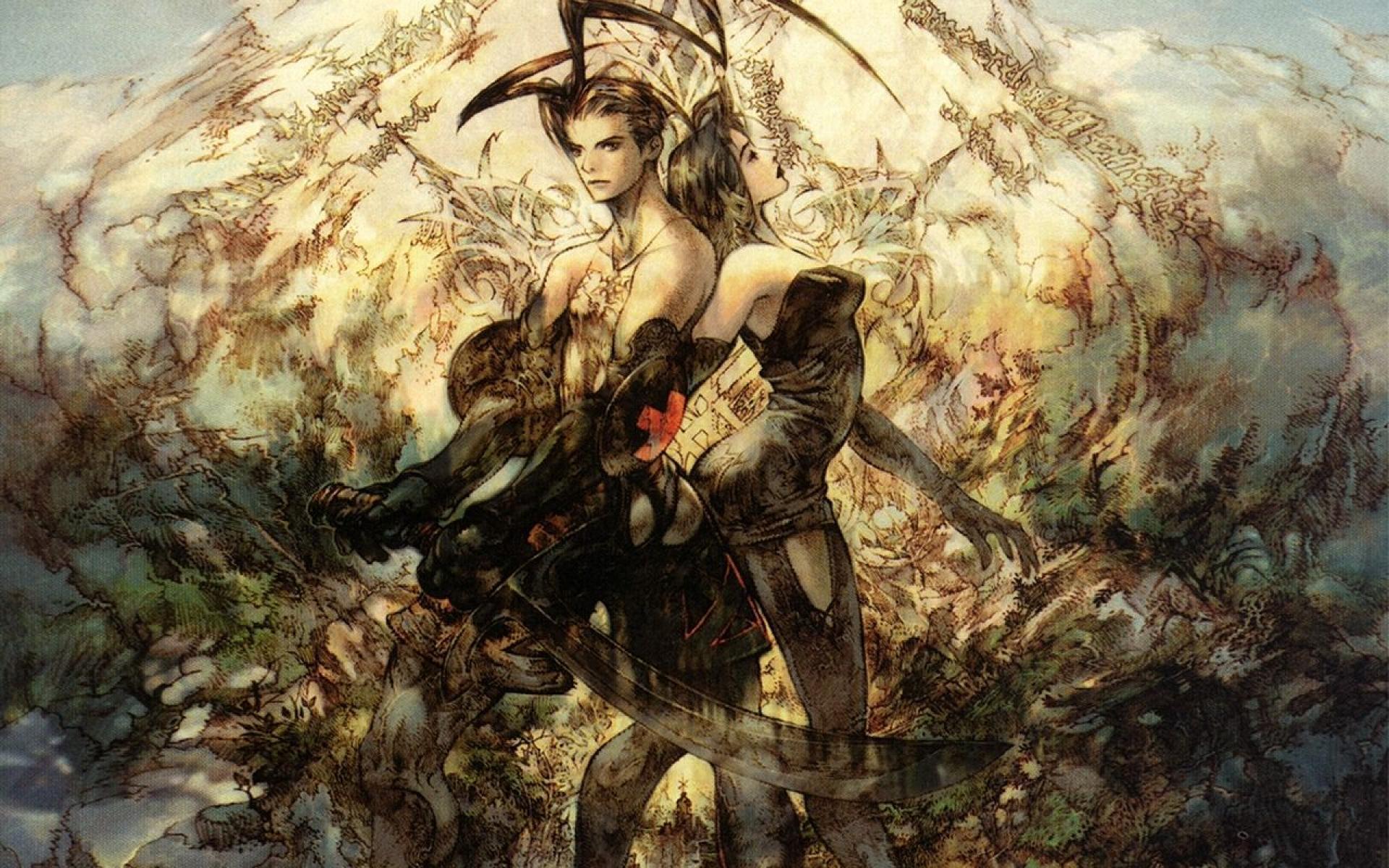
1. Vagrant Story (2000)
Square's 2000 RPG, *Vagrant Story*, arrived quietly, overshadowed by its flashier brethren. Yet, its intricate, weapon-crafting combat system and dark, philosophical narrative carved out a niche. Players spent hours meticulously disassembling and reassembling gear, understanding weapon affinities, and mastering its chain attacks. It was a game for the patient, for those who savored depth over spectacle, building a cult following long after its initial PlayStation run. This wasn't a game you stumbled into; it was one you sought out, then got lost in.
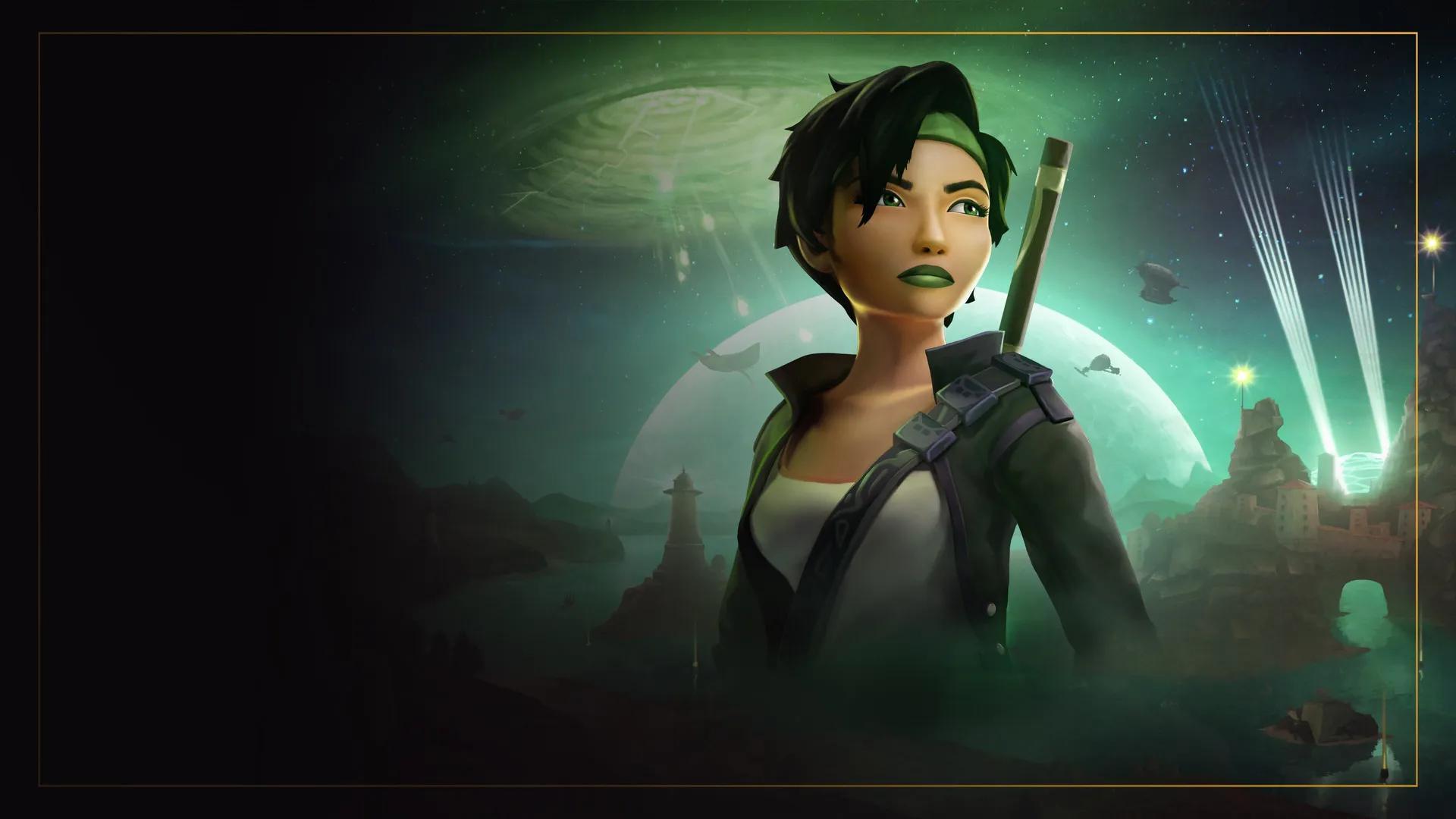
2. Beyond Good & Evil - 20th Anniversary Edition
The *20th Anniversary Edition* reminds us why *Beyond Good & Evil* captured hearts two decades ago. Initially a commercial underperformer, its blend of stealth, combat, and photojournalism against a backdrop of corporate conspiracy felt refreshingly different. Jade, the protagonist, resonated with her determination and compassion, making the world worth saving. This remastered version shines a light on a game that dared to be quirky and thoughtful, solidifying its place as a beloved, if initially overlooked, action-adventure gem.
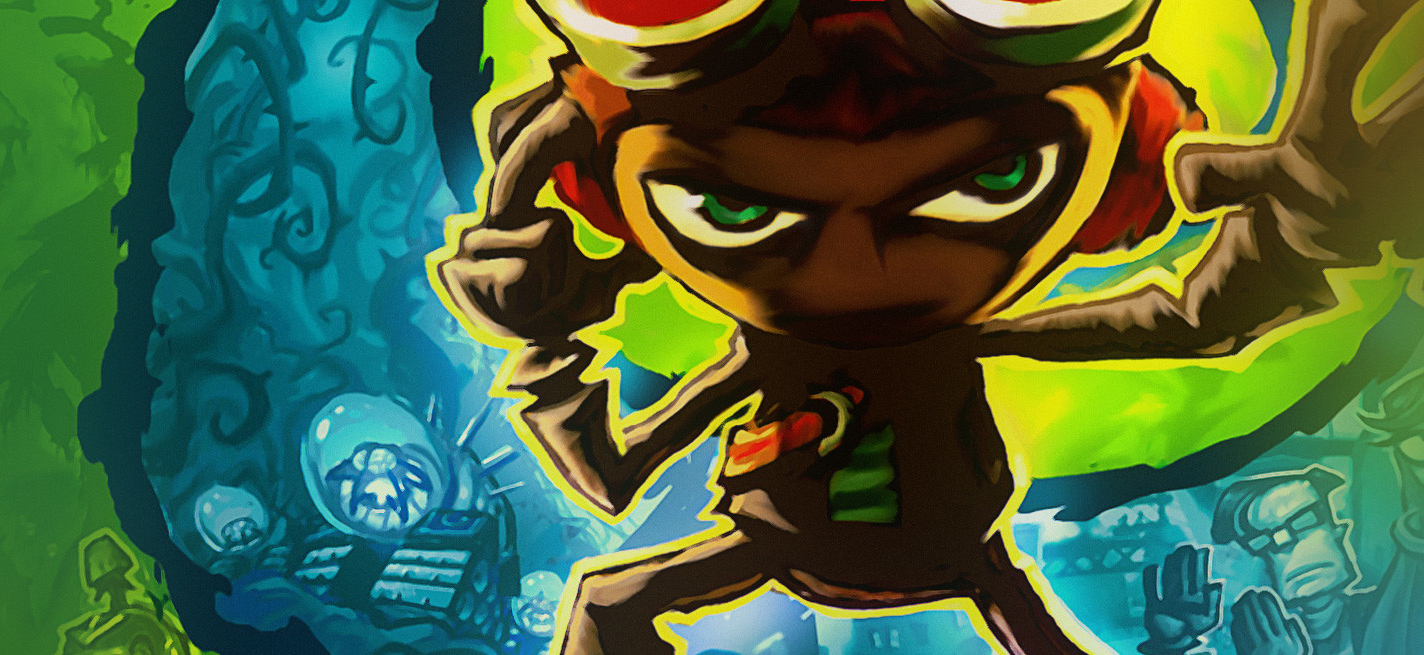
3. Psychonauts
*Psychonauts* was never a massive seller, but its sheer creativity secured its legacy. Delving into the minds of others as Raz, a psychic cadet, offered some of gaming's most imaginative levels. From neon-lit dance parties to abstract art galleries, each mental landscape was a masterclass in design, exploring complex themes with humor and heart. It's a platformer that dared to be genuinely weird and brilliant, proving that innovation and a strong narrative could find their audience, even if it took time.
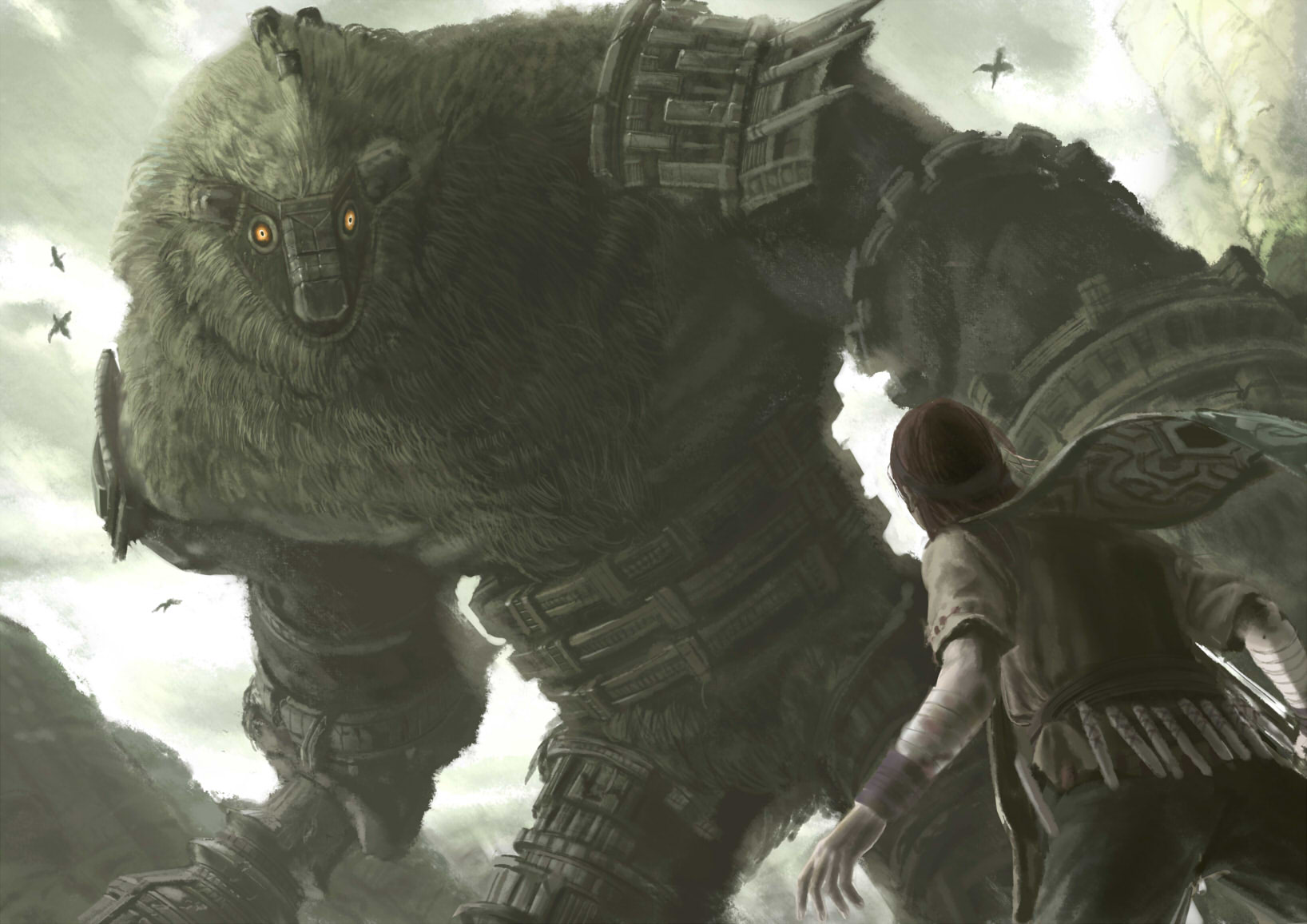
4. Shadow of the Colossus (2011)
The 2011 HD remaster of *Shadow of the Colossus* re-introduced a masterpiece to a new generation, enhancing its stark beauty. Wander's quest to fell colossal beings for a singular purpose was profoundly impactful. This wasn't about endless fodder; it was about epic, puzzle-like boss encounters, each a poignant struggle against magnificent, unwitting creatures. Its minimalist narrative and vast, empty landscape amplified a sense of isolation and purpose, cementing its status as an artistic triumph that transcended typical gameplay.

5. FTL: Faster Than Light
*FTL: Faster Than Light* arrived as a Kickstarter success story, quickly becoming a benchmark for roguelike design. Managing a starship and its crew, making desperate jumps across a hostile galaxy, felt immediate and punishing. Every decision, from rerouting power to repairing hull breaches mid-battle, carried weight. Its brutal difficulty and permadeath loop might have deterred some, but for many, it was an addictive, strategic challenge that offered endless replayability and emergent storytelling, solidifying its quiet influence on the indie scene.

6. Papers, Please
*Papers, Please* wasn't a game you'd expect to resonate so deeply. As a border inspector in the dystopian nation of Arstotzka, your daily grind of checking passports and permits became a potent commentary on bureaucracy, morality, and survival. The grim choices – feed your family or uphold rigid, often cruel, rules – created a unique emotional weight. It demonstrated that compelling narratives didn't need high-fidelity graphics or explosive action, just a clever premise and a willingness to explore uncomfortable truths.
7. Kentucky Route Zero
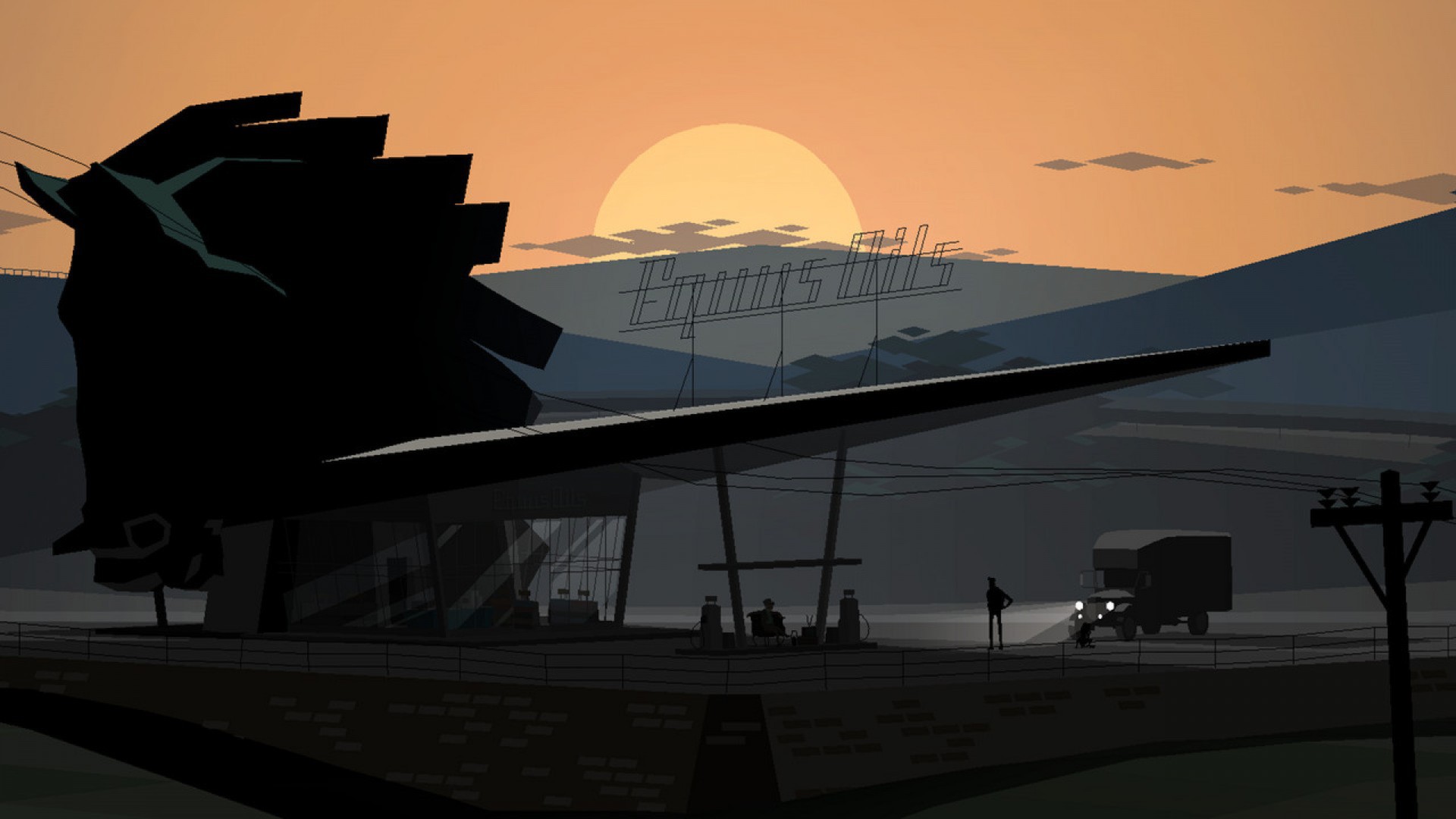
*Kentucky Route Zero* unfolded episodically, a quiet, melancholic journey through a surreal American landscape. It wasn't about puzzles or combat; it was about atmosphere, dialogue, and exploring themes of debt, community, and forgotten histories. Its unique art style and dreamlike narrative, blending magical realism with everyday struggles, created an experience unlike any other. This game proved that interactive storytelling could be profoundly literary and meditative, weaving a haunting tapestry that resonated long after the credits rolled.

8. Return Of The Obra Dinn
Lucas Pope’s follow-up to *Papers, Please*, *Return of the Obra Dinn*, delivered a masterclass in deductive reasoning. As an insurance investigator aboard a ghost ship, players piece together the fates of sixty crew members using a magical pocket watch. Its striking monochrome art style and ingenious puzzle design — requiring meticulous observation and logical leaps — made it instantly recognizable. This wasn't a game that relied on jump scares or action; it was a slow-burn mystery that rewarded patience and intellect, a true standout.
9. Outer Wilds
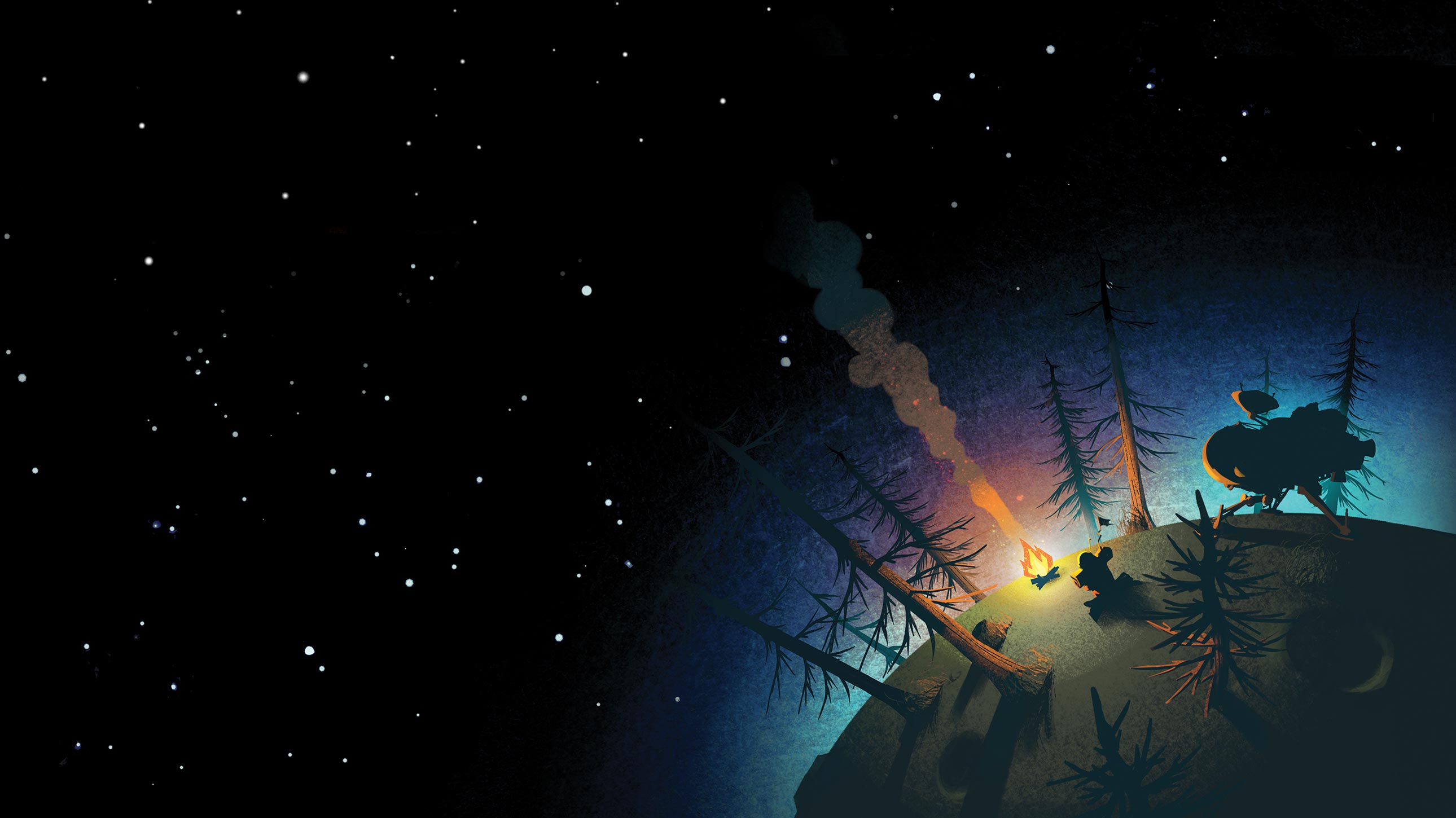
*Outer Wilds* launched without much fanfare, but word-of-mouth quickly established it as a landmark. Trapped in a 22-minute time loop within a miniature solar system, players explore ancient alien ruins, unraveling a cosmic mystery. It’s a game about pure discovery, where knowledge is the only progression. There's no combat, just exploration, observation, and the profound realization of interconnected secrets. This unique approach to open-world design and narrative structure cemented its place as a truly unforgettable, mind-bending adventure.