
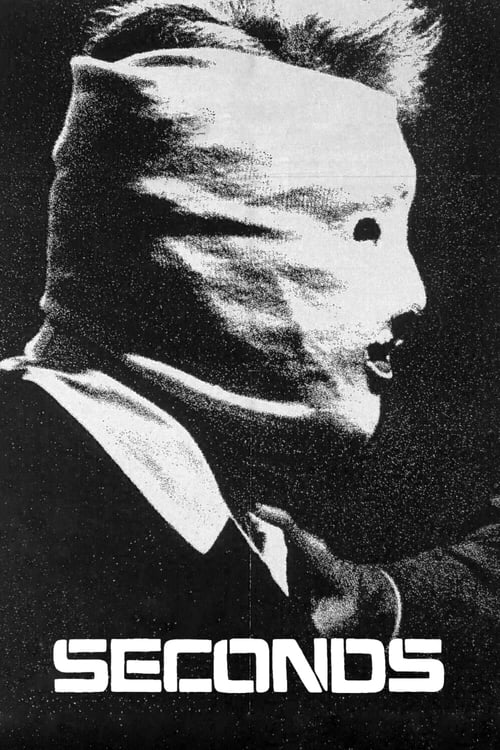
1. Seconds
John Frankenheimer's chilling 1966 psychological thriller delves into the terrifying concept of identity erasure and rebirth. Rock Hudson, in a remarkable departure, portrays a man undergoing a radical procedure to escape his mundane existence, only to find a new life that's equally, if not more, isolating. Its unsettling cinematography and disorienting narrative craft a visceral experience, probing the illusion of choice and the profound futility of attempting to outrun one's own self. A prescient commentary on societal pressures and the desperation for reinvention.
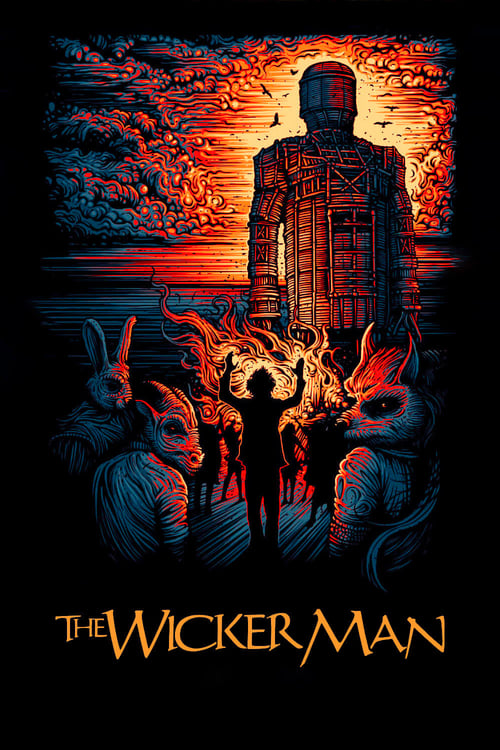
2. The Wicker Man
Robin Hardy's folk horror masterpiece of 1973 remains uniquely unsettling. A devout Christian police sergeant investigates a missing girl on a remote Scottish island, encountering pagan rituals that challenge his every conviction. The film meticulously builds an atmosphere of dread and cultural clash, culminating in a truly unforgettable, disturbing finale. Edward Woodward's performance as the rigid outsider facing an unyielding community remains iconic. It's a slow burn that seeps into your consciousness, questioning faith and societal constructs.
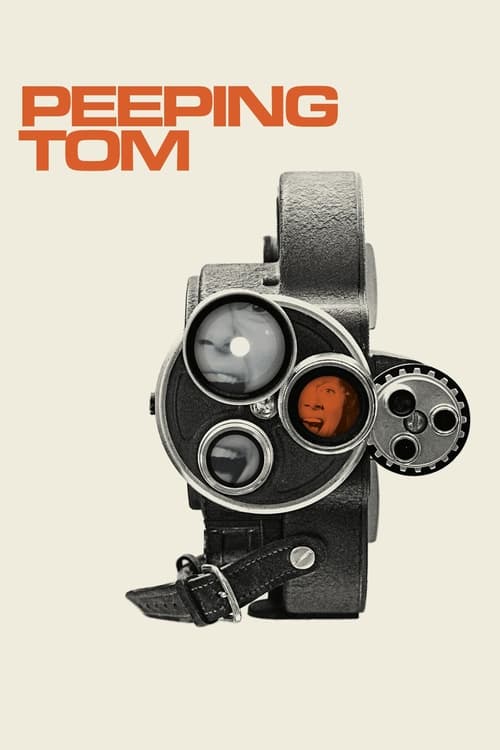
3. Peeping Tom
Michael Powell's controversial 1960 psychological thriller, released the same year as *Psycho*, explores voyeurism and the act of filmmaking itself. A serial killer murders women with a camera, capturing their fear. It was critically reviled then, but now stands as a profound, self-aware examination of the male gaze and cinematic exploitation. Powell’s career was tragically derailed, yet the film's audacious artistry endures as a vital, uncomfortable classic that dissects the ethics of observation.

4. Le Samouraï
Jean-Pierre Melville's minimalist 1967 crime masterpiece, starring Alain Delon as the stoic contract killer Jef Costello, is a masterclass in existential cool. Silence and meticulous ritual speak volumes as Costello navigates a world of betrayal and professional codes. Melville’s precise direction, the stark aesthetic, and Delon’s iconic trench coat-and-hat silhouette established a template for countless crime thrillers. It’s a profound meditation on fate, isolation, and the lone wolf, executed with unparalleled style and precision.
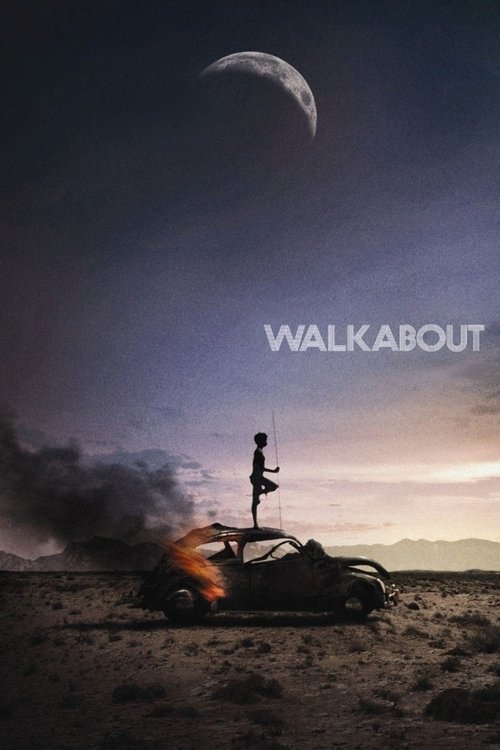
5. Walkabout
Nicolas Roeg’s stunning 1971 vision, where two British children stranded in the Australian outback encounter an Aboriginal boy on his 'walkabout.' This film is less a linear narrative and more a sensory, poetic exploration of nature versus civilization, innocence versus experience. Roeg's characteristic editing and photography create a dreamlike, almost ethnographic journey, highlighting the chasm between cultures. It’s a profound, beautiful, and often unsettling reflection on cultural collision and primal existence.
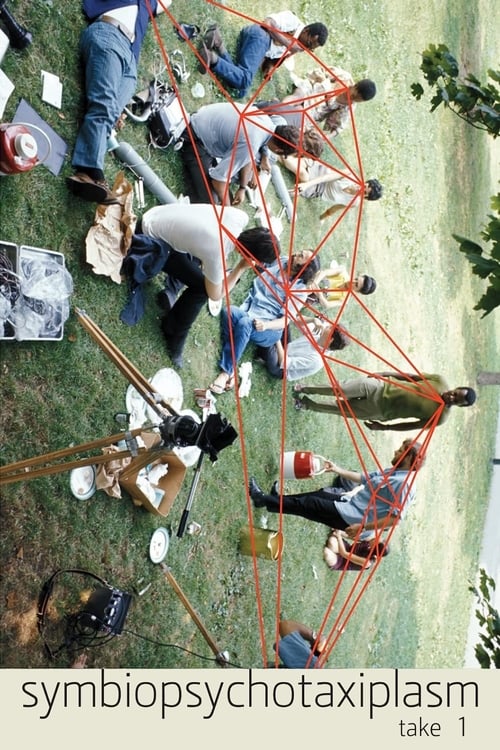
6. Symbiopsychotaxiplasm: Take One
William Greaves's utterly unique 1968 experimental film documents a film crew attempting to make a film, while also filming themselves filming, and discussing the process. It's a layered meta-commentary on truth, performance, and the filmmaking apparatus itself. Greaves dissects documentary ethics and directorial control with audacious self-reflexivity, challenging conventional narrative and cinematic authority. A fascinating, intellectual puzzle that remains remarkably ahead of its time, inviting audiences to question reality and representation.
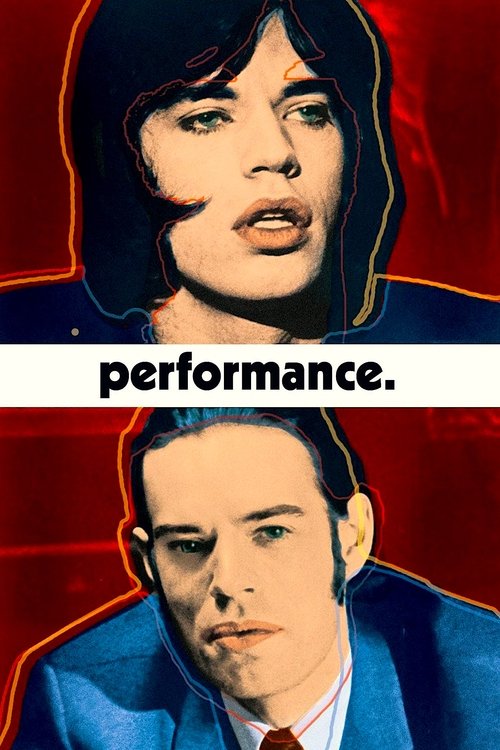
7. Performance
Donald Cammell and Nicolas Roeg's hallucinatory 1970 British crime drama blurs identity, gender, and reality with audacious flair. Mick Jagger’s rock star recluse, Turner, shelters James Fox’s violent gangster, Chas, leading to a psychedelic fusion of their personalities. The film’s fractured narrative, bold visuals, and transgressive themes were shocking then and remain potently disorienting. It’s a visceral, mind-bending exploration of identity dissolution and counterculture excess, reflecting the era's rebellious spirit.
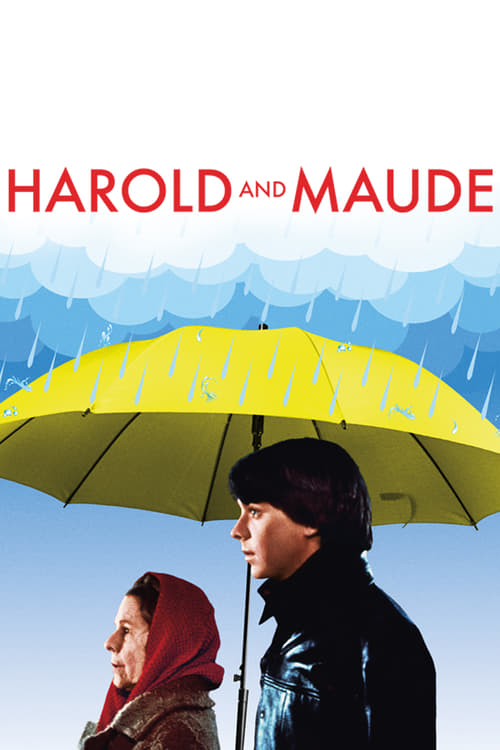
8. Harold and Maude
Hal Ashby’s idiosyncratic 1971 black comedy about a death-obsessed young man, Harold, and a life-affirming octogenarian, Maude. Their unconventional romance is a beautiful, melancholic affirmation of life, challenging societal norms with subversive wit and genuine warmth. The film’s dark humor, Cat Stevens' iconic soundtrack, and its profound message about embracing joy despite morbid fascinations make it a singular, enduring cult classic. A true celebration of individuality and the pursuit of happiness on one's own terms.
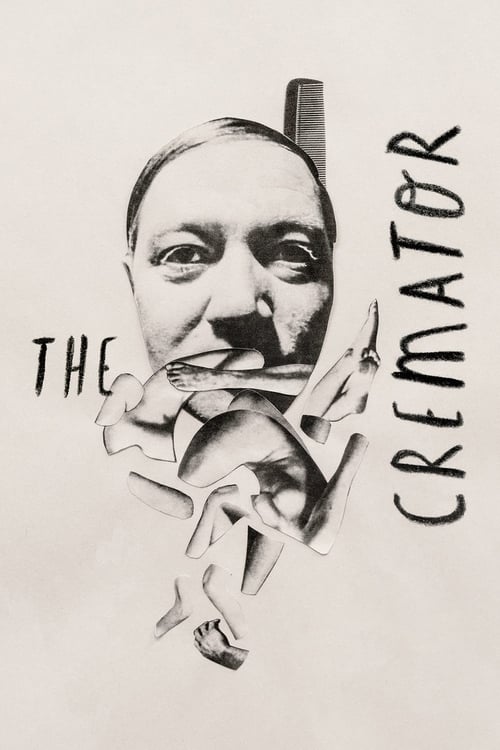
9. The Cremator
Juraj Herz’s chilling 1969 Czechoslovak New Wave black comedy-horror. Karel Kopfrkingl, a cremator, descends into fascism and madness, applying his philosophy of 'liberating the soul' to horrific ends. Herz’s expressionistic style, rapid-fire editing, and Rudolf Hrušínský’s terrifyingly charismatic performance create a grotesque, darkly comedic portrait of evil. It's a disturbing, prescient allegory of totalitarianism's seductive power, wrapped in a uniquely macabre aesthetic that lingers long after viewing.