
1 / 9
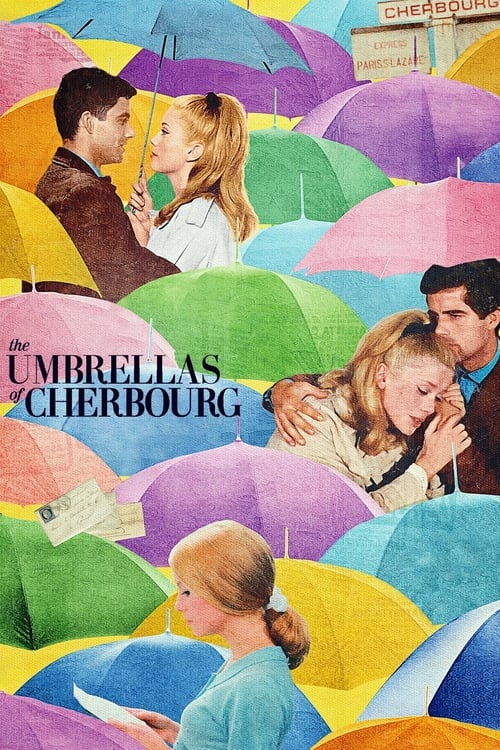
1. The Umbrellas of Cherbourg
Jacques Demy’s audacious musical transforms everyday life into a vibrant, melancholic opera. Every line of dialogue is sung, creating an artificiality that paradoxically deepens its emotional truth. The film’s saturated colors and intricate compositions mask a profoundly bittersweet narrative of first love and inevitable compromise, reflecting a romanticism tempered by the realities of life in mid-century France.
2 / 9
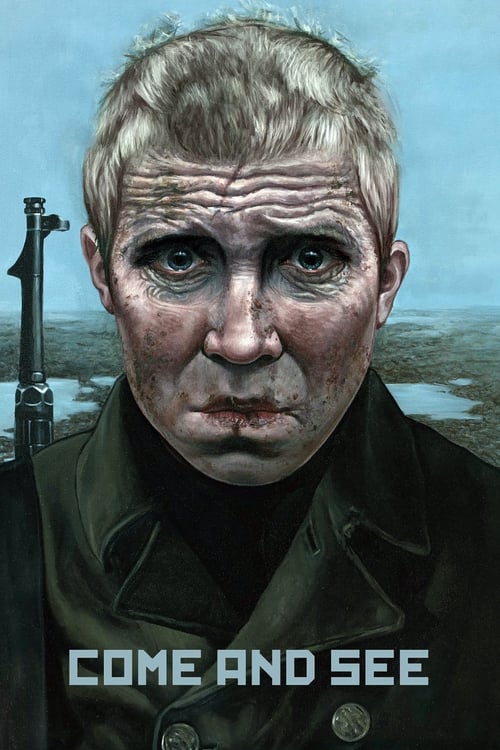
2. Come and See
Elem Klimov's harrowing depiction of the Eastern Front in World War II is less a film and more a visceral endurance test. Seen through the eyes of a young boy, Flyora, it strips away any romanticism of war, presenting an unflinching, nightmarish descent into human depravity and the psychological scars of conflict. Its raw power and unflinching realism remain deeply unsettling.
3 / 9
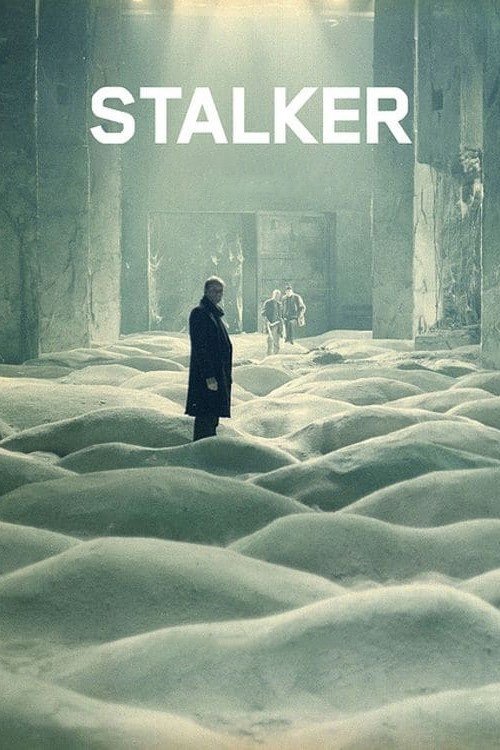
3. Stalker
Andrei Tarkovsky’s profound science fiction meditation eschews typical genre tropes for a philosophical journey into the human soul. Three men traverse the mysterious "Zone" seeking a room that grants wishes, but the film's true quest is internal. Its deliberate pacing, stunning cinematography, and allegorical depth invite deep contemplation on faith, desire, and the nature of reality.
4 / 9
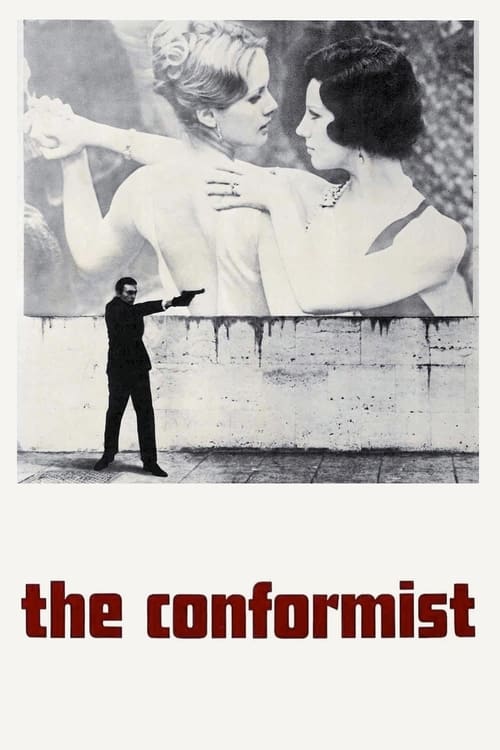
4. The Conformist
Bernardo Bertolucci’s visually opulent masterpiece dissects the psychology of fascism through a man desperate to fit in. Vittorio Storaro's breathtaking cinematography, with its stark geometric compositions and chiaroscuro lighting, perfectly mirrors the protagonist's moral compromises and the oppressive atmosphere of Mussolini’s Italy. It’s a chilling examination of complicity and collective delusion.
5 / 9
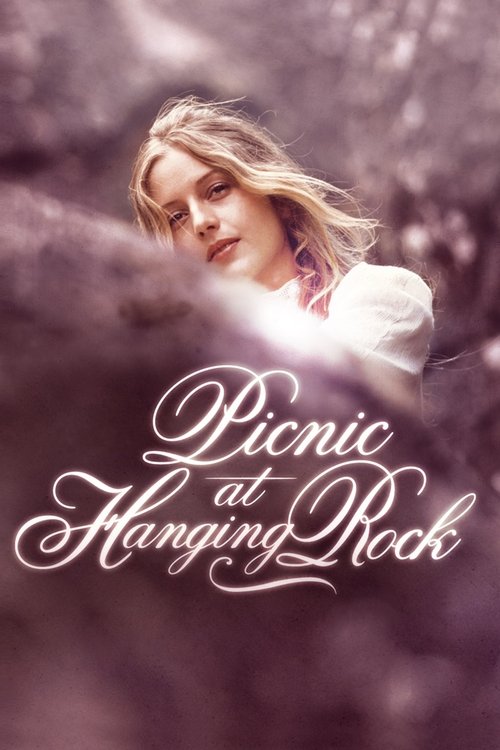
5. Picnic at Hanging Rock
Peter Weir crafts an atmospheric, unsettling mystery that thrives on its unanswered questions. The disappearance of schoolgirls in the Australian bush on Valentine's Day, 1900, becomes a haunting metaphor for colonial anxieties and the unknowable power of nature. Its dreamlike aesthetic and pervasive sense of dread linger long after the credits.
6 / 9

6. The Parallax View
Alan J. Pakula's masterful conspiracy thriller encapsulates the pervasive paranoia of post-Kennedy and Watergate America. A journalist investigates a senator’s assassination, uncovering a sinister corporation that trains political killers. Its cold, analytical style and chilling depiction of systemic, faceless power make it a prescient and deeply unsettling reflection on societal manipulation.
7 / 9

7. Le Samouraï
Jean-Pierre Melville's minimalist neo-noir is a masterclass in cool. Alain Delon plays Jef Costello, a meticulously ritualistic contract killer, whose solitary existence is defined by a rigid code of honor. The film’s sparse dialogue, stark urban landscapes, and iconic trench coat create a hypnotic, existential study of isolation and fate in a world devoid of warmth.
8 / 9
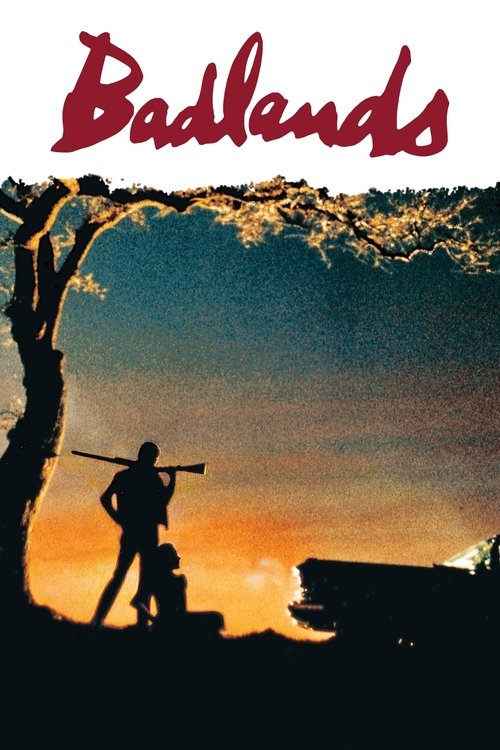
8. Badlands
Terrence Malick's debut is a lyrical, dreamlike crime saga. Following a young couple on a killing spree across the American Midwest, it juxtaposes their casual violence with poetic narration and breathtaking natural beauty. The film probes themes of alienation and the allure of notoriety, offering a detached, almost childlike perspective on profound transgression.
9 / 9
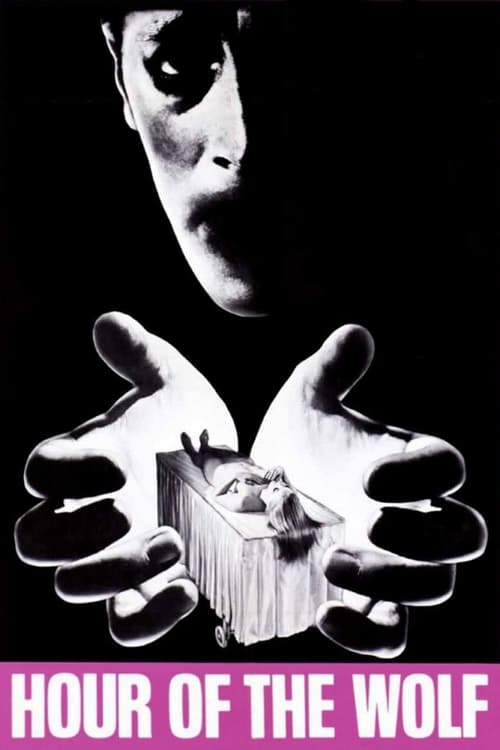
9. Hour of the Wolf
Ingmar Bergman plunges into the abyss of an artist’s psyche with this unsettling psychological horror. A painter on an isolated island grapples with his demons, hallucinations, and disintegrating sanity. Bergman masterfully blurs the lines between reality and nightmare, creating a profoundly disturbing exploration of artistic torment, marital strain, and the fragility of the human mind.