

1. Naked City
“Naked City” gave you a look at the streets of New York, a real gritty feel, captured in stark black and white. Each week, it was a new story, a new set of characters wrestling with life's tough breaks. It was an early sort of anthology, but with a police procedural backbone, showing the human drama behind the headlines. And those final voice-overs, they really stuck with you. It wasn't always pretty, but it felt honest, like peeking into someone's real life. A true television pioneer, this one.
2. The Name of the Game
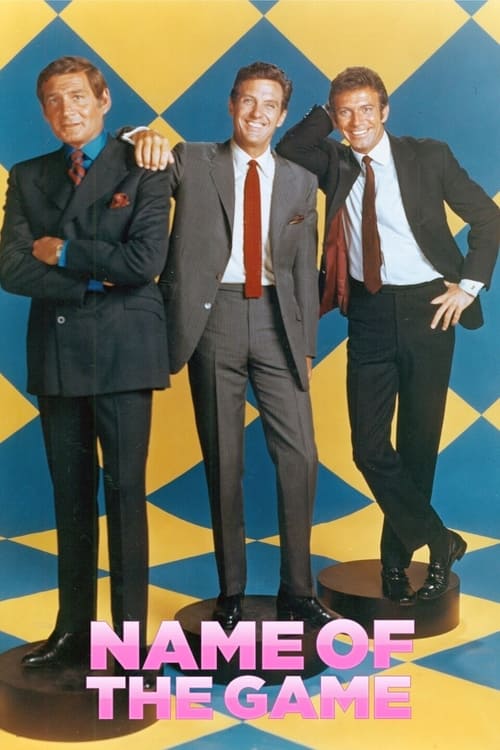
Now, this was something different for its time. “The Name of the Game” offered three rotating leads, big stars like Robert Stack and Tony Franciosa, each with their own story arc focusing on a publishing empire. It wasn't quite a weekly anthology, nor was it serialized in the modern sense. They were trying to figure out how to keep an audience engaged week after week with different faces, a real experiment in long-form storytelling. And it was all in color, too, a big step up from the old black-and-white days. Ambitious, certainly.
3. Longstreet
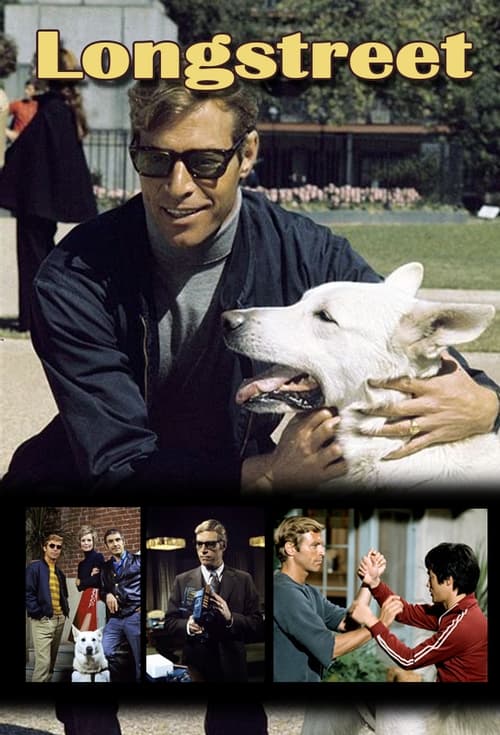
“Longstreet” had a gimmick, sure, James Franciscus as a blind insurance investigator. But it worked. He wasn't just a prop; he was sharp, using his other senses to solve crimes. It was a procedural, yes, but it spent time on his character, his adjustments, his struggles. And Bruce Lee, before he was a huge star, had a recurring role, teaching him martial arts. It showed that TV could tackle a complex protagonist and make him compelling, not just a one-off case. A real gem.
4. The Great American Dream Machine
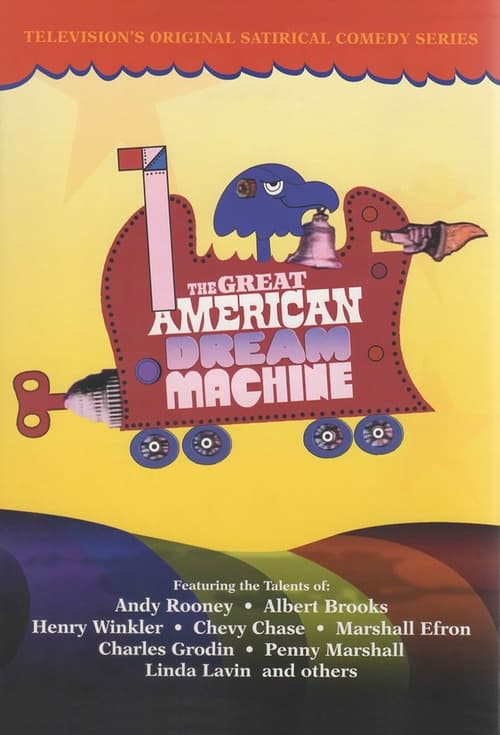
Public television, back then, had a different sort of freedom. “The Great American Dream Machine” was a wild, unpredictable ride. It wasn't a sitcom, it wasn't a drama; it was a sort of variety show for intellectuals, a mix of investigative journalism, satire, music, and performance art. You never knew what you were going to get. It poked fun, it informed, it made you think. And it wasn't afraid to be a little rough around the edges, a true experimental broadcast, pushing boundaries.
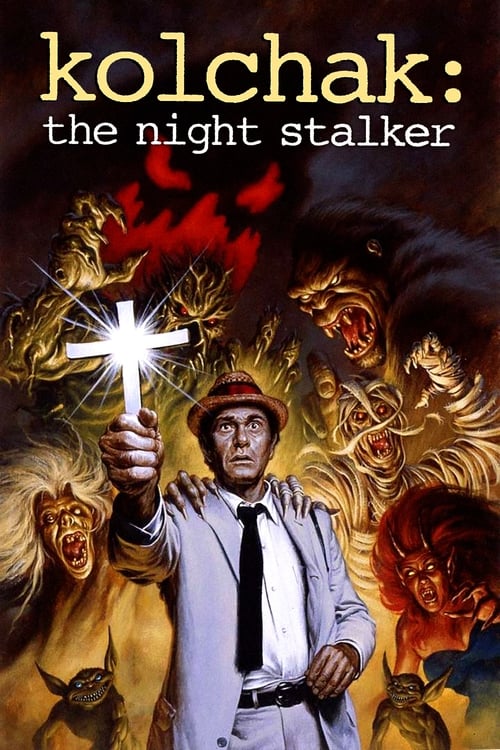
5. Kolchak: The Night Stalker
Now, this one was a real grabber. Darren McGavin as Carl Kolchak, a newspaper reporter chasing down vampires, werewolves, and all sorts of ghoulish things in the big city. It was a procedural, but with a supernatural twist every week. The monsters weren't always convincing, but Kolchak's cynical, weary charm, and his constant battle against the establishment, made it work. It was dark, a bit spooky, and laid some groundwork for future monster-of-the-week shows. A cult favorite, and for good reason.
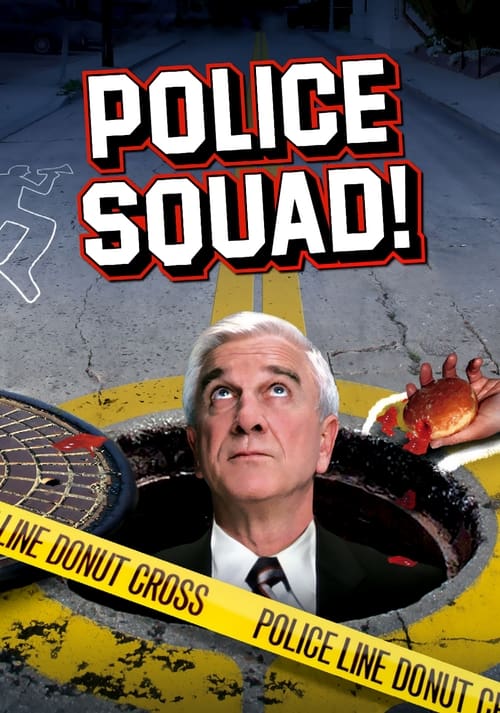
6. Police Squad!
You remember “Police Squad!”? It was a comedy, but not like the usual sitcoms of the day. It was quick, absurd, packed with sight gags and wordplay, and it didn't care much for continuity. Leslie Nielsen was perfect as the deadpan detective. They broke the fourth wall, had running gags, and ended each episode with a different freeze frame that wasn't actually frozen. It was too smart, too fast for most audiences back then, but it became a legend. A real laugh riot.
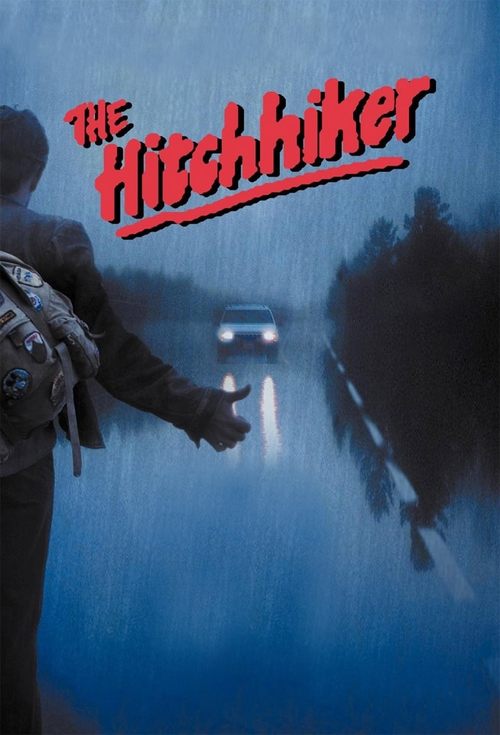
7. The Hitchhiker
Even when cable started coming on strong, some shows kept that classic anthology feel. “The Hitchhiker” was one of them, a dark, psychological series where each week you got a new tale of human folly and fate. The Hitchhiker himself was just a mysterious guide, linking these often grim, sometimes erotic stories. It felt a bit like a modern “Twilight Zone,” but with a grittier edge, exploring the darker corners of human nature. It was provocative, a little unsettling, and always left you thinking.
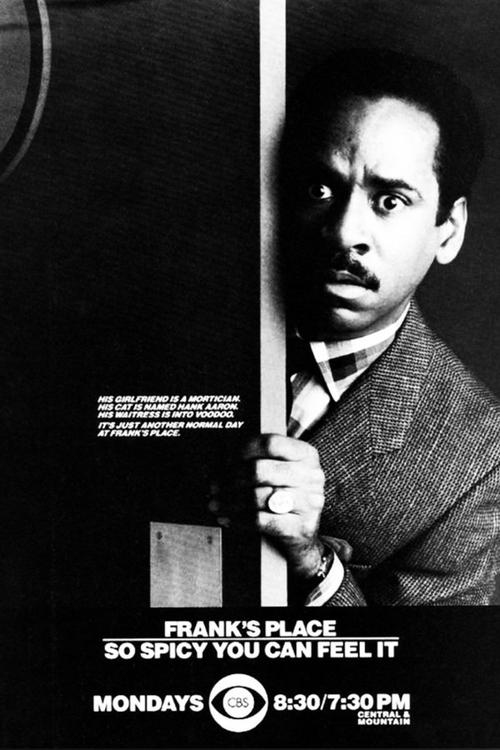
8. Frank's Place
“Frank's Place” was a sitcom, but it played by different rules. Set in a New Orleans restaurant, it was a single-camera show, no laugh track, and it let stories unfold over several episodes. Tim Reid was fantastic as the sophisticated professor inheriting the joint. It had a real sense of place, wonderful characters, and a laid-back, almost cinematic feel. It challenged what a sitcom could be, blending comedy with genuine drama and a real sense of community. A truly unique broadcast.

9. Wiseguy
Now, “Wiseguy” really pushed the envelope for serialized drama. It wasn't just a case-of-the-week; Vinnie Terranova, an undercover agent, would spend entire arcs, sometimes many episodes, infiltrating one crime organization. Each arc was like a mini-series itself, deep dives into character and consequence. It was dark, intense, and made you care about the villains almost as much as the hero. It proved that audiences would stick around for complex, ongoing stories, a true turning point in broadcast television.