
1 / 8
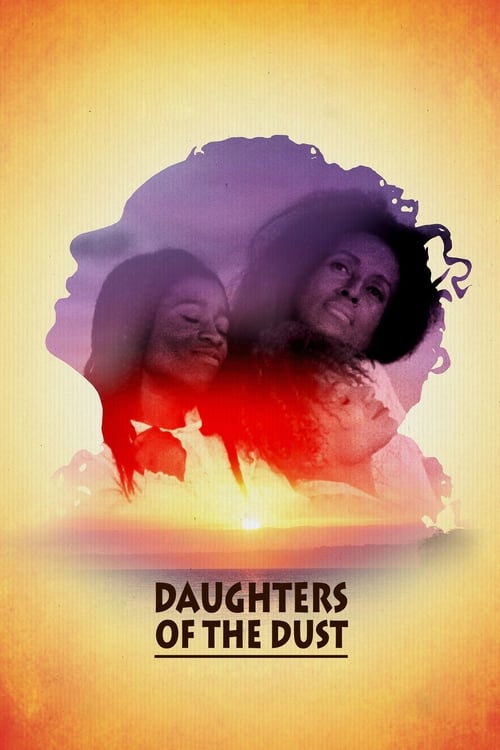
1. Daughters of the Dust
Julie Dash's film is a breathtaking, lyrical journey into the Gullah community on the Sea Islands at the turn of the 20th century. It’s less about a linear plot and more about atmosphere, memory, and the powerful pull of ancestry. Through stunning visuals and rich oral traditions, it explores the intricate bonds between generations of women, examining choices about tradition, modernity, and the profound connection to one's roots. It’s a foundational piece of Black independent cinema.
2 / 8

2. The Watermelon Woman
Cheryl Dunye’s bold, often humorous film pioneered New Queer Cinema, placing a Black lesbian filmmaker at its center. It’s a meta-narrative about uncovering forgotten histories, specifically a mysterious Black actress from the 1930s. The film playfully blurs lines between documentary and fiction, ultimately asserting the importance of creating one's own narratives when history has erased them. It’s a vital exploration of identity, representation, and forging connections across time and visibility.
3 / 8

3. Killer of Sheep
Charles Burnett's raw, poetic masterpiece offers an intimate glimpse into the daily life of a slaughterhouse worker in Watts, Los Angeles. Shot in a documentary-like style, it captures the quiet dignity and weariness of ordinary people struggling against systemic odds. The film eschews grand narratives for small, profound moments of familial love, friendship, and the search for meaning amidst hardship. It's a deeply humanistic portrait of resilience and the bonds that sustain us.
4 / 8
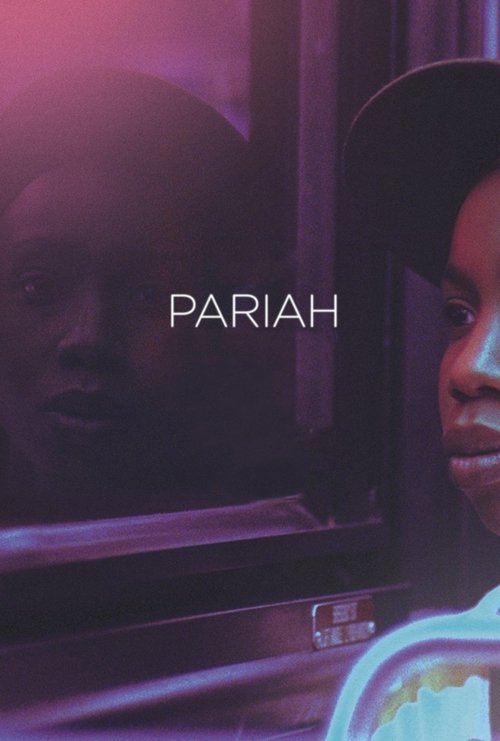
4. Pariah
Dee Rees’s debut feature is a tender, unflinching portrait of Alike, a 17-year-old Black woman in Brooklyn navigating her identity as a lesbian. It’s a powerful coming-of-age story about self-discovery, familial expectations, and the courage it takes to be true to oneself. The film sensitively portrays the push-and-pull between desiring acceptance and finding genuine connection with those who truly see you, ultimately celebrating the strength found in authenticity.
5 / 8

5. The Fall
Tarsem Singh’s fantastical epic is a visual feast, weaving a vibrant, imaginative tale told by an injured stuntman to a young girl in a 1920s hospital. Their shared storytelling creates a world bursting with color and wonder, but also reflecting their personal pains and hopes. It's a profound meditation on the power of narrative, escapism, and the unexpected, transformative bond that can form between two disparate souls through shared vulnerability and imagination.
6 / 8

6. Atlantics
Mati Diop’s haunting, atmospheric debut blends romance, social commentary, and supernatural elements in Dakar. It tells the story of Ada, whose lover disappears at sea while seeking a better life, only to return in spectral form. The film explores themes of migration, exploitation, and unresolved grief, showing how love transcends physical boundaries and how the living and the dead remain connected through shared loss and the enduring power of memory.
7 / 8

7. Rafiki
Wanuri Kahiu’s groundbreaking Kenyan film, whose title means "friend" in Swahili, is a vibrant and courageous story of first love between two young women, Kena and Ziki. Despite societal pressures and prejudice, their connection blossoms with undeniable joy and tenderness. The film is a powerful testament to the resilience of the human heart, celebrating the universal desire for love and acceptance, and the bravery required to pursue it against all odds.
8 / 8
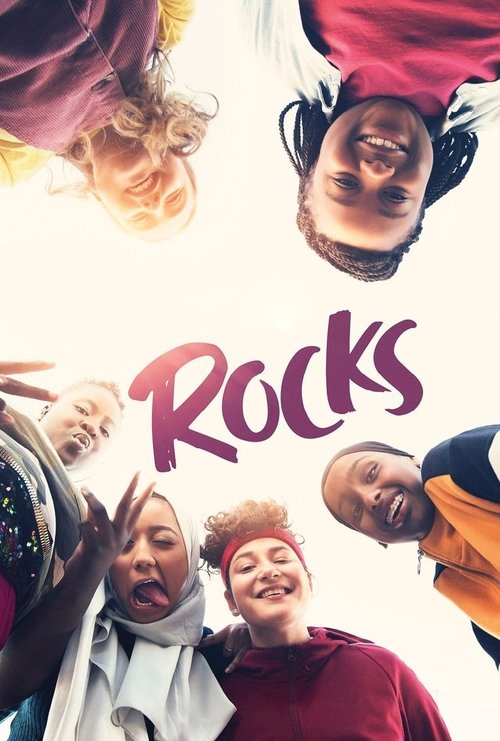
8. Rocks
Sarah Gavron’s energetic, immersive drama captures the raw reality of teenager Rocks, suddenly left to care for her younger brother after their mother disappears. Filmed with a dynamic, semi-improvised style and starring a largely non-professional cast, it’s a poignant exploration of sisterhood, resilience, and the invaluable support of a tight-knit group of friends. It highlights how communities, both chosen and biological, become lifelines when everything else falls apart.