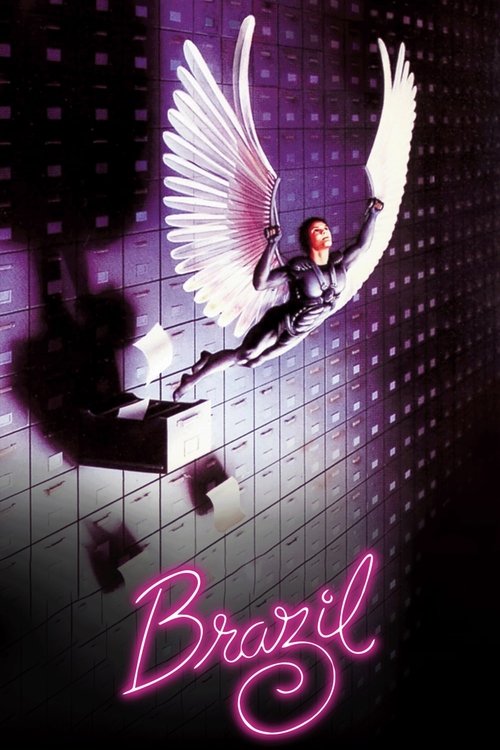
1. Brazil
"Brazil (1985)" throws you right into a dystopian dreamscape where reality feels like a meticulously crafted, yet glitchy, system. Terry Gilliam's unique visual language and practical effects for 1985 were truly revolutionary, creating a world so immersive it blurs the lines between protagonist Sam Lowry's fantasies and his oppressive reality. It brilliantly shows how our minds can generate narratives beyond any physical screen, essentially breaking through. And it still inspires content creators today.
2. eXistenZ
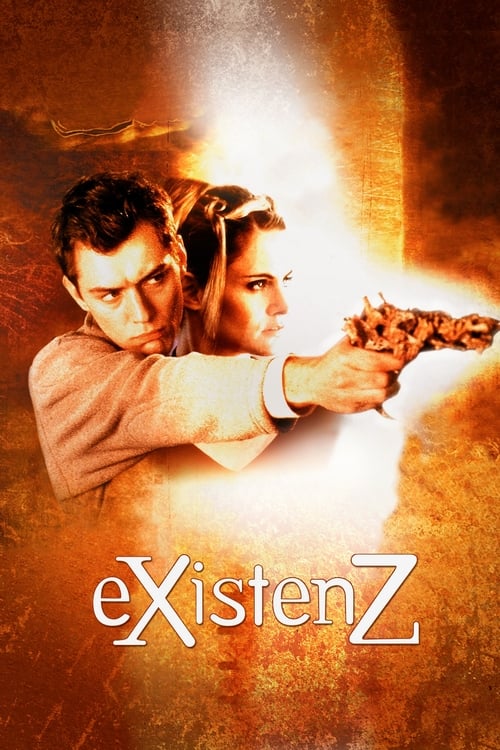
"eXistenZ (1999)" is a masterclass in blurring game and reality, feeling almost prophetic about today's immersive tech. Cronenberg’s vision of organic virtual reality systems and narratives that self-evolve makes you constantly question every layer of existence. It’s like an early blueprint for what AI-driven storytelling in VR could become, where the lines between creator and player, and even reality, just dissolve. This film completely redefines what a screen can hold.
3. Perfect Blue
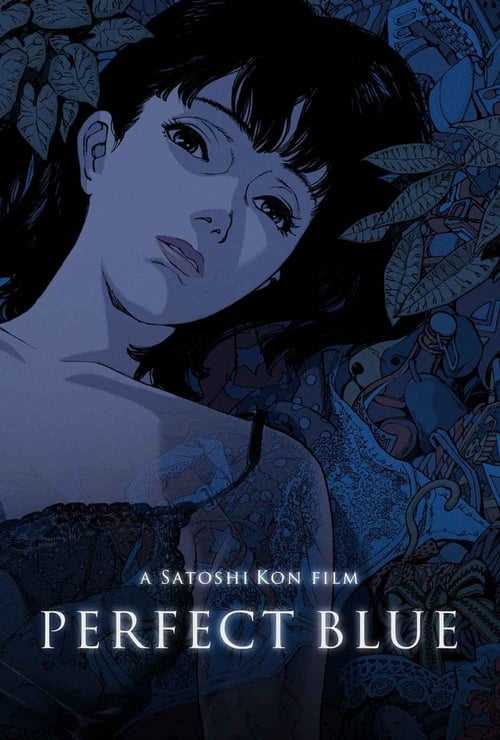
Satoshi Kon's "Perfect Blue (1998)" is an animated psychological ride, exploring how public personas and digital identities can completely unravel reality. It’s surprisingly prescient about online obsession and the blurred lines between creator and audience. The film masterfully manipulates perception, making you question every narrative thread, almost like an AI-generated fever dream. It’s a powerful statement on how stories, especially those consumed through screens, can warp our understanding of self and truth.
4. The Fountain
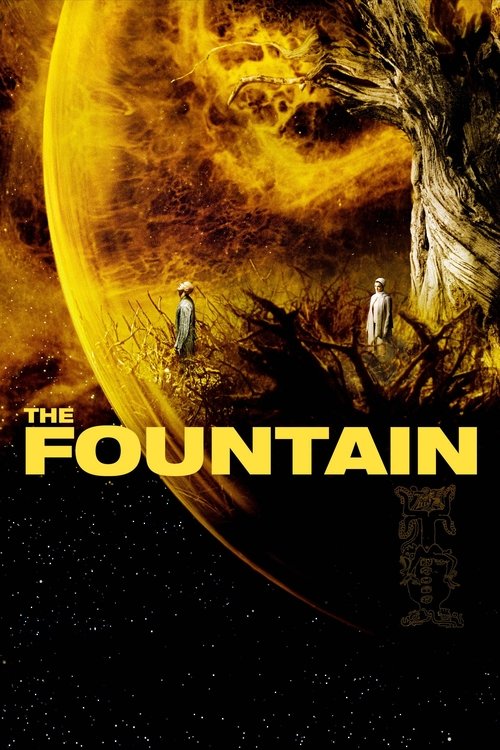
"The Fountain (2006)" by Darren Aronofsky is a visually stunning journey across time and space, feeling less like a movie and more like a shared consciousness experience. The use of macro photography for its cosmic imagery, instead of traditional CGI, created an organic, almost VR-like immersion that was truly innovative. It weaves a narrative so deeply personal and universal, it truly transcends the screen, inviting you to live through its hopeful, melancholic cycles of love and loss.
5. MirrorMask
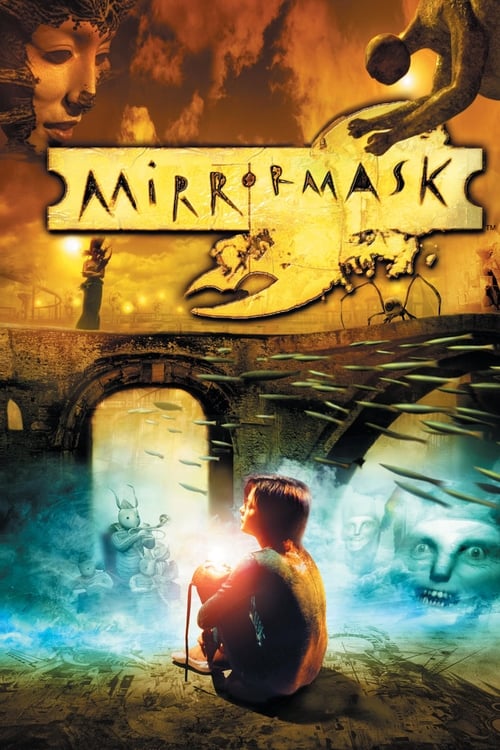
Neil Gaiman and Dave McKean's "MirrorMask (2005)" is a pure visual spectacle, unfolding like a vibrant, hand-drawn dream. The blend of live-action with graphic novel-style animation was totally cutting-edge, creating a world so distinct it felt like stepping into an AI-designed fantasy realm. This film really embraces the idea of stories as portals, where the narrative pulls you through the screen into a richly imagined, deeply personal journey. It’s just so wildly creative.

6. Coherence
"Coherence (2014)" is a testament to how brilliant writing can utterly break the screen barrier, even on a tiny budget. This indie sci-fi film twists a simple dinner party into a mind-bending exploration of parallel realities. It throws you into the characters' bewildering experience, making you feel the quantum strangeness alongside them. The narrative feels almost like an emergent AI story, where every choice branches into new possibilities, forcing you to actively participate in piecing together its disorienting truth.

7. Upstream Color
Shane Carruth’s "Upstream Color (2013)" is a truly experimental film that bypasses traditional storytelling, feeling more like a deeply atmospheric, AI-composed symphony of emotions. It's an immersive experience, using fragmented visuals and intricate sound design to create an almost telepathic connection with its audience. The narrative explores identity and connection in such a unique, non-linear way, it forces you to engage on a primal level, completely transcending the flat screen. It’s just so beautifully raw.

8. Pontypool
"Pontypool (2009)" is a super clever horror film that makes language itself the ultimate, screen-breaking virus. Set almost entirely in a radio station, it uses the power of sound and unfolding narrative to create an intensely claustrophobic, immersive experience. The film totally redefines how stories can spread and infect, almost like a self-propagating AI narrative that warps reality through communication. It’s a sharp, hopeful reminder that innovative storytelling can thrive even with minimal visuals, just pure concept.