
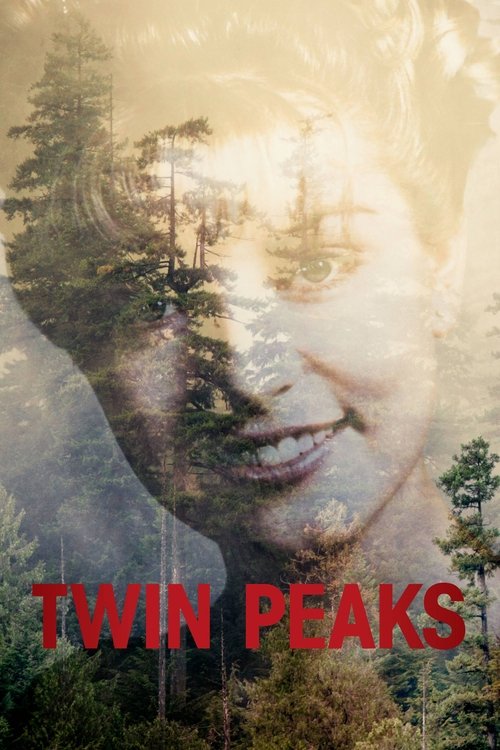
1. Twin Peaks
Before "binge-watching" was even a twinkle in a Netflix exec's eye, *Twin Peaks* redefined what television could be. Lynch and Frost crafted a serialized mystery that demanded attention, not just with its central question but with its bizarre characters and dream logic. It was cinematic, surreal, and proved that TV could be art, laying groundwork for shows willing to defy conventional narrative.
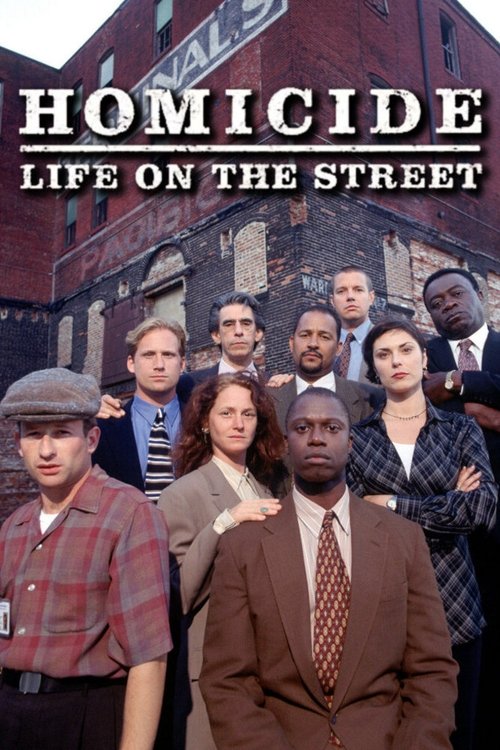
2. Homicide: Life on the Street
Barry Levinson and Tom Fontana showed us what a police procedural could really do, ditching the slick network polish for something raw and messy. Its ensemble cast, overlapping dialogue, and handheld camera work felt more like independent film than prime-time TV. It was the anti-procedural procedural, digging deep into character and consequence, proving that realism could be gripping television.
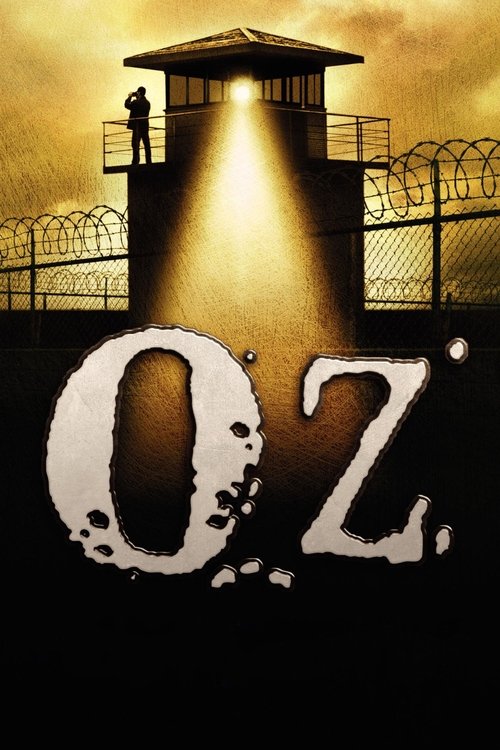
3. Oz
HBO truly threw down the gauntlet with *Oz*. Before it, cable was mostly movies and sports. This was raw, unapologetic, and utterly brutal. It wasn't just a prison drama; it was a societal microcosm, serialized and unflinching in its exploration of power, race, and morality. It proved cable could deliver complex, adult-oriented storytelling network TV wouldn't touch.
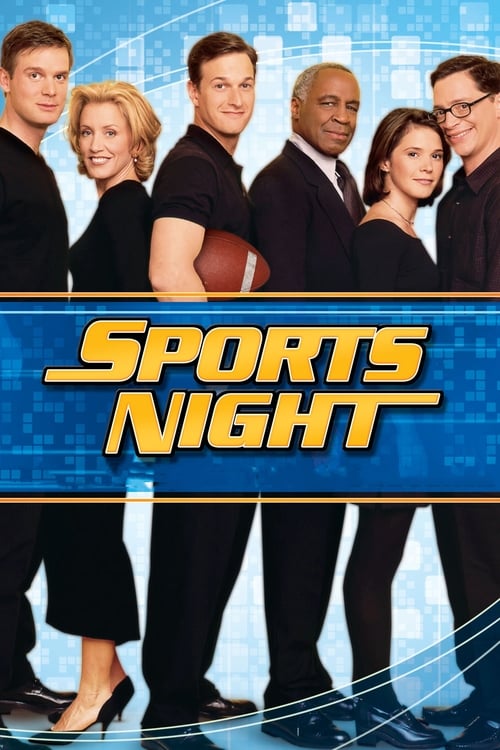
4. Sports Night
Aaron Sorkin's signature walk-and-talk, but in a sitcom? *Sports Night* was a dramedy before we really had that term. It blended sharp, rapid-fire wit with genuine pathos, giving us an ensemble workplace that felt lived-in. It struggled with network notes, but its theatricality and commitment to intelligent dialogue showed how comedy could evolve beyond the laugh track, paving the way for smarter sitcoms.
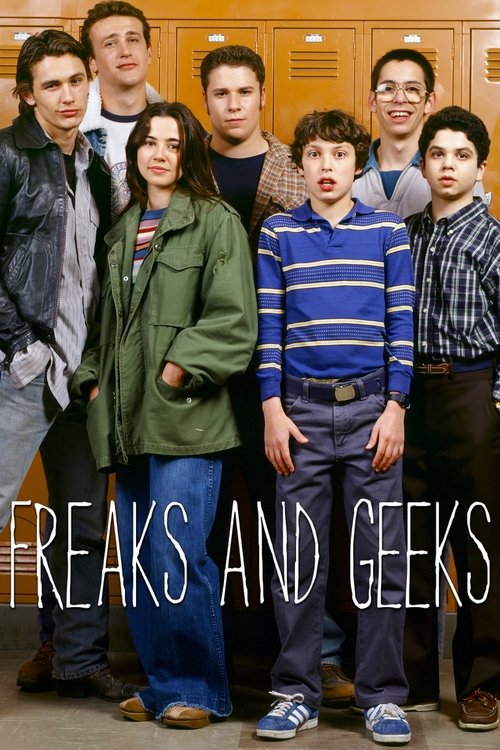
5. Freaks and Geeks
Judd Apatow and Paul Feig delivered a genuine, painfully honest look at high school life that felt revolutionary. No laugh track, no easy answers. It chronicled the awkwardness, the triumphs, and the heartbreaks of its ensemble cast with a single-camera, cinematic approach that was still rare for comedy-dramas. It might have been canceled too soon, but its legacy cemented the idea of authentic, serialized youth stories.

6. The Office
Ricky Gervais and Stephen Merchant didn't just invent cringe comedy; they perfected the mockumentary format for a sitcom. This *Office* wasn't about big jokes, but about the excruciatingly real awkwardness of everyday work life. David Brent was a tragicomic masterpiece, and the show's subtle, character-driven humor proved that reality-style filming could elevate comedy into something far more insightful and resonant.
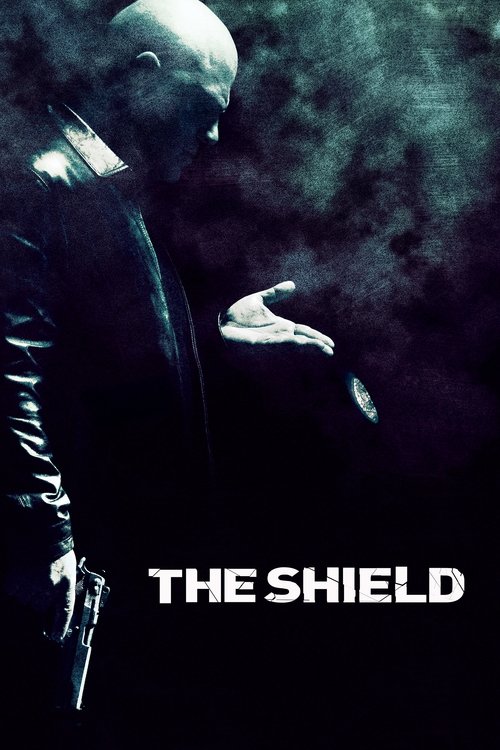
7. The Shield
FX came out swinging with *The Shield*, giving us Vic Mackey, television's most compelling anti-hero since Tony Soprano. This wasn't your father's cop show. It was a morally ambiguous, serialized crime drama that dared you to root for corrupt cops, pushing the boundaries of what was acceptable on basic cable. Its gritty realism and intense storytelling cemented FX as a serious player in the prestige TV game.
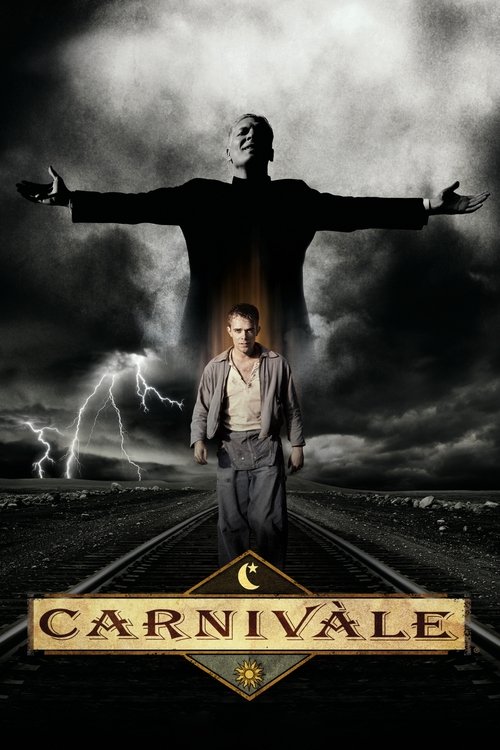
8. Carnivàle
HBO doubled down on its prestige gamble with *Carnivàle*, a show that was arguably too ambitious for its time. Visually stunning, deeply atmospheric, and steeped in mythology, it was serialized storytelling taken to an epic, often opaque, level. It demonstrated HBO's willingness to invest heavily in unique, high-concept dramas, even if they were challenging and didn't always deliver immediate answers.