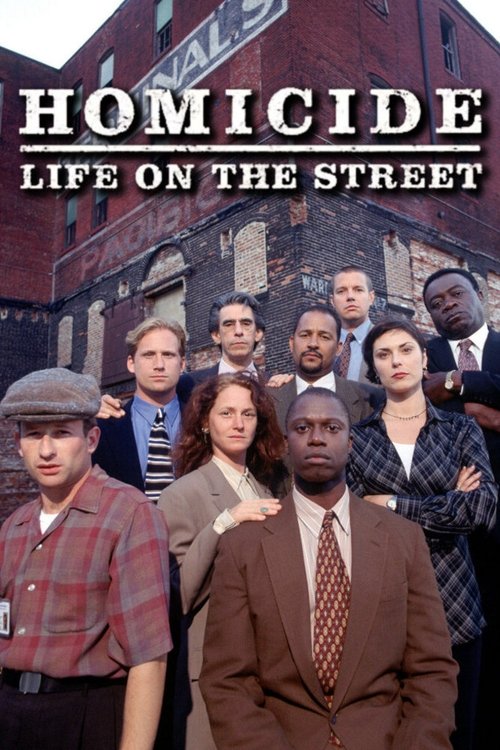
1. Homicide: Life on the Street
Before HBO was *HBO*, there was *Homicide*. This wasn't your typical network procedural; it felt like a feature film every week. Barry Levinson and David Simon brought a raw, documentary-style grit to Baltimore's homicide unit. The overlapping dialogue, the jump cuts, the sheer emotional weight of those interrogations – it was messy, real, and totally groundbreaking for network TV back in '93. It showed you could do complex, character-driven serials without all the gloss.
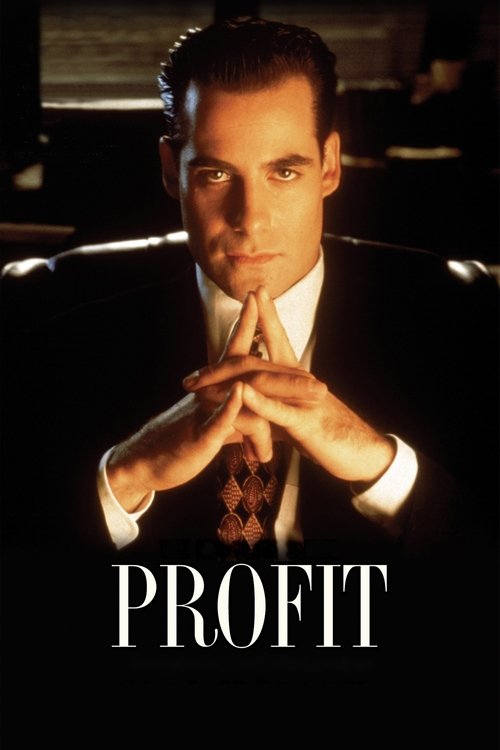
2. Profit
"Profit," from '96, was so far ahead of its time, Fox didn't even know what to do with it. Jim Profit was a corporate psychopath, and the show dared you to root for him. It was cynical, darkly humorous, and utterly fearless in its portrayal of ambition run amok. This was the kind of anti-hero material cable would later embrace, but on a broadcast network, it was a bold, disturbing experiment that few were ready for. A true cult classic.
3. Oz
When "Oz" hit HBO in '97, it obliterated any lingering notions of what TV could be. This wasn't a prison show; it was a societal microcosm, brutal and unflinching. Tom Fontana built an ensemble where no one was safe, pushing boundaries with violence, sexuality, and moral ambiguity that broadcast wouldn't touch. It proved HBO's "It's not TV, it's HBO" motto wasn't just marketing; it was a promise of truly serialized, adult storytelling.
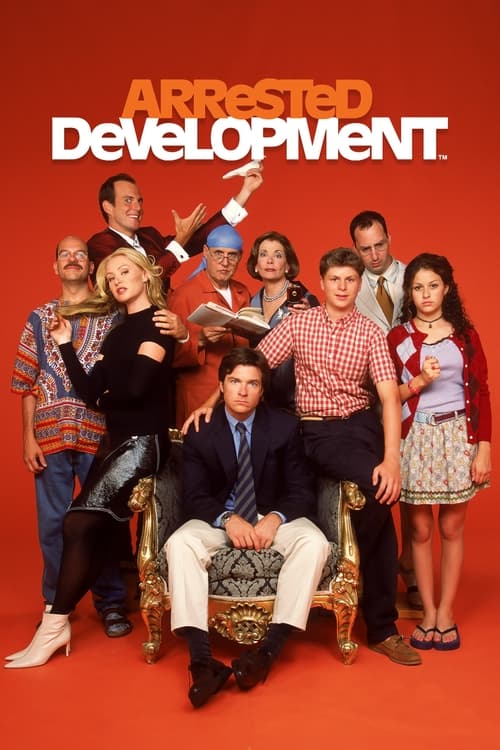
4. Arrested Development
"Arrested Development" hit in '03 and just blew up the sitcom formula. The mockumentary style wasn't entirely new, but the rapid-fire jokes, the layers of callbacks, and the sheer density of its serialized gags were revolutionary. It demanded attention, rewarding re-watches. This was a show that thrived on the emerging idea of watching on your own terms, foretelling the binge-watching future long before streaming was mainstream. A truly brilliant, complex comedy.
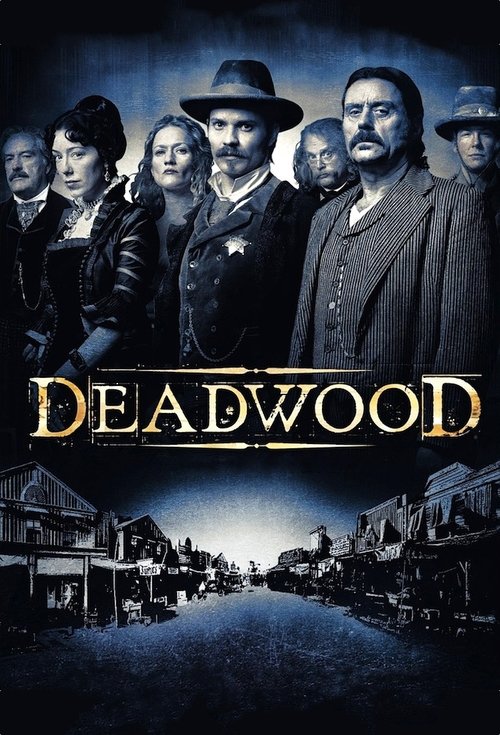
5. Deadwood
David Milch's "Deadwood," starting in '04, wasn't just a Western; it was a masterclass in language and character. HBO let him craft a world that felt lived-in, brutal, and poetic, pushing the envelope with dialogue that would make a sailor blush. The serialized arcs, the sprawling ensemble, the sheer ambition of it all – it was pure prestige television. It felt like watching a novel unfold, with every character getting their due in that muddy, dangerous town.
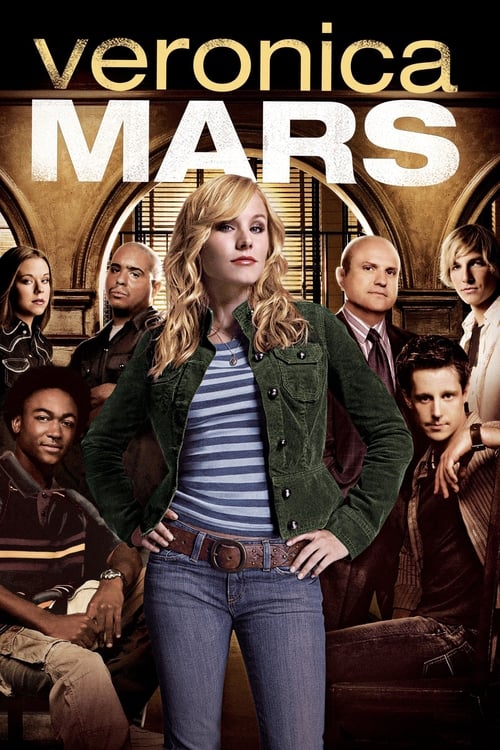
6. Veronica Mars
"Veronica Mars," premiering in '04, took the teen drama and flipped it. It was a neo-noir detective story wrapped in a high school setting, with a sharp, cynical lead who could trade barbs with anyone. The overarching mysteries, like Lilly Kane's murder, demanded serialized viewing, pulling you deeper into Neptune's dark underbelly. It showed that smart, serialized storytelling wasn't just for cable; network TV could deliver complex, compelling narratives too.

7. The Comeback
Lisa Kudrow's "The Comeback," from '05, was pure, unadulterated cringe before "cringe" was even a mainstream term. The mockumentary format was used to dissect celebrity, vanity, and the brutal reality of Hollywood's gaze. It was uncomfortable, hilarious, and deeply sad, demanding a different kind of engagement from the viewer. HBO allowed it to be as raw and experimental as it needed to be, cementing its place as a cult classic.
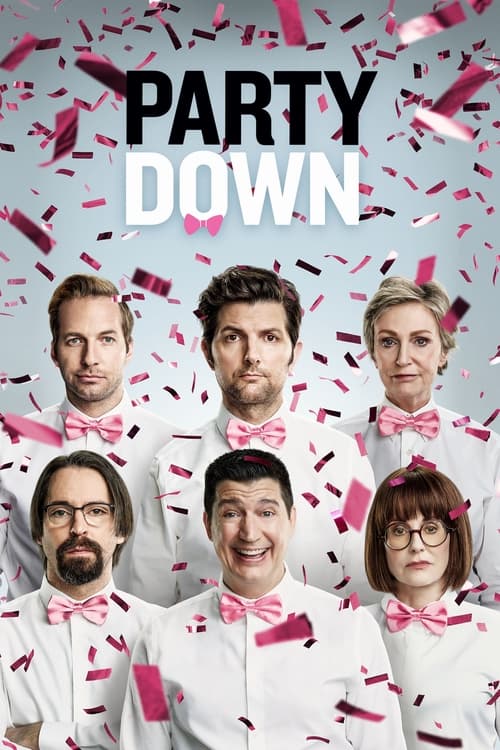
8. Party Down
"Party Down," starting in '09, was a brilliant, melancholic ensemble comedy that just didn't get its due during its original run. Following a catering crew, it nailed the existential dread of trying to make it in LA, with each episode a self-contained disaster. Its serialized character arcs and sharp writing were perfect for discovery later, proving that quality, niche shows could find their audience through word-of-mouth and early on-demand platforms.