


1. Possession
Andrzej Żuławski's *Possession* (1981) is a visceral, unhinged exploration of marital collapse set against a palpable Cold War tension in West Berlin. Isabelle Adjani’s performance as Anna is a force of nature, a raw, almost physical manifestation of psychological anguish. It blurs the lines between horror, drama, and pure, unfiltered surrealism, challenging viewers to confront the darkest corners of human emotion and societal anxieties. A truly singular, often disturbing experience that demands multiple interpretations.
2. Seconds
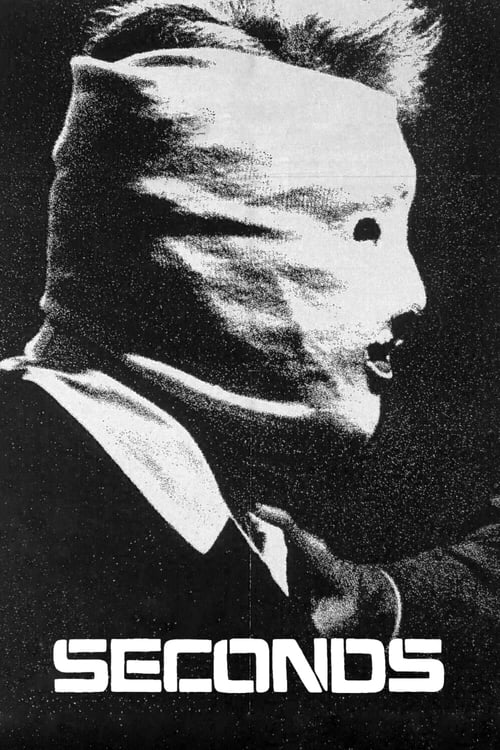
John Frankenheimer's *Seconds* (1966) plunges into the terrifying potential of reinvention, where a disillusioned banker undergoes a clandestine procedure to shed his old life and identity. Rock Hudson delivers a career-defining performance, revealing the profound anxieties beneath the veneer of suburban conformity. The film's stark, high-contrast cinematography and disorienting camera work amplify its themes of existential dread and the chilling realization that escaping oneself might be the most impossible transformation of all. A potent, unsettling psychological thriller.
3. Walkabout
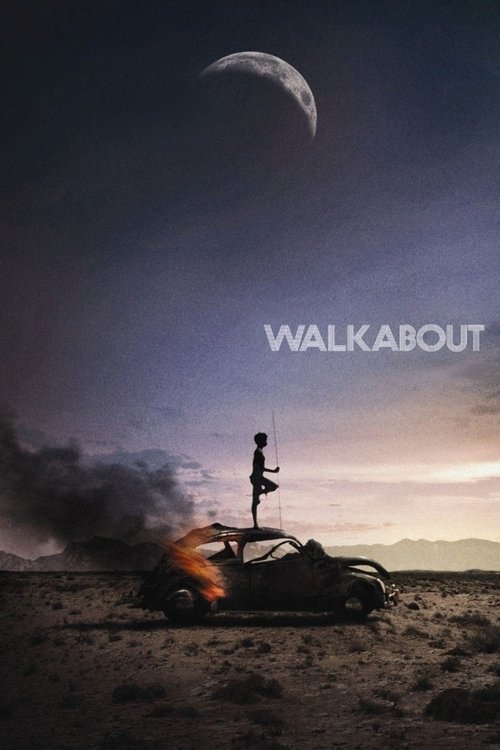
Nicolas Roeg’s *Walkabout* (1971) is a visually stunning, almost hypnotic journey into the heart of the Australian outback, where two privileged English siblings are left stranded. Their encounter with an Aboriginal boy on his ritual walkabout creates a poignant, often uncomfortable, study of cultural collision and the raw indifference of nature. Roeg’s masterful editing and breathtaking cinematography craft a dreamlike narrative, hinting at profound truths about innocence, survival, and the inescapable chasm between disparate worlds. An anthropological poem.

4. Wake in Fright
Ted Kotcheff’s *Wake in Fright* (1971) is a searing, relentless descent into the sun-baked hell of the Australian outback. A schoolteacher, stranded in a remote mining town, finds himself ensnared in a spiral of toxic masculinity, excessive drinking, and brutal kangaroo hunts. The film's unflinching portrayal of societal decay and the primal urges lurking beneath the surface is profoundly unsettling. It’s a masterful, almost ethnographic study of cultural alienation and the terrifying loss of self in an unforgiving landscape.

5. Daisies
Věra Chytilová’s *Daisies* (1966) is an anarchic, exuberant, and utterly groundbreaking work of the Czech New Wave. Following two mischievous young women named Marie, the film revels in defiant absurdity, challenging patriarchal norms and consumerism through playful destruction and surrealist vignettes. Its kaleidoscopic visuals, fragmented narrative, and rebellious spirit make it a joyous, provocative explosion of feminist cinema. *Daisies* isn't just a film; it’s a manifesto on liberation, form, and pure, unadulterated cinematic freedom.
6. Klute
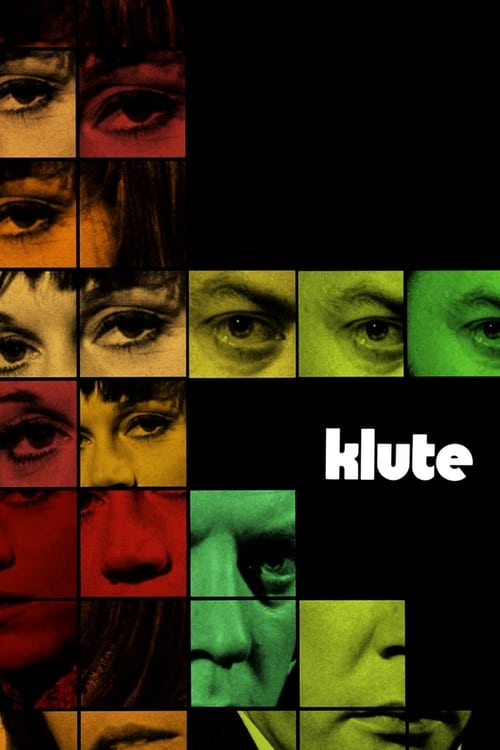
Alan J. Pakula's *Klute* (1971) is a masterclass in neo-noir tension, featuring Jane Fonda’s Oscar-winning turn as Bree Daniels, a high-end call girl entangled in a missing person's case. The film expertly builds an atmosphere of creeping paranoia within a grimy, pre-Giuliani New York, exploring themes of surveillance, identity, and the transactional nature of human connection. Pakula's precise direction and Gordon Willis's shadowy cinematography craft a chilling, intelligent thriller that resonates with contemporary anxieties about privacy and agency.
7. Safe
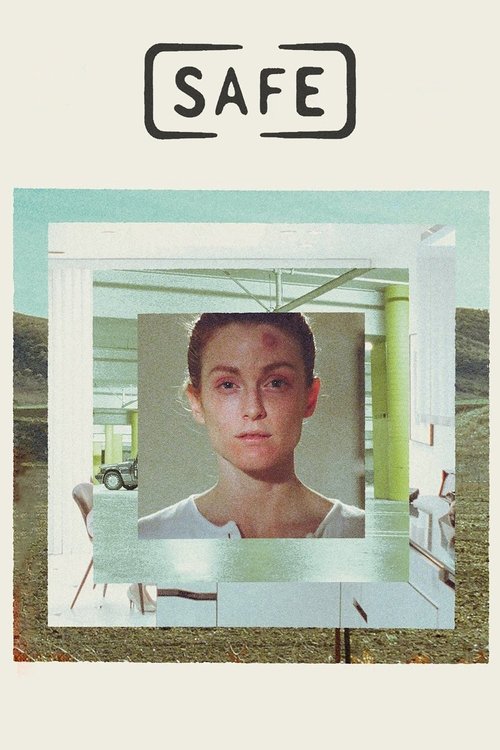
Todd Haynes’ *Safe* (1995) is a chilling, meticulously crafted portrait of suburban alienation and the elusive nature of illness. Julianne Moore delivers a haunting performance as Carol White, a woman whose mysterious environmental sensitivities lead her to a New Age retreat. Haynes subtly critiques both medical establishments and alternative wellness culture, portraying Carol’s descent into isolation with stark, almost clinical detachment. It's a profound, unsettling examination of modern anxieties, purity, and the desperate search for control in an indifferent world.

8. Angst
Gerald Kargl’s *Angst* (1983) is a relentless, unflinching plunge into the mind of a serial killer, told almost entirely from his distorted perspective. This Austrian cult film is a masterclass in subjective horror, utilizing a unique, often dizzying camera style and Kinski's unsettling narration to create an utterly claustrophobic and disturbing experience. It foregoes conventional narrative for a raw, psychological portrayal of psychopathy, making it a challenging yet undeniably powerful and singular piece of extreme cinema.