
1. Naked City
Oh, "Naked City." That opening shot, New York, 33 and a third beats a minute. Black-and-white, gritty, it wasn't just a police procedural; it was a character study. And it was shot on location, imagine that! No sound stages for these folks. Each week, a different slice of life, a different crime, but always with that underlying hum of the city itself. You felt the streets, the desperation. It was real drama, not just cops and robbers.
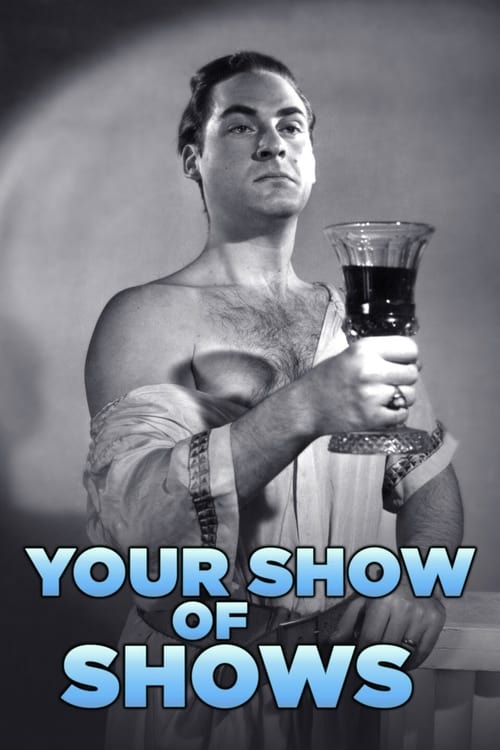
2. Your Show of Shows
Now, if you wanted laughs, and smart laughs at that, you tuned into "Your Show of Shows." Sid Caesar, Imogene Coca, Carl Reiner, Howard Morris – what a lineup! Live, remember, live television, every Saturday night. The sketches were sharp, the parodies spot-on, and the energy just crackled through the screen. It was sophisticated, truly a variety show that set the bar. And it gave us some of the best comedy writers this town has ever seen.
3. Playhouse 90
"Playhouse 90," what a concept. Ninety minutes, live or on film, every week, a brand-new play. This was serious business, mind you, with top-tier writers and actors. They tackled big themes, and sometimes it felt like watching a Broadway show unfold right in your living room. It was television trying to be art, reaching for something grander than just weekly entertainment. And some of those dramas, well, they stuck with you long after the credits rolled.
4. Route 66
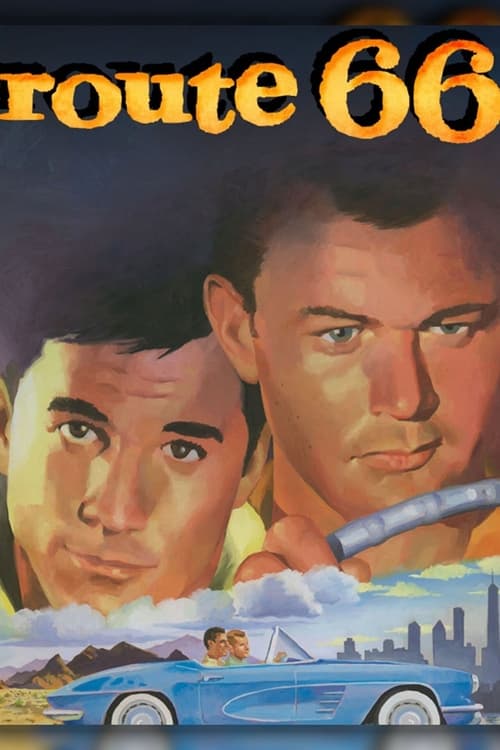
Two young fellas, Tod and Buz, later Tod and Linc, driving a Corvette across America, looking for answers, and finding trouble. "Route 66" was a travelogue and a drama all rolled into one. Shot entirely on location, like "Naked City," it brought the country into your living room. Each episode, a new town, new people, new problems. It explored themes of freedom and rootlessness, a real look at the changing face of America, and it pushed the boundaries of episodic storytelling.
5. The Outer Limits
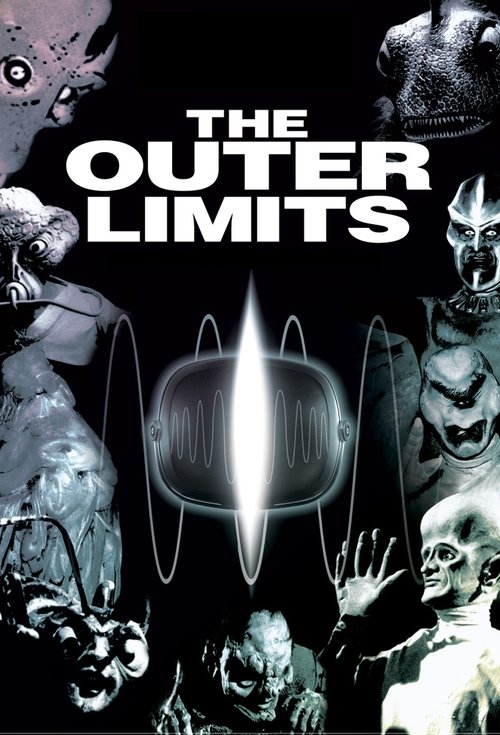
Don't adjust your set, because "The Outer Limits" was here to mess with your head. That opening narration, the creepy monsters, the scientific dilemmas. It wasn't just spooky for spooky's sake; it often had a brain behind the scares. Black-and-white, of course, which only amplified the stark, unsettling atmosphere. And the creature designs? Some of them still give you the shivers. It dared to be different, to explore the unknown, and it did it with style.

6. The Fugitive
Dr. Richard Kimble, wrongly accused, always running, always searching for the one-armed man. "The Fugitive" set the standard for serialized drama. Week after week, he'd arrive in a new town, help someone, almost get caught, then move on. You were on the edge of your seat, truly invested in his plight. And that finale? Everyone tuned in. It showed you could tell a long story, a *really* long story, across seasons, and keep audiences captivated.
7. The Prisoner
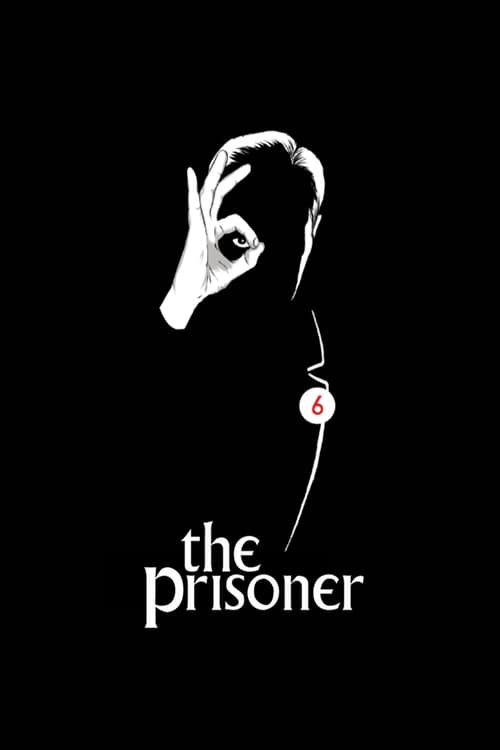
"The Prisoner," now that was something else entirely. Patrick McGoohan, Number Six, trapped in The Village, constantly trying to escape. It was surreal, cryptic, and often quite disturbing. Was it a spy show? A philosophical treatise? Nobody was quite sure, but you couldn't stop watching. The colorful sets, the Rover, the constant interrogation. It challenged what television could be, proving that viewers could handle ambiguity and complex ideas. A truly unique broadcast.
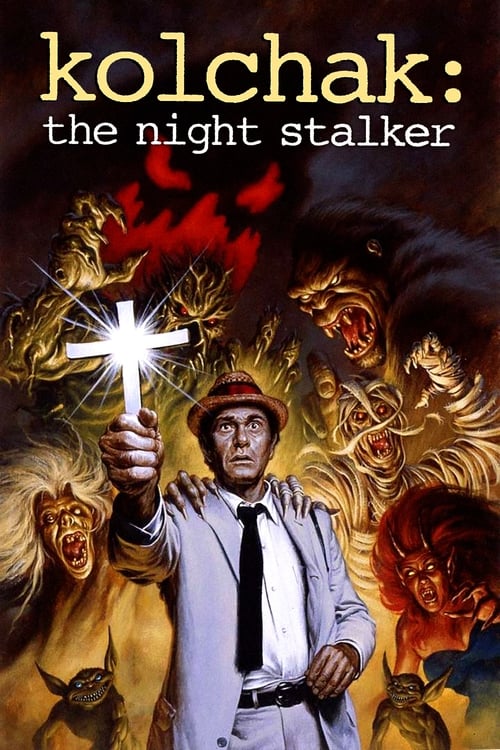
8. Kolchak: The Night Stalker
Carl Kolchak, the newspaper reporter who always found the monsters, but nobody ever believed him. "Kolchak: The Night Stalker" was a cult classic for a reason. It blended horror, mystery, and a surprising amount of dark humor, all while being anchored by Darren McGavin's fantastic performance. It was a procedural with a supernatural twist, establishing a template for future monster-of-the-week shows. And even though it was often silly, it could still deliver a genuine scare.