1. Max Headroom
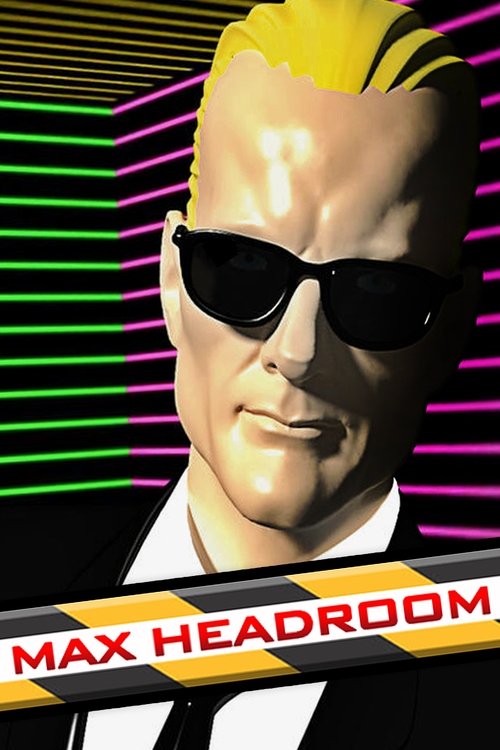
That glitchy, stuttering talking head was pure broadcast anarchy, a digitized sneer at the future. He wasn't just a character; he was a living warning about media saturation and corporate control, delivered with a smug, synthesized grin. The whole show felt like a pirate signal breaking through the network static, neon-drenched cyberpunk before we even knew what to call it. It warped my understanding of what TV could be, a true proto-Internet prophet.
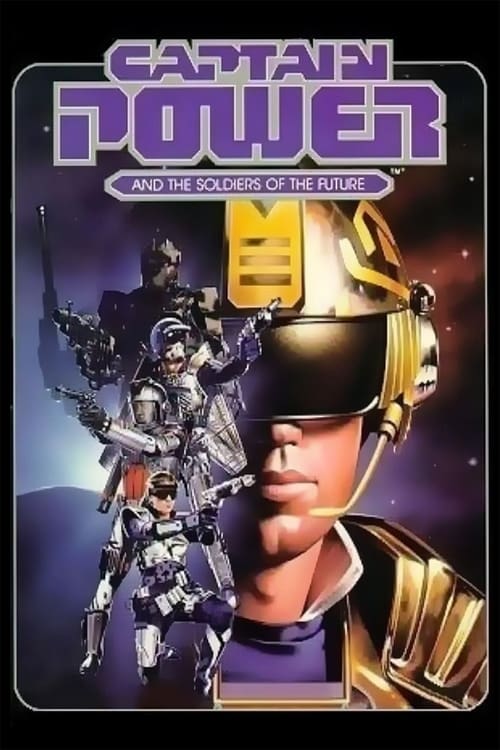
2. Captain Power and the Soldiers of the Future
Oh, man, that toy-interactive tech was a gimmick, sure, but the show itself? Dark. Post-apocalyptic future, giant robots, human resistance. It was Saturday morning cartoons trying to be *Blade Runner*. The practical effects for the Bio-Dreads and their transformation sequences were surprisingly unsettling for kid-friendly fare. It hinted at a grittier sci-fi landscape far beyond the brightly colored spandex of other shows.
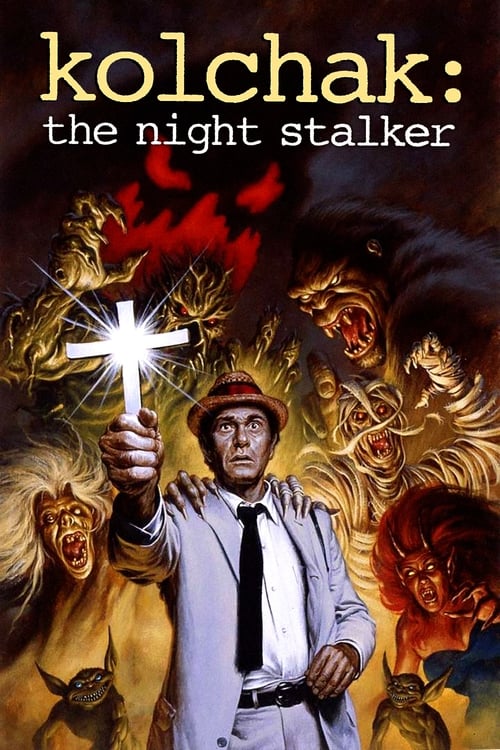
3. Kolchak: The Night Stalker
This wasn't slick. It was a rumpled reporter chasing ghouls and vampires with a flashbulb, usually ending up with no proof. The whole thing felt like a local news report gone wrong, a grainy, low-budget peek behind the curtain of reality. It showed that horror didn't need big budgets, just a good monster, a skeptical hero, and a city that didn't want to believe. Pure cult classic vibe.

4. Lexx
A living, planet-devouring spaceship, a dead assassin, a love-slave, and a robot head. *Lexx* was everything wrong and right with late 90s sci-fi. It was bizarre, horny, and utterly nihilistic, a real trashy space opera that pushed boundaries with its low-budget, high-concept weirdness. Every episode was a fever dream, proving that syndicated TV could get away with absolute madness.
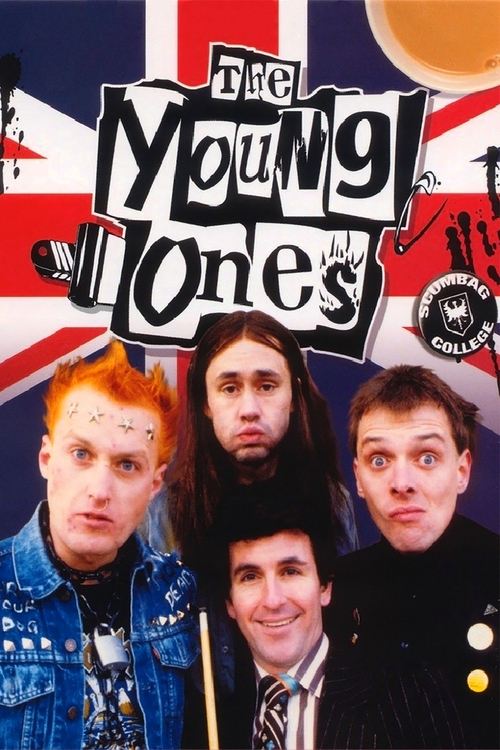
5. The Young Ones
British punk-rock squalor, student anarchists, and surreal violence. This wasn't sitcoms; this was a hand grenade thrown into the BBC schedule. The rapid-fire gags, the slapstick, the literal puppets and musical interludes – it was a beautiful, chaotic mess. It taught me that comedy didn't need a laugh track, just a willingness to burn down the set, preferably with a giant ham.
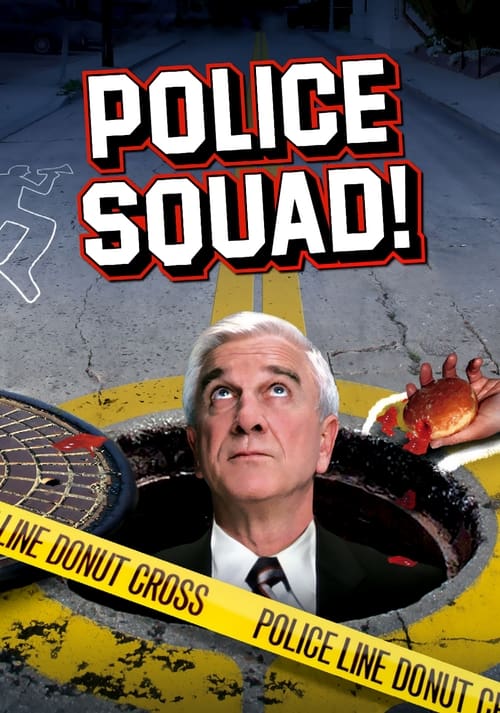
6. Police Squad!
Before *Naked Gun*, there was this. Rapid-fire sight gags, absurd non-sequiturs, and a deadpan delivery that made the ridiculous even funnier. They broke every rule of TV comedy, from the opening credits to the freeze-frame ending that never actually froze. It was a masterclass in anti-humor, showing how to satirize an entire genre by taking its tropes to their logical, insane conclusion.

7. Blake's 7
Forget pristine Starfleet uniforms. This was grubby space opera, a bunch of anti-heroes on the run from a totalitarian federation in a genuinely ugly ship. The sets were wobbly, the effects were dodgy, but the characters and their moral ambiguities were compelling. It was dark, cynical sci-fi that felt more real than the shiny American stuff, proving grit could be more powerful than glamour.
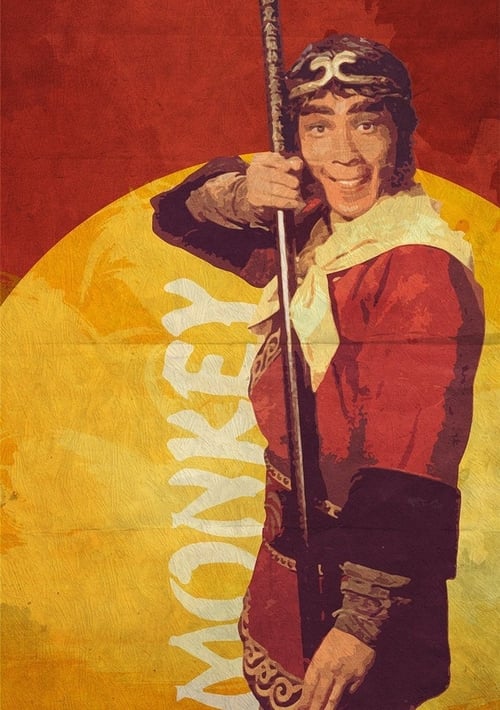
8. Monkey
That dubbed Japanese classic was a psychedelic trip. Monkey King, Pigsy, Sandy, and Tripitaka on a journey through ancient China, battling demons with kung fu and magic. The low-budget effects, the wild costumes, and the sheer, unadulterated camp made it essential viewing. It was weird, it was energetic, and it proved that cultural boundaries meant nothing when the story was this wild.