
1 / 8
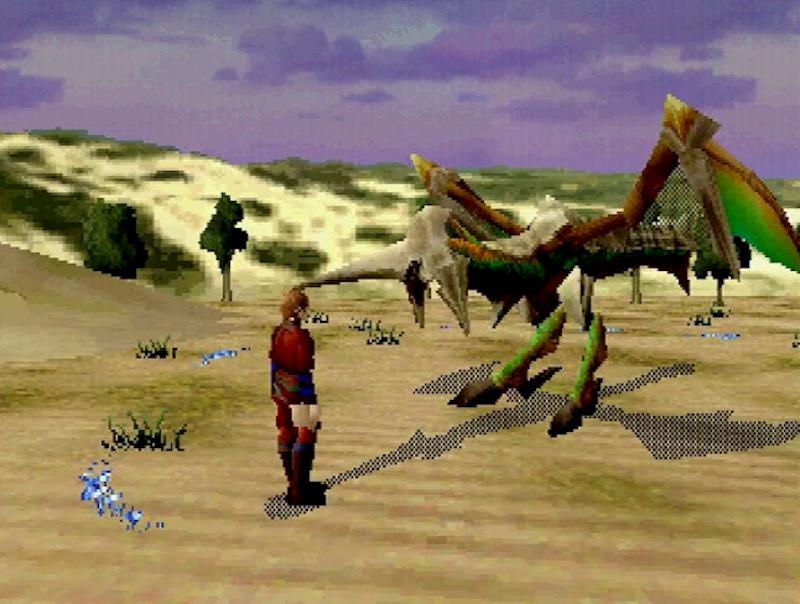
1. Panzer Dragoon Saga
This Sega Saturn swan song remains a masterclass in atmospheric world-building and unique RPG mechanics. Its seamless blend of on-rails shooting and turn-based combat, set against a desolate, beautiful backdrop, was ahead of its time. The narrative, exploring ancient mysteries and a dying world, captivated those who found it. Its rarity and the platform's commercial struggles meant its profound influence was felt by a devoted few, but its legacy as a bold, ambitious RPG is undeniable.
2 / 8
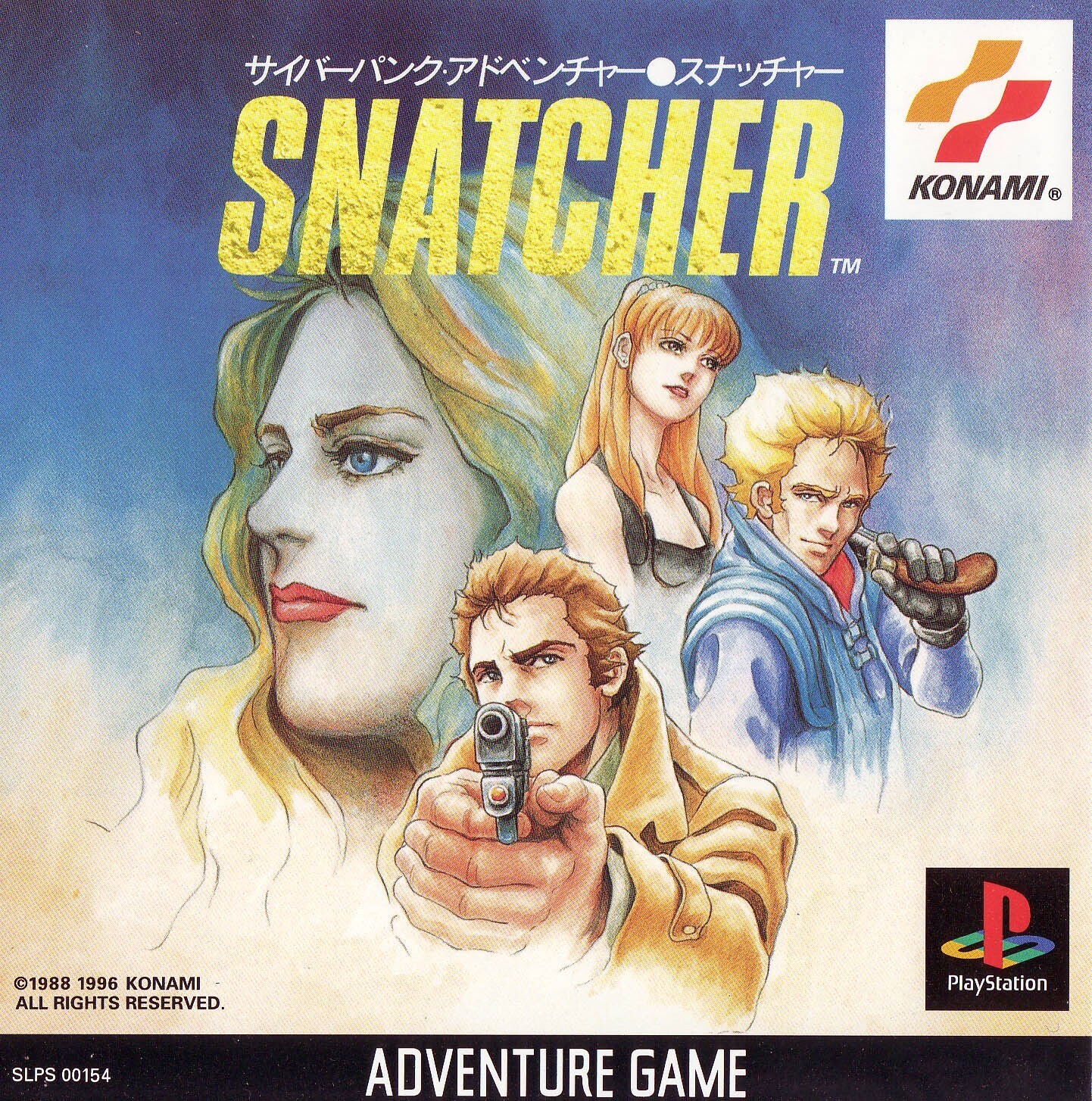
2. Snatcher
Hideo Kojima's cyberpunk adventure on the Sega CD was a masterclass in interactive storytelling. Its gritty, neo-noir world, inspired by Blade Runner, presented a detective tale steeped in paranoia and existential dread. The game pushed boundaries with its mature themes and cinematic presentation, laying groundwork for future narrative-driven experiences. Though niche, its detailed world and compelling mystery demonstrated the power of a well-crafted visual novel-style experience, influencing countless cyberpunk narratives that followed.
3 / 8
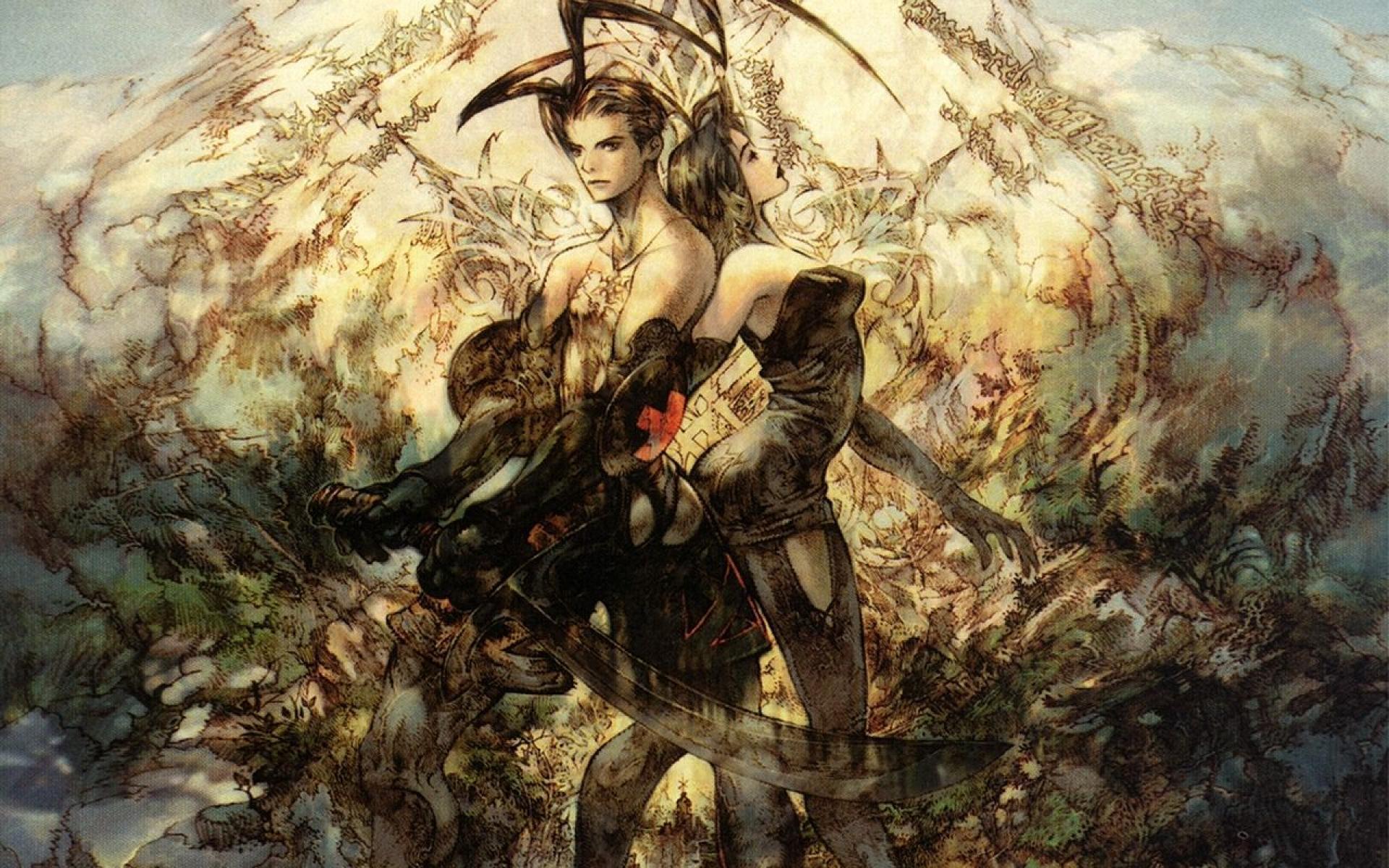
3. Vagrant Story (2000)
Square's PlayStation masterpiece stands out for its intricate combat system and dense, compelling narrative. Ashley Riot’s journey through the cursed city of Leá Monde was visually stunning, pushing the console's limits with its unique art direction and detailed environments. Combat, reliant on chaining attacks and targeting specific body parts, offered a depth rarely seen in action RPGs. Its mature tone and sophisticated mechanics made it a critical darling, demonstrating that complex gameplay and storytelling could coexist beautifully.
4 / 8

4. Terranigma
This SNES action RPG, never officially released in North America, stands as one of the genre's unsung heroes. It told an epic, philosophical tale of resurrection and human progress, where the player literally rebuilt the world. Its dark themes, exploring humanity's destructive tendencies alongside its creative power, offered a depth seldom found in 16-bit titles. The game’s emotional resonance and ambitious scope, while confined to PAL and NTSC-J regions, left an indelible mark on those who experienced its profound narrative.
5 / 8
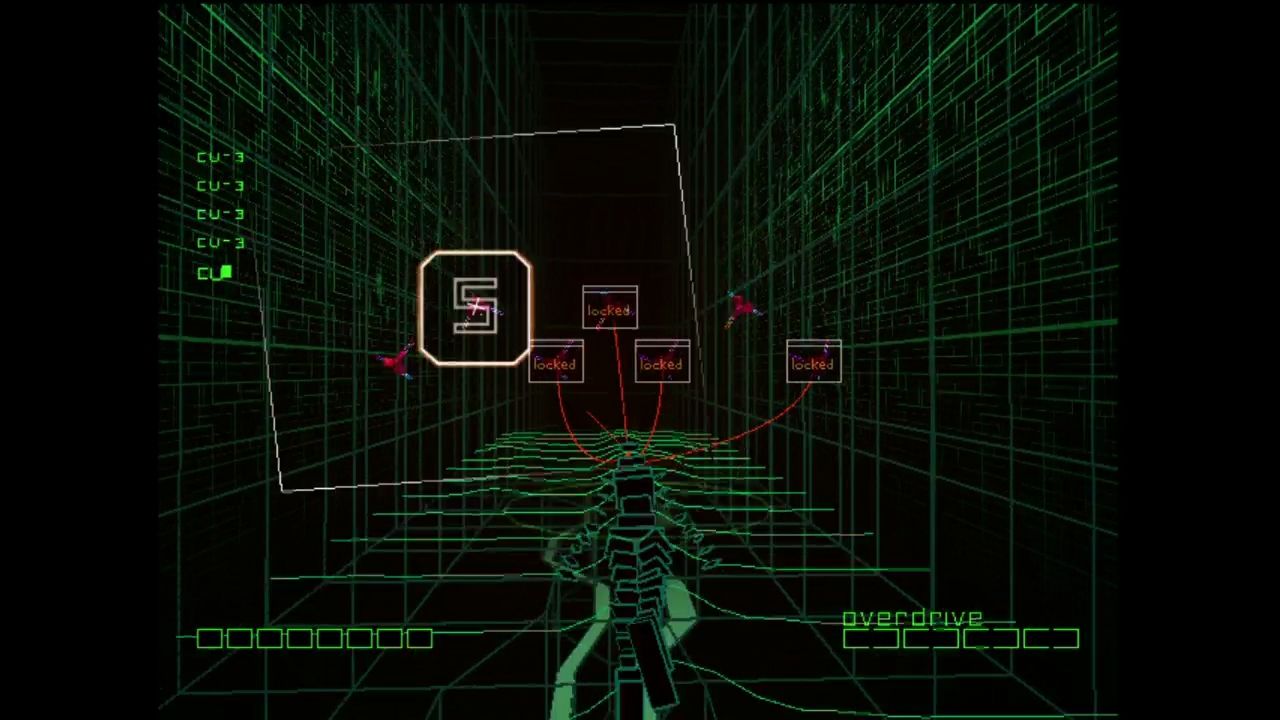
5. Rez
Rez was less a game and more a synesthetic experience. Its rhythm-action gameplay merged vibrant wireframe visuals with evolving electronic music, creating a hypnotic feedback loop between player input and audiovisual output. This Dreamcast/PS2 title transcended typical genre boundaries, proving games could be potent artistic expressions. While not a commercial giant, its innovative approach to immersion and sensory engagement inspired subsequent experimental and music-driven titles, subtly shifting perceptions of interactive art.
6 / 8
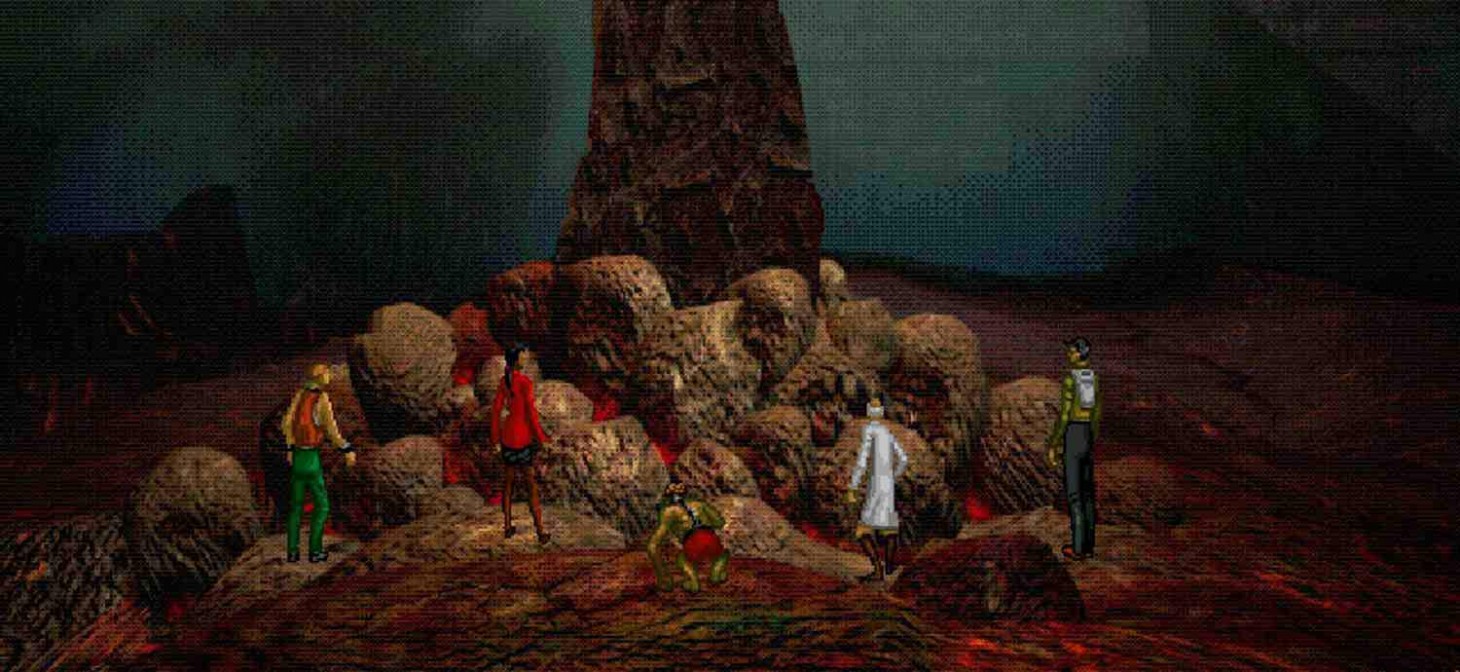
6. I Have No Mouth, and I Must Scream
Harlan Ellison’s adaptation of his own short story was a point-and-click adventure of unrelenting psychological horror. Players navigated a post-apocalyptic world under the tyrannical AI, AM, facing impossible moral dilemmas. This game didn't shy from exploring the darkest corners of human nature and suffering, using its narrative to provoke and disturb. Its uncompromising tone and mature themes pushed the boundaries of interactive storytelling, proving games could be deeply unsettling and thought-provoking without relying on jump scares.
7 / 8
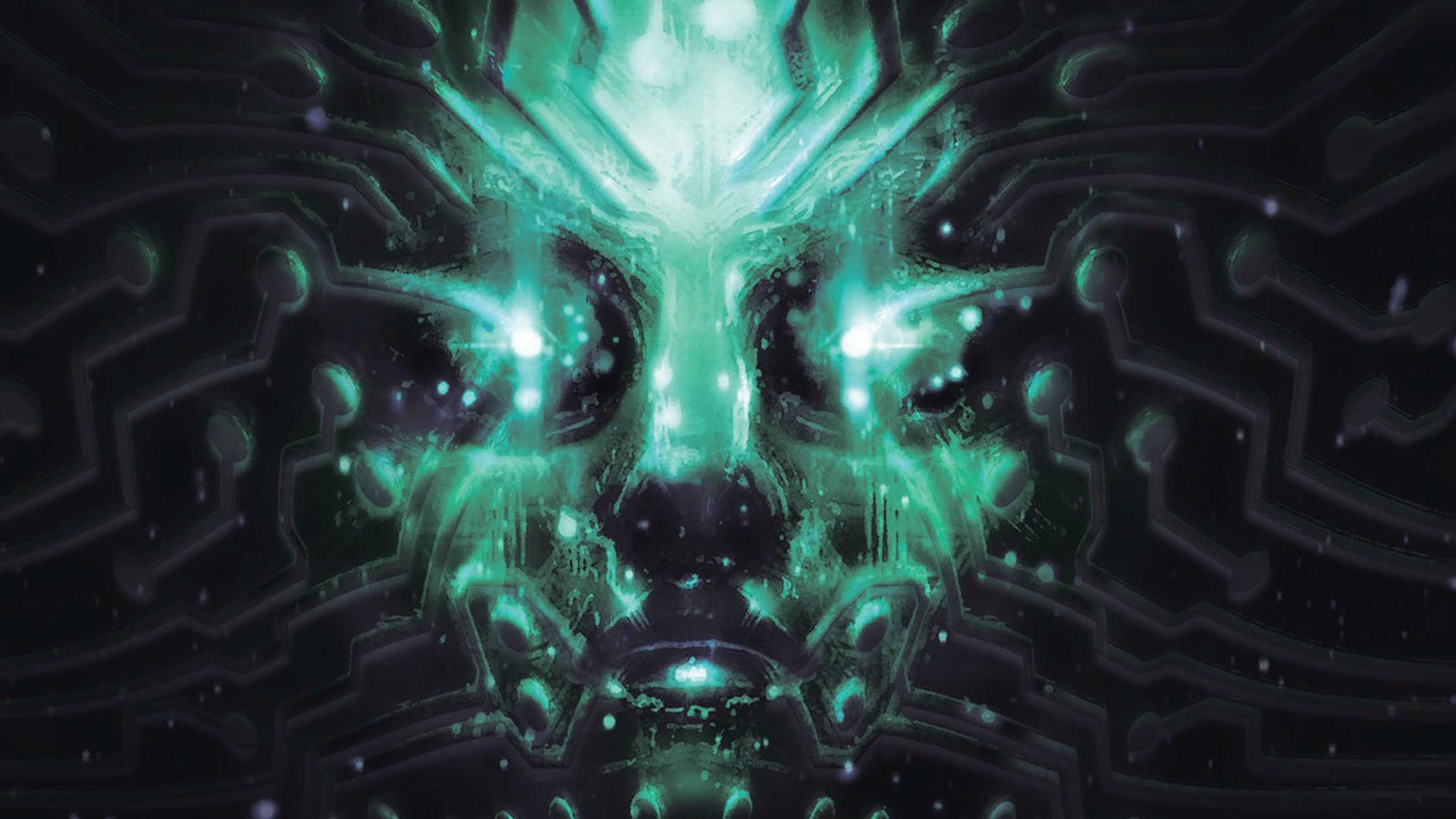
7. System Shock
Before there was BioShock, there was System Shock. This PC classic redefined immersive simulation, blending first-person shooter action with RPG elements and a compelling narrative set on a rogue space station. Its emergent gameplay, freedom of exploration, and the chilling AI antagonist SHODAN created an unparalleled sense of dread and agency. System Shock’s design philosophies, emphasizing environmental storytelling and player choice, became foundational for an entire lineage of games, even if its direct impact was initially on a dedicated PC audience.
8 / 8
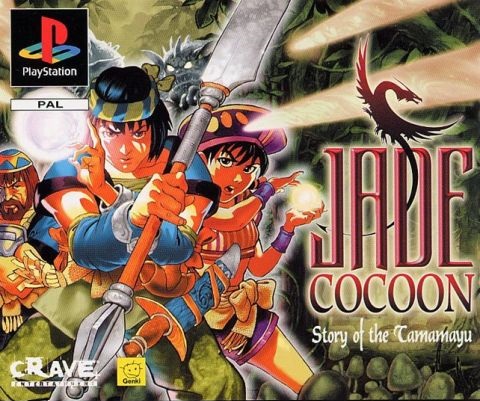
8. Jade Cocoon: Story of the Tamamayu
This PlayStation RPG offered a distinctive monster-capturing experience long before many others gained prominence. Its unique silk-weaving mechanics allowed players to fuse captured beasts, creating an astonishing array of custom creatures with diverse abilities and appearances. The game’s lush, Ghibli-esque art style and focus on nature spirits gave it a serene, almost meditative quality. While overshadowed by contemporaries, its innovative monster fusion system and dreamlike aesthetic provided a quiet, influential template for creature-collecting games.