
1. Planescape: Torment
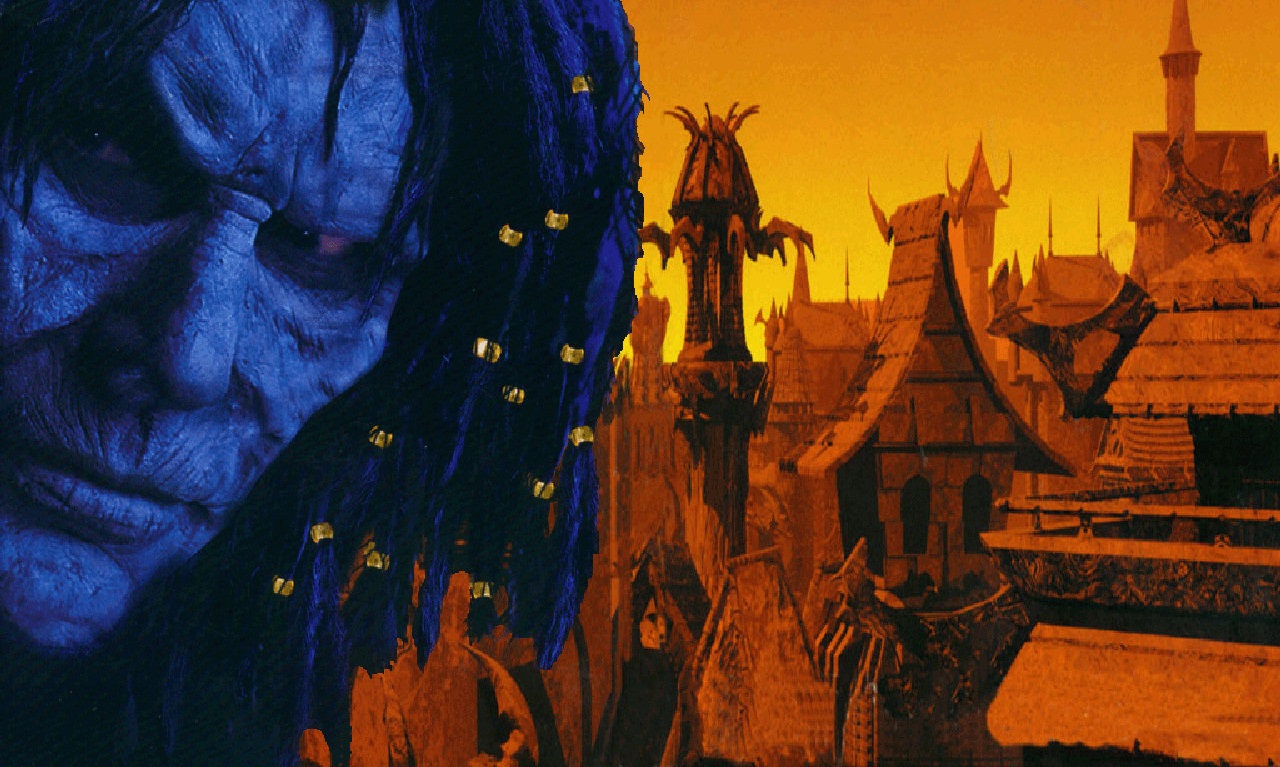
This RPG from 1999 challenged everything players expected from the genre. Instead of a hero's journey, you played an amnesiac immortal with a past riddled with suffering. Its strength lay in its philosophical writing, where combat was often secondary to conversation and moral dilemmas. It proved that games could tackle profound themes, leaving an indelible mark on narrative design that few have truly matched since.
2. Eternal Darkness: Sanity's Requiem
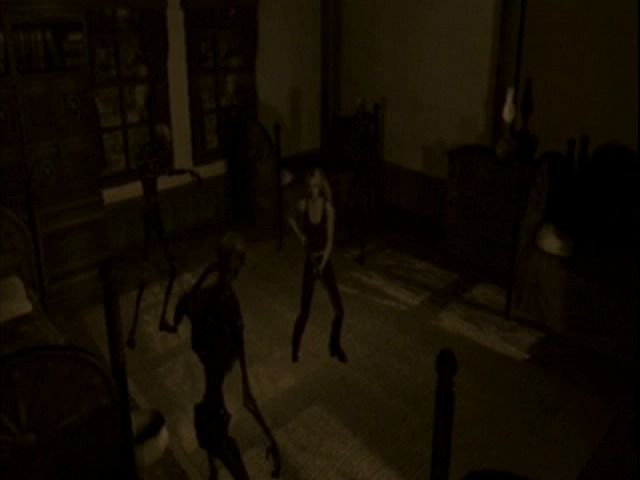
Released on the GameCube, this horror title masterfully manipulated player perception. Its innovative "Sanity Meter" led to fourth-wall-breaking effects, from fake error messages to corrupted save files, making you question your own mind as much as the protagonist's. It wasn't just about jump scares; it was an exercise in psychological dread, a unique experience that continues to influence how developers approach horror.
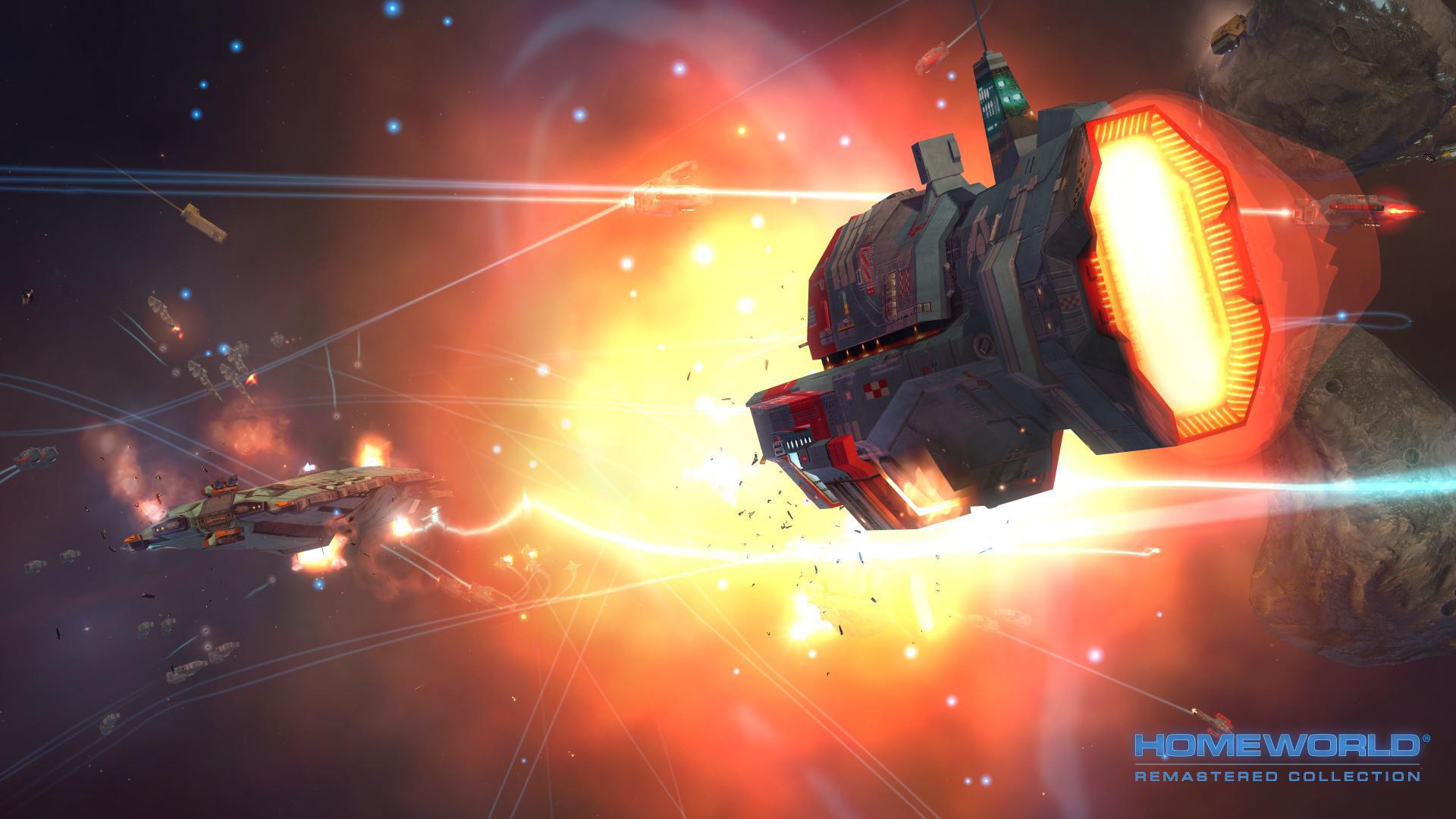
3. Homeworld Remastered Collection
The 2015 Remastered Collection breathed new life into a strategic masterpiece. It brought the original Homeworld's breathtaking 3D space combat and epic narrative to modern audiences with stunning visual fidelity. Managing your fleet across vast, empty expanses, meticulously planning hyperspace jumps and resource gathering, felt grand and lonely. It cemented Homeworld's legacy as a benchmark for real-time strategy in space.
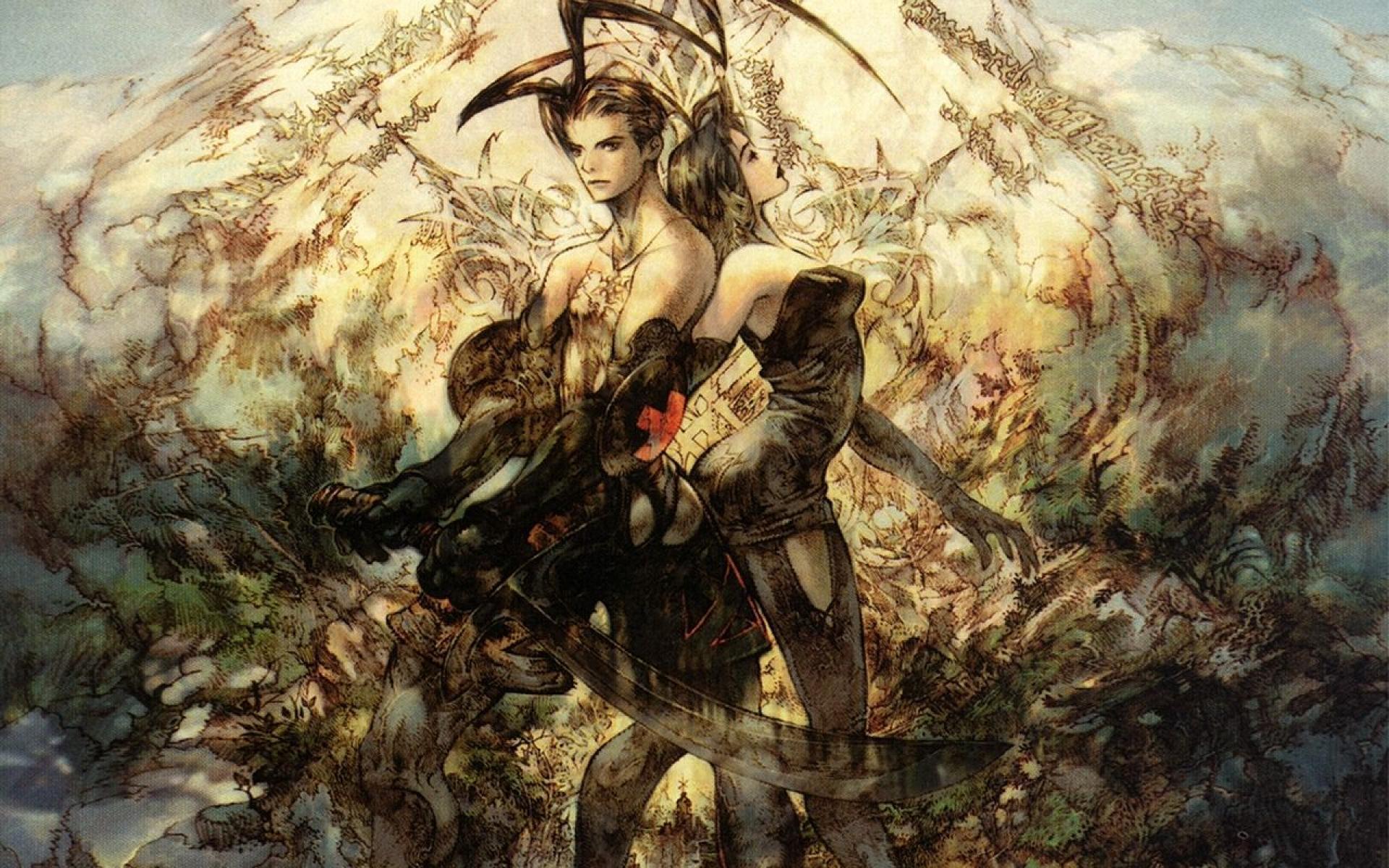
4. Vagrant Story (2000)
Squaresoft's 2000 PlayStation title was an intricate beast. Set in a dark fantasy world, it blended action RPG mechanics with complex weapon customization and a unique chain combat system. There was no magic, just skill and strategy against formidable foes. Its mature, convoluted narrative and distinctive art style made it a cult classic, demonstrating a creative ambition rarely seen in console RPGs of its era.
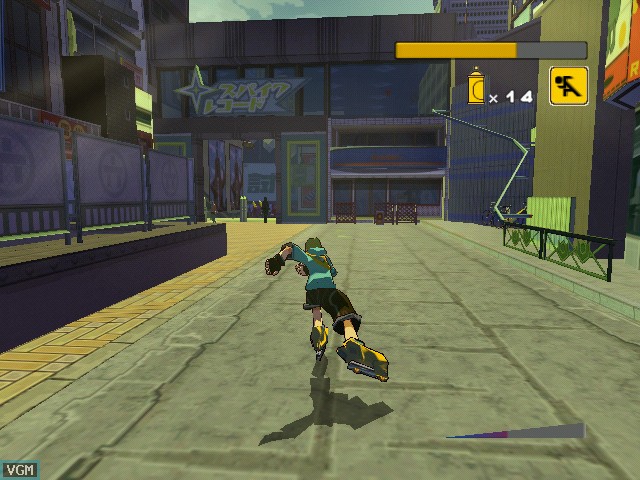
5. Jet Set Radio Future
The Xbox exclusive sequel built upon its Dreamcast predecessor's vibrant cel-shaded style and infectious soundtrack. Roaming a futuristic Tokyo as part of a graffiti gang, grinding rails and pulling off tricks, felt effortlessly cool. It perfected the open-world flow, focusing on exploration and expression rather than strict objectives. Its aesthetic and carefree attitude continue to inspire games that prioritize style and music.
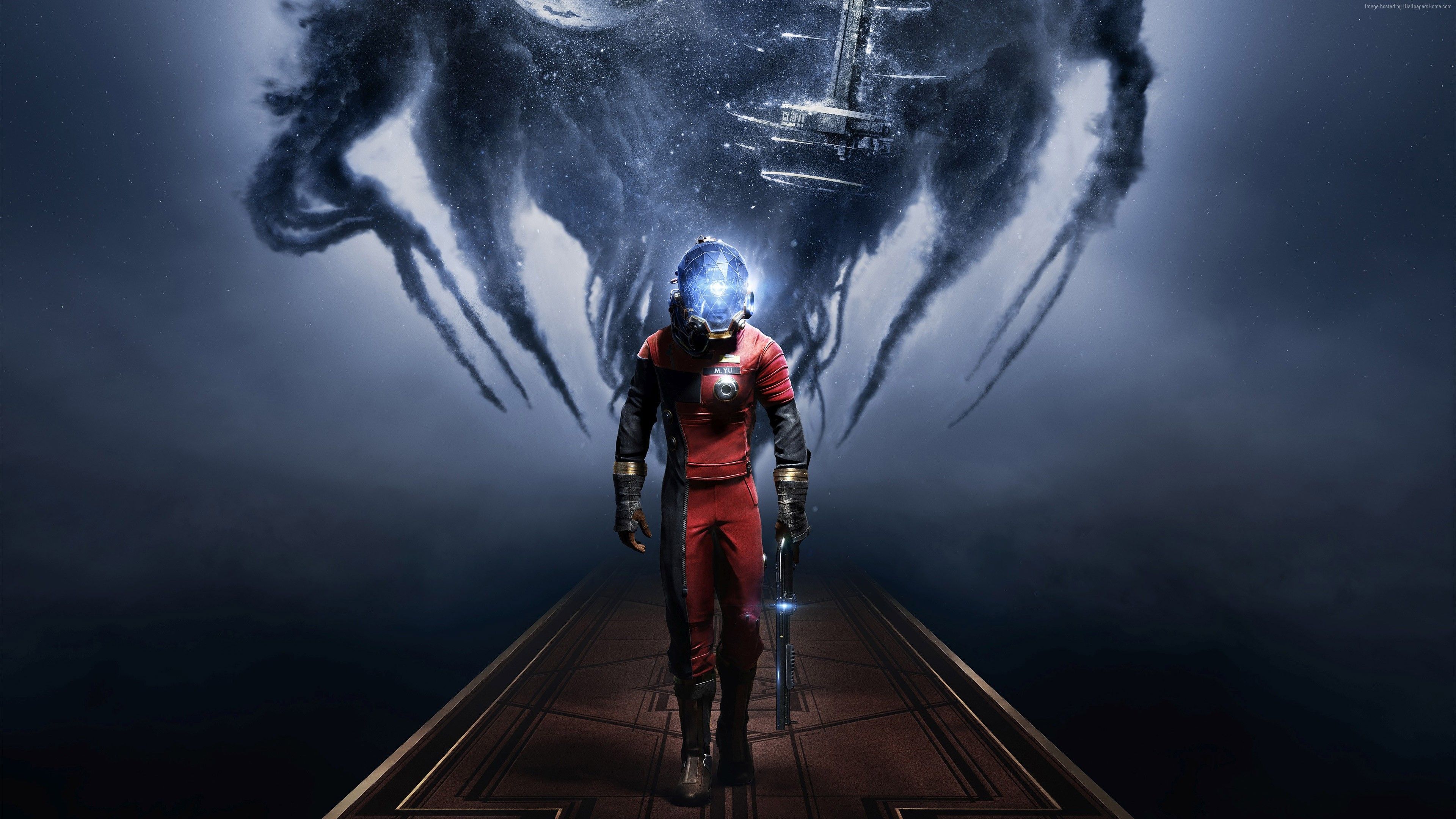
6. Prey
Arkane Studios' 2017 reboot was an immersive sim par excellence. Stranded on a space station overrun by a hostile alien entity, players navigated a dense, interconnected environment, using ingenuity and an array of alien powers. It offered unparalleled player agency, encouraging creative problem-solving and environmental manipulation. Prey proved that the immersive sim genre still had profound experiences to offer.
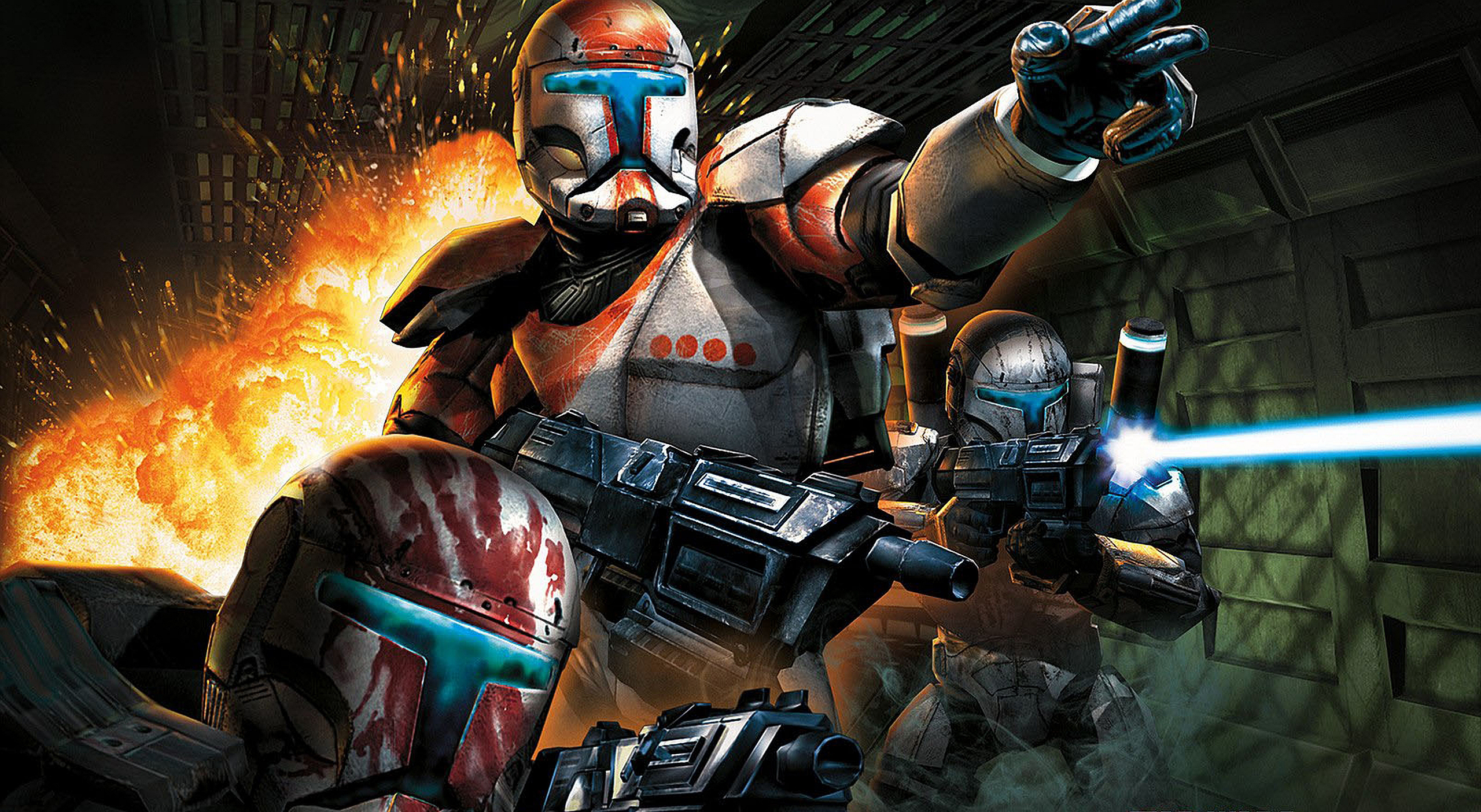
7. Star Wars: Republic Commando
This 2005 tactical first-person shooter offered a grittier, more grounded perspective on the Star Wars universe. Leading a squad of elite clone commandos, players issued precise commands, emphasizing strategy over run-and-gun heroics. It presented a darker, almost military simulation, portraying the clones as hardened soldiers rather than disposable cannon fodder. Its influence on squad-based shooters is undeniable.
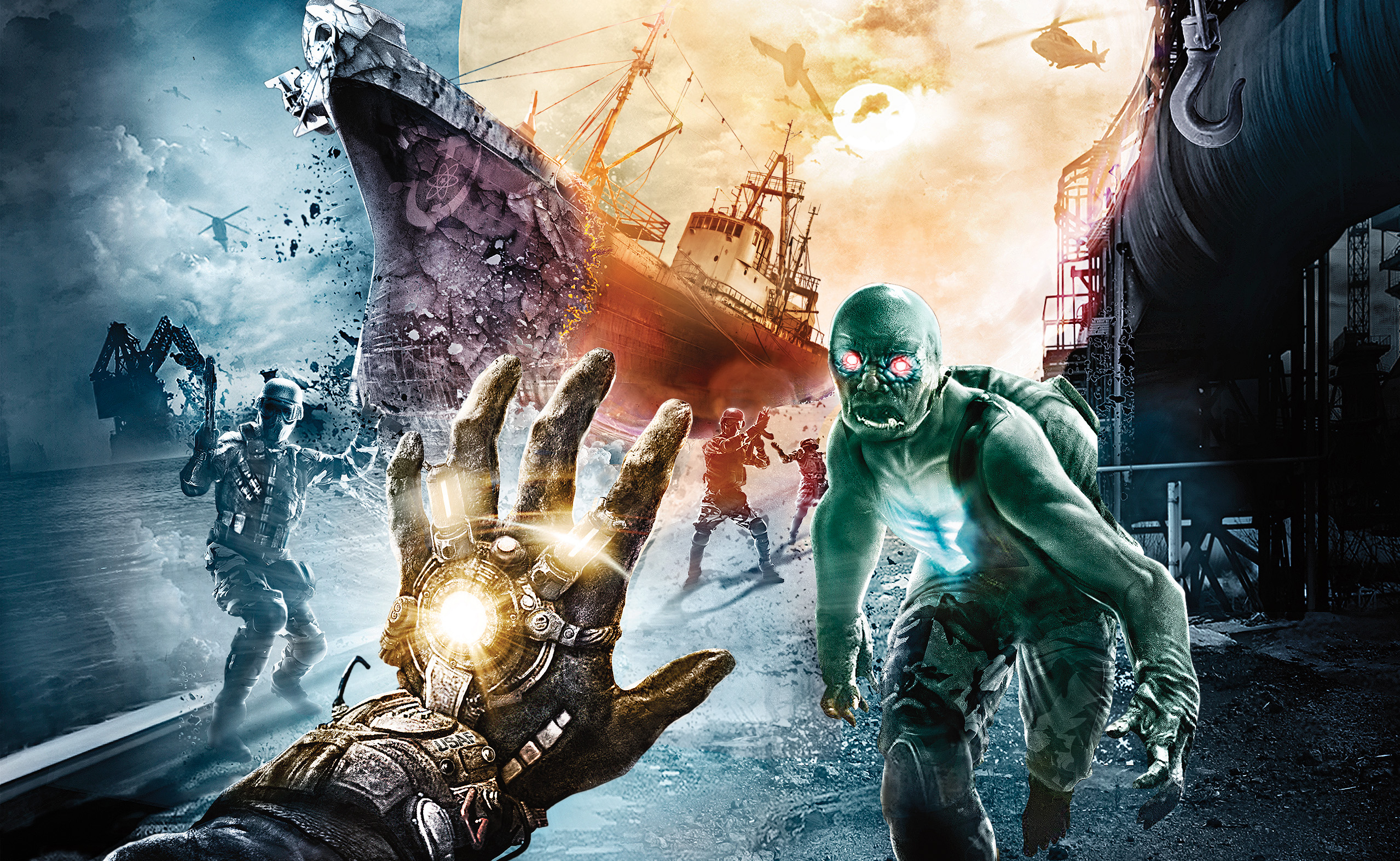
8. Singularity
Raven Software's 2010 FPS was a sleeper hit, featuring a compelling blend of time manipulation mechanics and classic shooter action. Trapped on a mysterious Soviet island, players used a "Time Manipulation Device" to age and de-age objects and enemies, creating unique combat and puzzle scenarios. It delivered satisfying gunplay coupled with clever environmental interactions, demonstrating how a singular mechanic can elevate a game.