1 / 8

1. Street Fighter II: The World Warrior (1991)
Street Fighter II wasn't just a game; it was a cultural event, igniting arcades worldwide and setting the gold standard for fighting games. Its cast of iconic characters, each with distinct styles, became household names. This wasn't merely about button mashing; it demanded strategy and quick reflexes, fostering a vibrant competitive scene that profoundly shaped gaming's trajectory and influence.
2 / 8
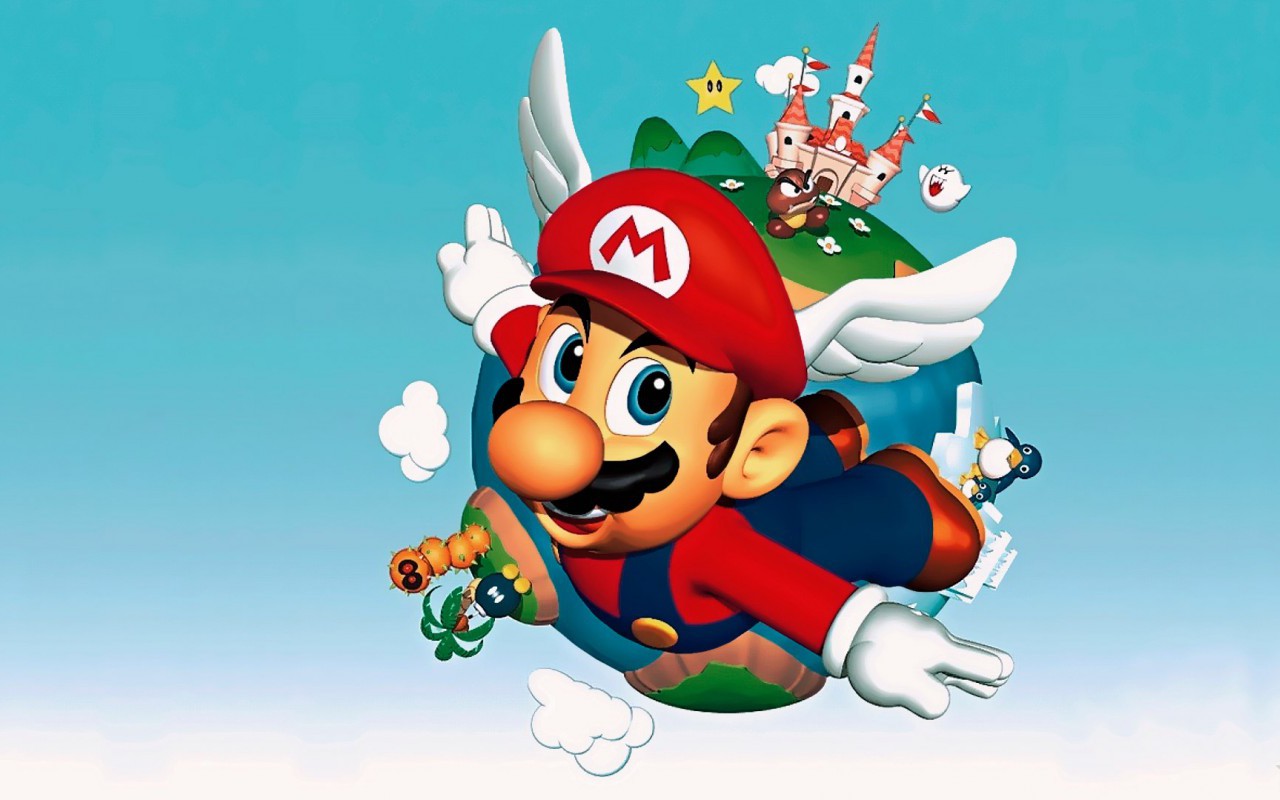
2. Super Mario 64
Super Mario 64 didn't just introduce Mario to a third dimension; it redefined how players interacted with virtual worlds. Its open-ended level design and fluid controls were a masterclass in 3D game mechanics, influencing countless titles that followed. It showed us what was possible when a beloved character leaped from 2D sprites into sprawling, explorable environments, marking a true paradigm shift.
3 / 8
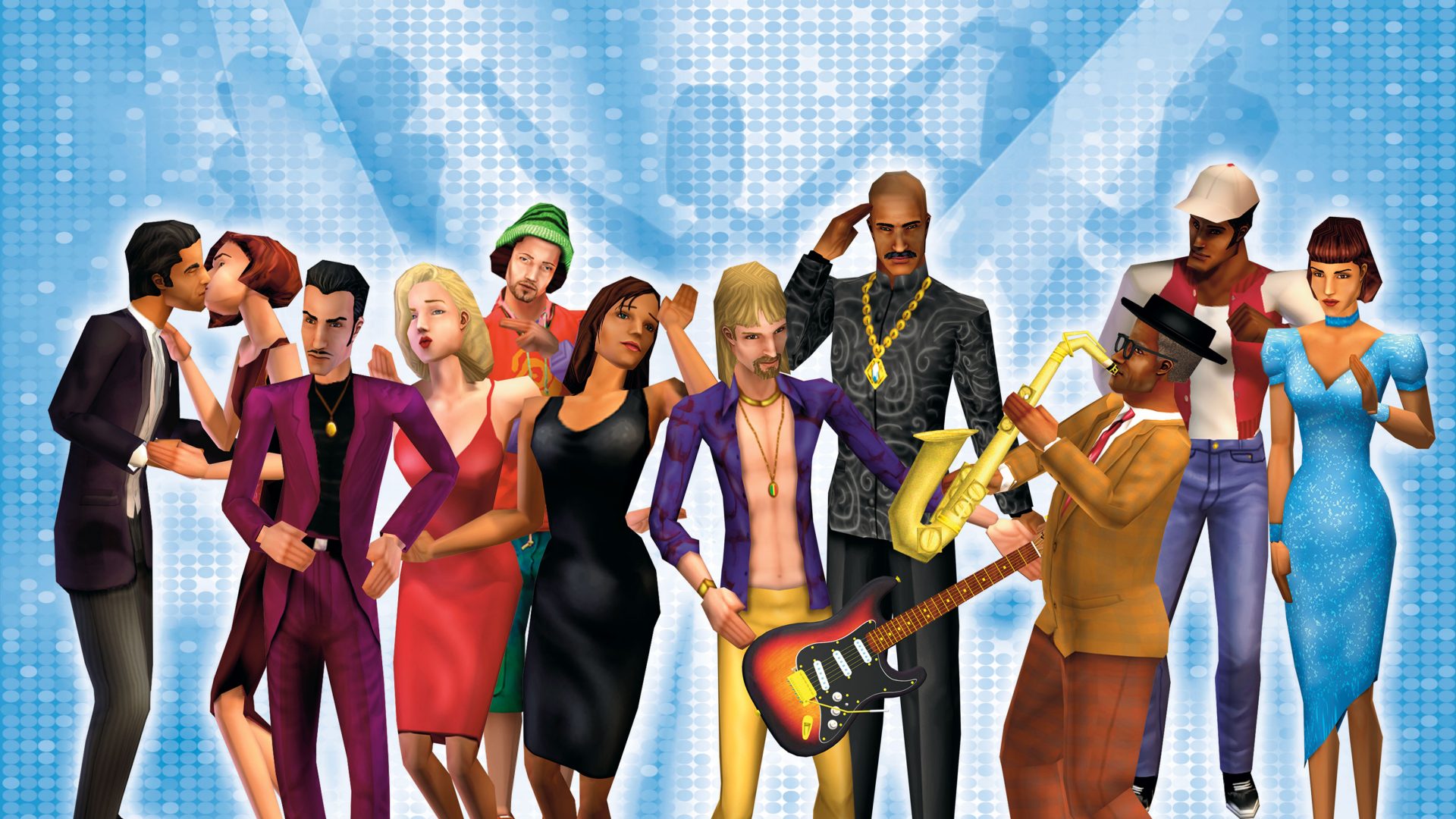
3. The Sims
The Sims tapped into a primal human desire: to create and control. It wasn't about winning or saving the world; it was about building lives, furnishing homes, and navigating social dynamics. This digital dollhouse broke down barriers, attracting a massive, diverse audience and proving that games could be deeply personal, reflective, and endlessly creative, far beyond typical action tropes.
4 / 8
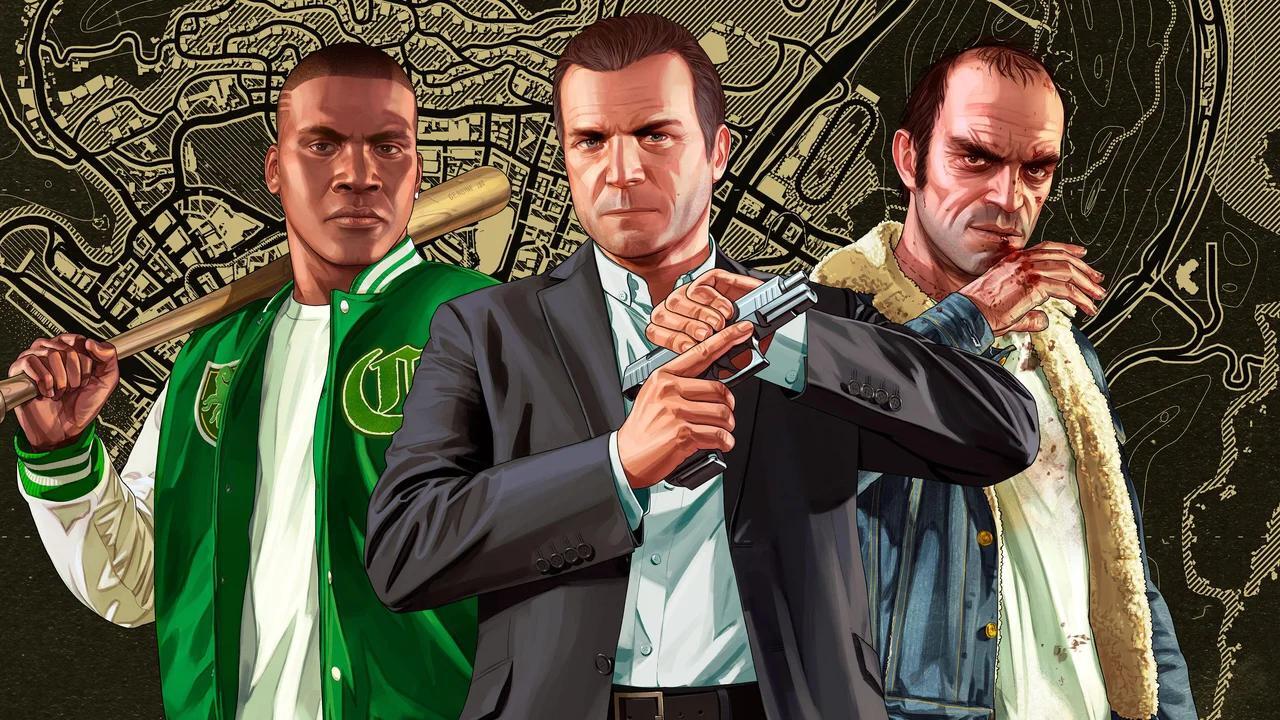
4. Grand Theft Auto V
Grand Theft Auto V was more than a blockbuster; it became a cultural touchstone, a sprawling digital sandbox for chaos and narrative. Its sharp satire of American life, coupled with an unprecedented sense of freedom and scale, captivated millions. The enduring success of its online component transformed it into a persistent social space, demonstrating gaming's power as a dynamic, evolving platform.
5 / 8
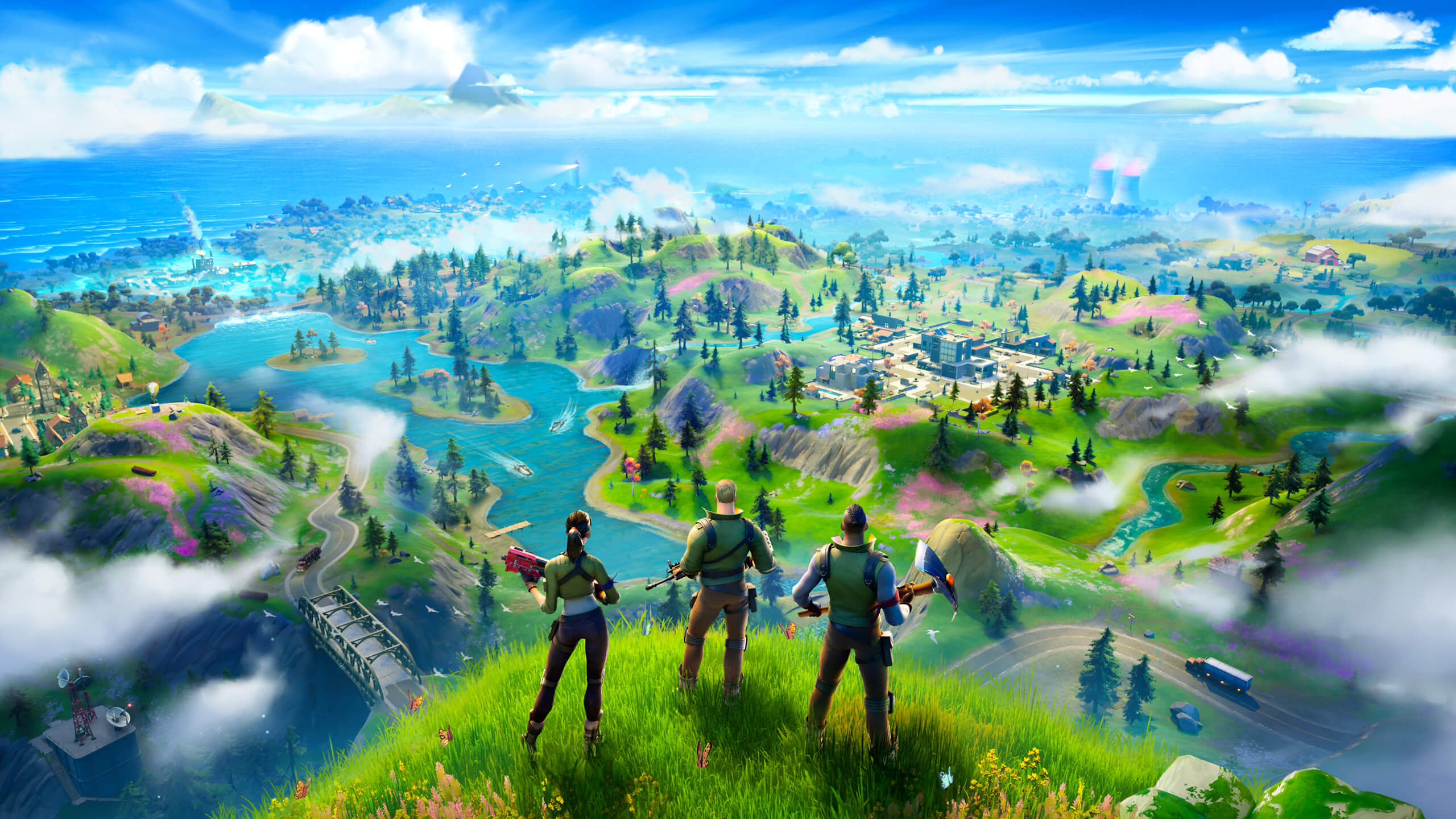
5. Fortnite Battle Royale
Fortnite didn't just popularize the Battle Royale genre; it became a global phenomenon, a digital playground where millions converged daily. Its free-to-play model, accessible across nearly every device, democratized gaming. But its true genius lay in its relentless stream of cultural crossovers and viral dance emotes, cementing its place not just as a game, but as a genuine social and cultural hub.
6 / 8
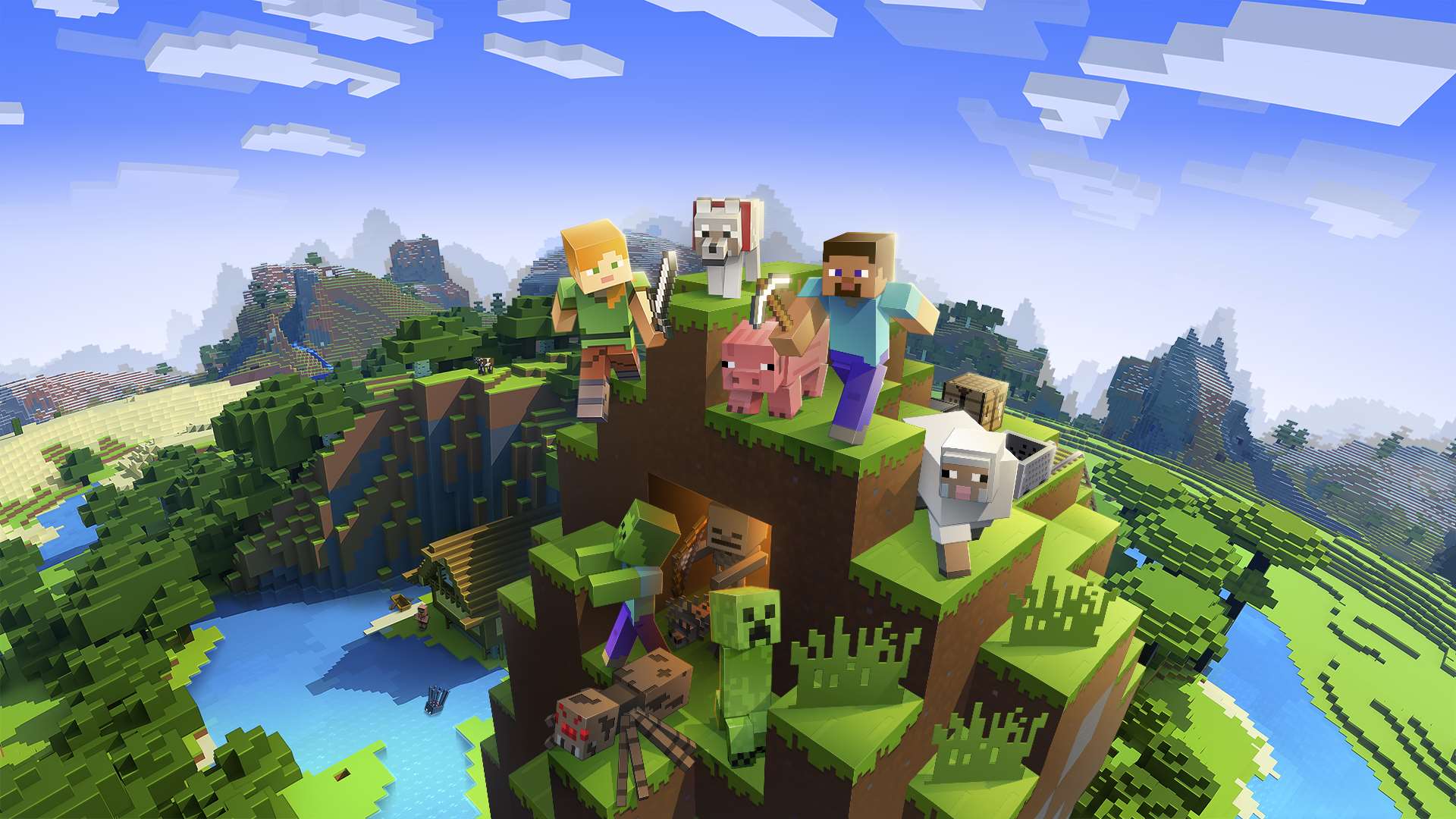
6. Minecraft
Minecraft transcended mere gaming; it became a universal language of creativity. Its simple, blocky aesthetic belied an infinite canvas for imagination, empowering players to build anything they could conceive. From educational tools to architectural marvels, its impact is unparalleled, fostering a sense of boundless possibility that continues to captivate new generations, solidifying its legacy as a cultural pillar.
7 / 8
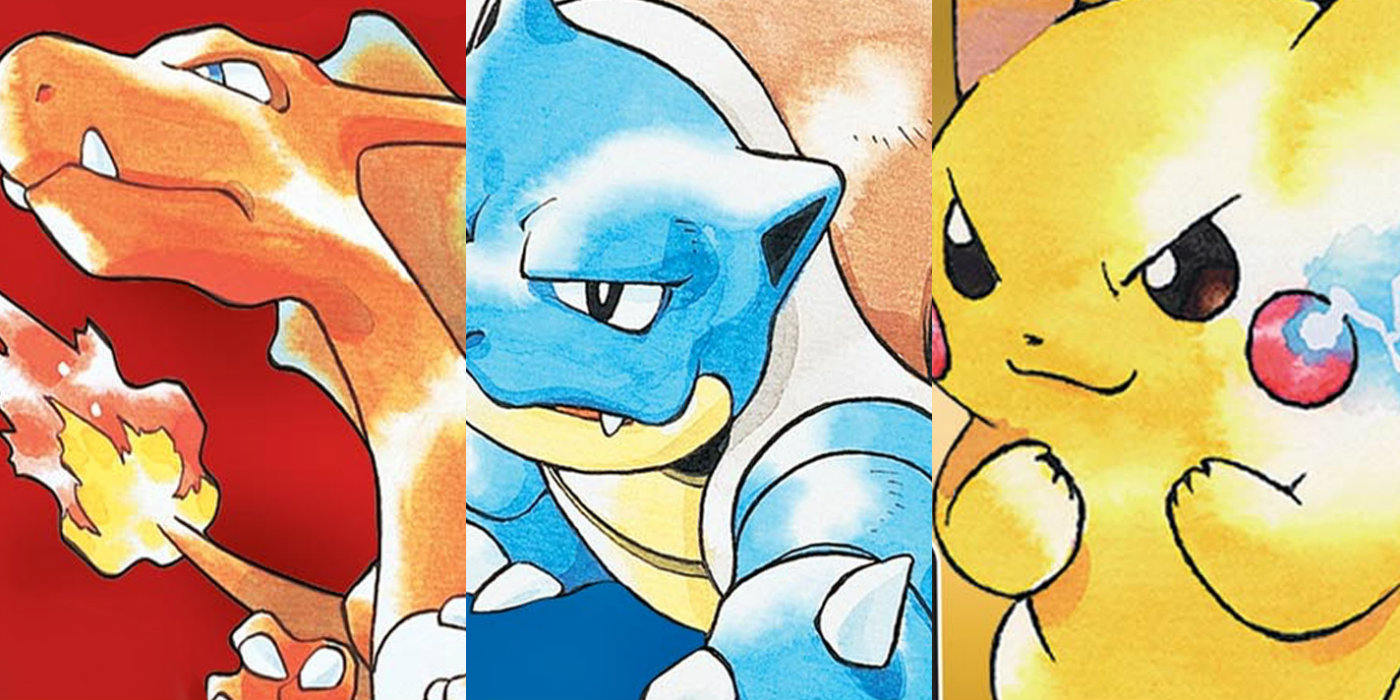
7. Pokémon Red, Blue, Yellow
Pokémon Red, Blue, and Yellow weren't just games; they were a cultural blueprint. The simple, compelling loop of catching, training, and battling creatures spawned a global phenomenon that permeated every facet of popular culture. It fostered a unique social dynamic, encouraging real-world interaction through trading and battling, cementing its place as an absolute titan in gaming history.
8 / 8
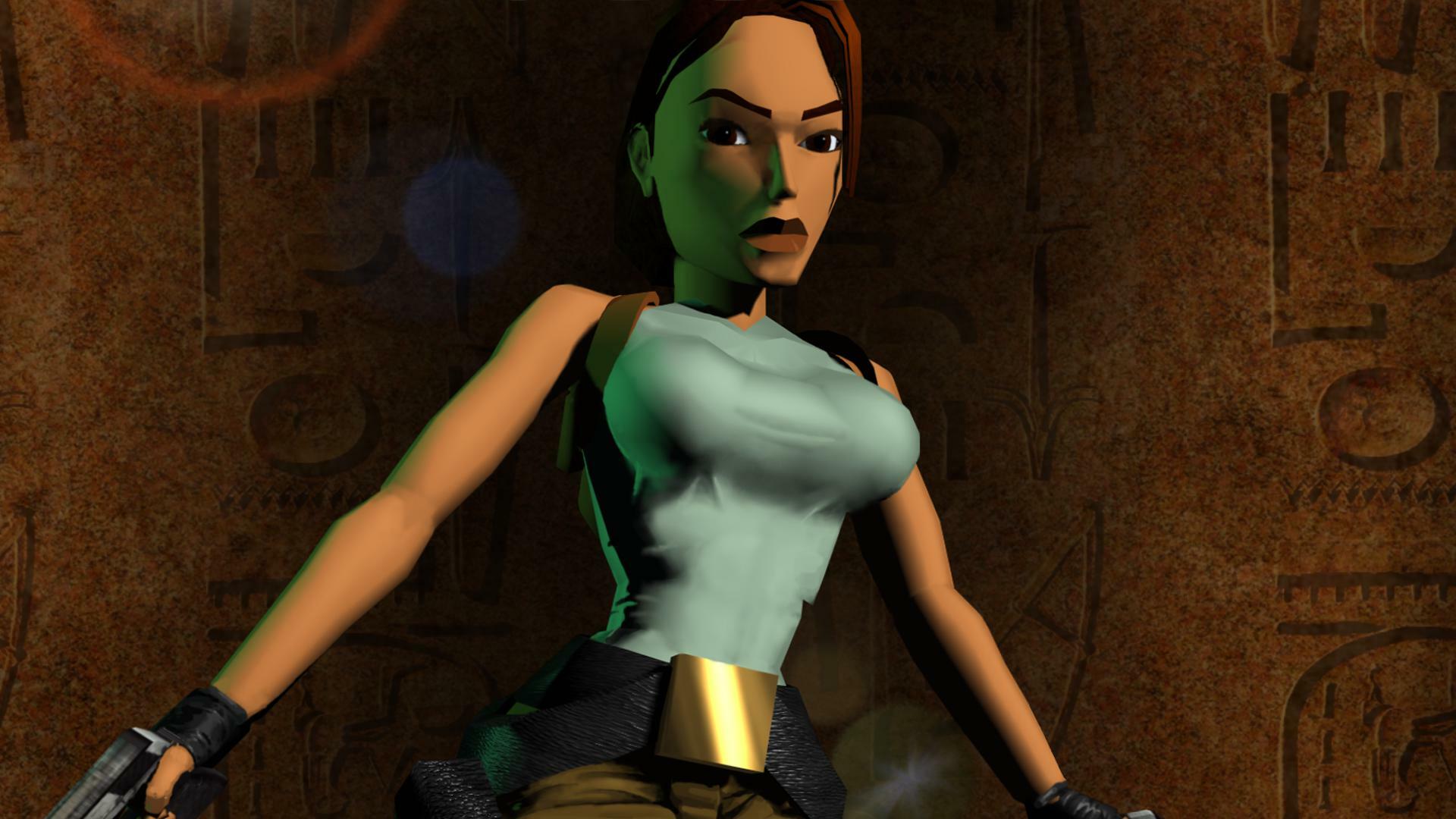
8. Tomb Raider
Tomb Raider introduced Lara Croft, an adventurous archaeologist who instantly became one of gaming's most recognizable figures. She wasn't just a character; she was a cultural icon, challenging perceptions of female protagonists in a male-dominated medium. The game itself pushed boundaries with its 3D environments and puzzle-platforming, establishing a template for action-adventure that echoed for decades.