

1. Mortal Kombat
Before ray-tracing was even a fever dream, Mortal Kombat carved its niche with brutal fatalities and a roster of iconic fighters. It proved that distinct character design and groundbreaking, albeit gory, mechanics mattered far more than photorealism. Modern devs chasing graphical fidelity often forget that a game's soul, its unique hook, is what truly builds a lasting legacy, not just how shiny the blood looks or how many particles are rendered. It's about identity, pure and simple.

2. The Witcher 3: Wild Hunt
CD Projekt Red’s masterpiece wasn't just a pretty face; it was a masterclass in world-building and narrative consequence. Geralt’s journey, rife with morally grey choices and unforgettable side quests, showed that a deep, interconnected world and compelling characters trump endless busywork. It stands as a stark reminder that true immersion comes from substance, not just polygons, a lesson some open-world studios could stand to relearn when they prioritize scale over genuine player engagement and story.

3. Grand Theft Auto V
Say what you will about Rockstar's endless re-releases, but GTA V's single-player campaign and its sprawling, satirical Los Santos proved that a living, breathing world with sharp writing and engaging characters creates an unparalleled sandbox. It wasn't just about high fidelity; it was about the freedom, the chaos, and the unforgettable moments players created organically. A stark contrast to games that launch half-baked, hoping live service mechanics and microtransactions will somehow save them.
4. Red Dead Redemption 2
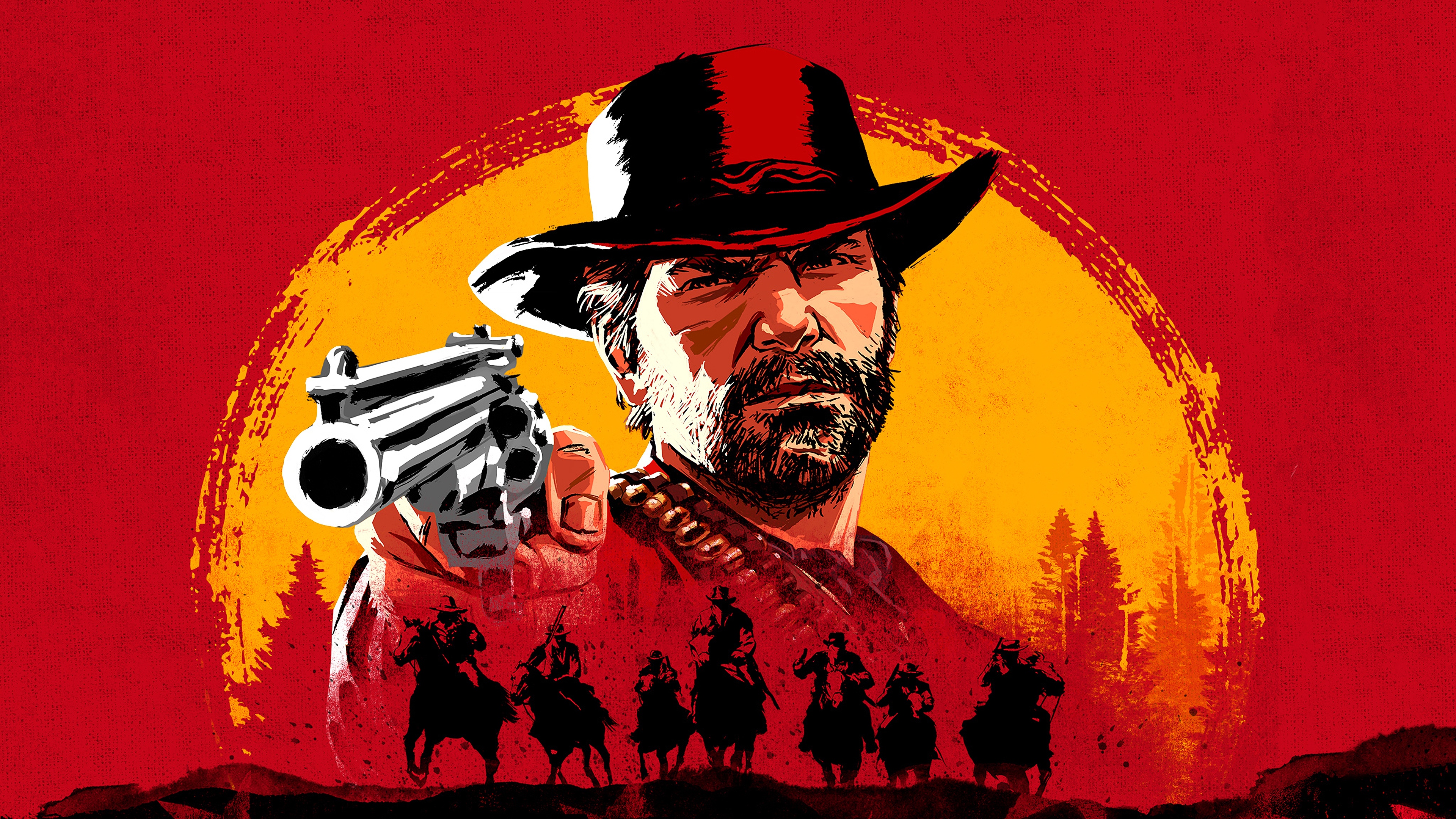
Arthur Morgan's tragic tale is a benchmark for narrative immersion, proving that meticulous world detail and profound character development can elevate a game far beyond its visual prowess. Its slower pace and dedication to realism made the world feel lived-in, not just rendered beautifully. Many devs today rush to push out content, but RDR2 showed that sometimes, the true value lies in letting players breathe and truly *exist* in a meticulously crafted digital space, building genuine connection.
5. BioShock
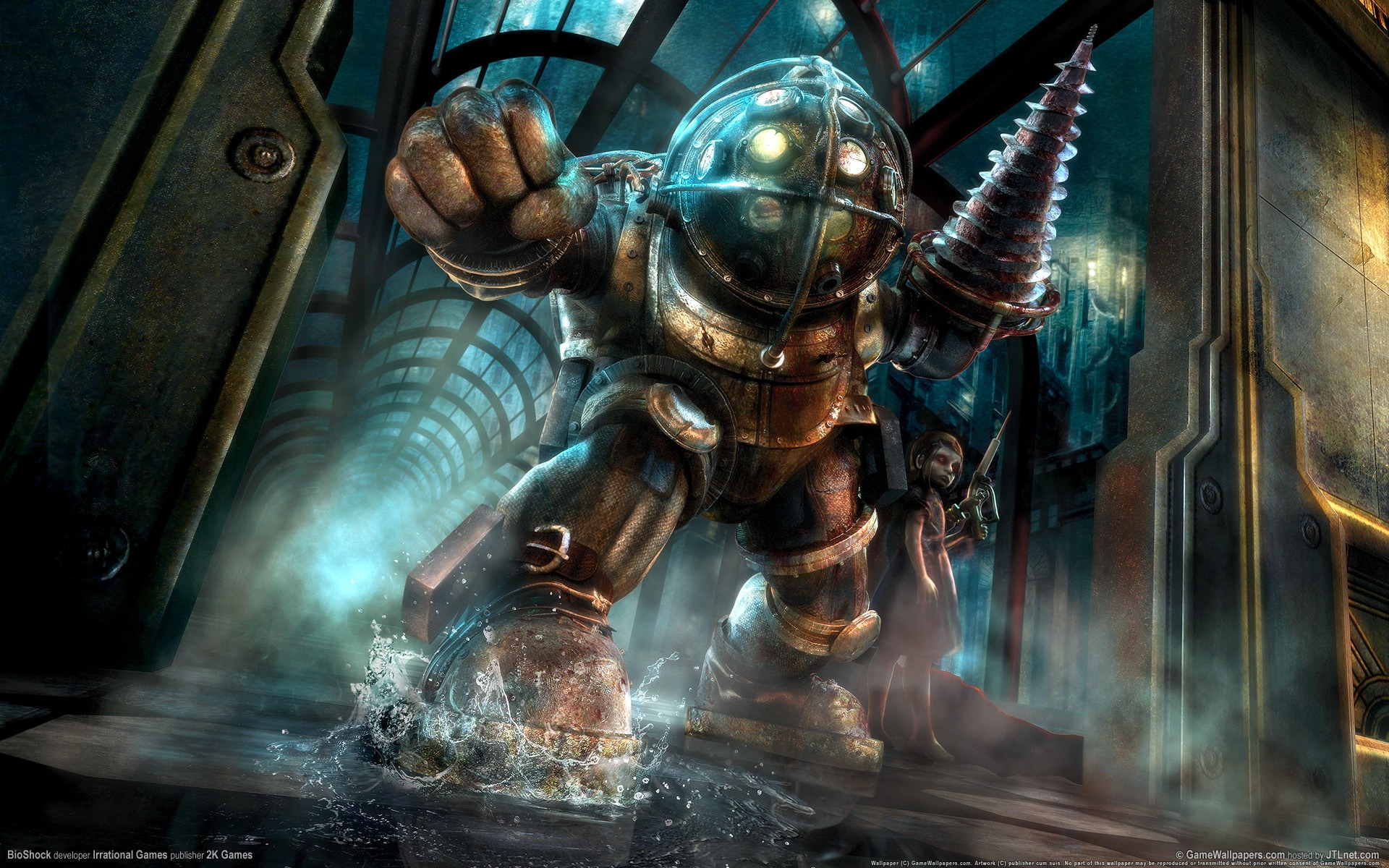
Walking through Rapture for the first time wasn't just seeing pretty graphics; it was stepping into an unparalleled atmosphere, a philosophical nightmare drenched in art deco brilliance. BioShock proved that environmental storytelling, coupled with genuinely thought-provoking themes and an unforgettable twist, could create an experience that lingers long after the credits roll. It’s a blueprint for games prioritizing intelligent design and narrative impact over pure graphical horsepower, making you *think* and *feel*.
6. Mass Effect 2
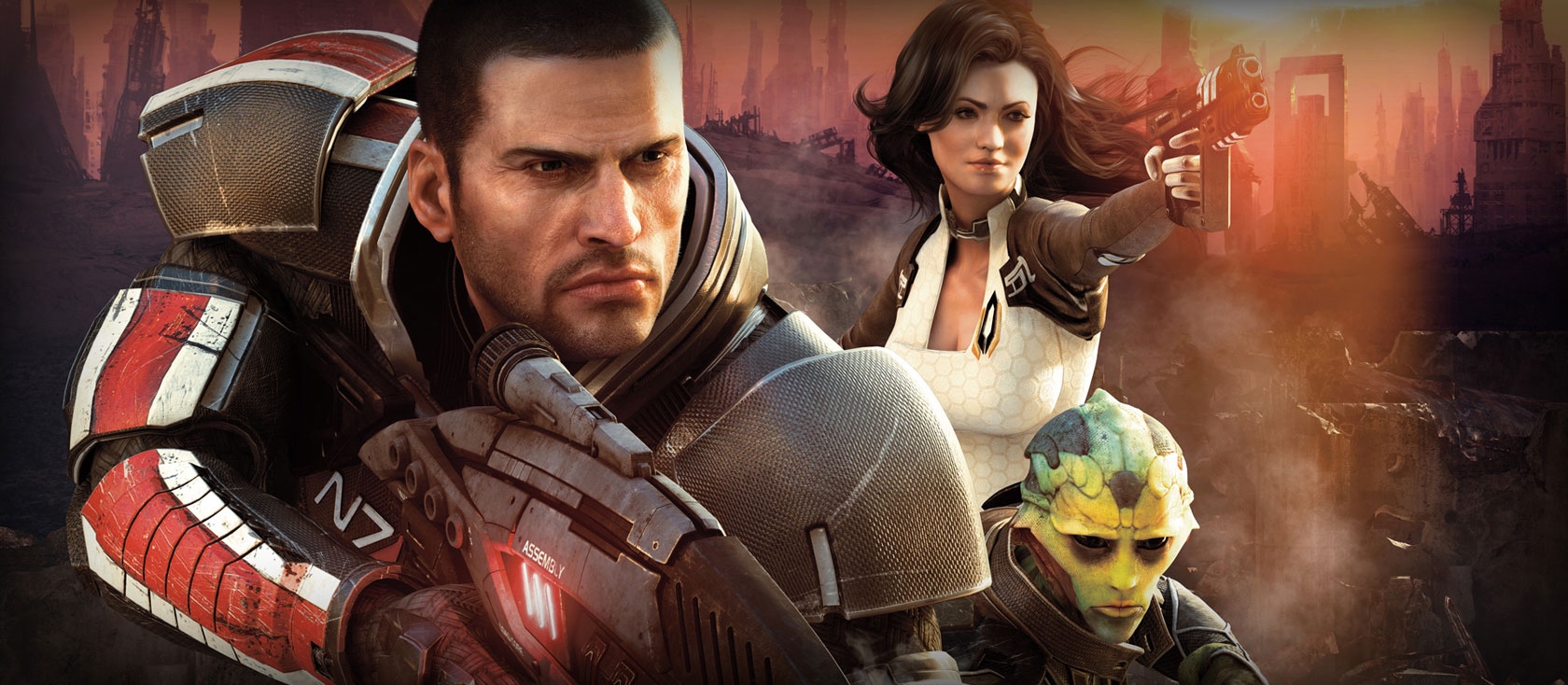
Mass Effect 2 is still the gold standard for character-driven sci-fi RPGs. Its squadmates felt like real people, their loyalty missions genuine tests of character, not just fetch quests. The game perfected cinematic storytelling within an RPG framework, emphasizing that player choice and emotional investment in the narrative are infinitely more valuable than pushing the latest shader technology. A benchmark for narrative integrity and meaningful relationships that few have matched since, especially with modern dialogue trees.
7. Halo: Combat Evolved
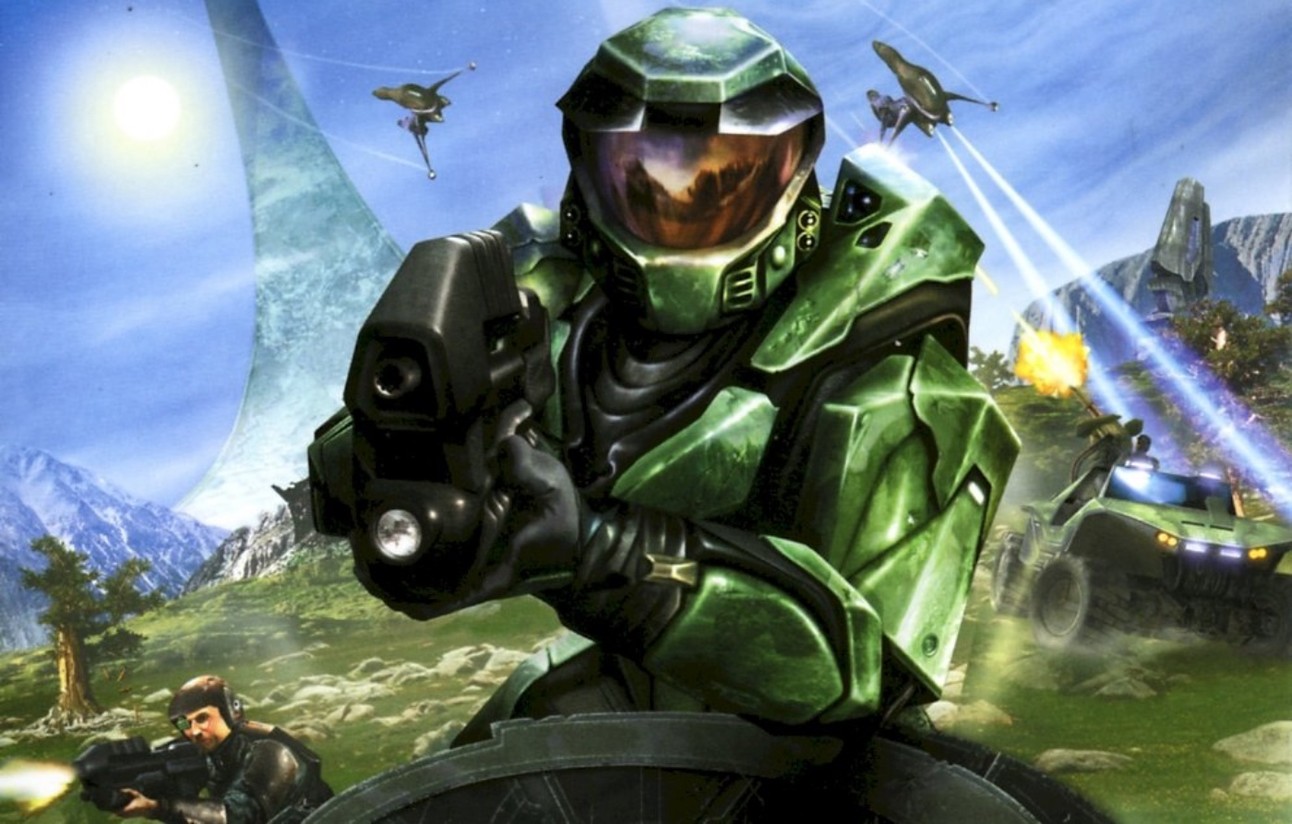
Master Chief's debut wasn't just a launch title; it was a paradigm shift for console FPS. Its revolutionary control scheme, intelligent enemy AI, and iconic level design (yes, even the Library) proved that exceptional gameplay mechanics and a cohesive sci-fi universe beat raw graphical muscle any day. It established a legacy built on tight gunplay and strategic encounters, not just how many pixels were on screen, a lesson often lost in today's visual arms race and relentless battle pass grind.
8. The Legend of Zelda: Ocarina of Time
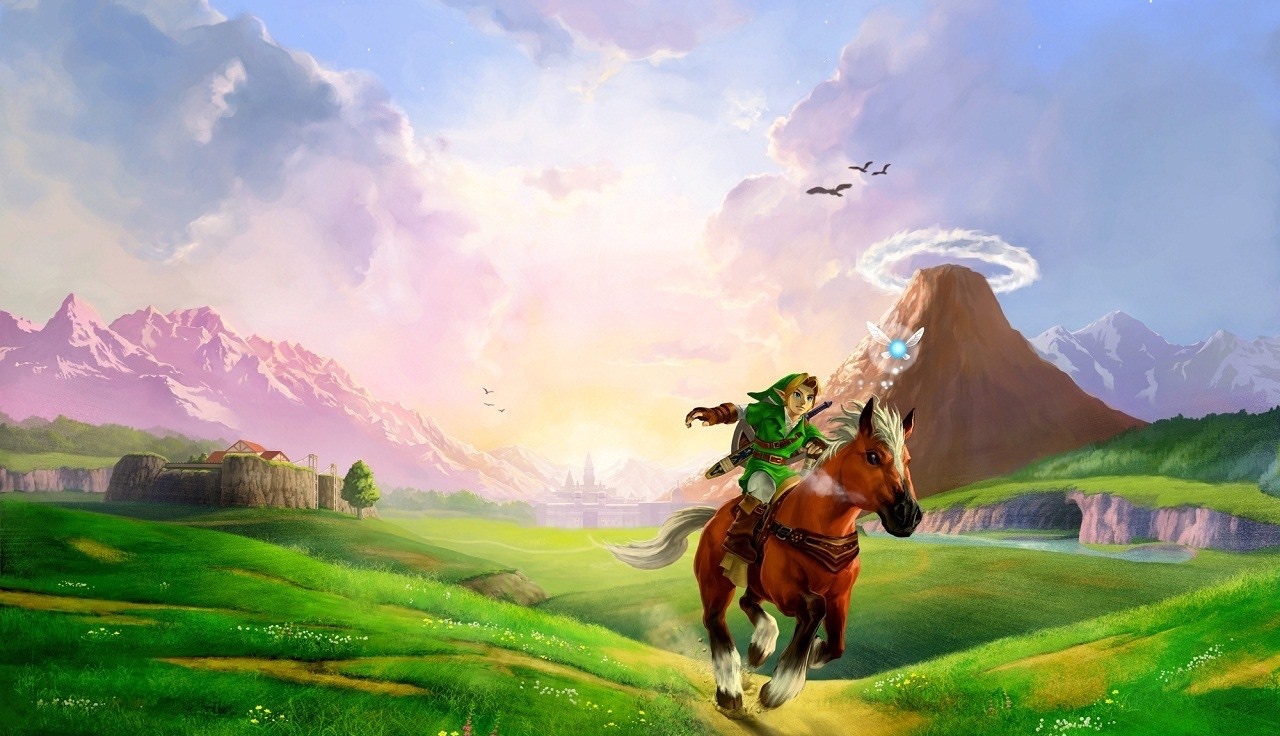
Ocarina of Time didn't just define 3D adventure; it wrote the rulebook. Its innovative targeting system, seamless world transitions, and timeless dungeon design created an experience that transcends its N64-era polygons. It proved that ingenious game mechanics, a sense of wonder, and a compelling narrative structure are the bedrock of enduring appeal, not just how shiny Link's tunic is. A masterclass in design that still resonates, reminding us what true innovation looks like beyond a tech demo.