
1. Grand Theft Auto V
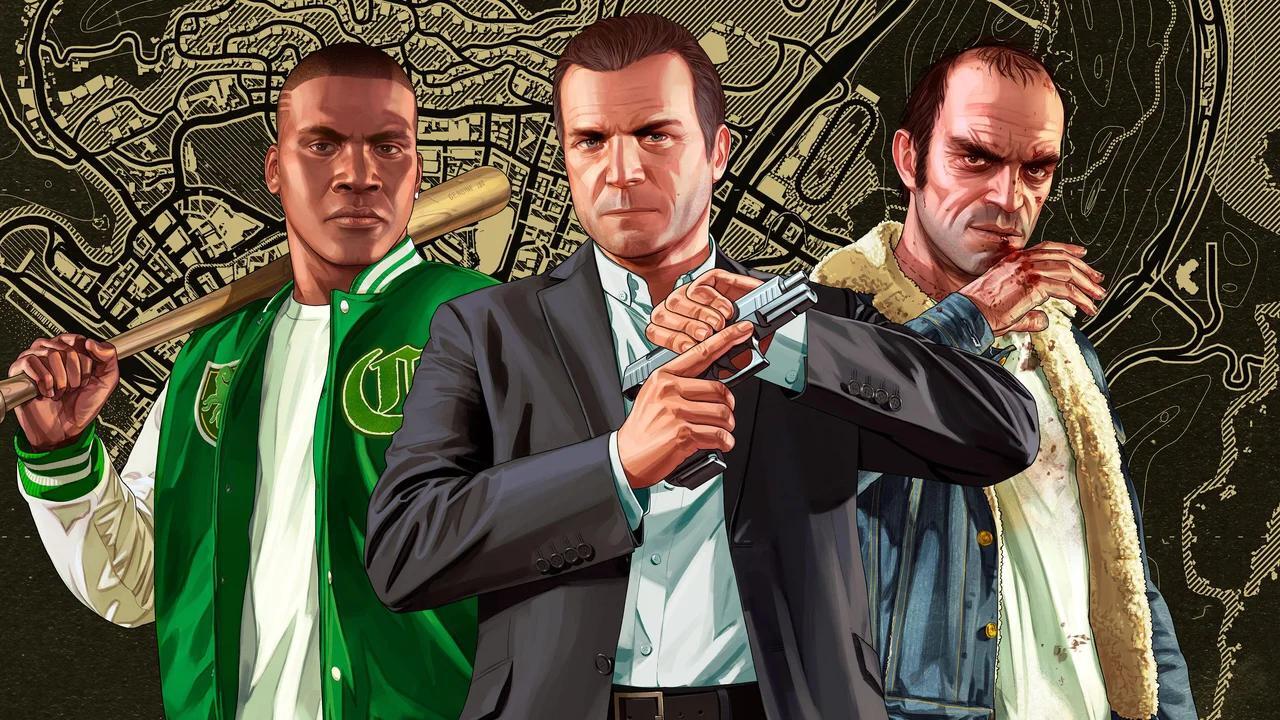
Few series normalize resurrection like Grand Theft Auto, yet V still grounds its player in a world where actions have palpable, if often ignored, repercussions. The choices made by Michael, Franklin, and Trevor, particularly in their personal lives and final heist decisions, echo through the narrative. Even with endless respawns, the satirical critique of American life, and the moral vacuum its characters inhabit, hints at a deeper, less forgiving reality beneath the chaos, where true escape is rarely an option.
2. Dark Souls
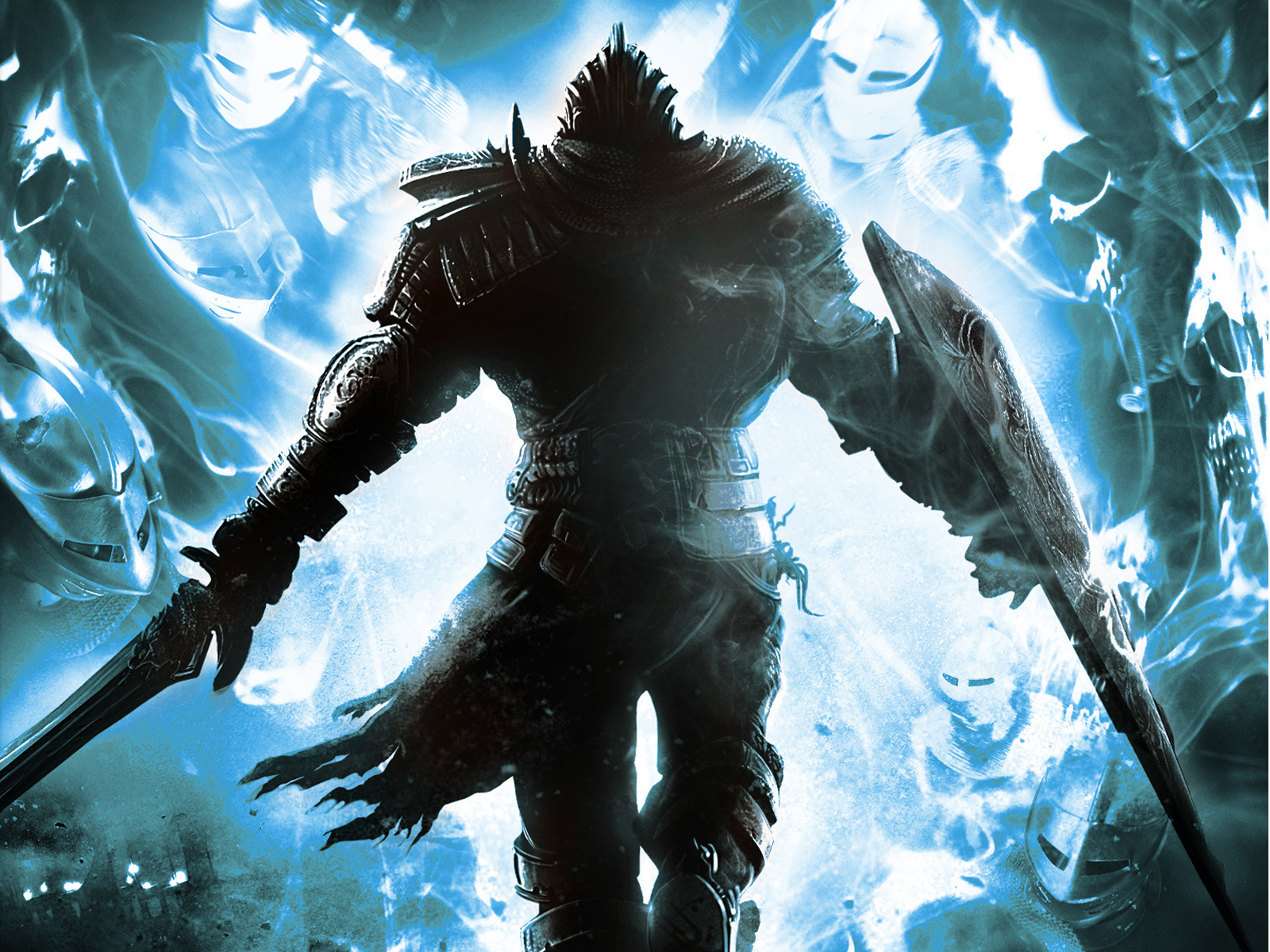
This series redefined difficulty, making every encounter a potential final stand. While technically respawning at bonfires, the loss of accumulated souls and the trek back through resurrected enemies instill a brutal sense of consequence. It’s not just about dying; it’s about the cost of that death, the time lost, the resources unrecovered. Dark Souls teaches patience and perseverance, but also that failure, even temporary, carries a heavy, tangible price in its unforgiving world.

3. Heavy Rain
Quantic Dream’s interactive drama pioneered a cinematic approach to player choice and irreversible outcomes. Characters could die permanently, impacting the entire narrative and available endings. There were no retries, no reloading a save to fix a misstep in a quick-time event or a poor decision during an investigation. This game forced players to live with their mistakes, creating a truly personal and often gut-wrenching experience where every choice mattered.

4. Life is Strange
Max Caulfield’s time-rewinding abilities seem like the ultimate undo button, yet the game masterfully demonstrates the butterfly effect. Every reversal, every attempt to 'fix' a situation, inevitably ripples through the timeline, creating new, often worse, problems. The narrative constantly reminds players that even with supernatural powers, some choices are final, some consequences unavoidable, leading to a poignant exploration of destiny, sacrifice, and the weight of decision.
5. This War of Mine
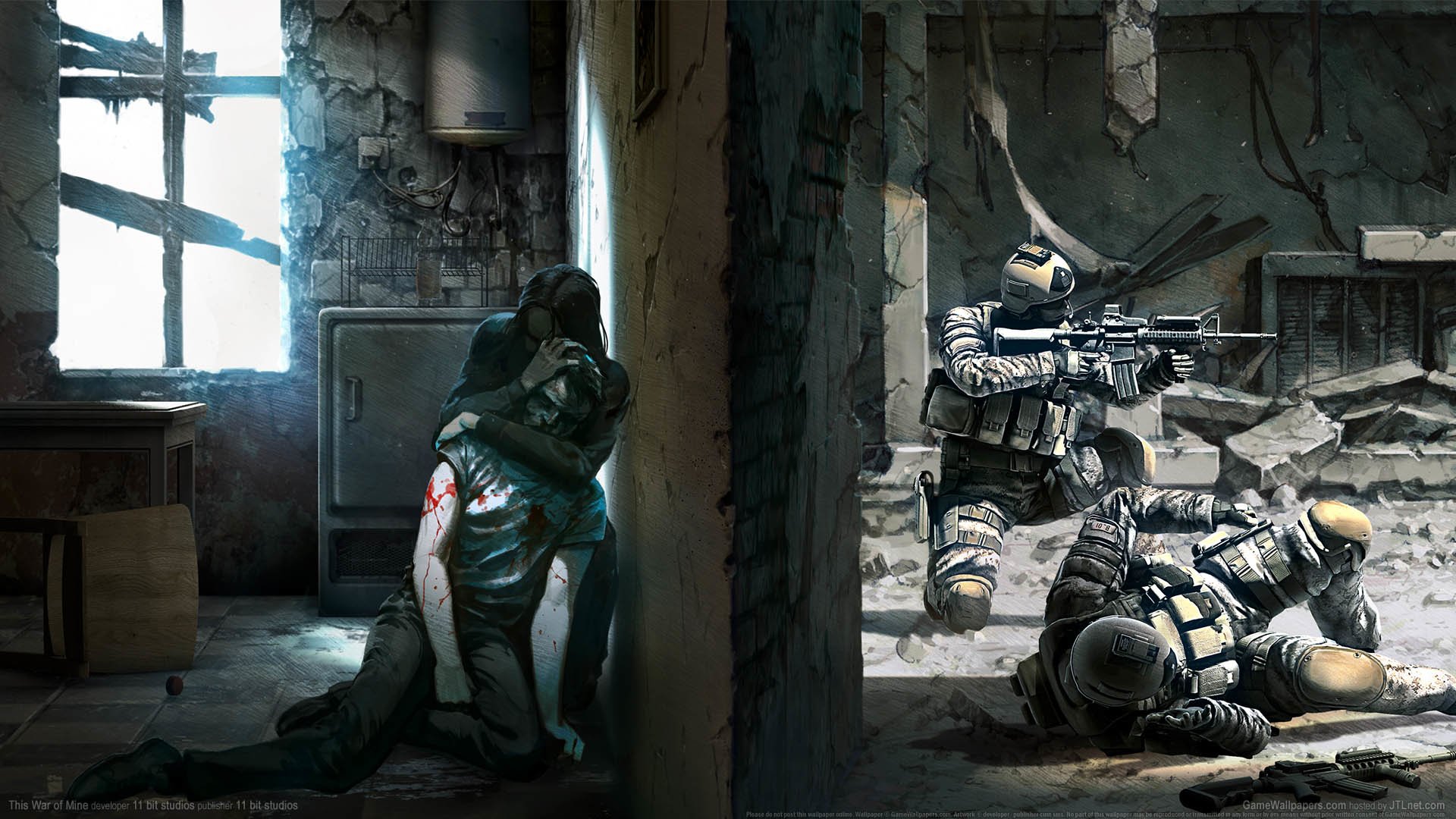
This isn't a power fantasy; it's a stark, brutal simulation of civilian survival during wartime. Resources are scarce, morale is fragile, and every decision, from scavenging to sharing food, carries immense moral weight. Losing a character to hunger, illness, or enemy fire is permanent and devastating, leaving a void in the group. The game strips away heroic tropes, focusing instead on the grim, unrespawnable reality of human cost.
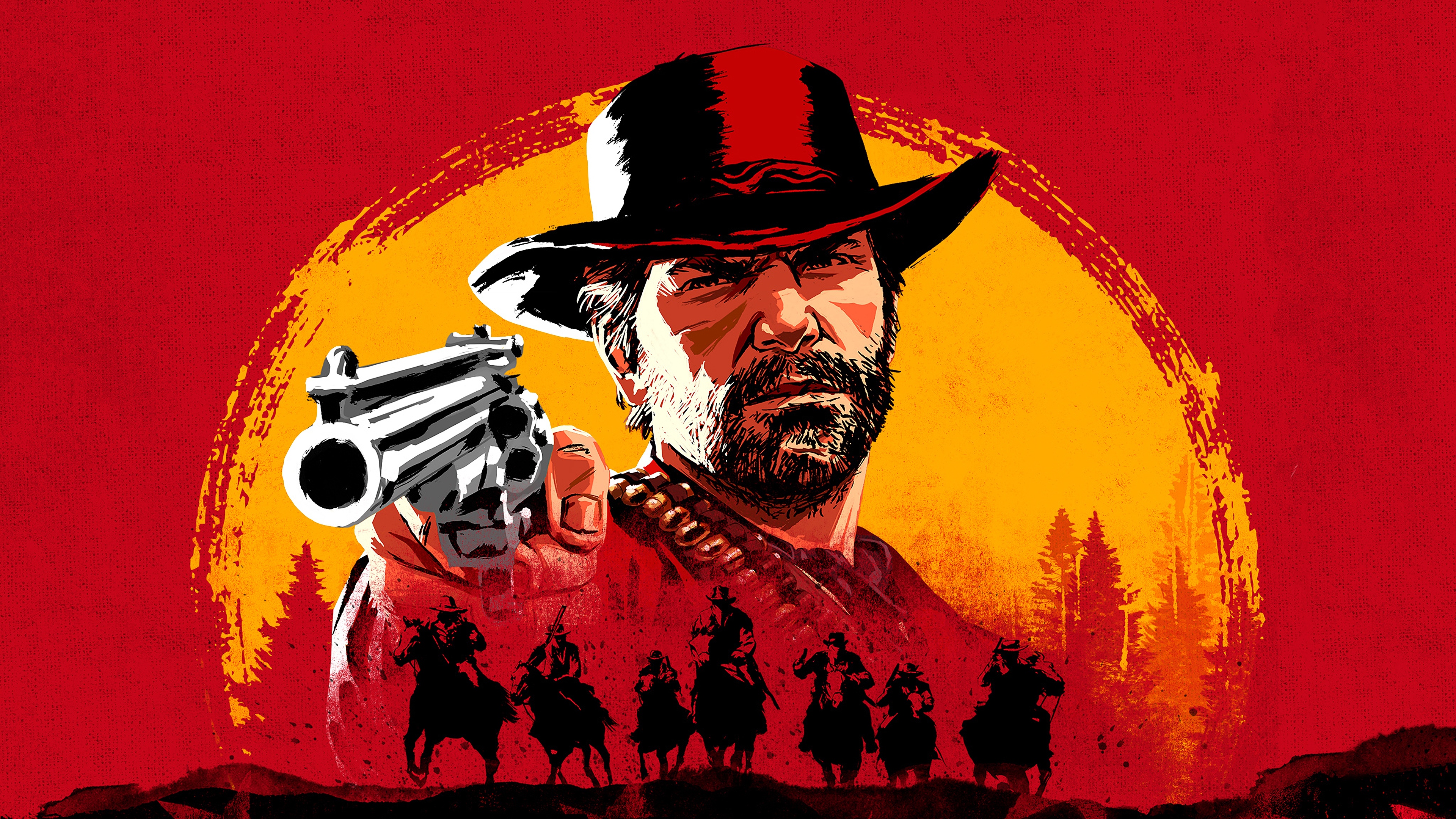
6. Red Dead Redemption 2
Arthur Morgan’s journey is a masterclass in narrative consequence. From his deteriorating health to the impact of his honor choices on interactions and the ending, the game weaves a tapestry of irreversible events. The world feels lived-in, and the choices made, particularly regarding loyalty and redemption, permanently shape Arthur's fate and the gang's future. It’s a profound exploration of mortality and legacy in a dying era.

7. Fallout: New Vegas
Unlike some open-world RPGs, New Vegas boasts a branching narrative where player decisions fundamentally alter the political landscape of the Mojave Wasteland. Faction allegiances, quest outcomes, and even dialogue choices have long-lasting, often irreversible consequences that culminate in drastically different endgame scenarios. It’s a testament to player agency where you don't just complete quests; you forge a future, for better or worse, with no easy reset button.

8. XCOM 2
In the fight against ADVENT, every soldier is a unique asset, and their death is permanent. Losing a high-ranking, decorated specialist in a poorly executed ambush means they're gone for good, along with their accumulated skills and personal history. The strategic layer also features a constant race against time, with irreversible project failures and global consequences, making every tactical and strategic decision feel incredibly weighty and consequential.