


1. God Hand
God Hand was pure, unadulterated, over-the-top brawler insanity, and frankly, most folks weren't ready for it. Its brutal difficulty and deliberately goofy humor alienated many, but for those who stuck with its deep, customizable combat system, it offered an unparalleled, satisfying challenge. Clover Studio crafted a unique masterpiece that mocked genre conventions while perfecting its mechanics. It's a shame it didn't find its audience until much later, after its initial release.
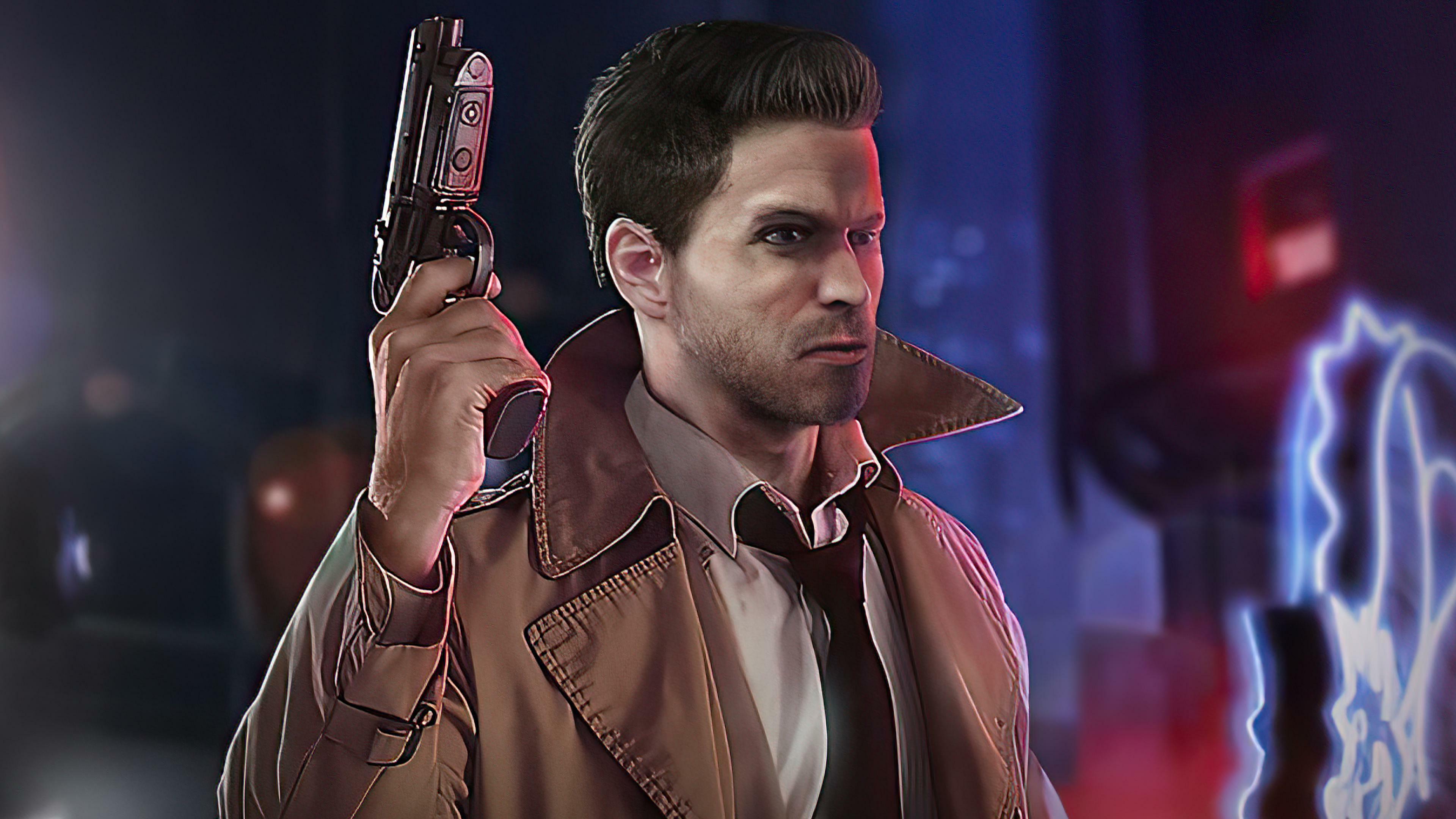
2. Blade Runner
Westwood's Blade Runner wasn't just a movie tie-in; it was a masterclass in atmospheric point-and-click adventure. Released in '97, its non-linear narrative and character-driven choices felt revolutionary, and the rotoscoped graphics still hold up. You played a new character, Ray McCoy, experiencing the film's universe from a fresh perspective. Critics were divided, but its dedication to the source material and genuine detective work made it a cult classic, deserving far more mainstream recognition.
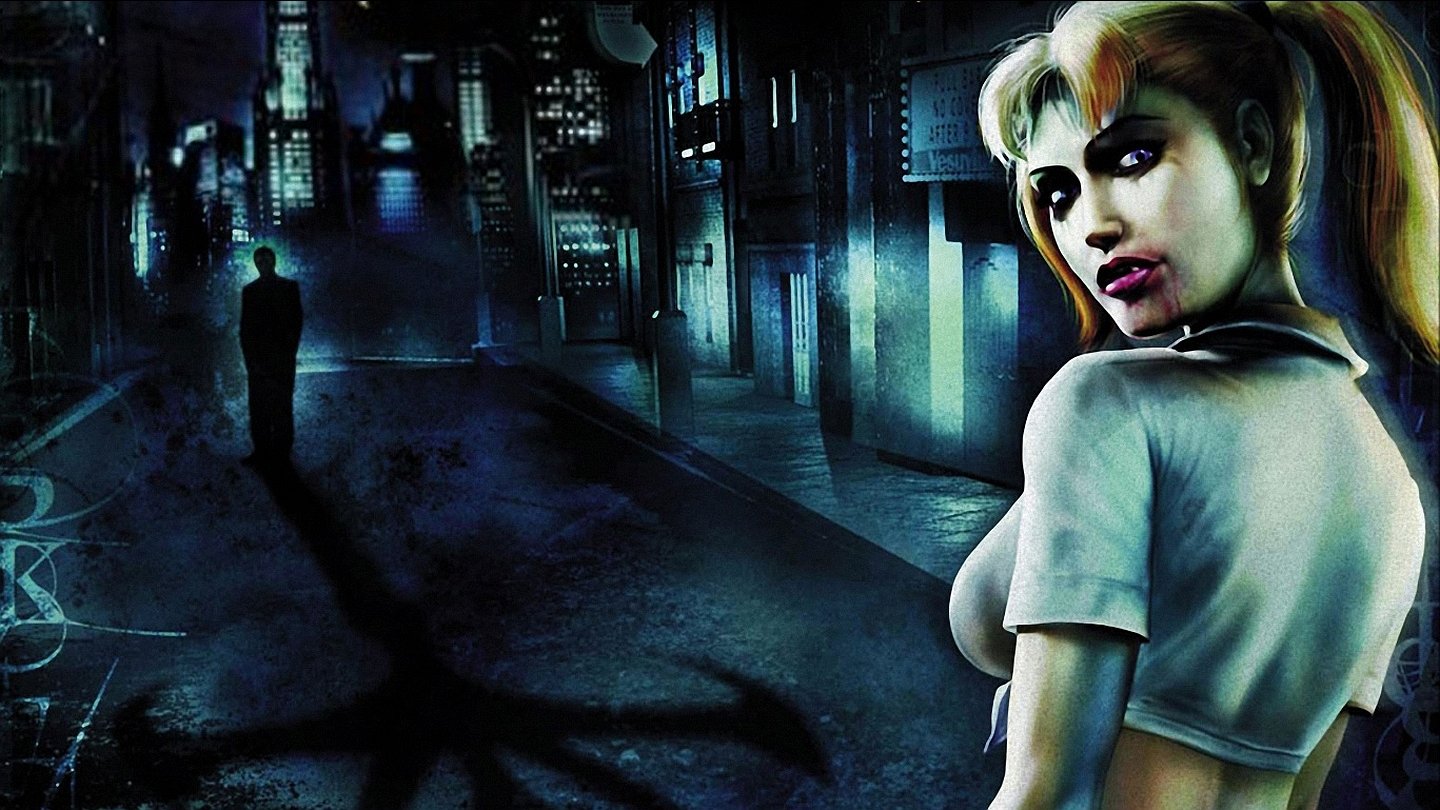
3. Vampire: The Masquerade - Bloodlines
Vampire: The Masquerade - Bloodlines was a gloriously broken mess at launch, but beneath the bugs lay a role-playing gem. Troika's ambition was palpable, delivering a rich, atmospheric world brimming with unforgettable characters and genuinely branching narratives based on your chosen clan. Its unique blend of action, dialogue, and sheer urban gothic style created an experience unmatched since. It's a tragic tale of brilliant design hampered by corporate deadlines, finding its true appreciation years later.
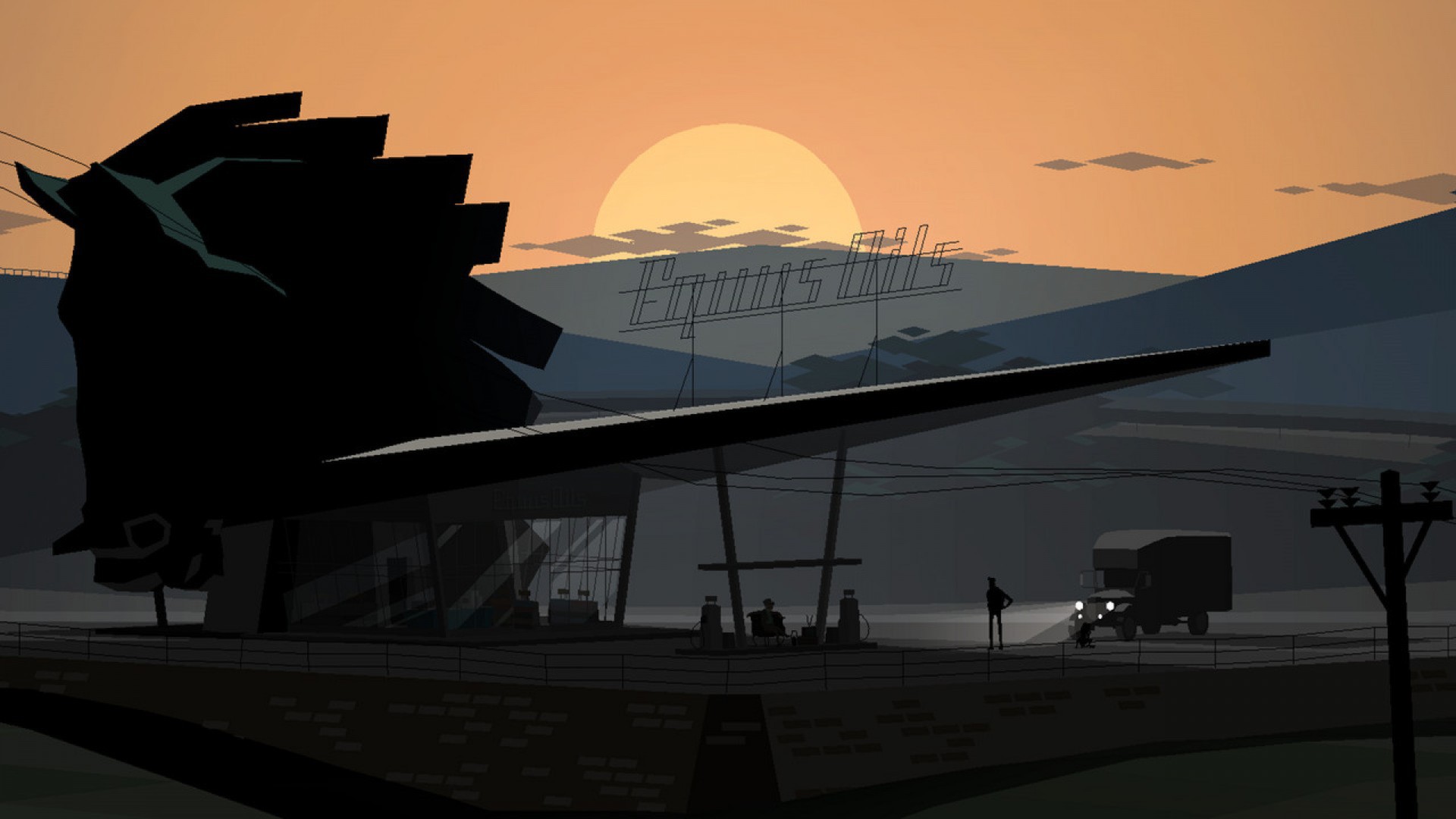
4. Kentucky Route Zero
Kentucky Route Zero isn't a game you "play" in the traditional sense; it's an experience you absorb. This episodic point-and-click adventure, released over seven years, weaves a surreal, melancholic tale of debt and American decay. Its striking minimalist art style and haunting narrative commentary on capitalism and lost dreams resonated deeply with those who encountered it. It’s a slow burn, yes, but one that leaves an indelible mark, proving games can be profound interactive literature.
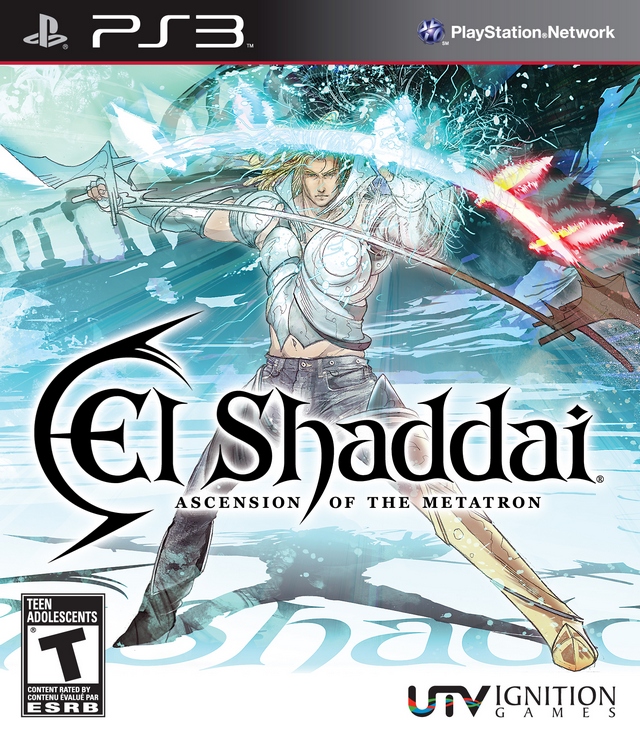
5. El Shaddai: Ascension of the Metatron
El Shaddai: Ascension of the Metatron was a visual spectacle way ahead of its time. Released in 2011, its constantly shifting art styles and biblical narrative were unlike anything else on consoles. While its combat system was deceptively simple, it was fluid and satisfying. It felt like playing an interactive art exhibit, a bold, beautiful experiment that unfortunately got lost in the shuffle of more conventional releases. This game was pure artistic courage.
6. Sid Meier's Alpha Centauri
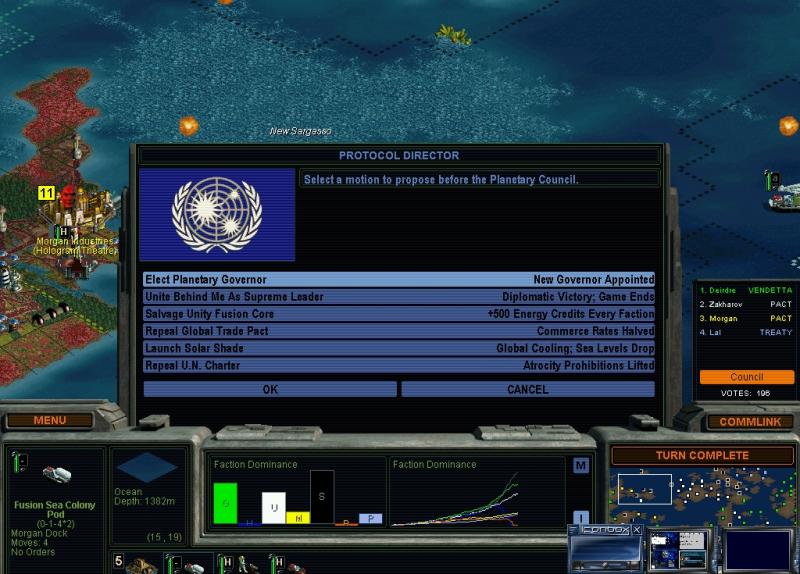
Sid Meier's Alpha Centauri transcended its "Civ in space" moniker, offering a deeply philosophical 4X strategy experience. Released in 1999, it delved into complex themes of transhumanism, environmentalism, and political ideologies with unparalleled depth. The factions weren't just reskins; they represented distinct philosophies, clashing on a living, breathing alien planet. It asked profound questions while delivering stellar turn-based strategy, a true intellectual successor that deserved more than cult status.
7. Gravity Rush
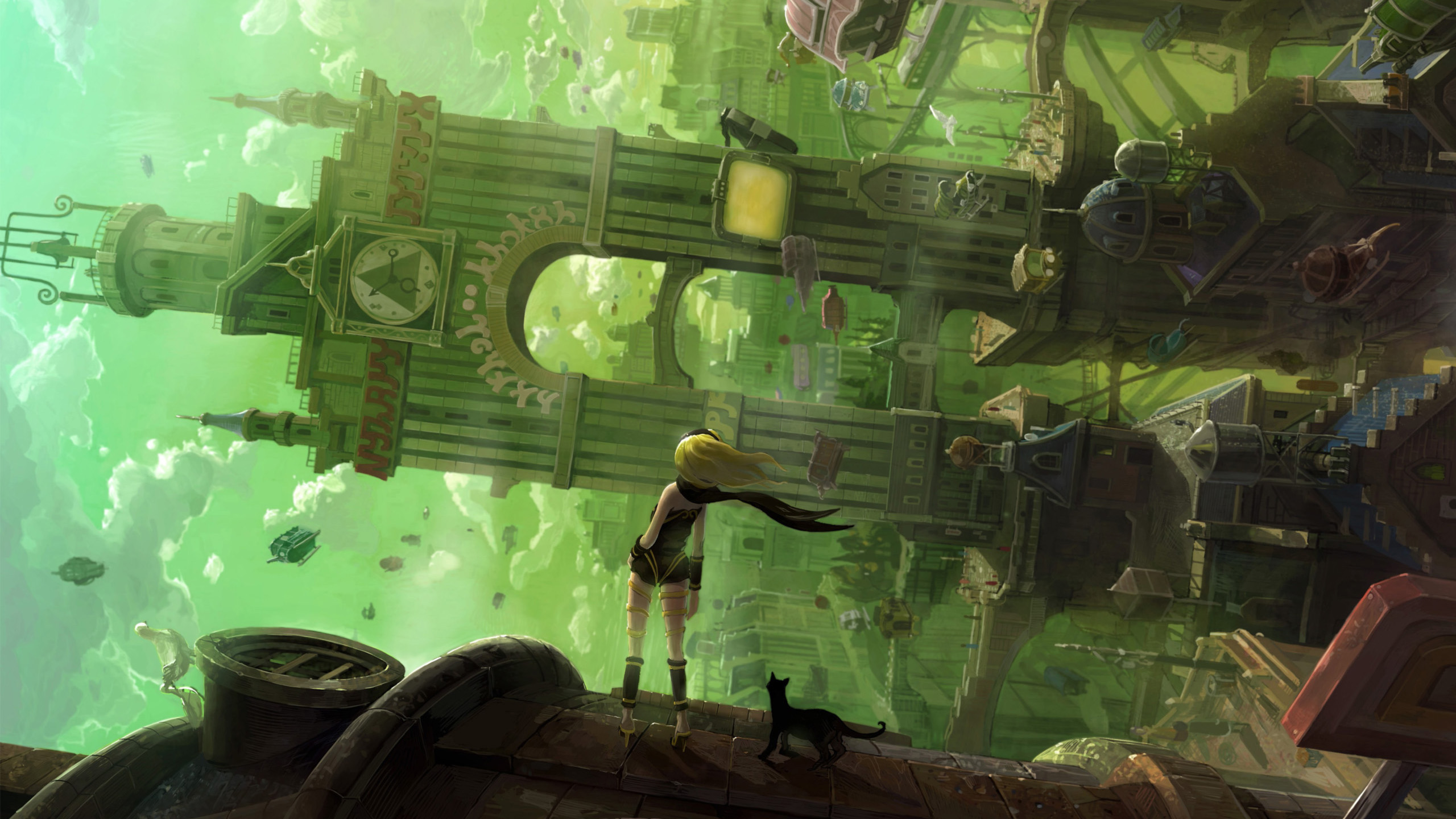
Gravity Rush, a PS Vita launch title from 2012, was a masterclass in unique mechanics and charming world-building. Manipulating gravity to fly, fight, and explore the gorgeous, cel-shaded city of Hekseville was an absolute joy. It captured a sense of freedom and wonder rarely seen, and protagonist Kat was instantly lovable. Sadly, being tied to a floundering handheld meant many missed its innovative gameplay and quirky, memorable adventure. It was a true system seller that deserved better.
8. Prey
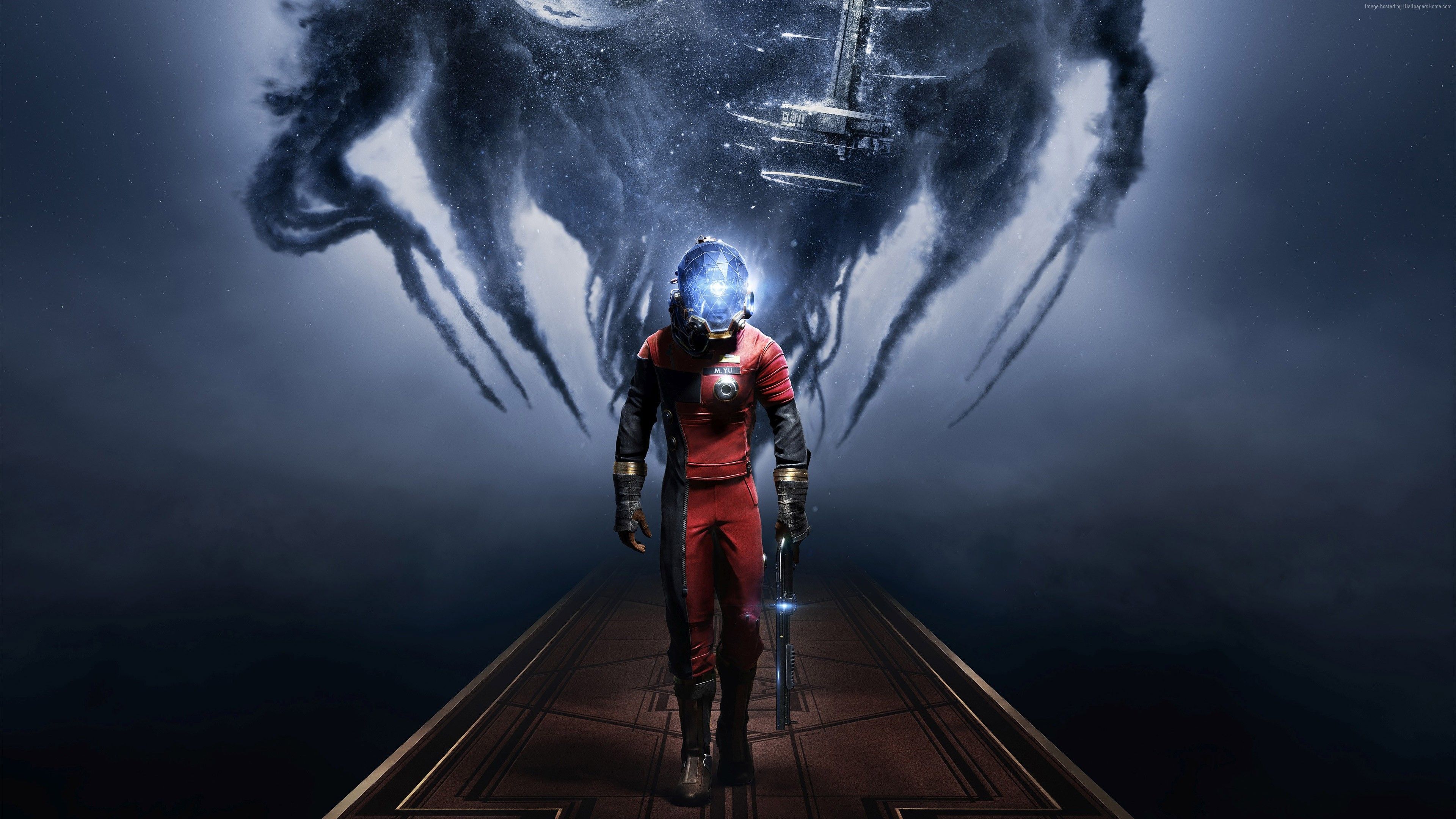
Arkane's 2017 Prey was an immersive sim masterpiece that tragically struggled for identity. Confused by its name, many overlooked its incredible world-building, truly emergent gameplay, and unsettling atmosphere aboard Talos I. Every choice had consequences, every system intertwined, creating a dense, cerebral sci-fi horror experience. It's a game that respects player agency and intelligence, offering multiple solutions to every problem, a design philosophy that should be celebrated, not ignored.