1 / 8
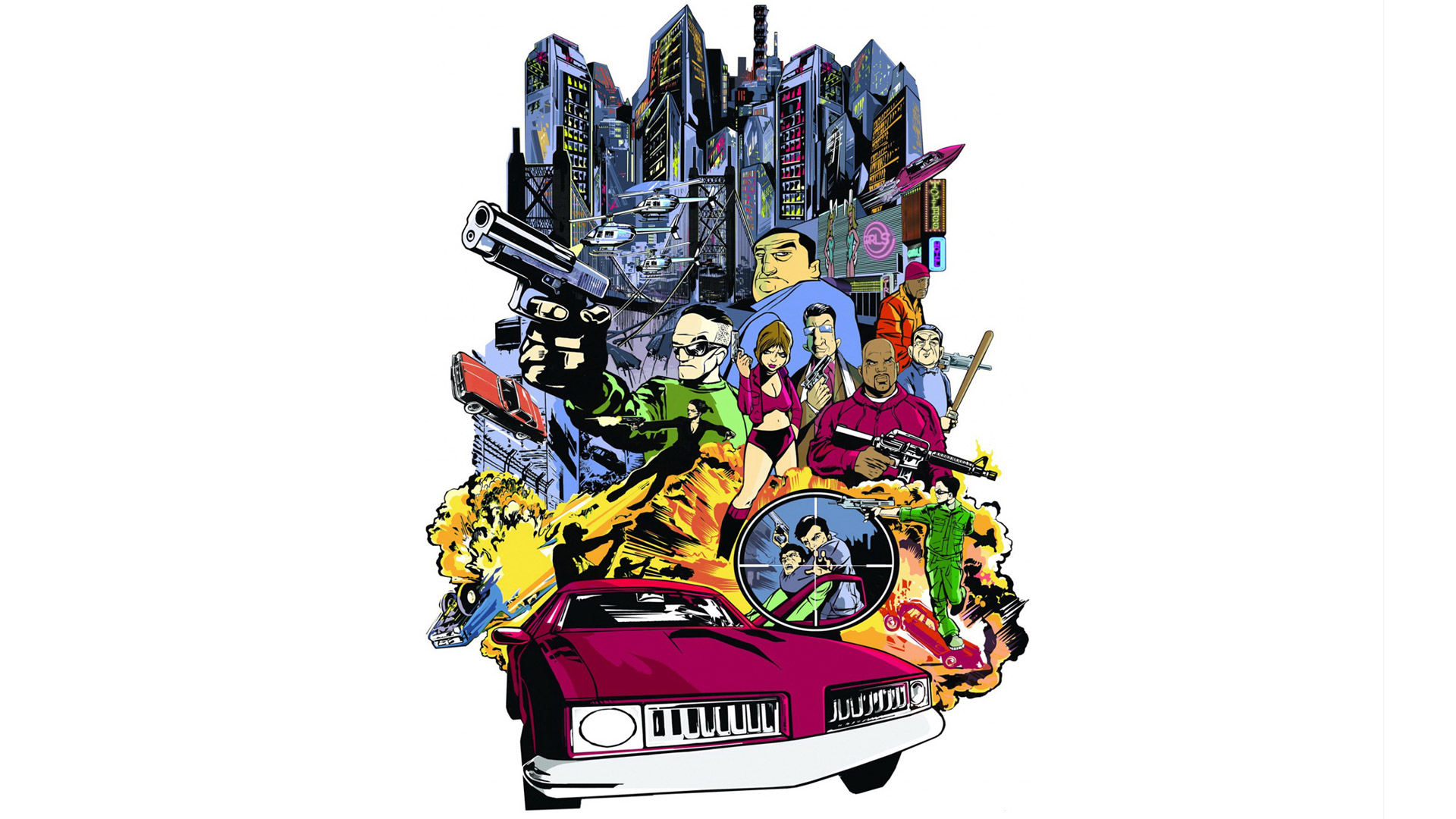
1. Grand Theft Auto III
Pong wasn't just a game; it was a revelation. It distilled interaction to its most fundamental, two paddles and a ball, yet it captivated millions. This simple electronic tennis simulation proved that digital entertainment had immense commercial appeal and could be genuinely competitive and social. It laid the absolute groundwork for an entire industry, showing consumers and developers alike the potential of electronic play. Its elegant minimalism remains a remarkable feat of design, truly the spark that ignited everything.
2 / 8
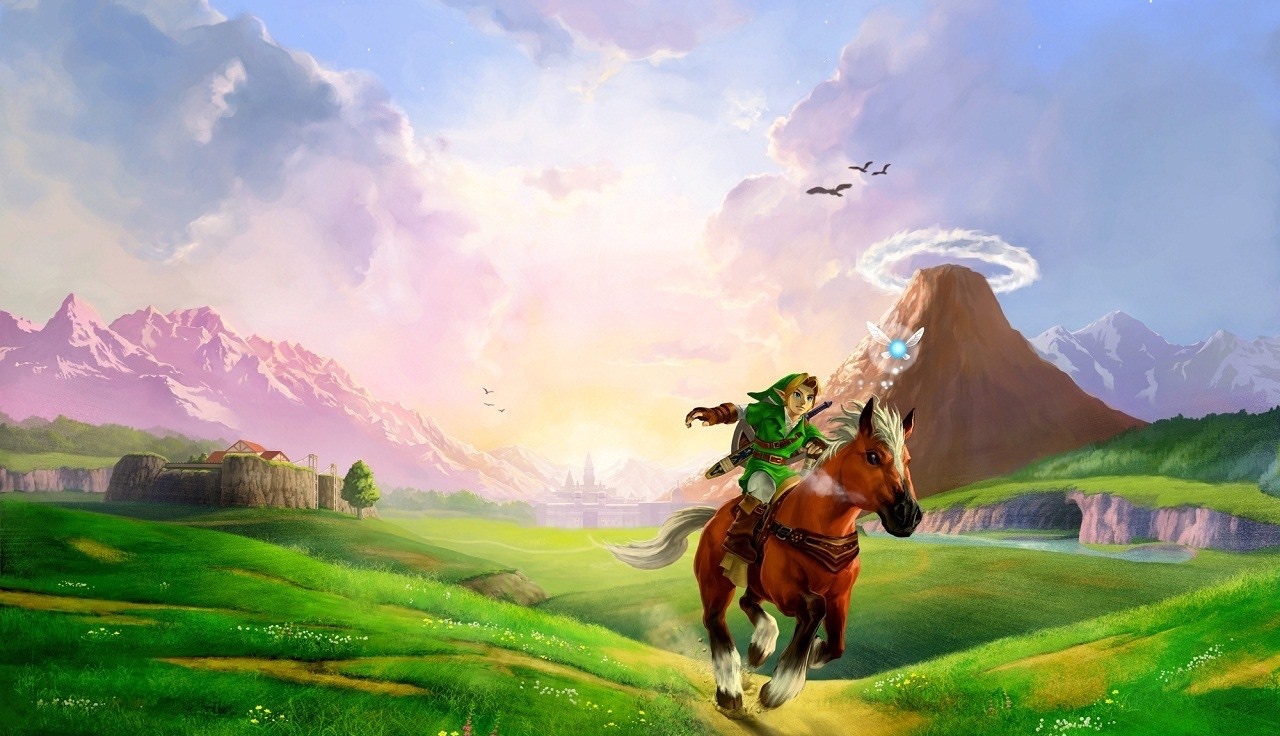
2. The Legend of Zelda: Ocarina of Time
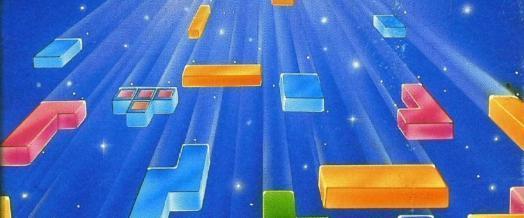
Few games achieve such universal appeal as Tetris. Originating from the Soviet Union, it became a global phenomenon, captivating players with its deceptively simple premise and endless strategic depth. This wasn't about flashy graphics or intricate narratives, but pure spatial reasoning and pressure. Tetris transcended language and culture, proving that compelling mechanics alone could drive immense success, becoming a ubiquitous presence on everything from arcade cabinets to handheld devices, defining puzzle gaming for decades.
3 / 8
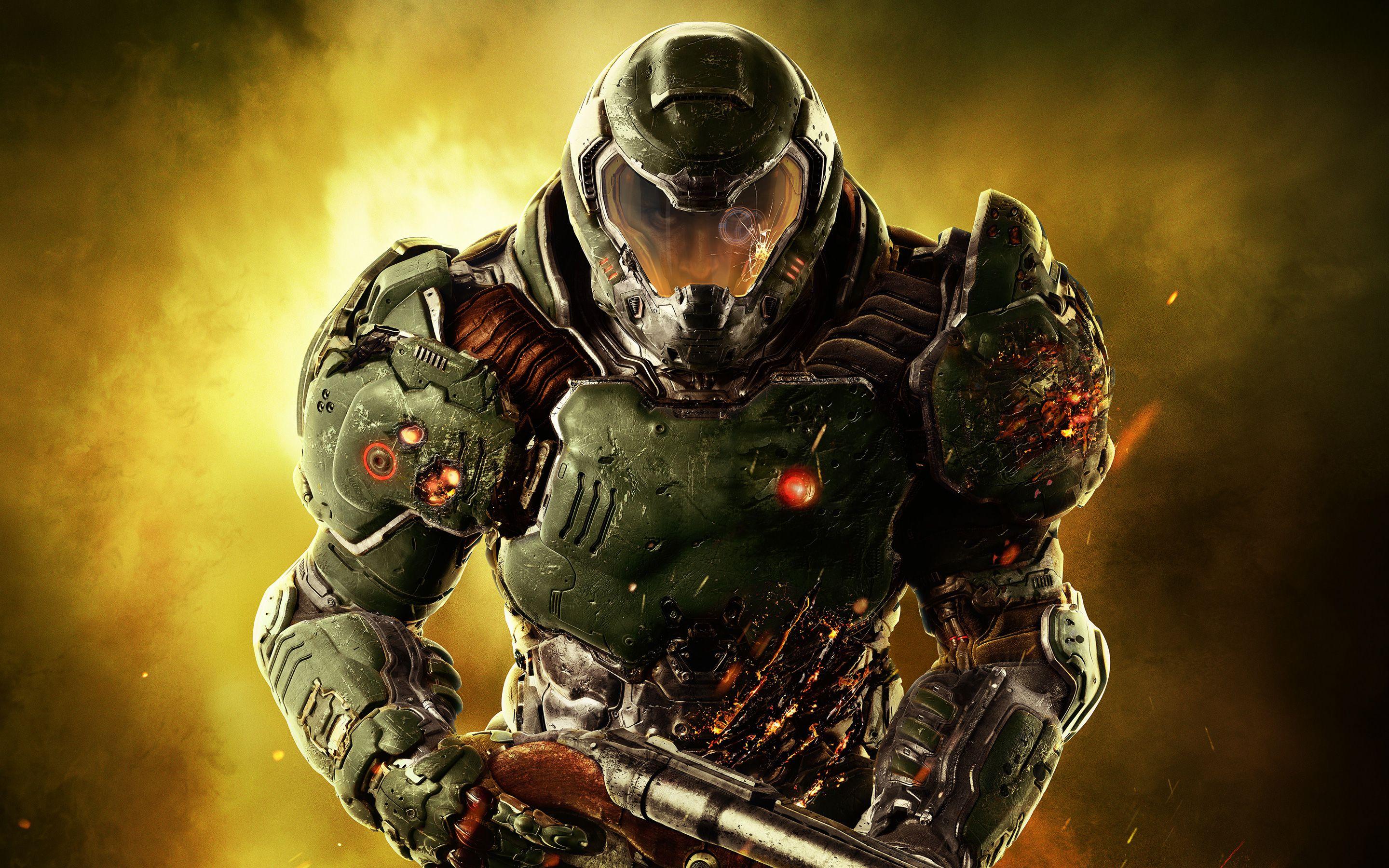
3. DOOM (2016)
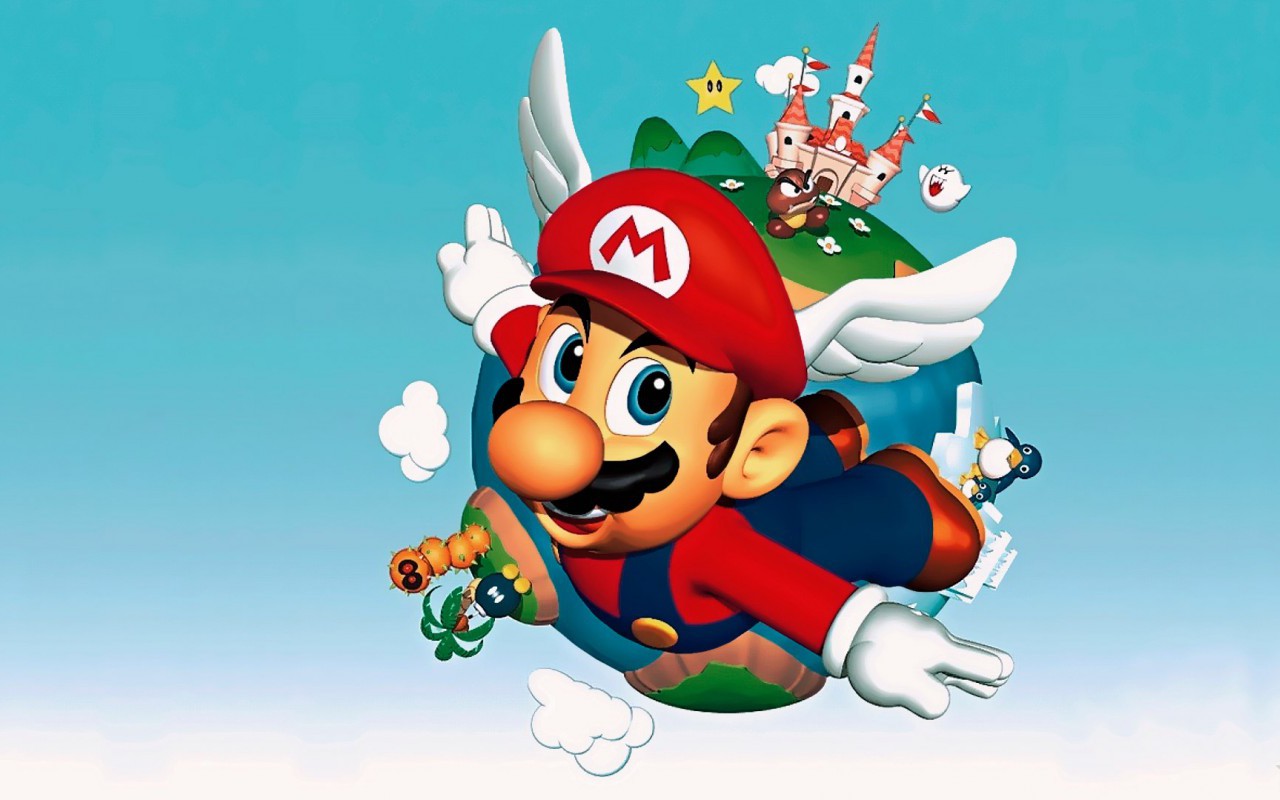
When Super Mario 64 arrived, it didn't just transition Mario into 3D; it redefined what 3D platforming could be. The game offered unprecedented freedom of movement within vast, imaginative levels, making exploration as rewarding as progression. Its camera system, while occasionally challenging, was revolutionary for its time, grappling with the fundamental issues of navigating a third dimension. It showed how character, kinetic movement, and brilliant level design could coalesce into something truly groundbreaking and influential.
4 / 8
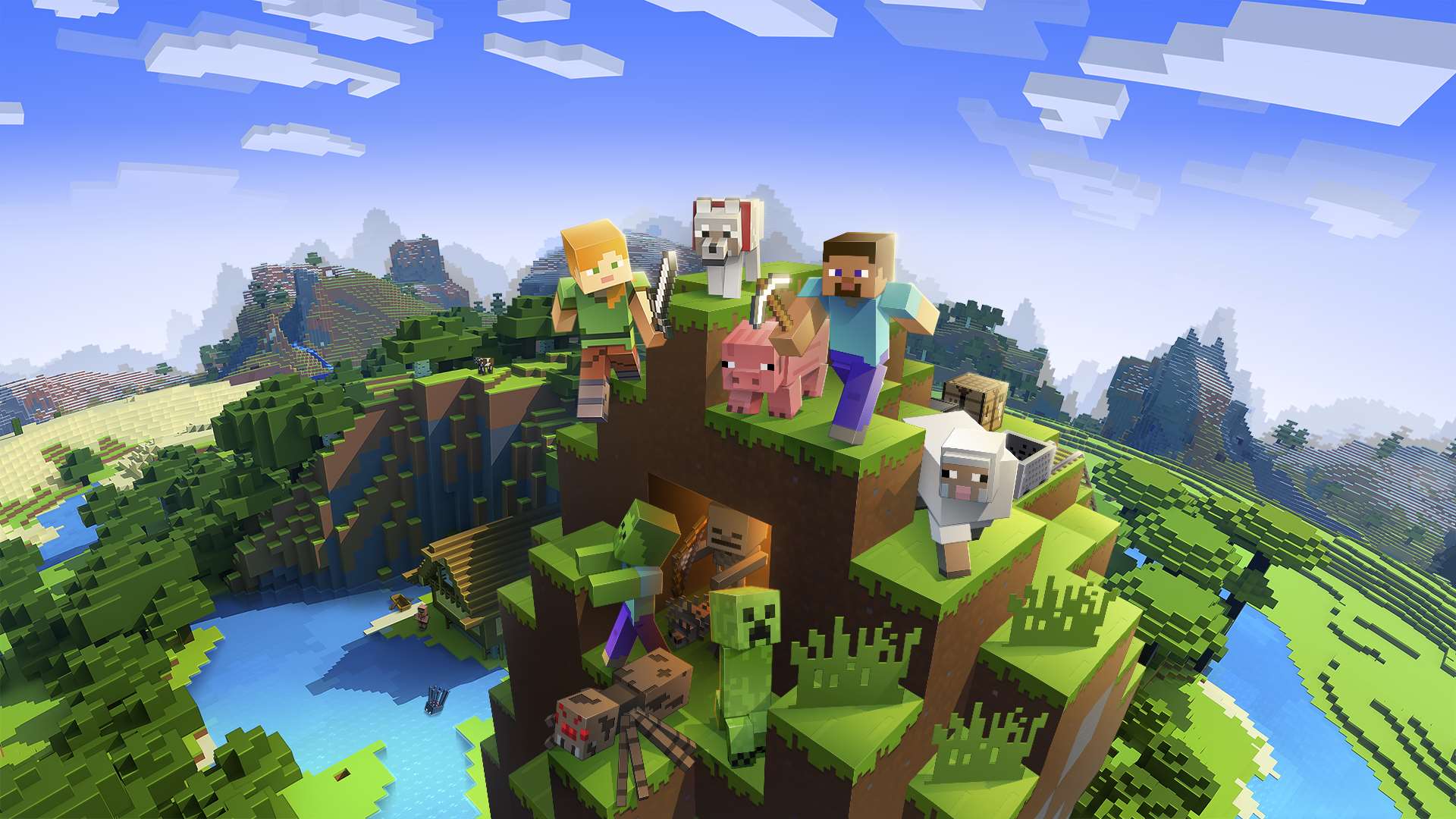
4. Minecraft
This game often stands as the benchmark for its era, masterfully translating the epic scope of Zelda into a breathtaking 3D world. Ocarina of Time perfected Z-targeting, making 3D combat fluid, and its contextual actions streamlined player interaction. Beyond mechanics, its narrative depth, emotional resonance, and sheer sense of adventure cemented its place. It wasn't just a game; it was an experience that profoundly shaped a generation's understanding of what interactive storytelling and exploration could achieve.
5 / 8
5. World of Warcraft
Here was a seismic shift. Grand Theft Auto III didn't just offer an open world; it offered a living, breathing city teeming with illicit possibility and consequence. Its mature themes, dark humor, and unprecedented freedom to drive, shoot, and explore shocked some, but captivated millions. It fundamentally defined the modern open-world genre, proving that player agency within a dynamic, simulated urban environment could be incredibly compelling, for better or worse, changing expectations for player freedom forever.
6 / 8
6. Super Mario 64
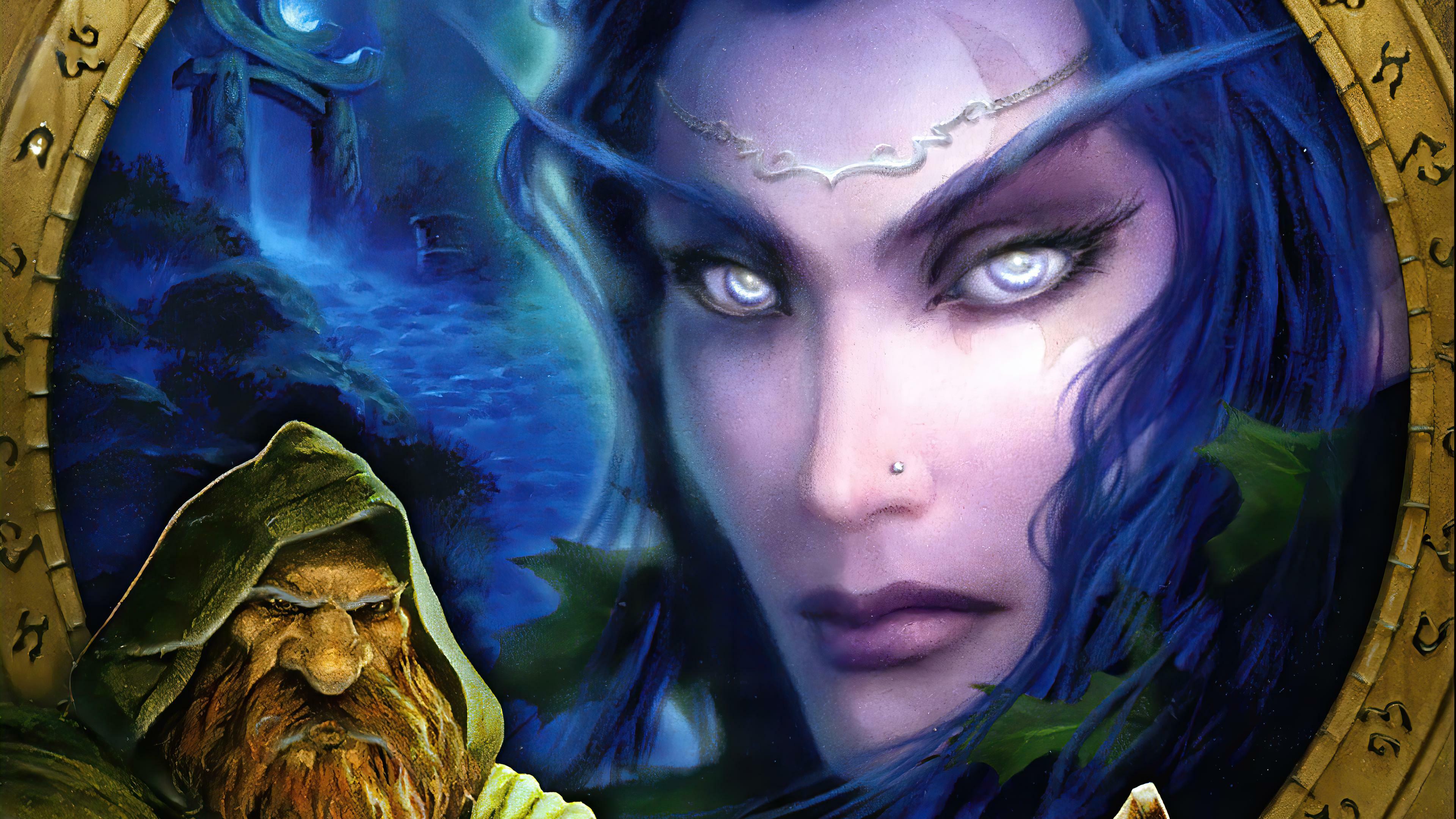
Launching into a nascent MMO landscape, World of Warcraft didn't just succeed; it created a cultural phenomenon. Its accessible design, rich lore, and robust social systems fostered communities unlike anything seen before. It proved that millions would pay monthly to inhabit persistent online worlds, forging friendships and rivalries in a digital realm. WoW wasn't merely a game; it became a second life for many, influencing countless online experiences and validating the subscription model for online services.
7 / 8
7. Tetris (1984)
Minecraft wasn't just a game; it was a digital sandbox where creation was the primary mechanic. Its iconic blocky aesthetic belied a depth of potential limited only by imagination, allowing players to build anything from simple shelters to incredibly complex machines. This procedurally generated world democratized game design, turning players into creators and fostering a global community. It redefined what "game" could mean, emphasizing limitless possibility over prescribed narrative, becoming a cultural juggernaut.
8 / 8

8. Pong (1972)
After years, DOOM (2016) arrived not as a nostalgic retread, but as a visceral, aggressive reinvention of the first-person shooter. It stripped away genre bloat, focusing entirely on relentless, empowering combat that rewarded aggression. The "push forward" combat loop, combined with satisfying glory kills and a thumping heavy metal soundtrack, created an adrenaline-fueled ballet of destruction. It proved that a classic franchise could return by understanding its core identity and executing it with brutal, modern precision.