1. Binary Domain
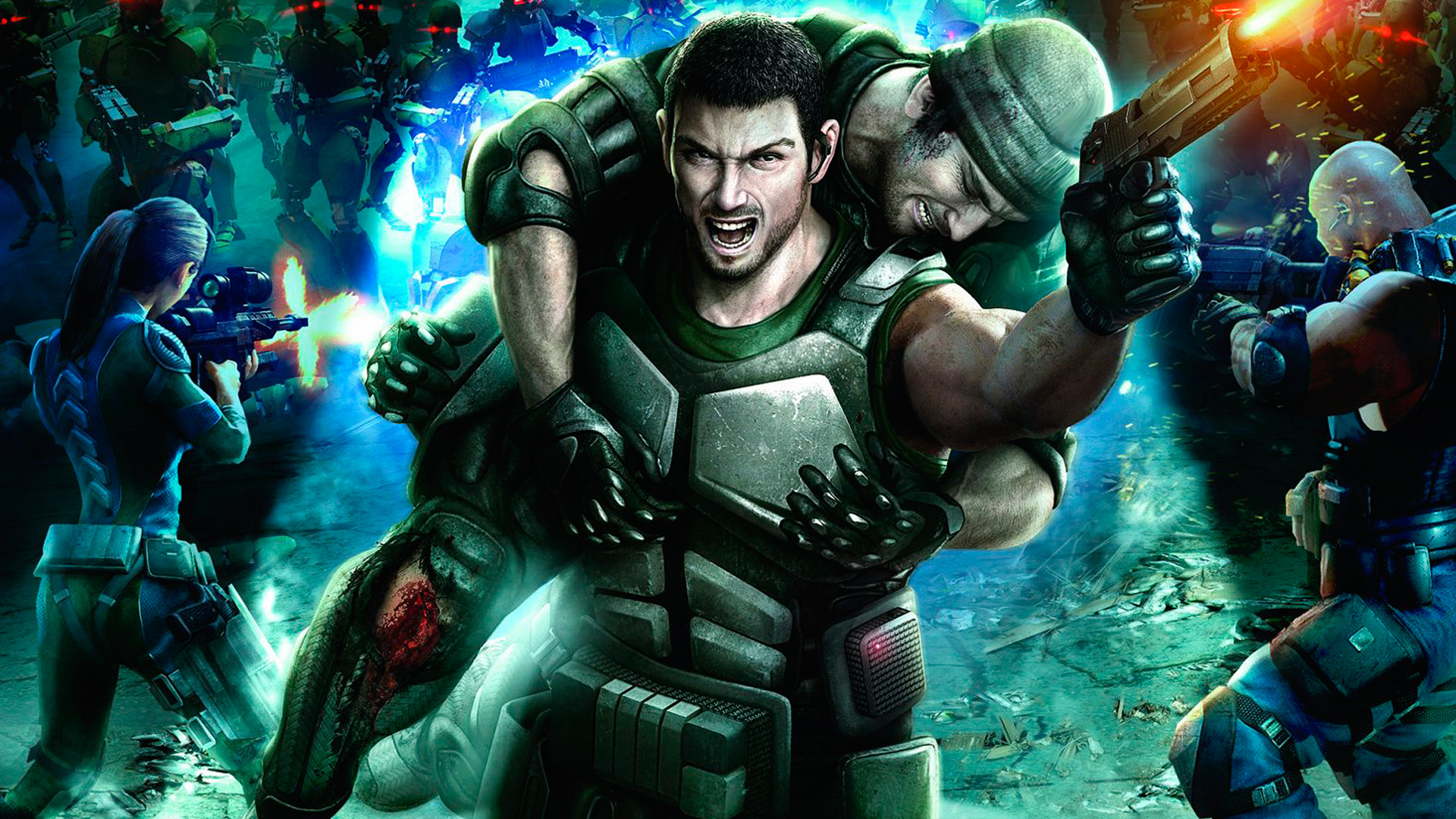
This third-person shooter dared to give squad commands via voice, a feature most games still fumble with. Its destructible, modular robots, which reacted dynamically to damage, were a technical marvel, making every firefight feel strategic and visceral. But the mainstream saw a generic cover shooter, missing the intricate AI and surprisingly poignant narrative about humanity and identity.
2. Arx Fatalis
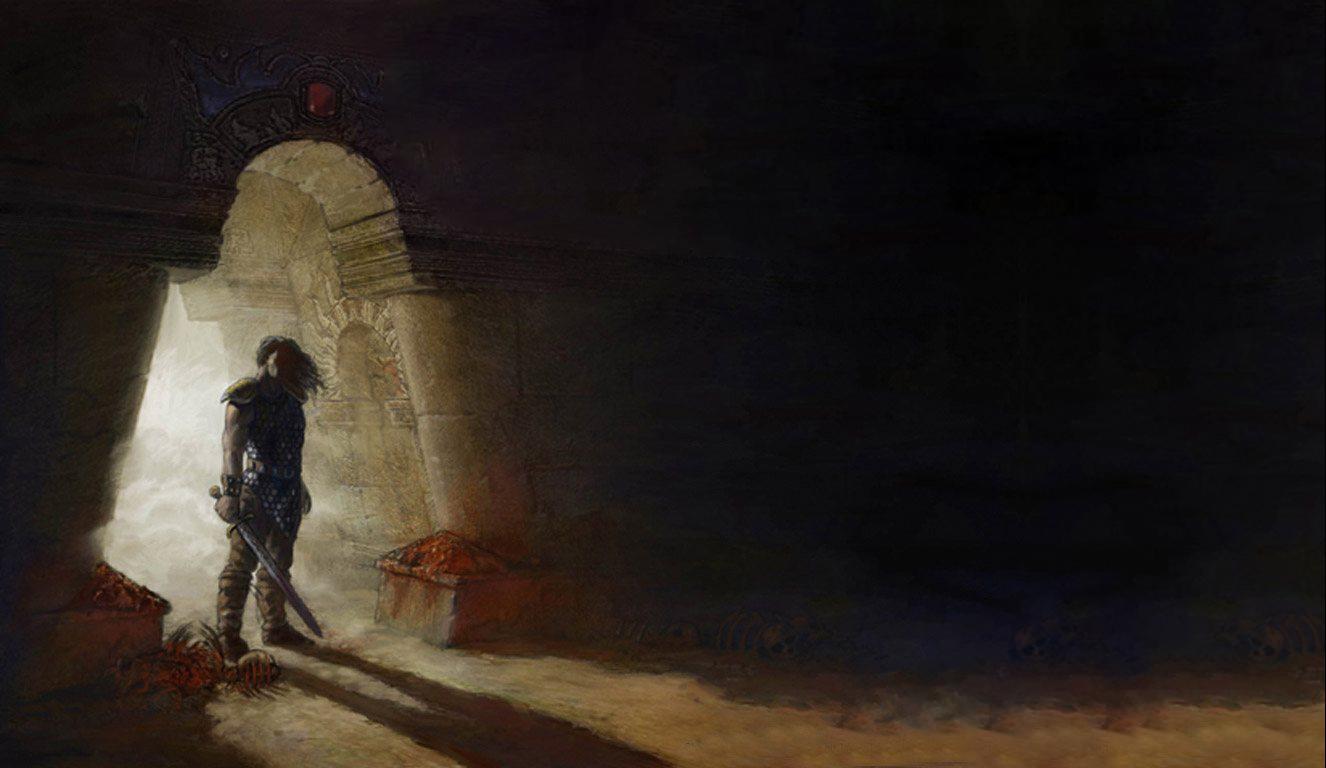
Before Bethesda owned everything, Arkane gave us this immersive sim, a true spiritual successor to Ultima Underworld. Its rune-drawing spell system, executed by literally drawing gestures with your mouse, was clunky but brilliant, demanding player skill. Coupled with a dark, lived-in world and deep systems, it was a masterclass in atmosphere and player agency, largely ignored for flashier RPGs.
3. Urban Chaos: Riot Response
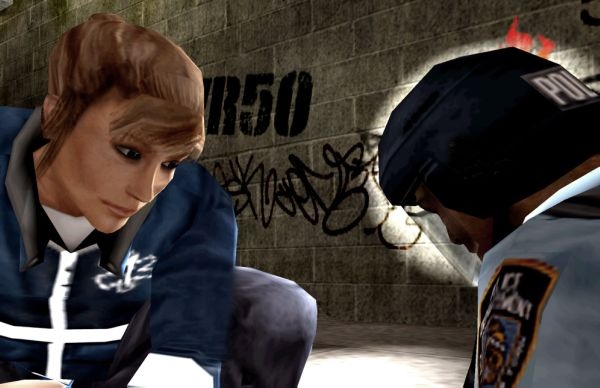
This gritty FPS put you in the boots of a riot cop, uniquely blending tactical crowd control with brutal action. Instead of just mowing down enemies, you'd stun, disarm, and arrest, forcing a different kind of engagement. Its distinct aesthetic and focus on urban unrest felt fresh, yet it landed quietly, perhaps too niche for audiences seeking more straightforward military shooters.
4. GHOST TRICK: Phantom Detective
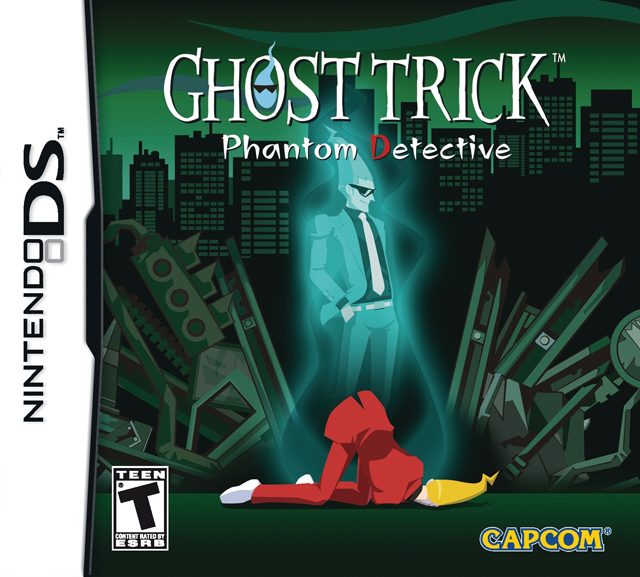
Capcom's DS gem spun a narrative masterpiece with a truly innovative puzzle mechanic: possessing objects to manipulate time and alter fates. Its quirky characters, sharp writing, and genuinely surprising twists were perfectly intertwined with the unique gameplay. It proved that a game could be deeply emotional and intellectually stimulating without relying on conventional action, but its platform and art style might have deterred some.
5. Sacrifice
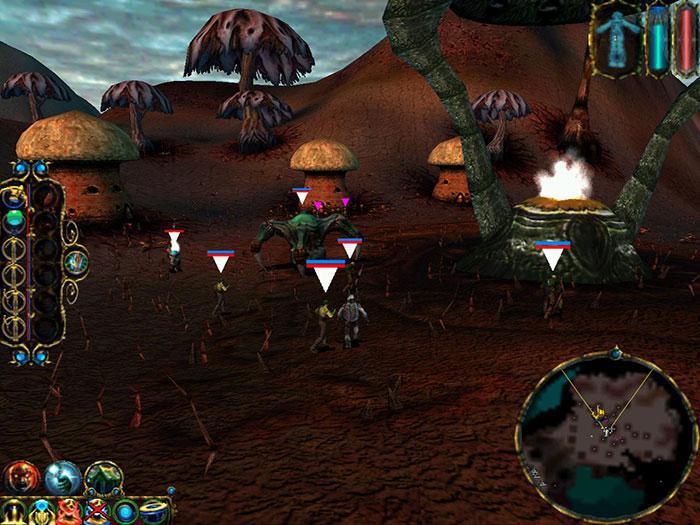
Mashing up RTS and third-person action, this game put you in control of a powerful wizard, summoning creatures and casting spells directly on the battlefield. Its visually striking, surreal art style and deep, tactical gameplay demanded mastery. While critically acclaimed, its complexity and unique hybrid nature made it a hard sell for players accustomed to more traditional genre definitions, remaining a cult classic.
6. Legend of Legaia
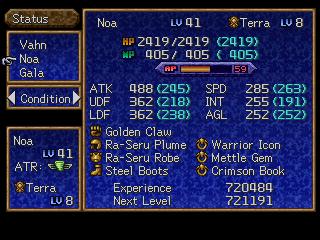
This JRPG’s "Tactical Arts System" was a revelation, letting players input directional commands to string together unique combos and target specific enemy body parts. It added a layer of strategic depth far beyond typical turn-based fare, making every encounter engaging. But its niche appeal and the sheer effort required to master the system meant it never quite broke through the mainstream JRPG giants.
7. The Saboteur
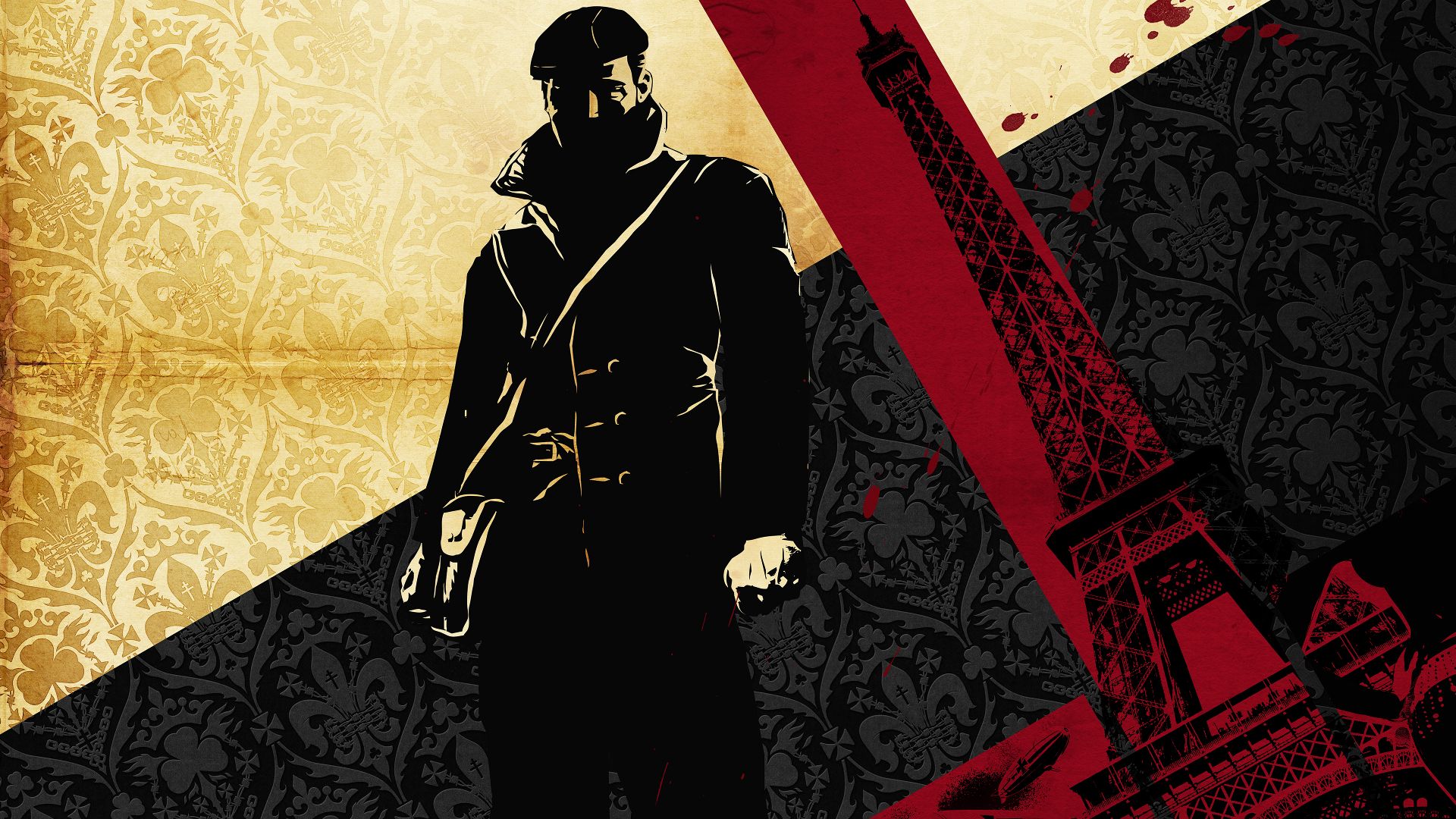
Pandemic's last hurrah was a stylish open-world action game set in Nazi-occupied Paris, where resistance brought color back to a monochrome world. This visual metaphor for hope wasn't just aesthetic; it dictated gameplay, revealing new opportunities. Its blend of stealth, explosive action, and a genuinely unique artistic vision was ambitious, but overshadowed by bigger franchise releases and the studio's impending closure.
8. Jade Empire
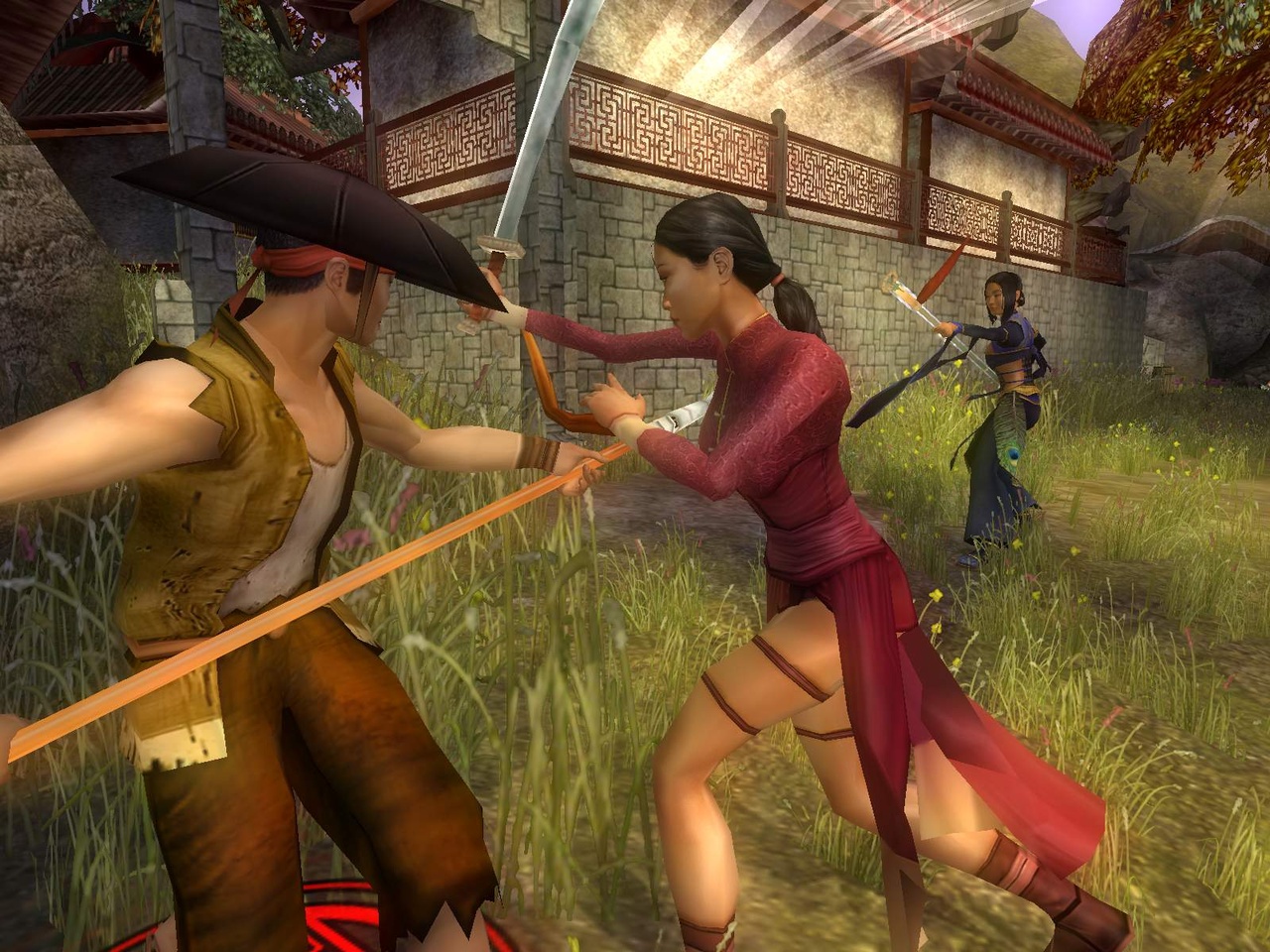
BioWare took a bold leap into wuxia-inspired action RPGs, delivering a rich world steeped in East Asian mythology and a real-time combat system that felt dynamic yet familiar. Its nuanced moral choices and compelling characters were BioWare hallmarks, but the unique setting and departure from their typical fantasy/sci-fi fare meant it didn't capture the same zeitgeist as Mass Effect or Dragon Age.