
1. The Dig
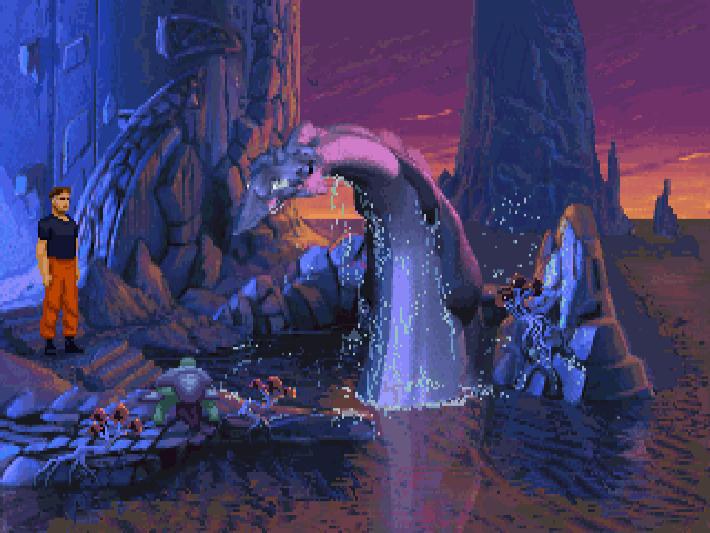
LucasArts, then at its adventure game peak, gave us *The Dig*. It wasn't just a point-and-click; it was a cinematic sci-fi epic born from Spielberg's mind. Its unique blend of exploration, challenging puzzles, and a genuinely alien mystery offered a mature narrative. The game's stark beauty and orchestral score created an atmosphere rarely matched, proving that even a niche genre could deliver a profound, unforgettable experience about discovery and existential wonder.
2. Giants: Citizen Kabuto
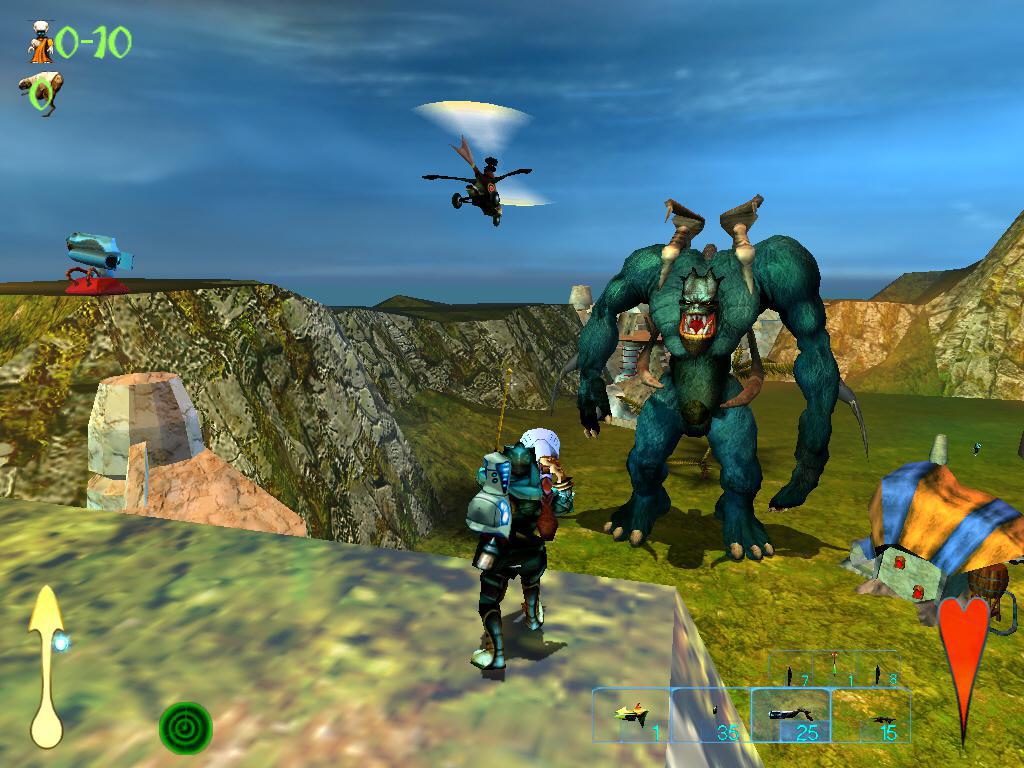
*Giants: Citizen Kabuto* was an absolute genre bender. It mixed third-person action, real-time strategy, and a darkly comedic sensibility in a way few games dared. You could be a tiny, jetpack-equipped commando, a magic-wielding siren, or a colossal, city-stomping monster. Its irreverent humor and vibrant, bizarre world design were refreshing. This game showed how much fun developers could have breaking conventional molds, influencing later titles in subtle, yet significant, ways.
3. Beyond Good & Evil - 20th Anniversary Edition
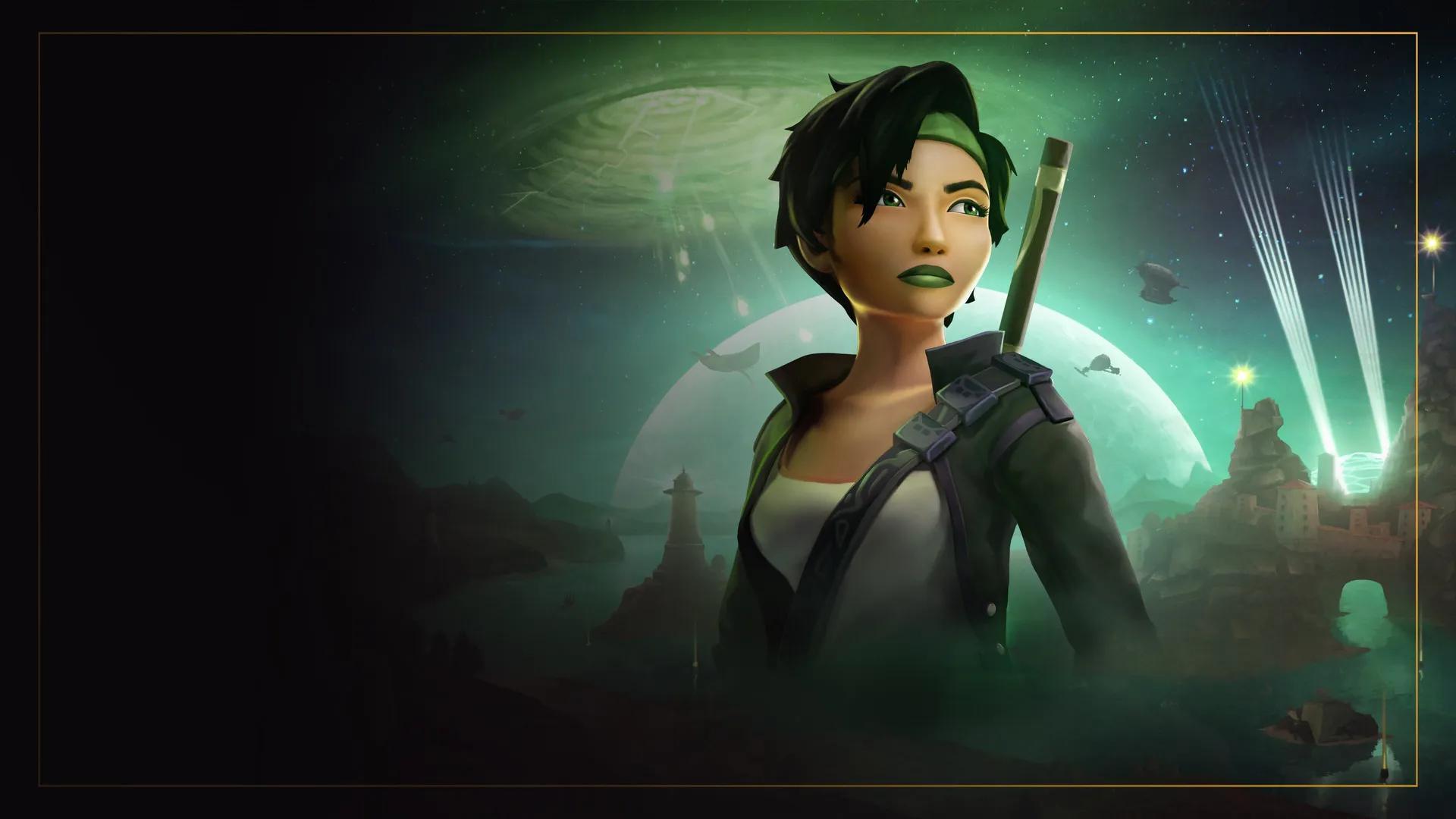
*Beyond Good & Evil - 20th Anniversary Edition* reminds us why the original was so beloved. It’s an adventure steeped in charming character work, a compelling photojournalism mechanic, and surprisingly poignant themes of totalitarianism. Jade’s journey to expose corruption felt vital, a narrative depth often missing in its contemporaries. This updated version preserves its artistic vision and fluid gameplay, proving that a truly great story and world design endure, even two decades on.
4. Jade Empire
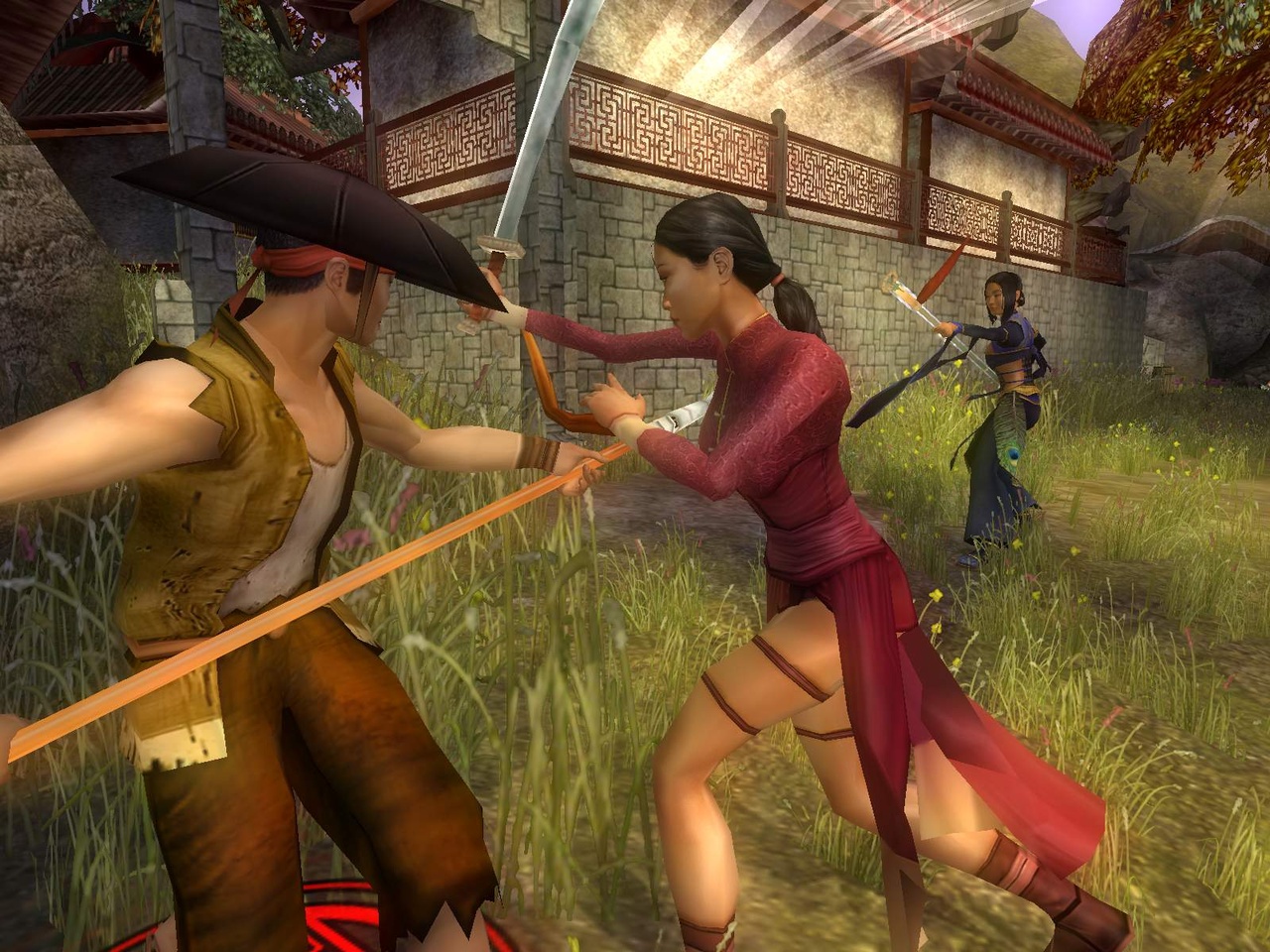
BioWare, known for Western fantasy RPGs, took a bold step with *Jade Empire*, crafting an original world inspired by Chinese mythology. Its real-time combat, featuring various martial arts styles, was a departure from their usual D&D-esque mechanics. The game explored philosophical choices between the Way of the Open Palm and the Closed Fist, offering moral dilemmas that resonated. It was a rich, culturally distinct RPG that carved its own path, showcasing BioWare’s narrative prowess in a fresh setting.
5. Okami
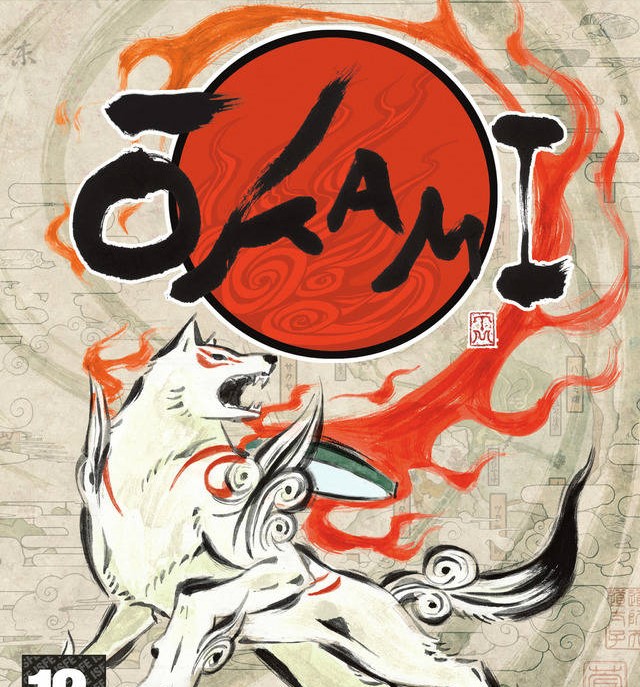
*Okami* is a masterclass in art direction and narrative. Its stunning sumi-e ink wash style made every frame a painting, a deliberate choice that gave its cel-shaded world timeless beauty. More than just visuals, it wove Japanese mythology into an action-adventure framework, starring a sun goddess in wolf form. The Celestial Brush mechanic was innovative, merging gameplay with artistic expression. This game proved that unique aesthetics and heartfelt storytelling could elevate a familiar genre.
6. Vanquish
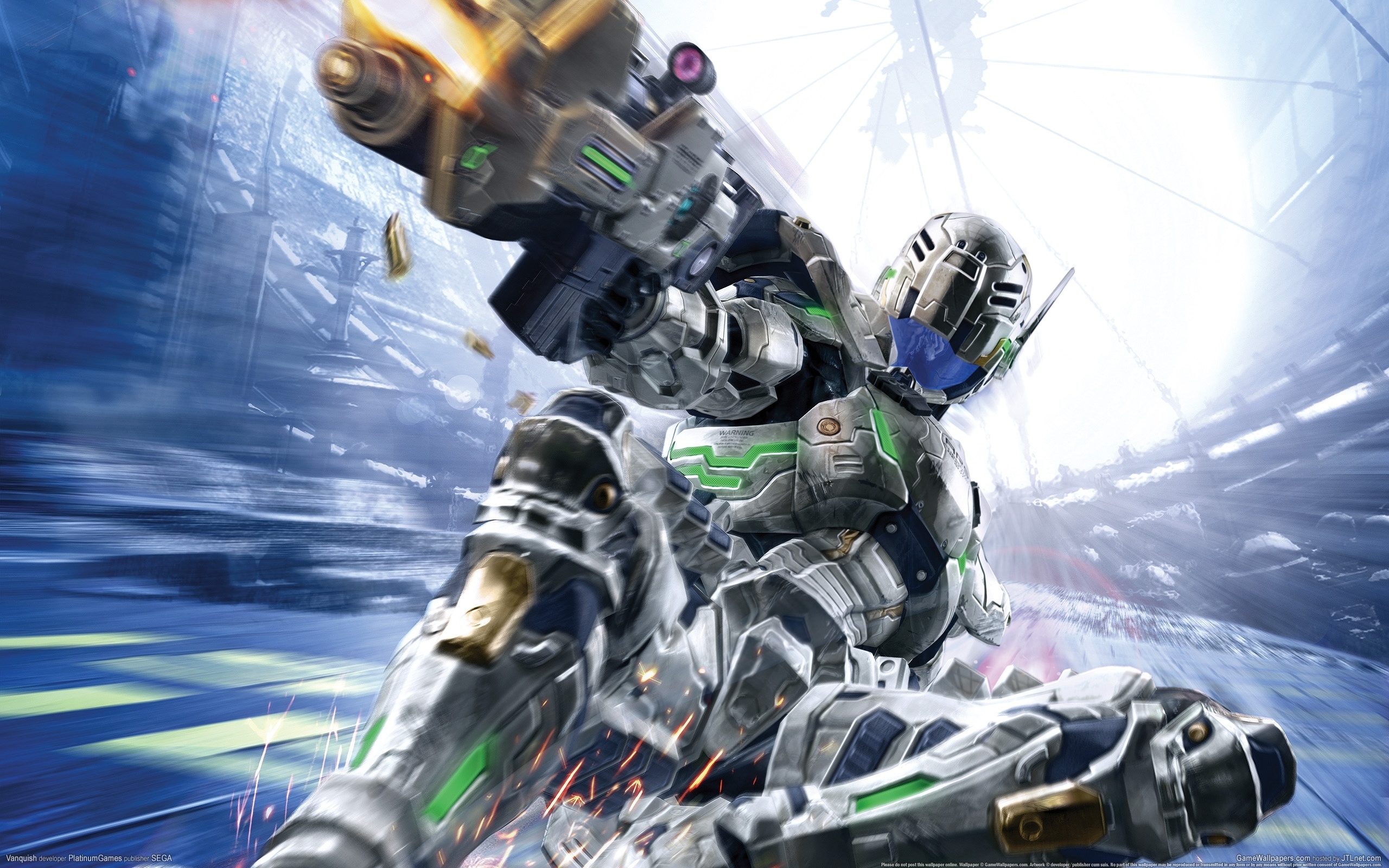
PlatinumGames' *Vanquish* is pure, unadulterated speed. It pushed third-person shooters into hyperdrive with its rocket-powered knee slides and bullet-time mechanics. The sheer fluidity of movement and explosive combat set it apart. It wasn’t about cover; it was about aggressive, stylish offense, chaining together dodges and blasts. *Vanquish* demonstrated how innovative movement systems could completely redefine a genre, influencing subsequent action games with its relentless, high-octane energy.

7. Catherine
*Catherine* defied easy categorization. It’s a puzzle platformer wrapped in a mature, psychological drama about love, commitment, and infidelity. Its narrative dives deep into the anxieties of young adulthood, using surreal nightmares as its gameplay core. The block-pushing puzzles, escalating in complexity, perfectly mirrored the protagonist’s internal turmoil. This game proved that video games could tackle complex, adult themes with both mechanical ingenuity and profound emotional weight.
8. Antichamber
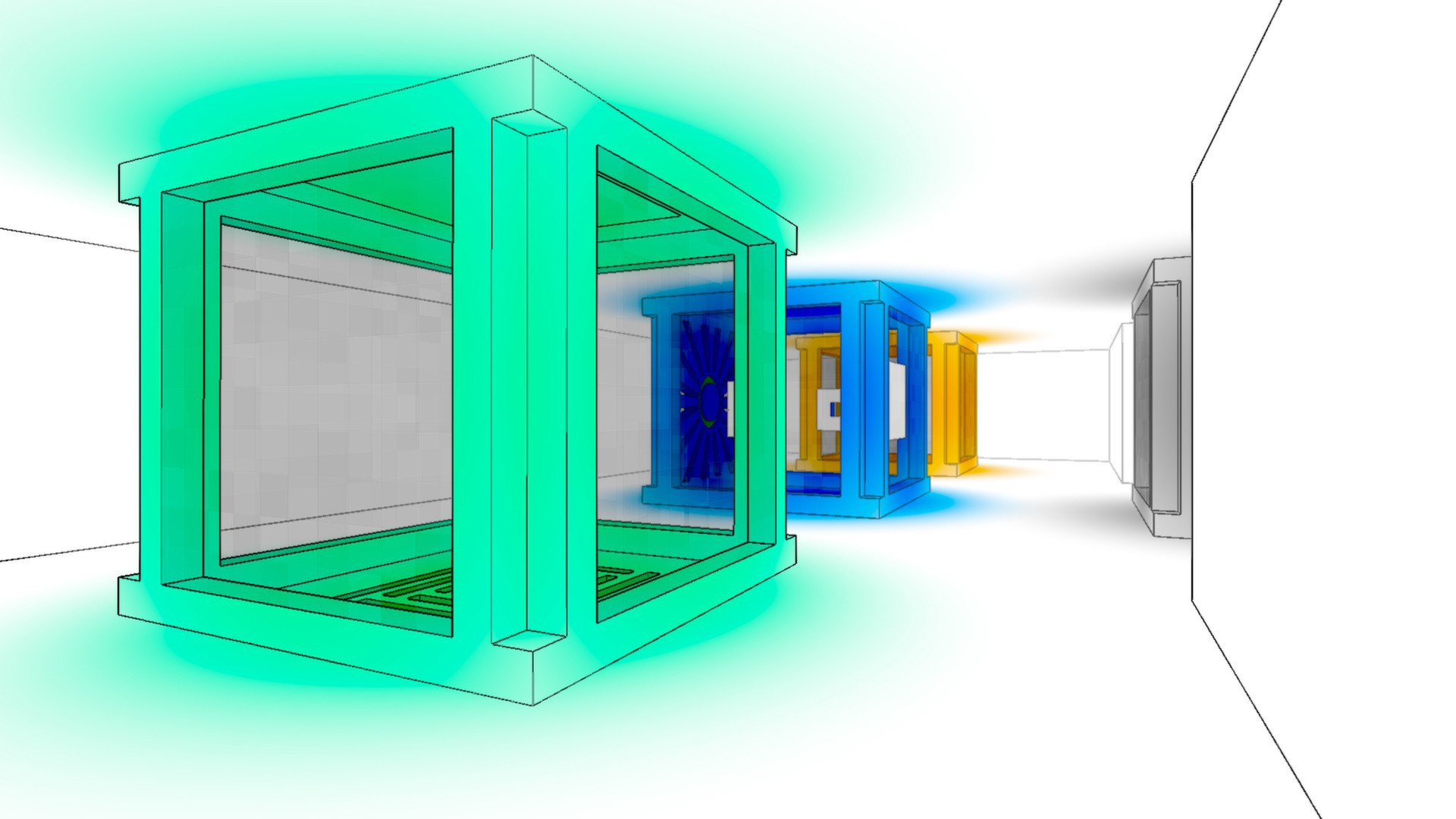
*Antichamber* wasn't just a puzzle game; it was an exercise in unlearning. Its non-Euclidean geometry and Escher-esque level design consistently broke expected spatial rules, forcing players to think outside conventional logic. Doors led back to where you started, and paths appeared only when you weren't looking directly at them. It challenged perceptions and taught players to question everything. This game profoundly impacted how we consider environmental puzzle design, proving that abstraction can be deeply engaging.